Russia, Ukraine agree to new POW exchange amid stalled peace talks
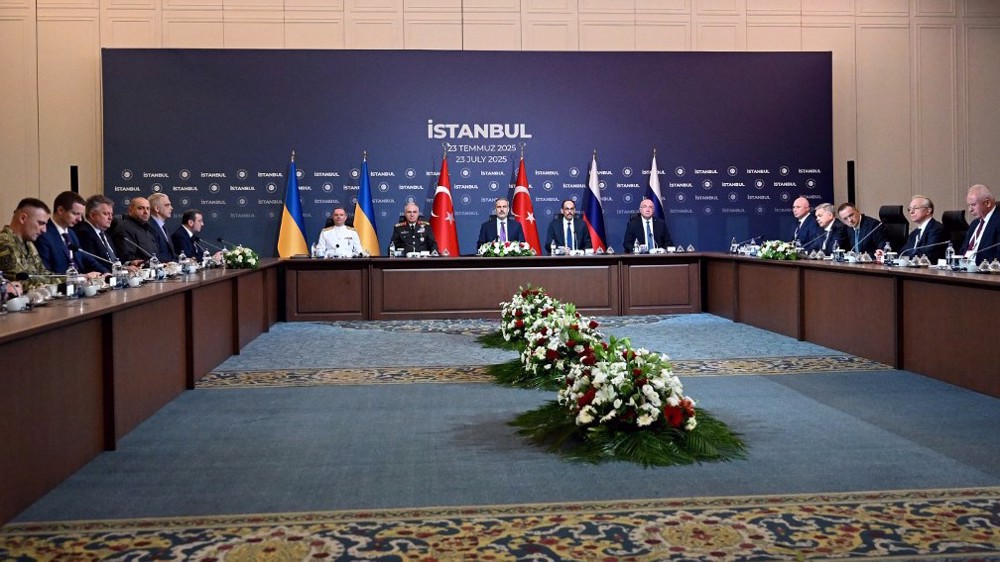
Russia and Ukraine have agreed to exchange 1,200 prisoners of war and the remains of fallen soldiers, but made no progress toward ending the conflict during peace talks on Wednesday in Istanbul.
The third round of negotiations, hosted by Turkey and attended by high-ranking officials including Foreign Minister Hakan Fidan, lasted just 40 minutes. The Kremlin had signaled beforehand that the discussions would be “difficult.”
“No one expects an easy road,” said Kremlin spokesperson Dmitry Peskov ahead of the talks.
The head of the Ukrainian delegation, Rustem Umerov, who also serves as secretary of Ukraine’s National Security and Defense Council, confirmed the limited progress. “We have progress on the humanitarian track, with no progress on a cessation of hostilities,” he said, noting that Kiev continues to press for the release of civilians.
Russian negotiator Vladimir Medinsky proposed a series of 24- to 48-hour ceasefires to facilitate the recovery of bodies. He emphasized that any future meeting between Russian President Vladimir Putin and Ukrainian President Volodymyr Zelensky should result in a signed agreement rather than serve as an open-ended discussion.
Medinsky said Moscow had also offered to return an additional 3,000 Ukrainian bodies and was reviewing a list of 339 Ukrainian children alleged to have been taken by Russian forces. He denied Kiev’s claims, stating that Russia had only offered refuge to children separated from their families.
“Some of the children have already been returned back to Ukraine. Work is underway on the rest,” Medinsky said. “If their legal parents, close relatives, or representatives are found, these children will immediately return home.”
Despite repeated efforts, there were no signs of a breakthrough toward ending the war. Fidan expressed hope that the sides would build on documents exchanged during their previous meeting in June to "end this bloody war as soon as possible."
“The ultimate goal here is, of course, a ceasefire that will pave the way for peace,” Fidan added.
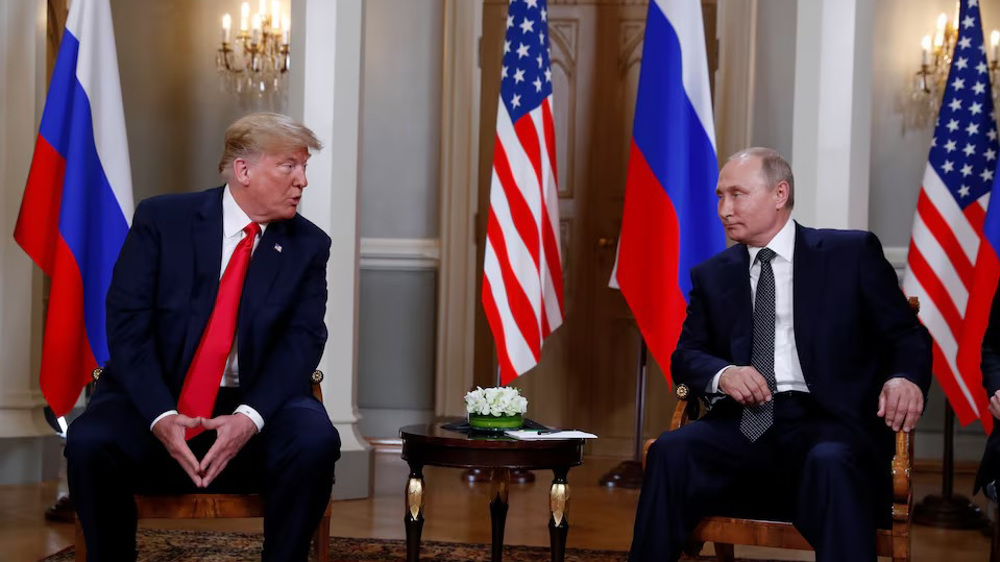
Since returning to the White House, US President Donald Trump has claimed he could end the conflict in a single day—a pledge that formed a core part of his 2024 campaign. However, Trump’s administration has yet to present a viable roadmap for peace. His rhetoric has done little to move the needle in one of Europe’s deadliest conflicts since World War II.
The talks have yielded some humanitarian results since resuming in May and June, but the war continues with no end in sight. Critics argue that the Trump administration’s lack of a coherent strategy and its transactional approach to diplomacy have undercut broader peace efforts.
Russia launched its special military operation in February 2022, citing the need to counter NATO expansion and what it called the spread of Nazi ideology. Since then, US-led Western military aid to Ukraine has intensified the conflict, drawing sharp criticism from Moscow, which maintains that a continued flow of weapons to Kiev only serves to prolong the war.
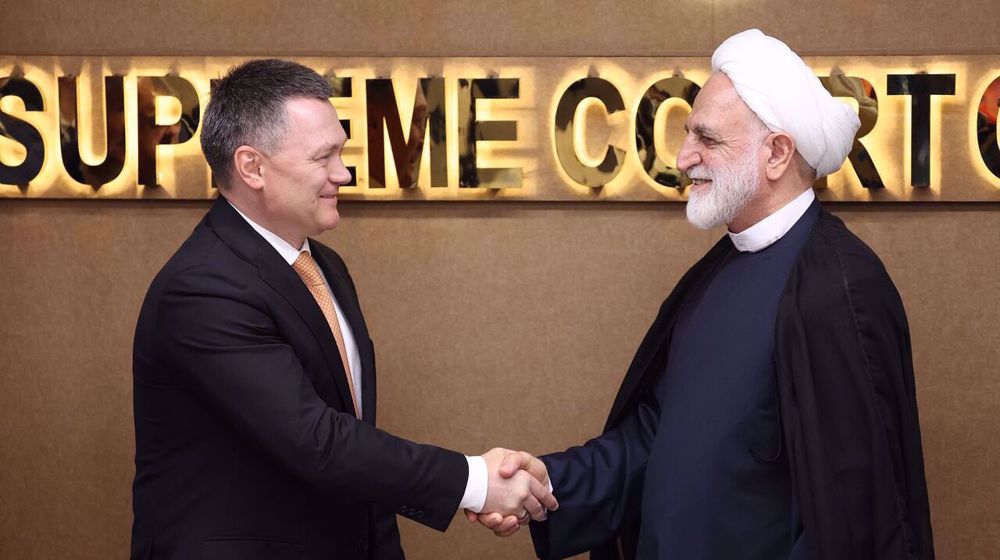
Iran, Russia can play effective role in restoring regional, global stability: Judiciary chief
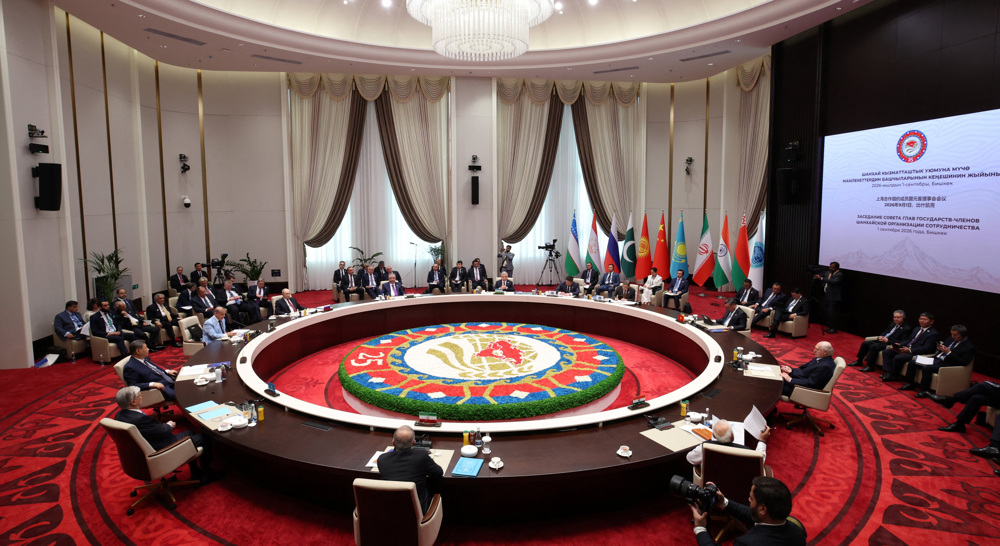
SCO leaders condemn US-Israeli war on Iran, warn of global instability
Russia warns of preparations for ‘massive strikes’ on Ukraine’s energy sector



VIDEO | ‘US escort a big lie’: IRGC unveils decisive targeting of non-compliant vessels in Strait of Hormuz
IRGC strikes 3 US-linked vessels, 3 trespassing oil tankers in retaliation for American attacks
VIDEO | Trump downplays costs, consequences of war on Iran
VIDEO | News Review: Trump downplays war on Iran, calling it 'small potatoes'
Iran condemns US attacks on oil tankers as violation of international law
VIDEO | News Review: US attacks Iran oil tankers
VIDEO | Nuclear madness: Who can stop Trump?
Iran military warns US of ‘more severe blows’ to warships if aggression continues



 PressTV NEWSLETTER
now
PressTV NEWSLETTER
now
 This makes it easy to access the Press TV website
