From ‘four weeks’ to month eight: US senator condemns GOP for refusing to end Trump’s war on Iran
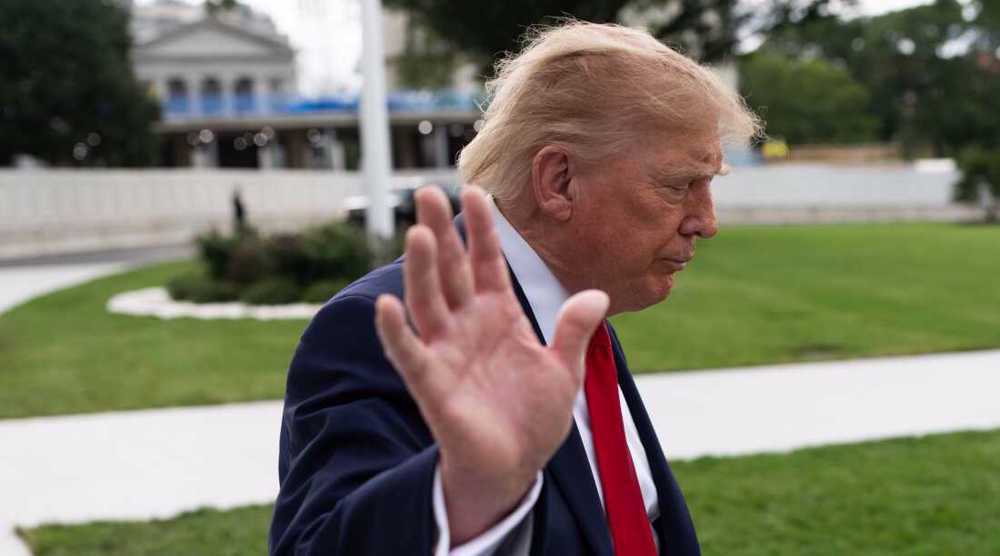
US Democratic Senate Minority Leader Chuck Schumer has taken a swipe at President Donald Trump over the duration of the war of aggression against Iran, arguing that the onslaught has now entered its eighth month and the US leadership is clueless about Iranian resolve.
In a post published on the social media platform X on Tuesday, Schumer stated that the unprovoked military aggression by the United States and the Israeli regime against Iran has taken longer than expected despite initial promises, and that ordinary Americans and US troops were paying the price for the offensive.
“Remember when Trump said his war in Iran would last only four to five weeks? We’re now in month EIGHT, and the American people and our troops are paying the price,” he wrote.
He also sharply criticized Senate Republicans for blocking a Democratic effort to end the war by voting down a House-passed war powers resolution.
“Last week, the Senate GOP had the chance to vote to end this illegal war, and instead voted to keep it going. They are complicit,” the 75-year-old American politician said.
According to a recently conducted CNN poll by SSRS, American opposition to the war on Iran has intensified, with approximately two-thirds of respondents saying the United States is not achieving victory in the onslaught and an increasing number contending that Trump is not taking sufficient measures to conclude it.
Substantial majorities contend that the war has adversely affected United States interests, fails to justify its expenditures, and that the incumbent US administration lacks a coherent strategy for its management.
According to recent CNN polling data, merely 29% of United States adults express approval regarding Trump’s management of foreign affairs, representing the lowest approval rating documented throughout both of his presidential terms.
Conversely, 71% of respondents indicate disapproval of his foreign policy approach.
A substantial majority perceive his foreign policy initiatives during this term as detrimental to America’s international reputation rather than beneficial. Furthermore, only 26% of adults approve of the US president’s approach toward Iran, a decline from the 33% approval rate recorded one month following the start of the war.
A considerable portion of the deterioration in approval ratings regarding his Iran management originates from the Republican constituency. Democratic and independent perspectives have remained consistently unfavorable throughout the ongoing war.
In March, 73% of Republicans expressed approval of Trump’s approach to the matter.
Currently, this percentage has declined to 60%. Within the Republican and Republican-leaning demographic, Trump’s Iran management approval becomes negative among individuals under 45 years of age (53% express disapproval) and those who identify as non-members of the Make America Great Again movement (54% express disapproval).
Republicans currently demonstrate diminished optimism regarding the broader implications of Trump’s foreign policy initiatives compared to their assessment earlier in the year. Approximately fifty percent of Republicans now affirm that his policy decisions have enhanced the United States’ international standing, representing a decline of thirteen percentage points from March.
A significant majority of adults, representing three-quarters of the population, contend that Trump lacks a coherent strategy toward Iran. Furthermore, 78% of respondents assert that his efforts to terminate the war remain insufficient.
Approximately 70% of the population considers it at least moderately probable that the dispute will persist as a prolonged engagement, with majorities evident across all political affiliations. Notably, 32% of adults now regard an extended war as highly probable, marking the highest proportion to hold this view since the beginning of the aggression.
A greater proportion of respondents indicate that the war has been detrimental to American interests compared to those who believe it has been beneficial, with 70% holding the former view and 18% the latter. Furthermore, 76% of respondents contend that the war’s costs—measured in both human casualties and fiscal expenditure to the federal government—outweigh any perceived benefits.
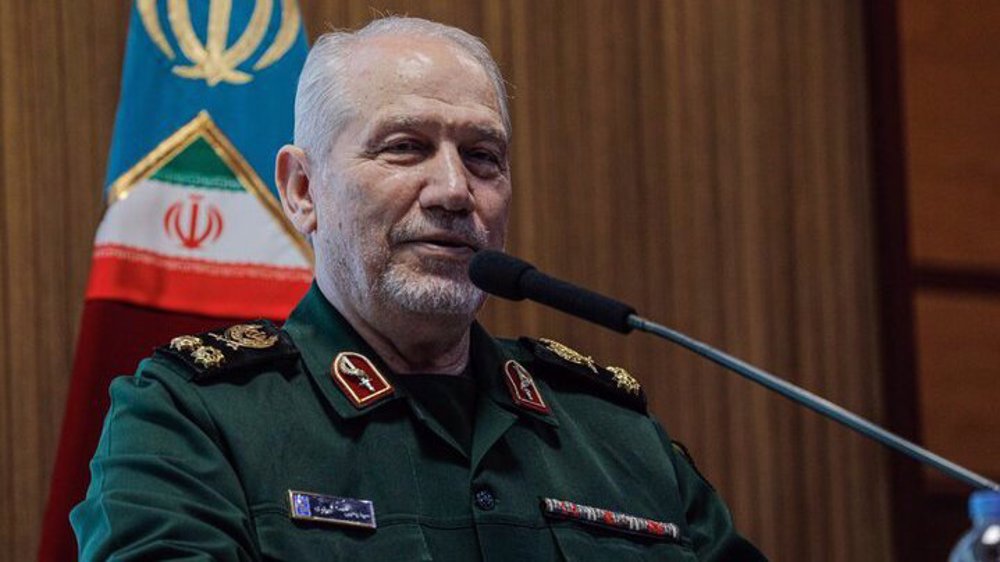
On February 28, the United States and the Israeli regime launched a war of aggression against Iran, during which then Leader of the Islamic Revolution Ayatollah Seyed Ali Khamenei and several senior military officials were martyred.
The Iranian Armed Forces responded with weeks of missile and drone strikes targeting American and Israeli military positions in the occupied territories and across the region, inflicting heavy damage in 100 waves of counterattacks over a period of 40 days.
A Pakistan-mediated ceasefire lasting two weeks was reached on April 8, paving the way for talks in Islamabad. During those negotiations, Iran put forward a ten-point proposal that included the withdrawal of US forces and the removal of sanctions.
Iran has made clear that any return to ceasefire negotiations depends on the lifting of the US naval blockade. Officials have argued that the continued blockade constitutes a violation of the truce.
Press TV’s website can also be accessed at the following alternate addresses:
If Iran’s oil sales and security are not guaranteed, neither are anyone else’s: Parliament speaker
America hiding true casualties of wars on Iran: Senior Army commander

Iraqi flag carrier resumes flights to Iran amid US sanctions threats



 This makes it easy to access the Press TV website