Qalibaf takes swipe at US economic woes as Treasury yields hit 10-year highs
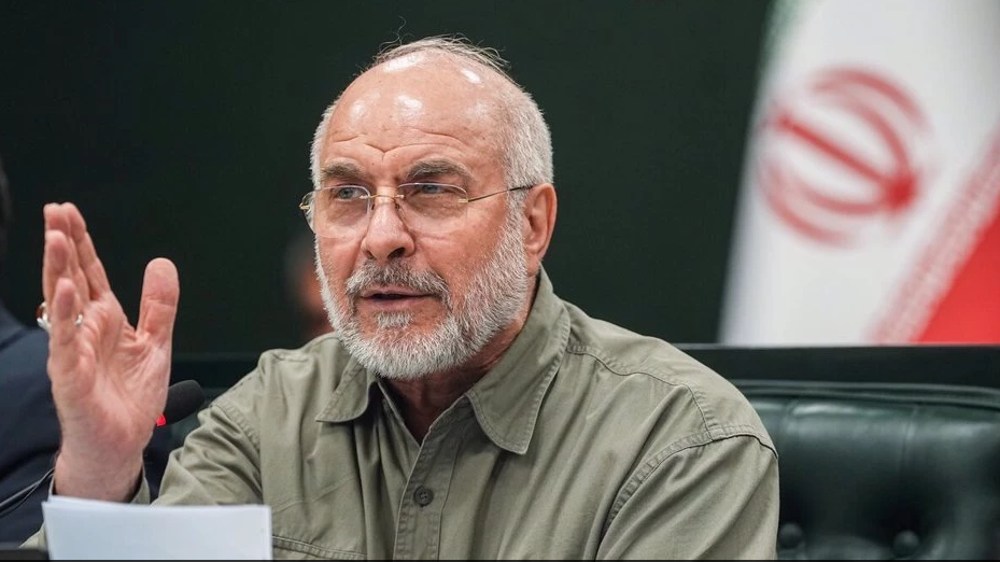
Iran’s Parliament Speaker Mohammad Baqer Qalibaf has taken aim at rising US borrowing costs and fuel-price pressures referring to the 10-year US Treasury yield reaching 5.1 percent.
“Happy 5.1% 10Y America. Mashallah. Celebrate: it’s the floor two years out,” Qalibaf wrote in a post on X on Thursday.
He went on to draw a comparison with the economic conditions of the 1970s, linking higher interest rates with fuel prices and diesel shortages.
“You wanted Iran dragged back to 1970s? Nobody told you Iran isn’t for arrogant amateurs?” he asked.
He further wrote, “We’ll return you to 1970s rates, plus high gas prices, diesel shortages and bell-bottoms. Enjoy the nostalgia!.”
Happy 5.1% 10Y America 🎉. Mashallah. Celebrate: it’s the floor two years out.
— محمدباقر قالیباف | MB Ghalibaf (@mb_ghalibaf) September 24, 2026
You wanted Iran dragged back to 1970s? Nobody told you Iran isn’t for arrogant amateurs? We’ll return you to 1970s rates, plus high gas prices, diesel shortages and bell-bottoms. Enjoy the nostalgia! pic.twitter.com/iB1x8e1PZY
The yield on US 10-year Treasury bonds has returned to its highest level since 2007, while the yield on 30-year Treasury bonds has reached 5.4 percent, its highest level since 2004.
Qalibaf’s remarks come amid growing pressure on the US administration over the performance of the Treasury and energy markets.
US Treasury Secretary Scott Bessent has pursued buyback operations in the US Treasury market, particularly involving 10-year bonds, in an effort to bring down long-term yields and reduce borrowing costs ahead of the midterm elections.
However, the bond market has largely resisted the intervention, with yields remaining elevated or even increasing. Critics, including veteran Wall Street figures such as Stanley Druckenmiller, have questioned the effectiveness of the measures and warned of growing market risks.
The United States has also drawn heavily on its Strategic Petroleum Reserve (SPR) after Iran closed the Strait of Hormuz due to the US-Israeli aggression which began on February 28.
Washington had been counting on psychological pressure and assurances about the reopening of the southern shipping route through Hormuz to bring down futures prices.
The combination of elevated bond yields, sharply reduced strategic oil reserves and rising oil futures prices has created mounting pressure on Bessent and the Trump administration.
Press TV’s website can also be accessed at the following alternate addresses:
Pezeshkian: Iran’s strong maritime presence in Hormuz kept vital national lifelines moving

Two men involved in killing security forces during January riots executed in Iran

Senior cleric blasts submission to US as Iraq given one-month Iran flight waiver



 This makes it easy to access the Press TV website