Netanyahu seeks 'general clean-up' in Gaza: Israeli minister
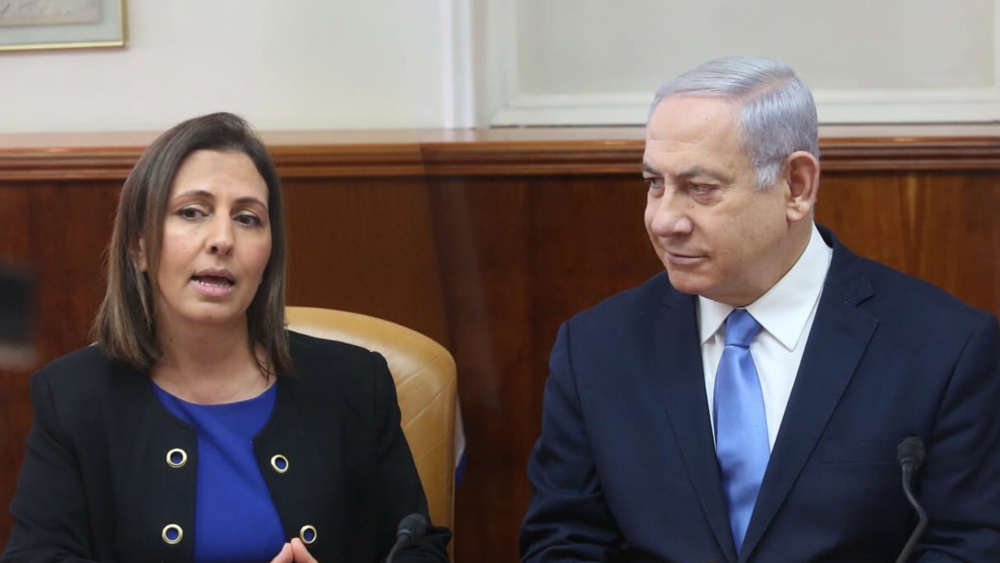
+Prime Minister Benjamin Netanyahu is determined to carry out a "general clean-up" in the Gaza Strip, outlining a broader military strategy that extends beyond ceasefire arrangements and encompasses long-term control of the besieged territory.
Israeli Science and Technology Minister Gila Gamliel made the remarks on Saturday while discussing Israel's so-called regional security strategy.
According to her comments, Netanyahu remains committed to pursuing extensive attacks on Gaza despite ongoing diplomatic efforts aimed at reaching or maintaining ceasefire agreements, adding that the Israeli leadership envisions assaults that go beyond limited tactical objectives.
Her characterization of a "general clean-up" indicated a broader approach to Gaza, although she did not provide specific details about how such a strategy would be implemented or its intended duration.
The comments offered a rare glimpse into internal Israeli regime thinking on the future of Gaza, where Israel has continued attacks following months of war.
While Israeli officials have publicly maintained that the Israeli war on Gaza is focused on dismantling Hamas infrastructure and addressing so-called “security threats,” Gamliel's remarks appeared to describe a wider strategic vision involving long-term military control of the besieged territory.
Her statements also touched on broader regional security concerns. Gamliel warned that Turkey is emerging as a significant strategic challenge for Israel, saying the country is becoming "a real threat to the future of the region."
She went on to say that Israel is preparing to confront what it views as the growing Turkish challenge "at all operational levels," without elaborating on what measures such preparations would involve.
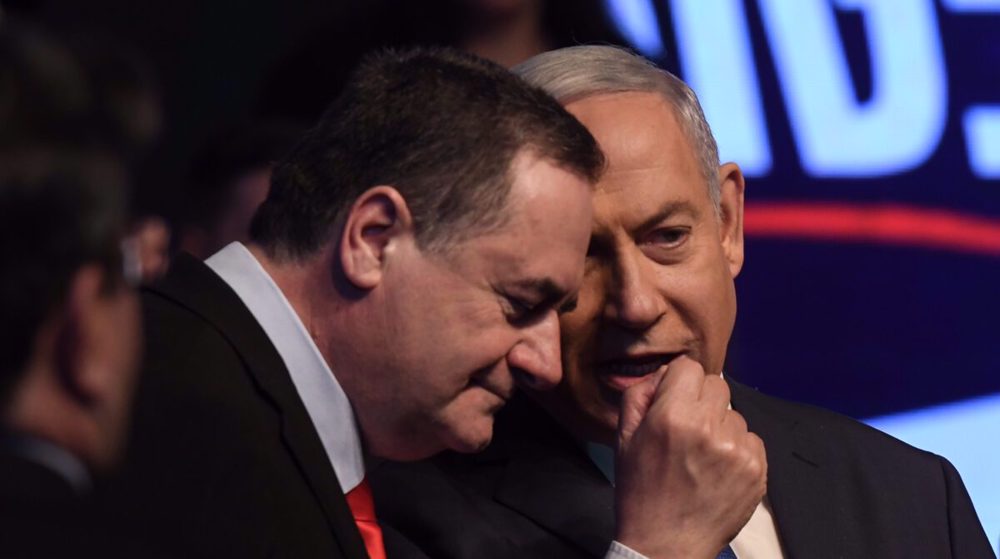
Addressing Israeli-Turkish relations, Gamliel referred to Foreign Minister Gideon Saar's initiative to recognize the Armenian Genocide, acknowledging that such a move could further strain ties with Ankara.
However, she argued that Israel should prioritize moral considerations over diplomatic calculations.
"To date, we have avoided this for diplomatic reasons, but the conditions are certainly ripe," Gamliel said. "We need to help the Armenian people and give them recognition on our part."
Gamliel also portrayed Israel's security outlook as requiring preparedness for sustained confrontations on multiple fronts across West Asia, suggesting that Israeli strategic planning anticipates prolonged regional tensions involving several actors, alongside the ongoing genocide in Gaza.
The remarks come amid continued international efforts to secure a lasting ceasefire in Gaza and growing diplomatic pressure over the humanitarian situation in the blockaded territory.
A US-brokered ceasefire took effect in Gaza on October 10, 2025. However, Israel has continued to carry out near-daily attacks throughout the territory despite the truce.
According to Gaza health authorities, at least 961 Palestinians have been killed and more than 3,000 wounded in Israeli attacks since the ceasefire went into effect.
Reports indicate that apartment buildings, markets, vehicles, and cafes have continued to be targeted, while residents have frequently received evacuation orders shortly before airstrikes.
Press TV’s website can also be accessed at the following alternate addresses:
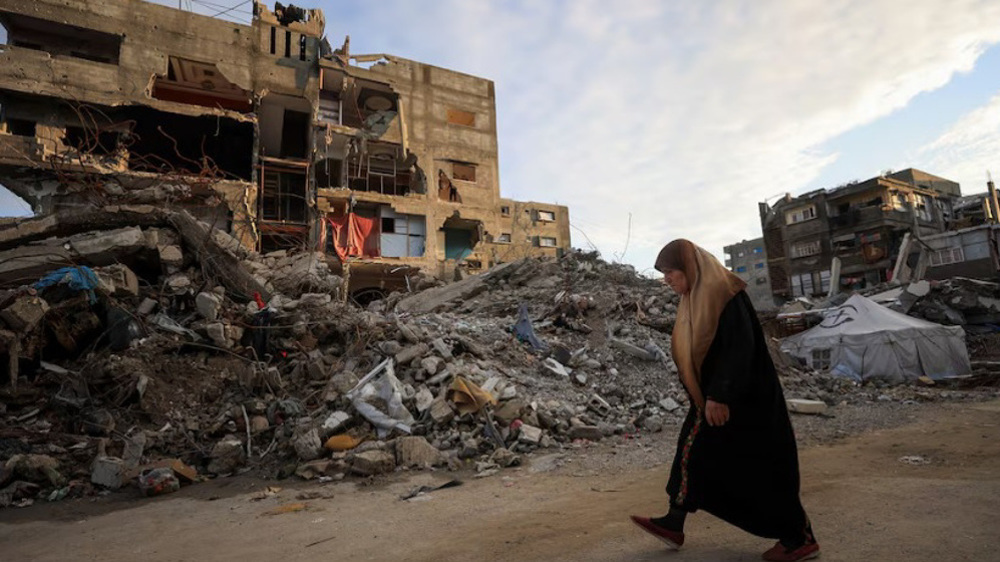
Eight Palestinians killed in Gaza as Israeli ceasefire violations continue
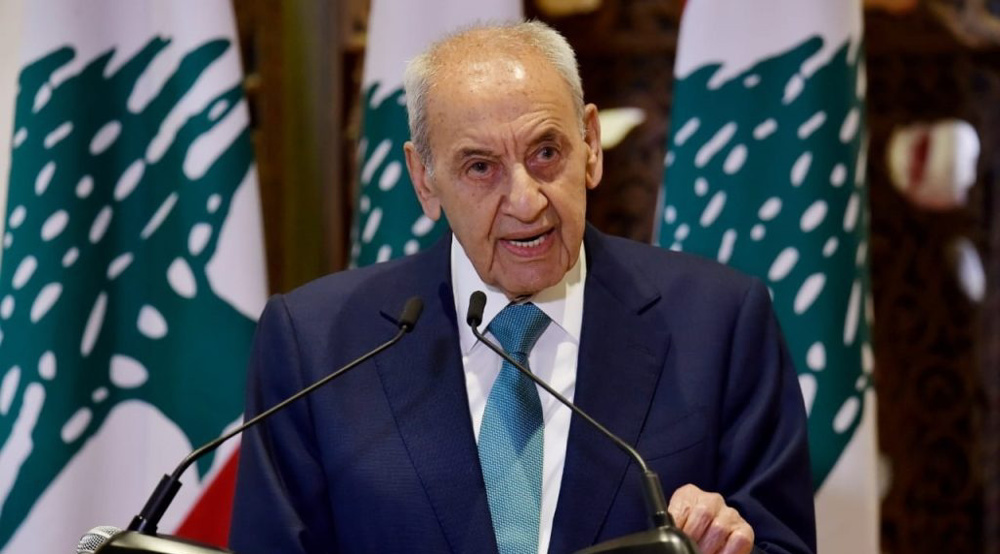
‘This is sedition’: Berri warns Lebanese nation over US-brokered deal with Israel
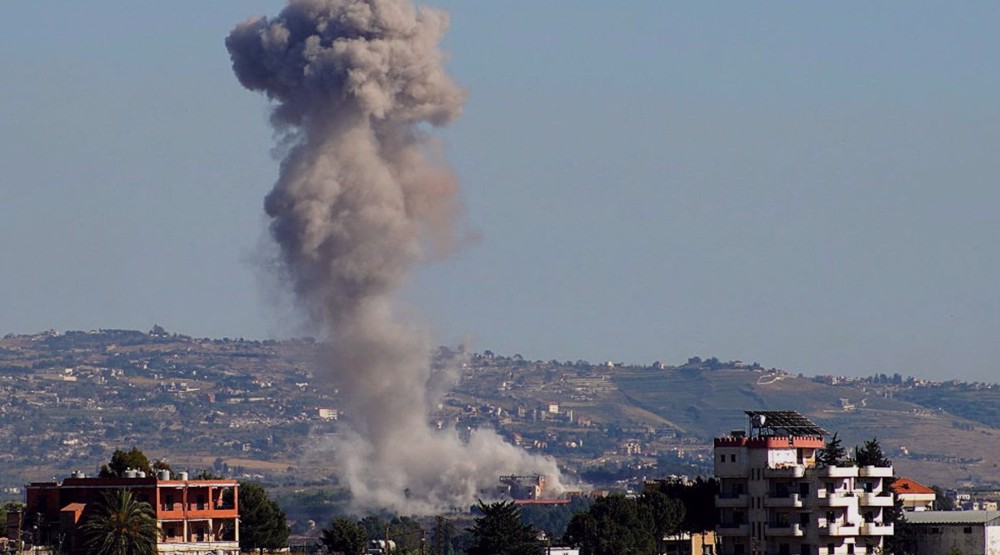
Israeli forces advance in southern Lebanese towns after truce deal with Beirut



 This makes it easy to access the Press TV website