UAE, Israel publicize scandalous deepening of military alliance as Netanyahu calls bin Zayed

Israeli prime minister Benjamin Netanyahu held a telephone conversation with UAE President Sheikh Mohammed bin Zayed al-Nahyan following an attack on the UAE's Fujairah port, Israeli and Emirati media have revealed.
The state news agency WAM on Wednesday confirmed that Sheikh Mohammed received a call from Netanyahu who “affirmed” the Zionist regime’s solidarity with the UAE.
Netanyahu disclosed during his court trial in Tel Aviv on Tuesday that he had spoken with four leaders over the previous 24 hours, including Arab leaders whose names he said he could not disclose.
"I spoke with Trump, with the Czech prime minister, and also with Arab leaders whose names I cannot mention," Netanyahu said.
The revelation of the Netanyahu-Mohammed call comes as Western media have disclosed new details about security and military ties between Israel and Abu Dhabi.
CNN reported, citing unnamed sources, that an Israeli tracking system deployed in the UAE participated in efforts to intercept missiles.
Israel's Channel 12 television confirmed the report, speaking of "a deepening strategic alliance between Abu Dhabi and Tel Aviv moving toward operational cooperation on the ground."
The Financial Times has previously reported that Israel has provided the UAE with advanced weapons systems and vital intelligence to counter potential threats.
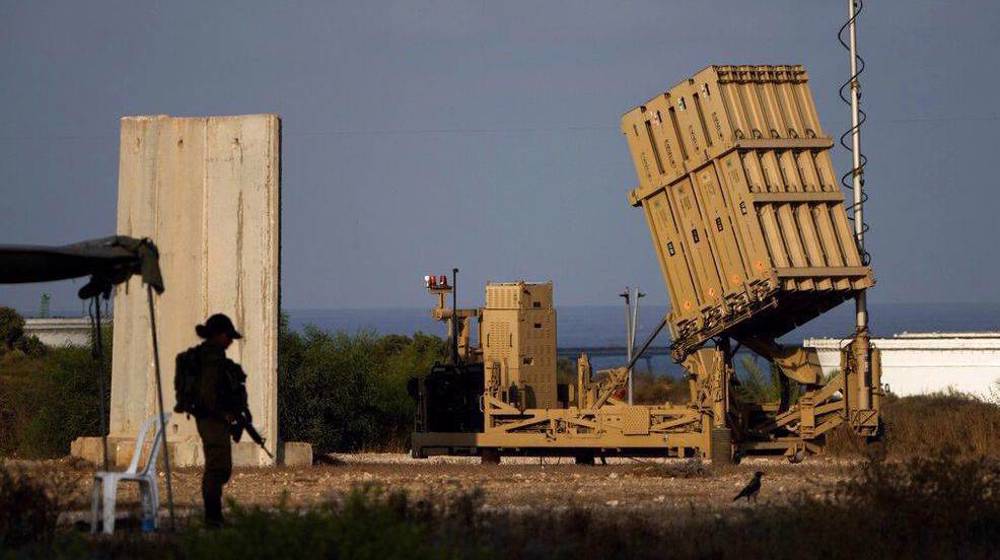
Israeli Channel 12 also reported that the UAE is no longer seeking to conceal the nature of its ties with Israel and is now openly moving toward deepening its “strategic alliance” with the occupying regime.
According to the report, Abu Dhabi opted to expand this partnership to include what it called “operational cooperation on the ground,” adding that the UAE has become “Israel’s closest Arab partner today.”
The deployment of Israeli defense systems in the UAE and the phone call between Netanyahu and Mohammed bin Zayed have exposed the true nature of normalization between Abu Dhabi and Tel Aviv, according to the report.
Relations between the UAE and Israel have gone beyond diplomatic normalization to include field military cooperation, security intelligence exchanges, and the direct presence of Israeli military infrastructure on the soil of an Arab country.
The UAE and Israel signed a normalization agreement in 2020 at a White House ceremony hosted by US President Donald Trump.
The text of the "Abraham Accords" and its appendices outlined broad political, economic and security cooperation between Abu Dhabi and Tel Aviv but contained no Israeli commitment to stop or even suspend annexation and settlement plans in occupied Palestinian territories.
Israel has continued its military aggression in Gaza, with widespread destruction of civilian infrastructure and civilian casualties. It has also continued settlement expansion in the West Bank.
Public opinion across the Arab and Islamic worlds views such ties not as peace but as an "alliance with an occupier at the height of its crimes," according to the report.
Iran has called on the United Arab Emirates to discontinue its alignment and cooperation with the parties that are hostile towards the Islamic Republic, saying it reserves all rights to respond in kind.

Besides contributing to aggression against the Islamic Republic, the UAE's continued hosting of the adversaries' bases and equipment "carries dangerous consequences for regional peace and stability," the Iranian Foreign Ministry said.
The ministry additionally denounced Emirati rulers for accusing Iran of targeting the Arab country, underlining that the Islamic Republic's retaliatory measures are solely aimed at hostile targets inside the Emirates.
The UAE and a whole host of other regional states, including Bahrain, Qatar, Saudi Arabia, Kuwait, and Jordan, invariably allowed their respective territories to serve as launch pads for attacks on the Iranian soil throughout the unprovoked aggression that lasted from February 28 until April 7.
Iran responded by launching waves of decisive and successful retaliation against sensitive and strategic American and Israeli targets throughout the region.
The reprisal took aim, among other things, against the American facilities inside these countries that would play an instrumental role in enabling the aggression.
Press TV’s website can also be accessed at the following alternate addresses:

Iran submits 35 war crimes dossiers against US, Israel to intl. bodies

World Bank: Strait of Hormuz traffic will not normalize until late 2026

US senator calls on Trump, Israel to 'load' rioters in Iran with arms



 This makes it easy to access the Press TV website