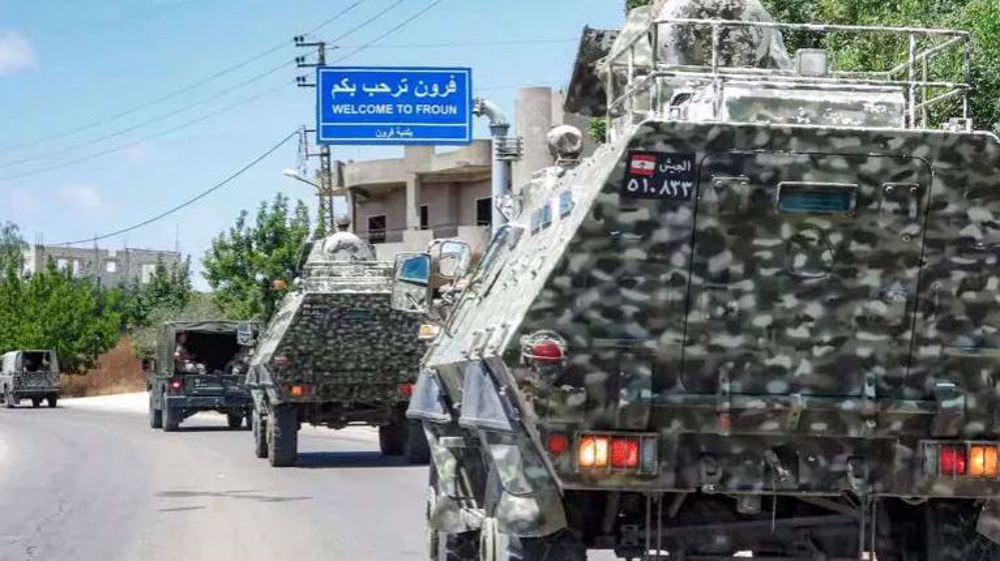
Residents returning to the first US-supported pilot zones in southern Lebanon find that Israeli forces never occupied two of the three designated villages to free them as they claimed.
Author and university professor George Katsiaficas says that the strike on Shajareh Tayyebeh School in Minab was deliberate, systematic, and part of a long‑standing pattern of US military conduct.
Recent US intelligence assessments concludes that military strikes against Iran are unlikely to compel the country to abandon its peaceful nuclear program or missile capabilities.
UK Prime Minister Andy Burnham approves the continued use of British military bases by the United States for military aggression against Iran, maintaining a policy established under his predecessor, Keir Starmer.
The United States' military aggression against Iran has failed to achieve its stated objectives and instead risks widening instability across West Asia.
Iran’s highest military command, the Khatam al-Anbiya Central Headquarters, sternly warns the United States against acting on its threat of attacking the Islamic Republic's nuclear facilities.
In response to US military aggression against southern Iran, which primarily targeted civilian infrastructure, the Iranian armed forces continued their retaliatory operations on Tuesday.
The collapse of the Iran-US memorandum of understanding and renewed aggression over the Strait of Hormuz have intensified concerns about the risk of a broader regional confrontation.
The IRGC announces targeting and disabling multiple American radar systems in Kuwait as part of the latest phase of its ongoing retaliatory strikes in the face of American violations.
The future of the Iran-US aggression remains uncertain as disputes over Tehran's regional role, missile capabilities, and control of the Strait of Hormuz intensify.
Army spokesman says Iran has already defined precise defense scenarios and operational plans to thwart any enemy incursion into the country's territory.







 This makes it easy to access the Press TV website