

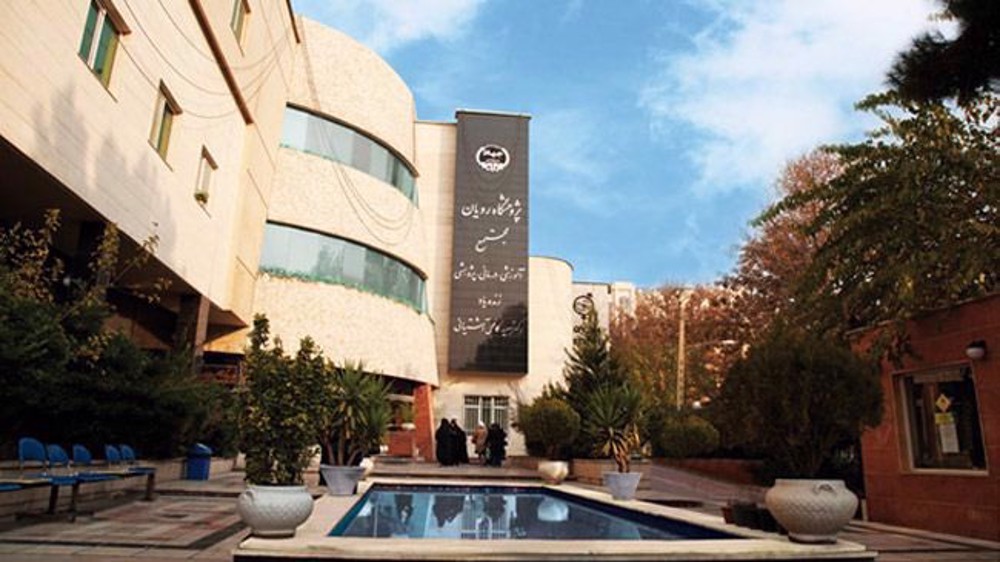
The Royan Research Institute, one of Iran’s leading research centers in reproductive medicine, infertility treatment and stem cell science, has continued its scientific activities despite the difficulties caused by the US-Israeli war of aggression against Iran, the institute’s head says.
In an interview with the Press TV website, Dr. Abdolhossein Shahverdi underscored the importance of sustaining scientific progress during wartime, saying the institute’s achievements are the result of two decades of meticulous research.
He added that its scientific work has continued despite various pressures, including two wars of aggression imposed on the country in less than a year.
“War creates limitations and challenges and can sometimes prevent development,” Dr. Shahverdi said. “In Iran, following the Islamic Revolution, [our] country has consistently faced various forms of internal and external pressure aimed at bringing the country’s progress to a halt. In many instances, obstacles and disruptions have been imposed on the country.”
Recalling the eight-year war imposed on Iran by the Iraqi Ba’athist regime and the restrictions the country faced at the time, he said the experience underscored the importance of scientific and technological self-reliance.
“We experienced the war with Saddam [Hussein]. During that period, other countries would not even supply us with barbed wire, let alone advanced missiles and other developed weapons. That experience proved that we needed to become self-reliant,” Dr. Shahverdi said.
The guiding principle of ‘we can’
He asserted that the principle of “we can,” introduced by the founder of the Islamic Republic, Imam Khomeini, and pursued by the martyred Leader of the Islamic Revolution, Ayatollah Seyyed Ali Khamenei, helped transform the country's scientific and innovation culture.
“Fortunately, this is precisely what happened during the imposed war. We witnessed a transformation in work culture and a shift in the culture of innovation. Many of the convictions behind the principle of ‘We Can’ emerged during the war. The late Imam [Khomeini] introduced this concept, and the martyred Leader also continued to pursue it,” he said.
The martyred Leader had long supported the Royan Institute. At a meeting with the institute’s scientists on September 2, 2003, he described the achievement of producing, proliferating and cryopreserving embryonic stem cells as “a manifestation of the boundless and profound capacity of the Iranian nation’s talents.”
Ayatollah Khamenei described every scientist and researcher in the country as “a divine gift,” emphasizing that they should be celebrated as “the pioneers of the Iranian nation’s scientific movement.”
“The concept of ‘we can,’ and the effort to challenge the misconception that we were incapable of manufacturing even the simplest equipment, helped dispel this false notion among the country’s youth, scientific community and research teams. They managed to take measures that enabled our country to emerge from the war with honor,” said the head of the Royan Institute.
He also highlighted the importance of sustaining scientific institutions and research activities, saying that the country’s ability to withstand pressure, including wars and sanctions, depends on the knowledge and determination of its researchers.
“Iran has managed to stand firm even under circumstances in which its Leader has been martyred, its military commanders have been martyred, and many of its scientists have also lost their lives in this cause. Despite these losses, the country has continued to resist and stay independent. Today, relying on the capabilities, knowledge and determination of its researchers, Iran has been able to maintain this course and keep its affairs running,” Dr. Shahverdi said.
The noted scientist further noted that researchers and academics in the health and medical sectors have continued their work despite the difficulties and consequences of two wars.
“Fortunately, researchers, academics and various sectors of the healthcare system have managed to stand firm against this situation. However, it should not go unmentioned that the activities we are discussing have involved considerable effort, hardship and numerous limitations. Nevertheless, scientists in these fields have stood firm, continued their work and helped move the country forward. They have made significant progress not only in routine activities but also in specialized, research-based and cutting-edge scientific fields,” he said.
Years of research producing results
Turning to the institute’s achievements, Dr. Shahverdi said that years of research are now producing tangible results and gaining international recognition.
“We are grateful that my colleagues at the Royan Research Institute, despite all the challenges, hardships and difficulties, have also been able to make progress along this path. Efforts undertaken over the past two decades are now beginning to bear fruit, and a substantial part of their results has become evident,” he told the Press TV website.
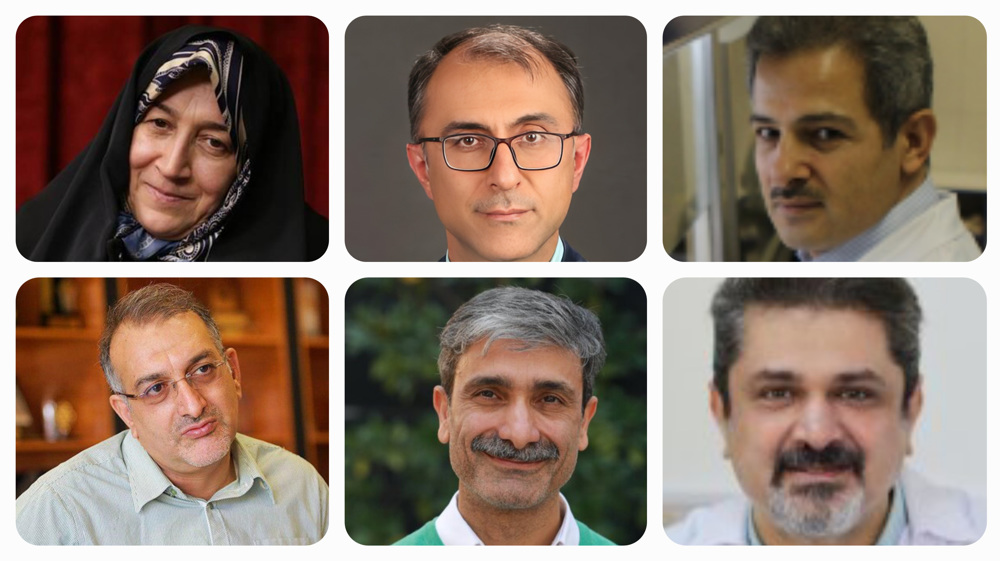
Among the Royan Institute’s achievements, six of its researchers were included in the list of the world’s most highly cited scientists in the latest 2026 assessment.
The institute has maintained a strong presence on the list in recent years, with five researchers recognized in 2023, four in 2024 and five in 2025. The number rose to six in the latest assessment.
“These are positive and promising developments that have fortunately come to fruition and have also gained international recognition. The institute has been able to disseminate its achievements and publish the results of its work at both the national and international levelsm” said the institute head.
He added that the institute has maintained its activities in education and research, with the aim of translating more of its scientific achievements into medical treatments.
“We are grateful that the Royan Research Institute has been able to continue its activities in education, research and the provision of specialized services. We pray that these difficult days will soon pass and that the institute will be able to accelerate its efforts, intensify its work and bring many of these achievements to the treatment stage, making their benefits tangible for our people,” Dr. Shahverdi said.
He maintained that despite the hardships Iran endured during the US-Israeli wars of aggression, the Royan Institute did not stop its scientific activities and continued its research work.
“What I want to emphasize is that progress has not stopped. Despite all the problems, difficulties and various challenges, this path has continued. These dark and difficult days, too, shall eventually pass,” he told the Press TV website.
“Those who continue to work and make an effort will hold their heads high in honor. Those who fail to take action will have to answer to their own conscience and to society in the future.”
Progress in infertility treatment and stem cell research
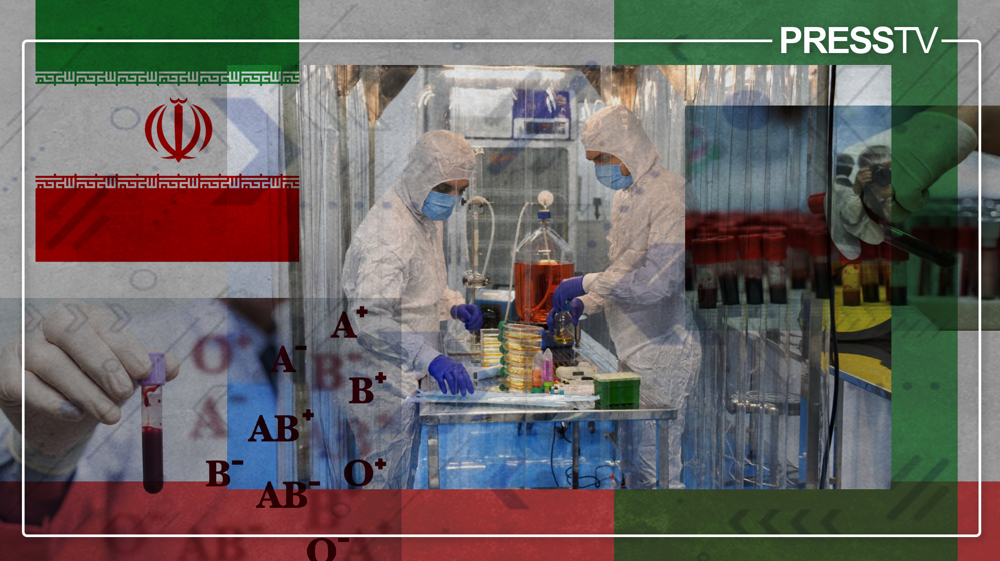
Turning to the institute’s work in reproductive medicine, Dr. Shahverdi said Iran has become one of the leading countries in the world in infertility treatment.
“In the field of infertility treatment, we have fortunately made considerable progress and undertaken valuable initiatives across various areas. Today, we are among the leading countries in the field of infertility treatment,” he said.
Dr. Shahverdi noted that the institute has been working on fertility preservation for about a decade, adding that the challenges associated with urban lifestyles and other difficulties have made fertility preservation an increasingly important field.
“In this area, we have been able to offer hope for the future to a group of patients whose lives and reproductive potential are genuinely affected by these circumstances. We have made significant progress, conducted valuable research and even established and launched a dedicated center under the same name,” he stated.
Dr. Shahverdi also pointed to progress in stem cell research, noting that several projects previously conducted in laboratories or on animal models have now advanced to a stage where they could be evaluated in human clinical trials.
“In the field of stem cell research, much of the work that we previously conducted as preclinical research using animal models or at the laboratory level has now advanced to the stage of human clinical trials. We are currently carrying out research activities at this level,” he said.
“Promising developments have taken place in this area, and I hope that by the end of the year, we will be able to share the results of some of these projects, particularly those that are currently in phase I or phase II clinical trials, with our people.”
 This makes it easy to access the Press TV website