

Iran’s ambassador to the United Nations has warned against the weaponization of artificial intelligence (AI) and its use to fuel aggression, citing its deployment during the two US-Israeli wars of aggression against Iran in June 2025 and February 2026.
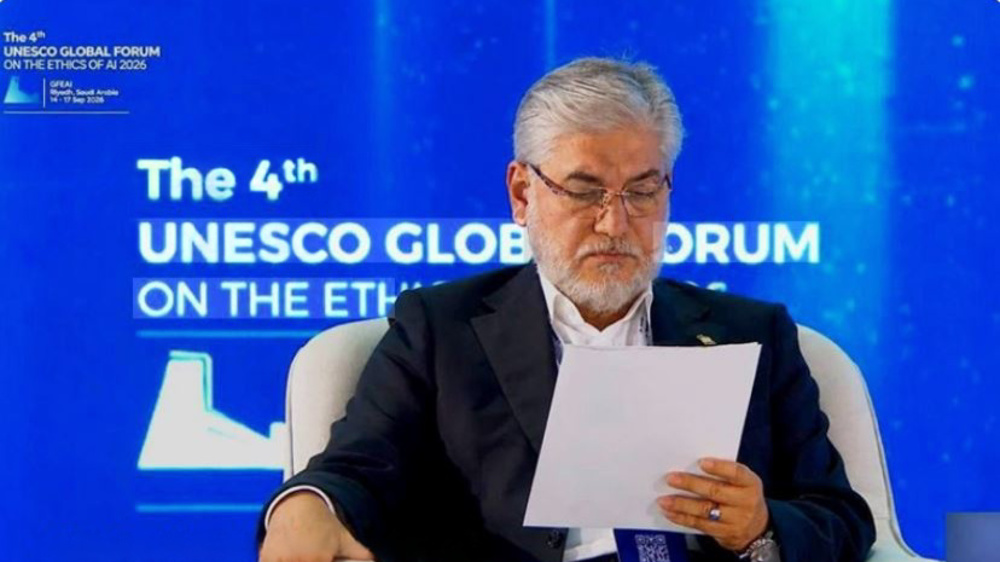
Speaking at a UN Security Council meeting on Tuesday, Gholamhossein Darzi said rapid technological advances are changing the nature of warfare while increasing the risks of escalation, miscalculation and civilian casualties.
“Technology must serve humanity and be used exclusively for peaceful purposes, not aggression, domination or violations of state sovereignty,” he said.
Darzi warned that the use of AI as an instrument of aggression and conflict escalation raises serious concerns, particularly in light of reports detailing the deployment of advanced AI systems during the US-Israeli aggression against Iran.
He said reports reveal that the United States used advanced systems, including Palantir's Maven and Anthropic's Claude, during its February 28 aggression against Iran to analyze intelligence, identify and prioritize targets, and provide strike coordinates.
On March 11, 2026, the commander of US Central Command (CENTCOM) publicly confirmed the use of advanced AI tools during the aggression against Iran, Darzi added.
He further referred to a June 15, 2026 Pentagon court filing that acknowledged the use of AI during the US aggression.
According to the Iranian envoy, the filing confirmed that Grok, through the Pentagon's Maven Smart Systems, enabled US forces to deploy more than 2,000 munitions against 2,000 separate targets within 96 hours.
Darzi said these acknowledgements must be viewed alongside explicit threats made by US officials, which provid serious grounds for concern over the intention to commit war crimes.
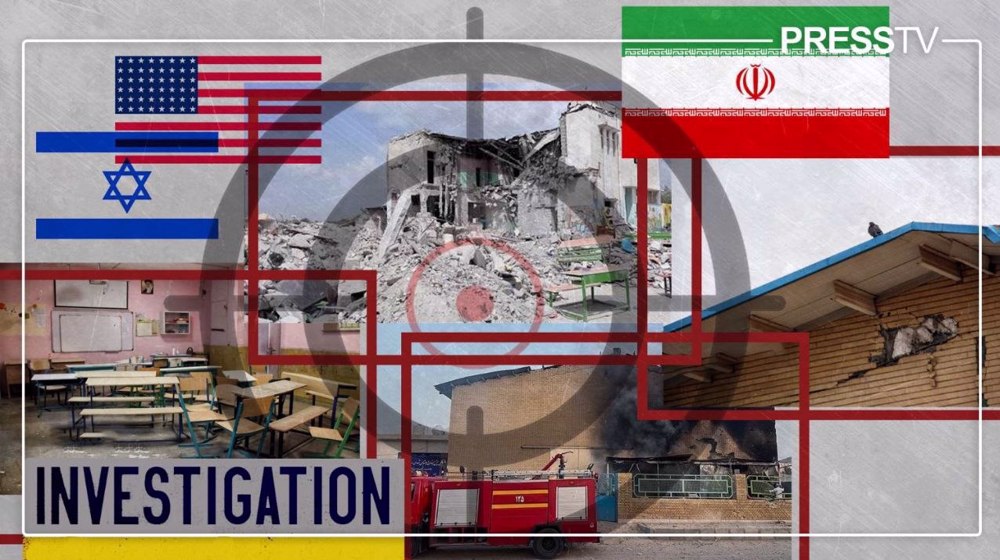
He particularly cited the US secretary of war's March 13 declaration that there would be “no mercy, no quarter for Iranians,” as well as the attack on the Minab school, where scores of children and teachers were killed.
“The human cost of the US-Israeli aggression is devastating,” he said, putting the death toll at more than 5,000 Iranians, including at least 254 children and 251 women, with another 34,000 injured.
The Iranian envoy stressed that neither advanced technology nor the involvement of private companies can shield Washington or the Israeli regime from accountability for violations of international law.
“Those responsible for atrocious crimes against the Iranian people, including deliberate attacks against civilians and civilian objects, must face individual criminal accountability,” he said.
He added that the United States is legally obligated to provide full reparation for the damage caused by its internationally wrongful acts, including restitution and compensation.
“Iran reserves its rights to pursue all available legal avenues to secure justice, accountability and full reparation,” Darzi stated.
Turning to the international governance of artificial intelligence, he said the security and military dimensions of the technology must be addressed within the UN framework through intergovernmental processes involving all states.
“Processes conducted outside the United Nations cannot provide a universally legitimate basis for international governance,” he said, emphasizing the need for equal and meaningful participation by all countries, particularly developing nations.
Darzi also stressed that any international framework governing AI must balance security considerations with developing countries' legitimate right to access and benefit from these technologies on equal terms, free from discrimination, politicization and double standards.
At the meeting, the Iranian envoy also rejected allegations made by Bahrain's representative concerning the situation in the Persian Gulf region.
“These allegations constitute a cynical attempt to distort the facts, misrepresents Iran's defensive measures, and deliberately conceal their undeniable role in facilitating and enabling the ongoing US aggression against Iran,” he added.
 This makes it easy to access the Press TV website