

Governor of the Central Bank of Iran (CBI) Abdolnaser Hemmati dismisses US predictions of Iran’s economic collapse as an “illusion,” saying the country can sustain imports beyond the end of US President Donald Trump’s term despite Washington’s economic pressure campaign.
Hemmati made the remarks in a post on his Telegram channel on Friday after a televised interview with Bloomberg on the sidelines of last week’s annual meetings of the International Monetary Fund (IMF) and the World Bank.
He said the US had promised to bring about Iran’s economic collapse within two weeks through its Operation Economic Outcast campaign and tightening of the blockade, but had failed to achieve its main objective despite imposing heavy economic pressure on the Iranian people, proving that the idea was "nothing but an illusion."
He noted that he had also raised the issue in an address to central bank governors from the West Asia, North Africa and Central Asia.

On August 24, the United States unveiled the new wave of illegal sanctions against Iran under the so-called “Operation Economic Outcast,” threatening secondary penalties against any country or entity maintaining trade ties with Tehran in a failed attempt to achieve through economic coercion what its military aggression could not.
US Treasury Secretary Scott Bessent announced the new "economic terrorism" campaign, absurdly comparing it to the D-Day Normandy landings of World War II.
Bessent said the measures target Iran’s financial networks worldwide and warned that no partner is beyond Washington’s reach.
Asked about the CBI’s foreign reserves, Hemmati said, they remained in “good condition”, and rest assured that Iran can supply the country's imports until the end of Trump's presidential term and beyond.
The Iranian chief banker further said inflation, which had accelerated sharply in the country following the US-Israeli 40-day war, moderated during the three months leading up to September.
Hemmati explained that a supply shock in the real sector, caused by damage to infrastructure and two industrial facilities, was one of the two main reasons behind the surge in inflation in the spring, noting that the damaged facilities have since returned to production.
He also noted that inflationary expectations on the demand side constituted another major factor behind the rise in inflation, emphasizing that the Central Bank of Iran had partly contained these expectations through its monetary policy instruments.
Regarding declining oil revenues, the CBI chief said oil income did not account for a major share of the government budget.
The Iranian government was determined to cover its budget deficit through other rial-denominated sources, including asset sales, necessary reforms in the energy sector and exports of petroleum products, he added.
He emphasized that Iran was still receiving revenues from oil exports and had made the necessary arrangements to ensure their continuation.
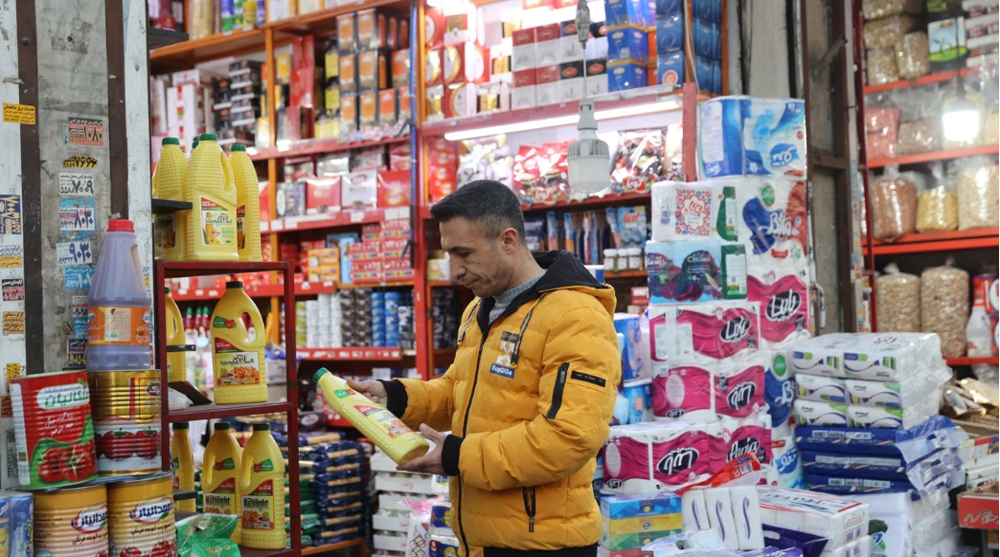
Hemmati also stressed the need to compensate for the decline in people’s purchasing power, highlighting the provision of subsidized commodity vouchers and gradual increases in their rial value for low-income households.
The United States and the Israeli regime waged their illegal war of aggression against Iran on February 28. However, forty days later, on April 8, the enemies were forced to accept a ceasefire amid Iran’s brave resistance and successful retaliatory operations.
On June 17, Tehran and Washington signed the 14-point Islamabad memorandum of understanding (MoU), which called for an end to hostilities, the reopening of the Strait of Hormuz and further negotiations toward a final agreement.
However, Washington violated all provisions of the understanding, prompting Iran to deliver a firm response.
 This makes it easy to access the Press TV website