
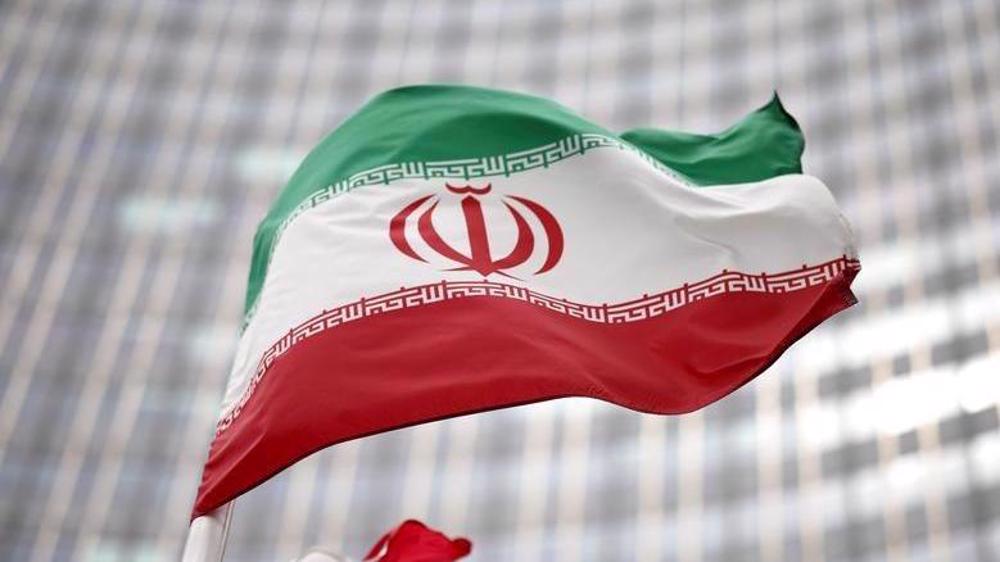
Iran’s High Council for Human Rights has called on the international community to take immediate measures to remove obstacles to the supply of medicines in Iran, warning that economic sanctions and restrictions are undermining access to essential healthcare, particularly for vulnerable patients.
In a statement on Monday, the council condemned economic sanctions and restrictions that have widespread humanitarian consequences, expressing serious concern over the impact of economic and maritime blockades on patients and other vulnerable groups, particularly following the recent war against Iran.
“The continuation and intensification of restrictions that disrupt medicine supply chains, impede the transfer of raw materials and medical equipment, increase treatment costs, and reduce patients’ access to life-saving medicines have raised serious humanitarian and human rights concerns,” the statement said.
The council noted that reports and evidence published in recent months point to growing medicine shortages, sharp price increases for certain pharmaceutical products, and increasing difficulties for patients with serious and chronic illnesses.
It stressed that cancer patients, as well as people suffering from thalassemia, hemophilia, multiple sclerosis, treatment-resistant epilepsy, rare diseases, and other chronic conditions, are among the groups most vulnerable to disruptions in medicine supplies and healthcare services.
“For these patients, delays in receiving medication, interruptions to treatment, or the inability to obtain specialized medical equipment and supplies may lead to serious deterioration in their health, irreversible complications, and, in some cases, a direct threat to their lives,” the statement added.
The council also warned that the consequences of sanctions and economic restrictions have worsened amid disruptions to transportation routes and increased medical needs resulting from the recent war.
The council further warned that restrictions imposed during armed conflict must comply with applicable international humanitarian law, including rules protecting civilians, patients, and wounded people and facilitating the passage of humanitarian assistance.
It called on the United Nations, the Office of the UN High Commissioner for Human Rights, the World Health Organization, relevant special rapporteurs, the International Committee of the Red Cross, and other international bodies to independently investigate the humanitarian consequences of sanctions and the economic blockade against Iran and take urgent action to address existing obstacles.
The council also urged the establishment of secure and sustainable financial and banking channels for humanitarian transactions and the facilitation of medical supplies and raw materials.
“No patient should be deprived of medicine essential to preserving their life or preventing serious harm to their health because of their nationality, place of residence, or political disputes beyond their control,” the statement noted.
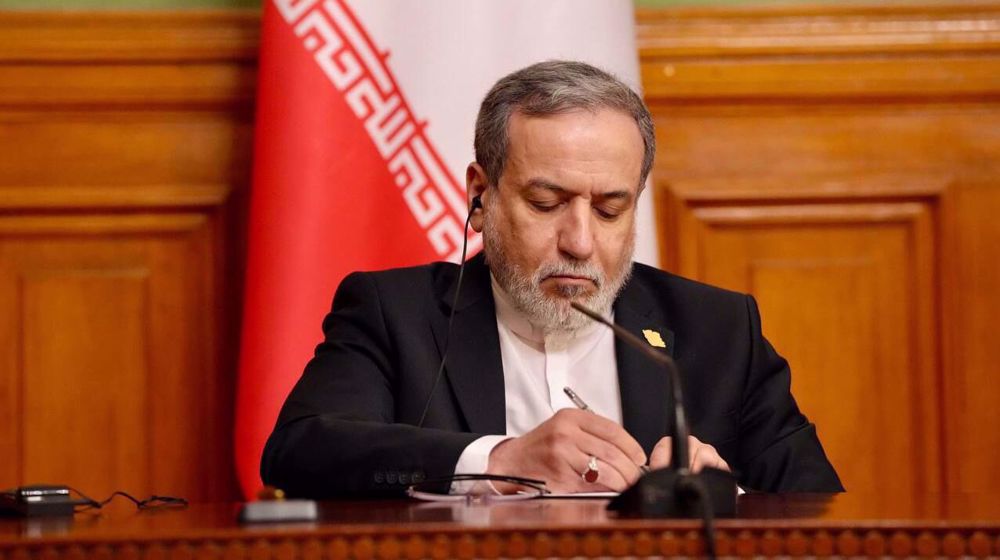
The United States under President Donald Trump reinstated harsh sanctions on Iran after unilaterally walking out of the 2015 nuclear deal in May 2018, despite Iran’s full compliance with the terms of the agreement.
The sanctions have been choking up the financial channels that could be used for providing Iran with essential medicine, materials, or medical equipment.
In August, after failing to achieve its objectives through war, the US Treasury imposed harsher sanctions against Iran, in what Tehran denounced as “economic terrorism.”
Although Washington and its Western allies claim that humanitarian goods were exempted from sanctions, tens of thousands of patients in Iran have, over the years, died or developed critical ailments due to the unavailability of essential drugs.
 This makes it easy to access the Press TV website