
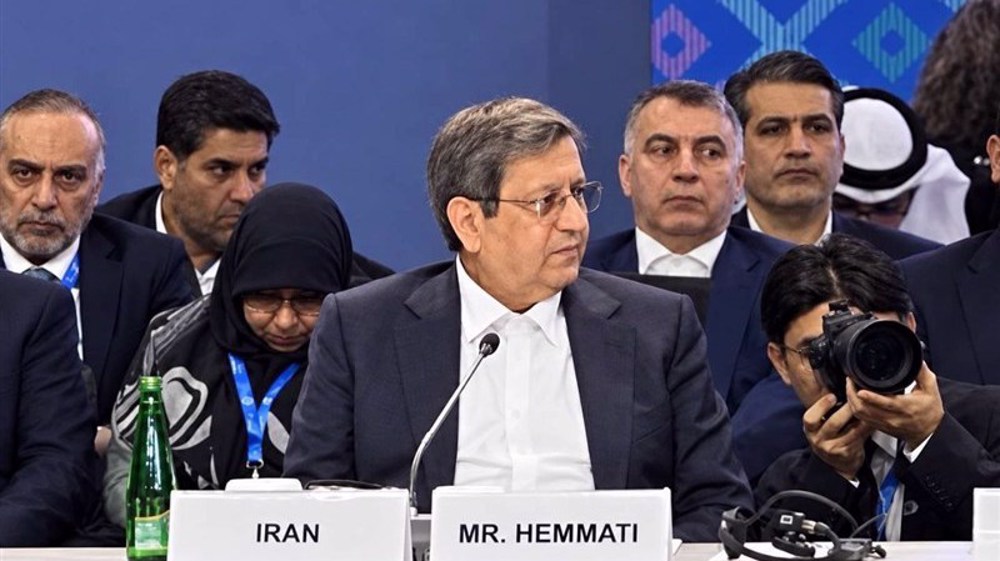
Governor of the Central Bank of Iran (CBI) Abdolnaser Hemmati has rejected claims that the country’s economy is collapsing, stating that it has remained resilient despite extensive US sanctions and the economic consequences of the US-Israeli aggression.
Speaking at the International Monetary Fund’s annual meetings in Bangkok on Wednesday, Hemmati said Iran has withstood considerable economic pressure.
“Claims that Iran’s economy is collapsing are nothing more than an illusion,” he said, according to a statement released by the Central Bank of Iran’s public relations office.
Hemmati outlined the central bank’s main priorities as controlling inflation, stabilizing inflation expectations, maintaining financial stability and ensuring the continued operation of banking and payment systems.
He said the central bank has played an important role in preserving economic stability despite US sanctions and other economic pressures.
Its efforts, he added, include supplying foreign currency for essential goods and medicines and curbing the acceleration of inflation.
The central bank chief also highlighted Iran’s commitment to monetary discipline, stronger policy frameworks, and addressing macroeconomic imbalances.
However, he said that the effectiveness of the measures should be assessed in light of external shocks and financial restrictions that limit the government’s room for economic policymaking.
Hemmati also warned that continued instability in the region is affecting energy markets, transportation, trade, and investment.
He said lasting stability required respect for national sovereignty and legitimate security concerns, alongside cooperation based on mutual responsibility and shared interests.
Against this backdrop, he called on the IMF to respond more actively to regional developments, in line with its mandate to strengthen international monetary cooperation and oversee the effective functioning of the international monetary system.
He further urged the fund to give greater consideration to the economic consequences of conflict, sanctions, and restrictions on international payments in its bilateral and multilateral surveillance activities.
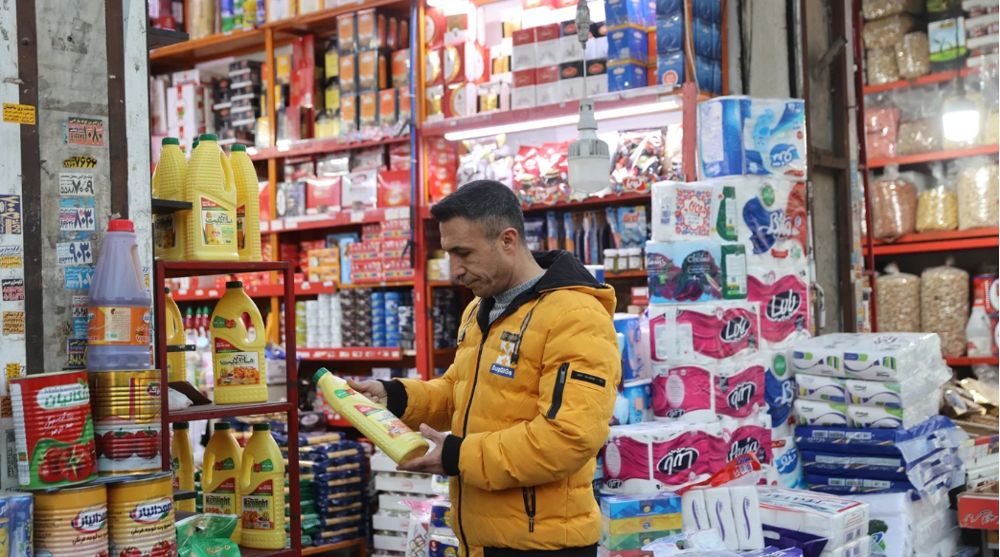
According to Hemmati, the IMF should examine these factors with the same level of scrutiny it applies to countries’ domestic economic policies.
He also called for consistent analytical standards across all member states and more active dialogue among them on measures to mitigate the effects of such pressures.
Following the failure of its military objectives, the US has leaned heavily on a naval blockade of Iranian oil and a new wave of sanctions targeting Iran’s military supply chain and financial facilitators.
US officials, including Treasury Secretary Scott Bessent and Secretary of State Marco Rubio, have repeatedly pushed a narrative that Iran is heading toward an economic “cataclysm,” insisting that Tehran will be forced to capitulate ahead of the US midterm elections in November.
However, Iran’s leadership has dismissed these projections as delusional propaganda.
 This makes it easy to access the Press TV website