

The United States is facing fierce domestic and international condemnation over a Pentagon proposal to livestream the execution of Nidal Hasan by military firing squad, a move human rights advocates warn would amount to a breach of absolute prohibitions against torture.
The execution of Hasan, scheduled for December 3 at Fort Hood, Texas, would mark the first time the US military has used a firing squad since the end of World War II in 1945.
The controversy, however, centers on War Secretary Pete Hegseth’s insistence that the lethal event be broadcast to the public.
"People need to understand that... there's serious consequence for these types of things," Hegseth said in a video posted to official Pentagon social media accounts.
Invoking a militaristic nostalgia, he added that he favors the "mentality we had in World War II," where the US understood how to stand its ground against enemies.
Hegseth later affirmed the livestream plan by replying "Correct" to a media report detailing the broadcast.
The proposal has sparked a rare wave of bipartisan and global outrage, with critics comparing the planned broadcast to the practices of the very groups Washington claims to oppose.
Representative Austin Scott, a Republican ally of President Donald Trump, argued that while Hasan deserves to be executed, "livestreaming executions is what jihadists do. America is better than that."
US war secretary says the execution of a former army major by firing squad will be livestreamed to the public.
— Highlights (@highlightsnews1) October 9, 2026
Follow: https://t.co/gqNNnUKNvy pic.twitter.com/LqOOcwLr0G
Similarly, Democratic Senator Mark Kelly questioned the optics of the stunt, stating that public executions are "the kind of thing Iran and the Taliban do," and asking, "Is this who we want to be associated with?"
Amid the mounting backlash, Vice President JD Vance attempted to walk back the certainty of the broadcast.
While Vance described Hasan's 2009 attack as the "worst terrorist attack on American soil outside of 9/11," he cast doubt on whether the livestream would actually occur, adding that if it is broadcast, "I'm not going to be watching it."
President Trump endorsed the execution itself, calling Hasan a "maniac" who "deserves it," but conspicuously avoided commenting on the livestream proposal.
International human rights bodies were swift to condemn the plan.
The UN High Commissioner for Human Rights warned that "the livestreaming of an execution is tantamount to a public execution and would breach the absolute prohibition of torture."
Archbishop Paul Coakley, president of the US Conference of Catholic Bishops, denounced the proposal as a "barbaric promotion of a culture of death," while Amnesty International’s Justin Mazzola noted that the death penalty is inherently a human rights violation, and streaming it "would only compound the cruelty."
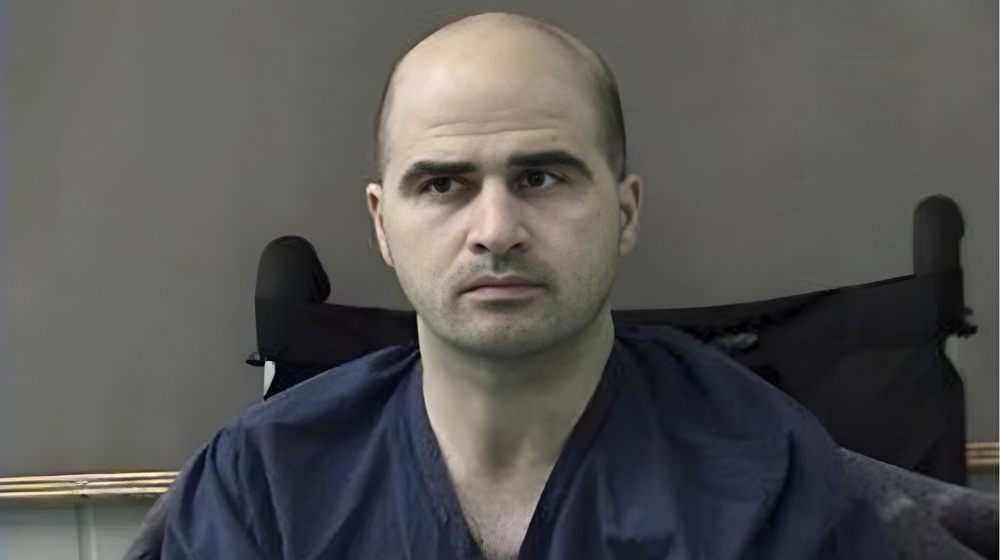
Hasan was sentenced to death by a military jury in 2013 after opening fire at Fort Hood, killing 13 people—12 of them soldiers—and wounding over 30 others.
During his trial, Hasan, who was paralyzed from the waist down by police gunfire during the attack, chose to represent himself.
He called no witnesses and made no attempt to deny the charges, leading court-appointed attorneys to express concern that he was actively seeking state-sponsored martyrdom.
The court was told that Hasan was deeply opposed to the US military’s occupations of Iraq and Afghanistan, and had communicated online with Anwar al-Awlaki, a radical cleric later killed in a US drone strike.
The furor over Hasan’s impending execution arrives at a time of heightened scrutiny regarding the US capital punishment system.
Just days prior, the state of Tennessee subjected convicted murderer Christa Pike to a botched and agonizing execution, further fueling domestic debates over the cruelty and systemic flaws of the American death penalty.
 This makes it easy to access the Press TV website