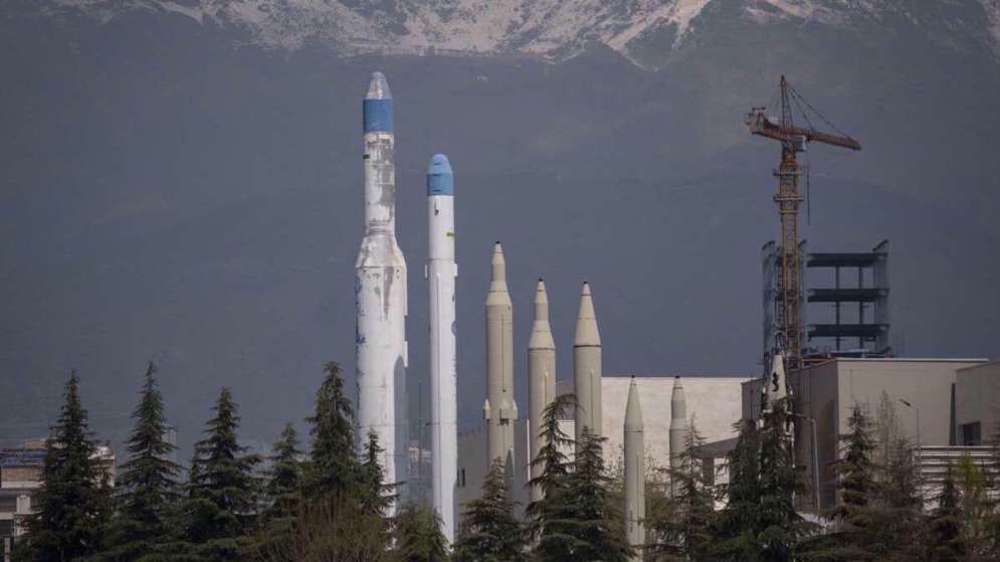
Iran plans to place three satellites from the 24-satellite Martyr Soleimani constellation into orbit by the end of the current Iranian year (ending March 20), Minister of Information and Communications Technology Sattar Hashemi said.
Speaking at a ceremony marking World Space Week on Sunday, Hashemi said the three satellites are already ready for launch and would be placed into orbit later this year.
He added that their achievements and capabilities would be unveiled during Iran’s Fajr celebrations in February.
The minister further noted that the launch is part of Iran’s shift from developing individual satellites toward satellite constellations, which he said was aimed at meeting the country’s growing communications needs.
“Fortunately, this move, shifting from single satellites toward satellite constellations, is on the agenda,” Hashemi said.
He added that Iran is legally required to provide communications coverage to villages with more than 20 households, but establishing high-quality and reliable terrestrial networks in some remote and hard-to-reach areas could be time-consuming.
“For some hard-to-reach villages, providing high-quality and reliable terrestrial communications takes time, so we need to establish a space-based infrastructure,” Hashemi said.
He also said the satellite constellation would help Iran respond to its communications needs, particularly in areas where terrestrial infrastructure is difficult to establish.
The Martyr Soleimani constellation is an ambitious project comprising 24 satellites designed to provide narrowband communication services across the country.
The continuous deployment of indigenous satellites and the expansion of constellations such as Soleimani underscore Iran's determination to achieve self-sufficiency in space technology, secure its telecommunications infrastructure, and leverage orbital assets for domestic development despite years of international sanctions.
 This makes it easy to access the Press TV website