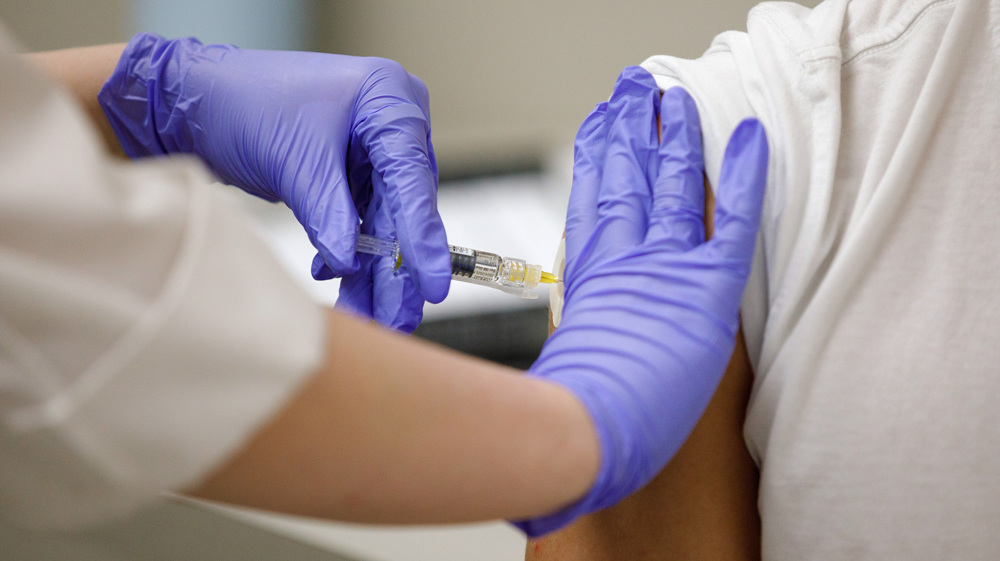
Iranian knowledge-based companies are making progress toward domestic production of pneumococcal and meningococcal vaccines, two vital immunization products that cost the country nearly $20 million in foreign currency imports last year.
Ensuring a stable supply of strategic vaccines and reducing reliance on foreign markets remain key priorities for Iran’s healthcare and pharmaceutical sectors.
Pneumococcal and meningococcal vaccines are particularly important because they protect against bacterial infections that can rapidly become life-threatening, especially among children and other high-risk groups.
Official figures show that Iran spent more than $15.9 million on the import of 637,978 doses of pneumococcal vaccine during the first six months of the previous Iranian calendar year (March–September 2025).
During the same period, Iran imported 256,197 doses of meningococcal vaccine, spending $4.53 million in foreign currency.
The figures highlight the significant foreign-currency costs associated with meeting domestic demand and the importance of developing local production capacity.
Domestic pneumococcal vaccine moves toward mass production
An Iranian biotechnology company has successfully localized the technical know-how required to produce the pneumococcal vaccine and has obtained the necessary regulatory approvals, according to the latest reports.
The vaccine has entered limited production, with the company currently holding a license to manufacture up to one million doses.
Plans have also been approved to expand production capacity to two million doses within the next two years, with support from Iran’s Vice Presidency for Science and Technology’s Biotechnology Development Council and the Innovation and Prosperity Fund.
The development is expected to help gradually reduce Iran’s reliance on imported pneumococcal vaccines and strengthen domestic capacity to meet the country’s immunization needs.
Pneumococcal vaccines protect against Streptococcus pneumoniae, a bacterium that can cause severe pneumonia, bacterial meningitis, sepsis and acute middle-ear infections, particularly among infants and young children.
‼️Domestically produced insulin to enter Iranian market for first time in January#IranFirsthttps://t.co/rau6zEGOkP
— Iran First (@IranFirst_PTV) September 29, 2026
Meningococcal vaccine advances to clinical trials
Iran has also made progress in developing a domestic meningococcal vaccine, which protects against Neisseria meningitidis, the bacterium responsible for meningococcal meningitis and meningococcemia, a potentially fatal bloodstream infection.
The disease can progress rapidly and, in severe cases, lead to permanent neurological complications, disability or death within a short period of time.
The vaccine is used not only for children but also for groups at higher risk of exposure, including pilgrims traveling to Saudi Arabia, religious pilgrims visiting Iraq, military personnel and healthcare workers.
Iranian researchers have successfully produced laboratory-scale samples of the vaccine. The domestically developed product has reportedly completed its research and development and preclinical stages and has now entered Phase I clinical trials.
The completion of the clinical phase and confirmation of the vaccine’s safety and immunogenicity could pave the way for its eventual incorporation into Iran’s national immunization system, further reducing dependence on imports and strengthening the country’s pharmaceutical self-sufficiency.
 This makes it easy to access the Press TV website