National Elites Day: Remembering Iranian scientists and academics martyred in two imposed wars
By Press TV Website Staff
On Friday, Iran marked National Elites Day, an occasion dedicated to honoring the country’s scientific and intellectual talents and recognizing the role of its brightest minds in advancing society.
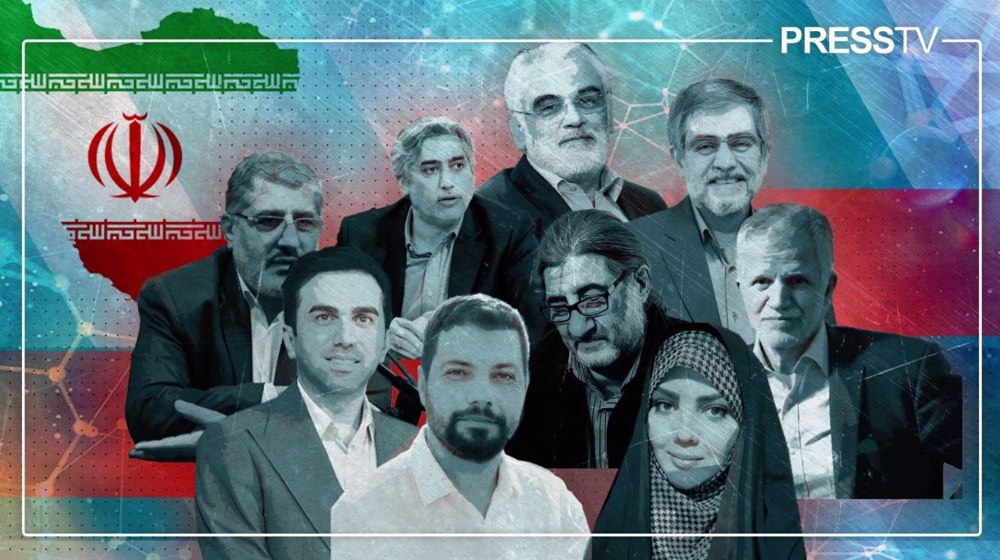
This year, however, it carries a deeper significance. Alongside celebrating the incredible achievements of Iran’s scientific elites despite war and sanctions, the country is also paying tribute to distinguished scientists and academics who were martyred during the 12-day and 40-day wars of aggression imposed on Iran by the United States and the Israeli regime.
Their assassinations have brought into sharp focus a reality that extends beyond laboratories, universities and research centers – in Iran, scientific progress has often been closely intertwined with a sense of responsibility toward the country and its people.
For some of the nation’s most accomplished scientists, knowledge has been more than a profession or an academic pursuit. It has been a means of contributing to Iran’s development, independence and future in the face of the cruelest sanctions and wars.
National Elites Day is observed in Iran on the birth anniversary of Dr. Mostafa Chamran, one of the country’s most prominent scientists and political figures. Chamran’s life brought together science, research, faith and a strong sense of social responsibility.
A physicist and electrical engineer who earned his doctorate from the University of California, Berkeley, Chamran later became involved in revolutionary activities, served as defense minister of the Islamic Republic, and played a prominent role during the 1980-1988 war imposed on Iran by Iraq’s Ba’thist regime. He was martyred in action in 1981.
The choice of Chamran’s birthday as National Elites Day reflects the multifaceted legacy associated with Iran’s scientific elite: individuals whose academic achievements were accompanied, in different ways, by a commitment to serving their society and country.
Dr. Mohammad Mehdi Tehranchi
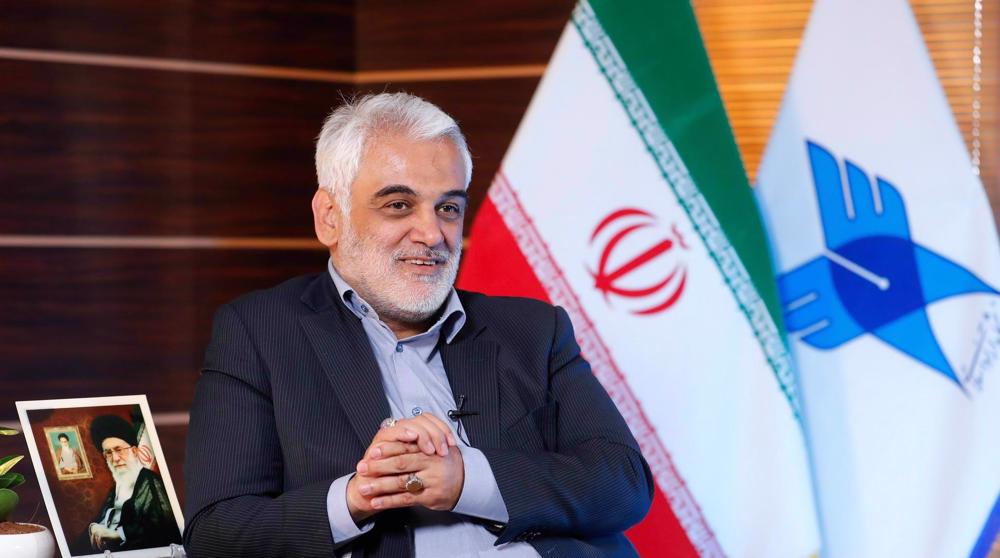
Dr. Mohammad Mehdi Tehranchi, one of the Islamic Republic’s most accomplished physicists and a leading figure in Iran’s higher education, was martyred in a terrorist attack carried out by the Israeli regime and the US in June 2025, during the 12-day imposed war.
Born in Tehran in 1965, Tehranchi devoted his life to scientific advancement, education, and nation-building. After earning his bachelor’s and master’s degrees from Shahid Beheshti University in Iran, he went on to obtain a PhD in theoretical physics from the Moscow Institute of Physics and Technology in 1997.
He rose rapidly through the academic ranks and was eventually recognized as a National Exemplary Professor.
A leading expert in advanced fields of physics, including Faraday rotation, molecular magnets, phase transitions, and Rydberg atoms, Tehranchi played a significant role in shaping Iran’s scientific and technological landscape.
He helped establish the Laser and Plasma Research Institute as well as the Faculty of New Technologies at Shahid Beheshti University.
The prominent physicist also served as Vice President for Research and Technology at Shahid Beheshti University for more than a decade before becoming president of Islamic Azad University in Tehran.
Tehranchi previously served as a scientific adviser to Astan Quds Razavi and the Expediency Discernment Council, vice chancellor for research at the Laser and Plasma Research Institute, and head of a photonics project at Iran’s Defense Industries Training and Research Institute.
Through his scientific research, academic leadership, and institution-building efforts, he contributed to Iran’s drive for greater scientific self-reliance and technological advancement.
Fereydoon Abbasi
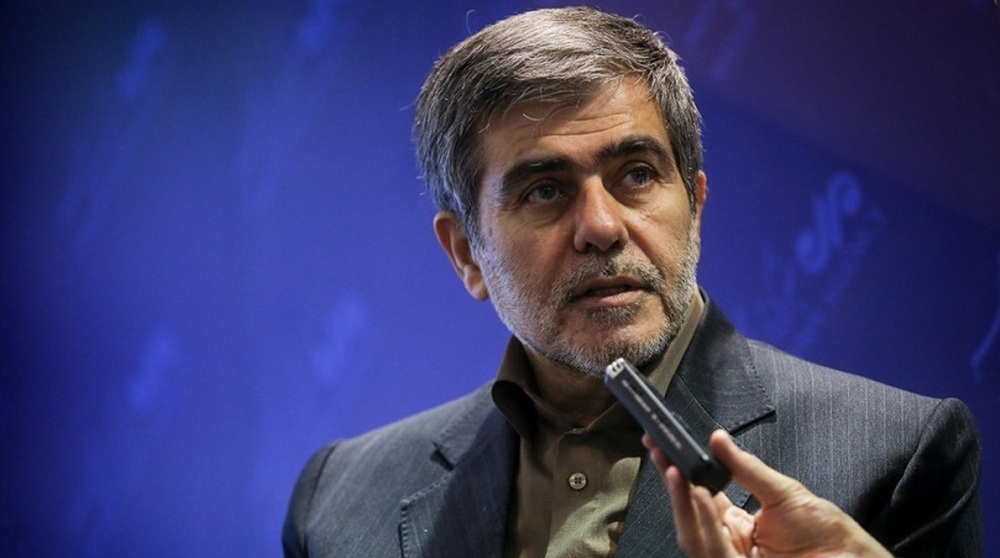
Dr. Fereydoon Abbasi-Davani, born in 1958 in Abadan, was a full professor of nuclear physics and one of Iran’s most prominent scientific and national figures.
He was also among the prominent Iranian scientists assassinated during the 12-day war.
Abbasi-Davani pursued higher education in nuclear physics at Shiraz University, Ferdowsi University of Mashhad, and Amirkabir University of Technology.
His scientific expertise encompassed sensitive and strategic fields, including nuclear physics, isotope separation, radiation dosimetry, particle accelerators, and plasma-focus systems.
One of the founders of the Iranian Nuclear Society, Abbasi held several senior academic positions, including head of the Faculty of Physics at Imam Hossein University and head of the Laser Research Center at Malek Ashtar Industrial University.
He supervised numerous MSc and PhD theses and authored more than 40 scientific papers in reputable journals. In recognition of his academic contributions, he received the National Exemplary Professor Award in 2007.
Beyond academia, Abbasi served as Vice President of Iran and Head of the Atomic Energy Organization of Iran from 2011 to 2013.
During his tenure at the AEOI, he played a significant role in the development of Iran’s nuclear program.
Because of his prominent role in Iran’s nuclear activities, Abbasi was placed under UN Security Council sanctions in 2007.
In November 2010, he survived an assassination attempt in Tehran involving a magnetic bomb. The attack coincided with the assassination of another Iranian nuclear scientist, Dr. Majid Shahriari.
Abbasi remained on US and Western sanctions lists over his key contributions to Iran’s nuclear technology development. His legacy remains closely associated with Iran’s scientific and nuclear development, both as a researcher and as a national scientific leader.
Seyed Amir Hossein Feqhi
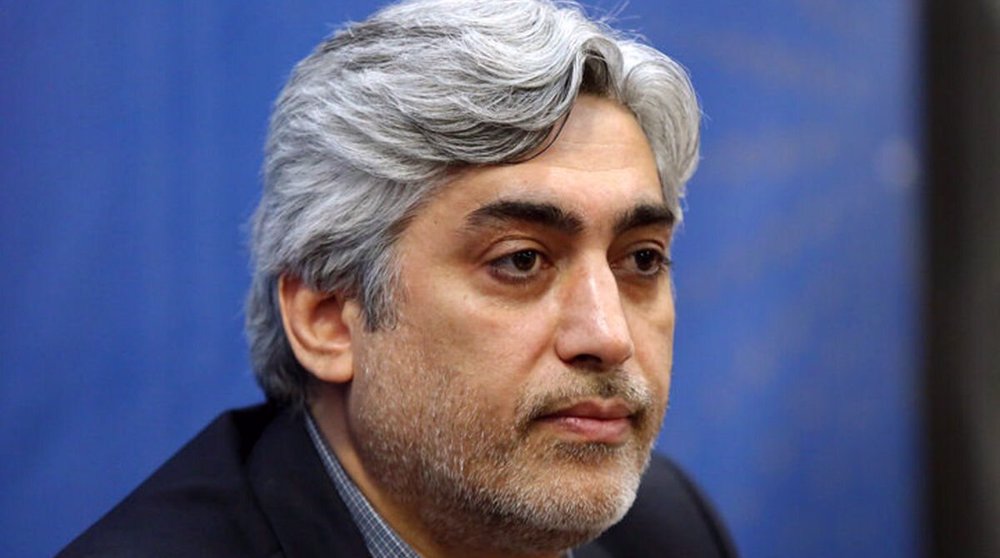
Dr. Seyed Amir Hossein Feqhi was a pioneering nuclear engineer and a leading expert in radiopharmaceuticals.
He was assassinated when a missile fired by the Israeli regime and the US struck a residential neighborhood in Tehran during the 12-day Israeli war against Iran.
Widely recognized for his contributions to peaceful nuclear technologies and radiation-based medical applications, Feqhi began his academic career at Urmia University in West Azarbaijan province, where he earned a bachelor’s degree in physics, specializing in nuclear physics, in 2000.
He later pursued advanced studies at Amirkabir University of Technology in Tehran, earning a master’s degree in nuclear engineering, with a specialization in energy, in 2003. He completed his PhD in the same field in October 2008.
Feqhi was a professor of nuclear engineering at Shahid Beheshti University in Tehran and served on the editorial boards of several scientific journals.
He also served as a special assistant and adviser to the president of the Atomic Energy Organization of Iran, contributing to research, education, and management within the country’s nuclear sector.
His contributions to the industrial and technological development of radiation sciences in Iran were extensive.
Among his notable achievements was the development of private-sector gamma irradiation facilities in Iran. These facilities provide sterilization services for medical products, food, and agricultural goods, contributing to the country’s healthcare infrastructure and food security.
Feqhi also developed radiation-based diagnostic techniques that use gamma rays for nondestructive testing and the detection of defects in materials including polymers, gemstones, and semiconductors.
Building on the work of scientists such as Feqhi, Iran has made significant advances in radiopharmaceutical production and nuclear medicine, emerging as a major regional center in these specialized fields.
Dr. Abdolhamid Minoocher
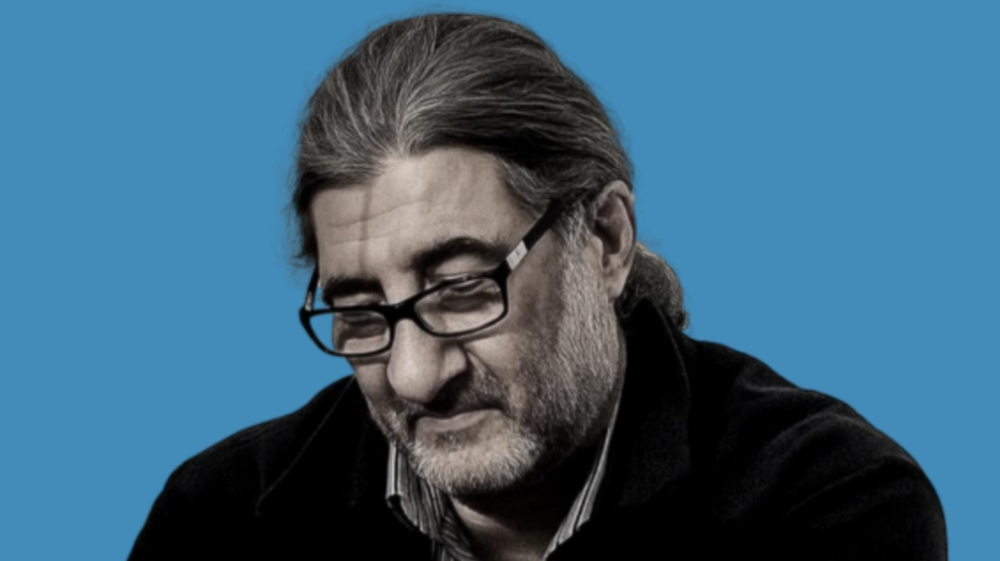
Dr. Abdolhamid Minoocher, born in 1962, was a distinguished nuclear engineer who earned his PhD in Moscow and was martyred in an Israeli-US attack on his home in June 2025 during the 12-day war.
After returning to Iran, he joined the faculty of Shahid Beheshti University, where his expertise included reactor physics, nuclear simulation, and advanced nuclear fuels.
He conducted extensive research aimed at improving the efficiency and safety of nuclear power plants and published numerous scientific papers in leading national and international journals.
As head of the Faculty of Nuclear Engineering at Shahid Beheshti University, Minoocher played a significant role in shaping its academic and research programs.
Through his academic expertise and dedicated leadership, he helped lay the groundwork for training a new generation of specialists for Iran’s nuclear industry.
His contributions to Iranian academia earned him numerous honors, including the National Exemplary Professor Award, the title of Top Researcher at Shahid Beheshti University, the First-Class Scientific Medal from the President of Iran, and the Allameh Tabataba’i Award for Best Academic Book.
Dr. Ahmad Reza Zolfaghari
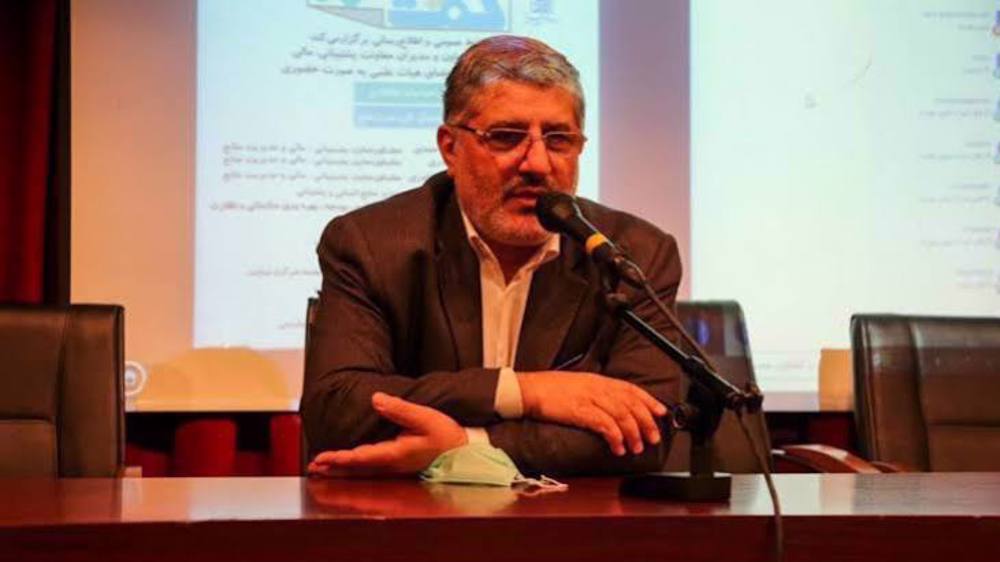
Dr. Ahmad Reza Zolfaghari was a distinguished professor and leading academic at the Faculty of Nuclear Engineering at Shahid Beheshti University.
He was also martyred in an Israeli-US attack on his home during the 12-day war in June last year.
Throughout his career, he held both academic and managerial positions and made significant contributions to education and research in nuclear science.
His work focused in particular on strategic and vital areas related to the advancement of nuclear technology, reflecting his commitment to scientific research and national technological development.
Alongside his academic work, Zolfaghari contributed to resource management and served as editor-in-chief of the Nuclear Energy Quarterly journal.
His published research covered areas including heavy concrete, lead, gamma radiation, and mechanical resistance.
He also participated in national strategic projects, contributing to Iran’s efforts to advance scientific and technical self-sufficiency and develop indigenous technological capabilities.
Dr. Majid TajenJari
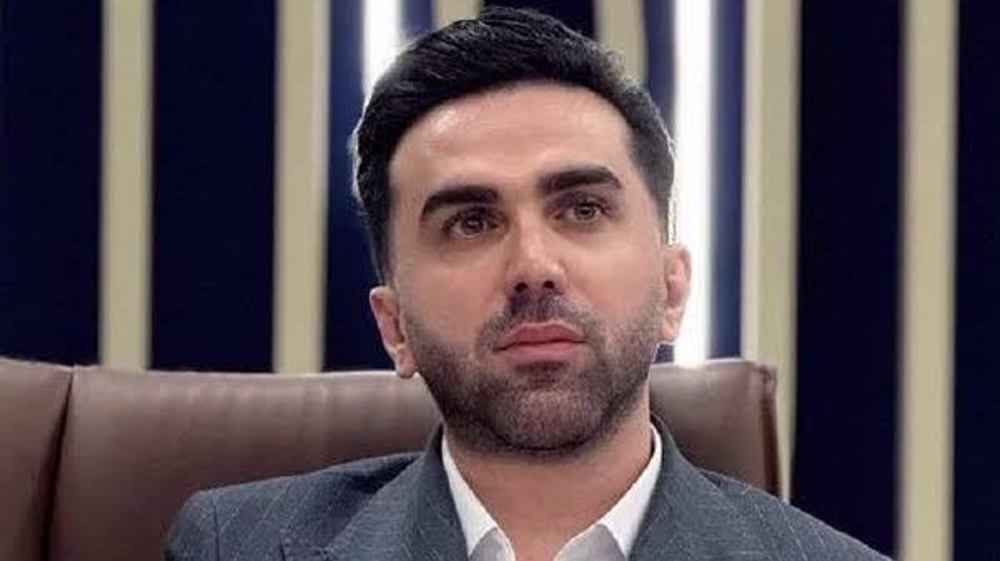
Dr. Majid TajenJari, 35, was a recognized expert in artificial intelligence who was killed in a US-Israeli bombing of his residence during the 12-day US-Israeli war of aggression.
His work focused on both invention and education. As head of the Artificial Intelligence Commission at the Youth Chamber of Commerce of Iran, he was involved in the development and promotion of AI technologies in the country.
TajenJari’s academic career was marked by a strong focus on artificial intelligence and robotics. He completed his master’s thesis on fingerprint recognition using neural networks before pursuing doctoral research on the development of a bilingual humanoid robot capable of speaking both Persian and English.
His research combined software engineering with an emphasis on human-centered applications of artificial intelligence.
His career was marked by a series of scientific achievements. He won gold medals at the 2012 and 2015 world invention competitions, secured a global patent in Russia in 2009, and received multiple awards from Switzerland, Croatia, Germany, Serbia, and Moscow.
His inventions in facial-recognition image processing, cargo-container scanning, and steel-quality analysis were undergoing testing for industrial applications.
Dr. Mohammad Reza Zakarian
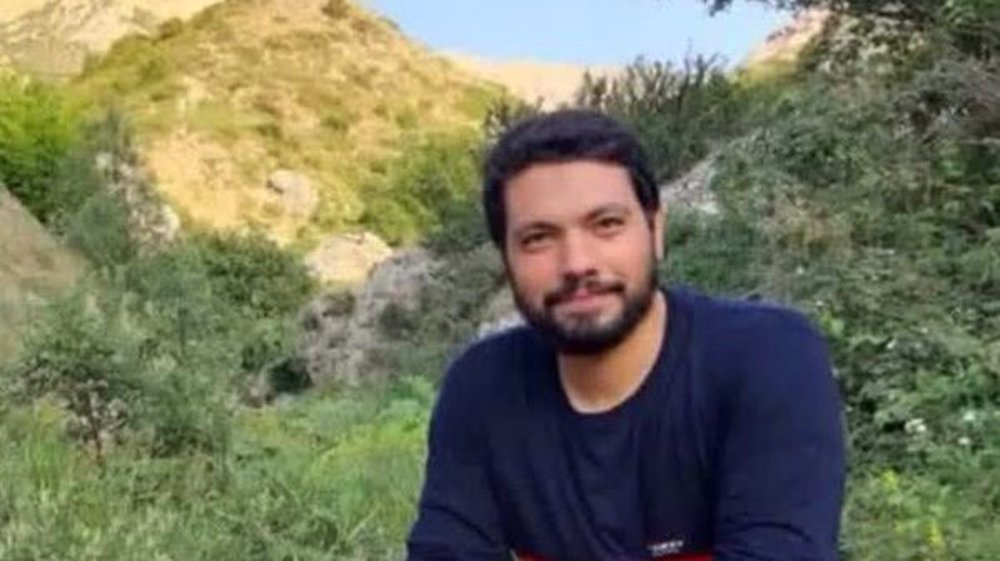
Dr. Mohammad Reza Zakarian, a young Iranian researcher in artificial intelligence, was killed in an Israeli-American bombing that also claimed the lives of his wife and their two daughters, aged five and seven, during the 12-day war.
Zakarian earned his bachelor’s degree from Isfahan University of Technology and later obtained a master’s degree from Malek Ashtar University, both institutions known for their focus on science and technology.
According to his father, Mohammad Hossein Zakarian, he had turned down several opportunities to leave Iran, including offers of scholarships and employment abroad.
He ultimately chose to remain in Iran and continue his scientific work in his home country.
Mahsa Taheri

Mahsa Taheri, 32, was among the Iranian scientists killed during the 40-day US-Israeli war on aggression against Iran launched on February 28.
For ten days after her martyrdom in a US-Israeli strike on Tehran, her family could not confirm that the remains recovered from the seventh floor of the targeted residential building belonged to her.
The destruction caused by the strike was so extensive that her remains were unrecognizable even to those who knew her. Her identity was ultimately confirmed through DNA testing.
Born in Arak in central Iran in 1993, Taheri earned her bachelor’s degree in her hometown before pursuing a master’s degree in Zanjan. She later moved to Tehran to pursue a PhD at Tarbiat Modares University, where she combined university teaching with specialized research in missile technology.
Her academic achievements were reflected in the certificates and awards she accumulated throughout her career.
Taheri had received invitations from foreign countries, including Norway, and had at one point considered emigrating in hopes of providing a better life for her family.
According to her family, however, her priorities gradually changed during the final two or three years of her life. She became increasingly devoted to her scientific work in Iran and developed a deeper attachment to her country and to the memory of those martyred in defense of it.
Among the belongings she left behind was a metal missile component bearing an inscription that read: “This missile component is for testing the radar-absorbing and heat-resistant layer. It is the first material developed by Mahsa Taheri and is more complete than its American counterpart.”
Iran’s Tabas UNESCO Global Geopark wins top two prizes in international competition
From 1980s to 2026: The legacy of Sacred Defense and transformation of Iranian defense doctrine
313,000-strong ‘Jan-Fada’ drill signifies Iran’s popular mobilization and social readiness amid war



The world is logging back into Iran’s coveted carpets
National Elites Day: Remembering Iranian scientists and academics martyred in two imposed wars
Emami, Azarpira add two more wrestling golds for Iran at Asian Games
Ground forces denied US opportunity for ground invasion: Army spox
National Elites Day celebrates knowledge, innovation and human capital driving nation's progress
Iran dismantles 4 US-Israeli-backed sabotage networks in Kerman province
VIDEO | Yemeni fighters advancing against Saudi forces
VIDEO | Press TV's news headlines


 PressTV NEWSLETTER
now
PressTV NEWSLETTER
now
 This makes it easy to access the Press TV website
