Man convicted of armed crimes executed in southwestern Iran
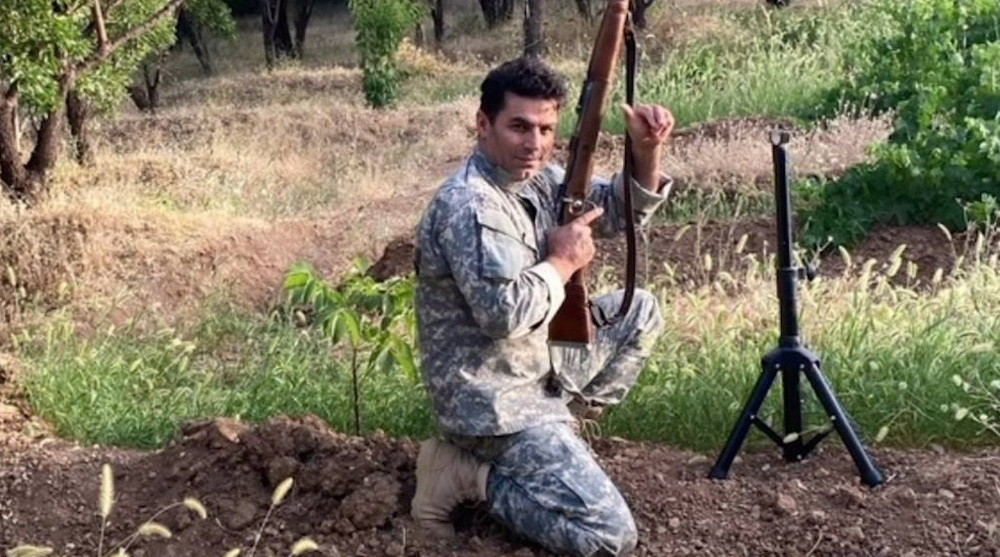
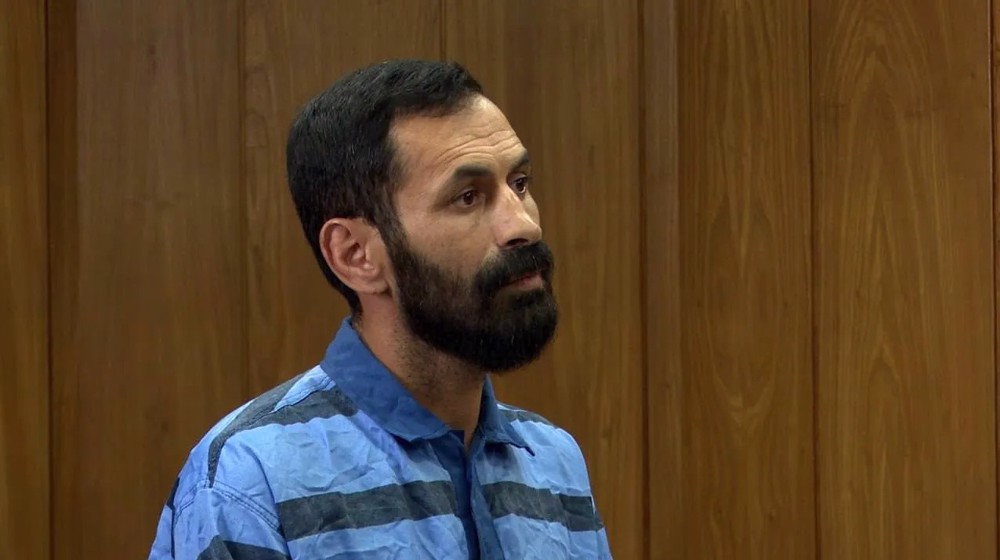
A repeat offender convicted of armed crimes and offenses against national security has been executed after his case was reviewed through legal proceedings and the verdict was upheld by Iran’s Supreme Court.
According to the Judiciary’s Media Center, Siavash Jamshidi Kheirabadi, based in Shahr-e Kord, southwestern Chaharmahal and Bakhtiari province, had a criminal record that included fraud, threats, theft, illegal possession of firearms, participation in kidnapping, assault, and threatening individuals with firearms.
He had also been convicted of firing a handgun near a seminary in Shahr-e Kord.
The Judiciary said Jamshidi was arrested two days after an incident in which shots were fired at police officers in Naser Khosrow Street in Shahr-e Kord amid Iran’s foreign-backed riots in January.
He was identified after the vehicle used to flee the scene was traced and was arrested while carrying a handgun.
An M4 rifle and two magazines were also recovered following his arrest.
According to the Judiciary, Jamshidi acknowledged during preliminary investigations that he had possessed firearms and fired at security forces.
Technical examinations of his mobile phone were also said to have revealed repeated communications concerning participation in the riots and the use of firearms.
The Judiciary said messages exchanged by Jamshidi showed that he had sought to organize activities during the riots and had offered payments of up to one billion rials for carrying out “a mission.”
Following the issuance of an indictment and court proceedings attended by his lawyer, Jamshidi was convicted of “moharebeh” (enmity against God) through the use and firing of a firearm, as well as assembly and collusion against national security.
The death sentence was subsequently upheld by the Supreme Court and carried out.
Peaceful protests began across Iran in late December last year over financial grievances, largely caused by the impact of US unilateral sanctions.
In the following days, government intervention and direct talks between President Masoud Pezeshkian and trade guilds helped ease tensions, bringing relative calm by early January.
The situation, however, escalated again on January 8 and 9, when the unrest intensified amid overt foreign interference, including statements by US President Donald Trump.
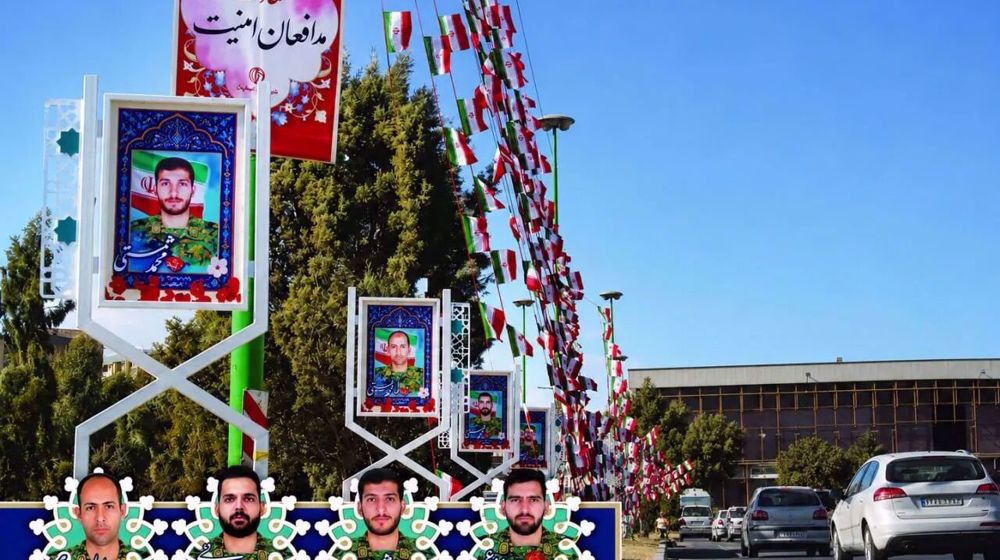
According to the Iranian Judiciary’s Media Center, the January 8-9 violence was part of a US-Israeli-backed “coup attempt” that caused widespread damage across the country and martyred thousands of civilians and security personnel.
Senior Shia cleric demands opening of all Iraqi airports to Iranian flights
Russia dismisses US call for Iran to abandon ‘inalienable right’ to nuclear program
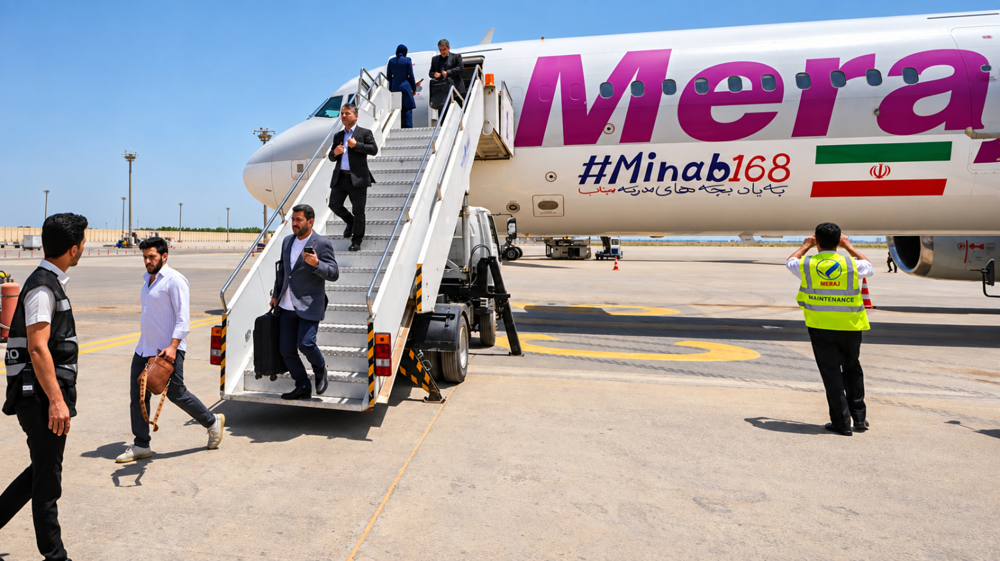
Iraq allows 40 daily Iranian flights to and from Najaf after protests over US sanctions



VIDEO | Yemeni fighters advancing against Saudi forces
VIDEO | Press TV's news headlines
VIDEO | Is Trump out of options in Iran?
Ex-Israeli PM slams Netanyahu over planning for war to postpone election
VIDEO | Israeli occupation, Palestinian Christians
VIDEO | France student protests
Yemen welcomes US troop pullout from Iraq as key step towards regional security
VIDEO | Albania's Epstein Island?


 PressTV NEWSLETTER
now
PressTV NEWSLETTER
now
 This makes it easy to access the Press TV website
