US military withdrawal from Iraq and the collapse of US-Israeli hegemonic project in West Asia
By Iqbal Jassat
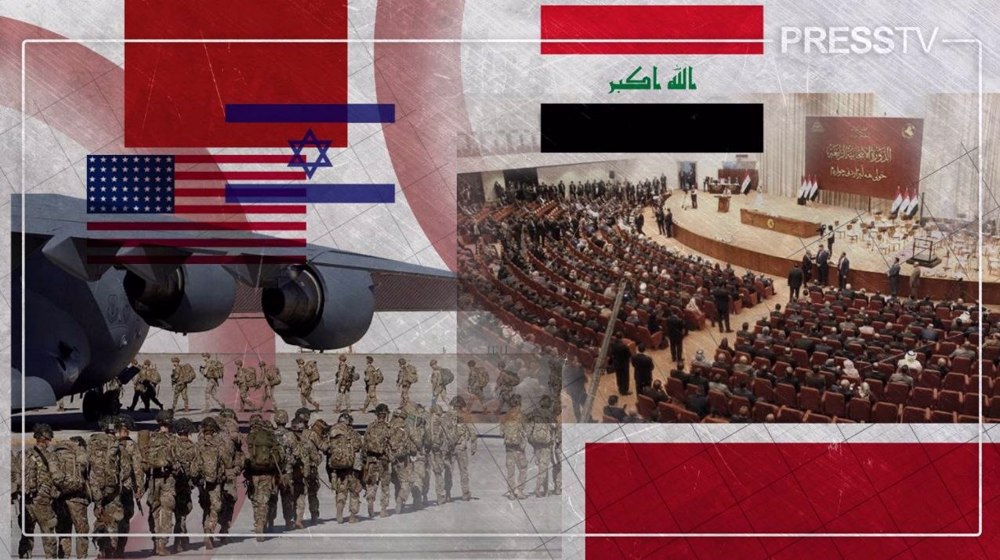
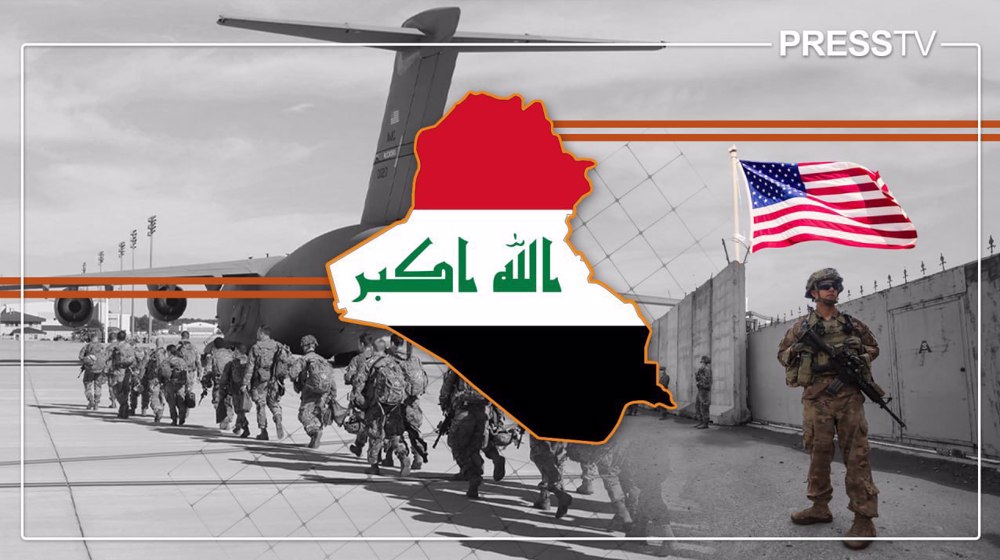
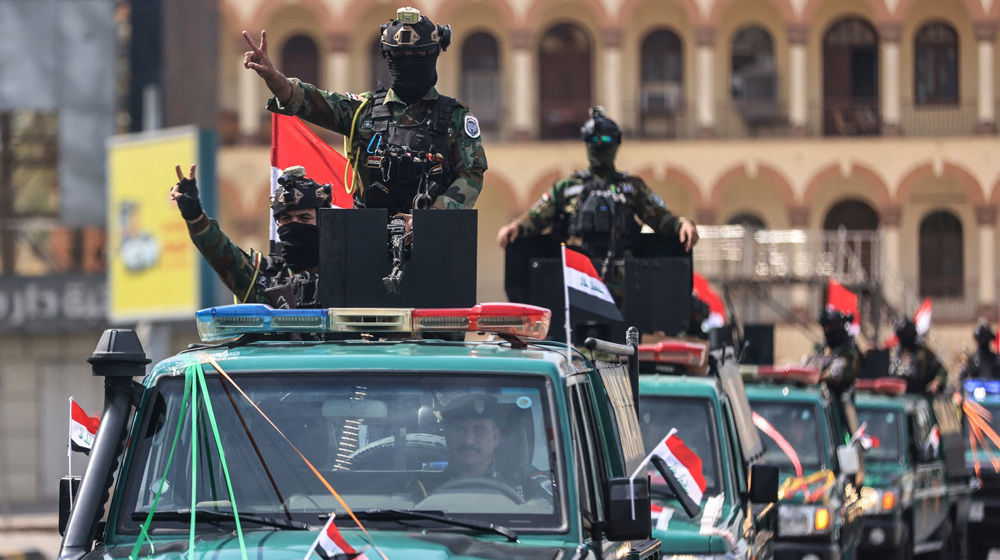
The departure of the final US military forces from Iraq marks a profound turning point in the modern history of West Asia.
For over two decades, the narrative of foreign intervention dictated that regional stability was impossible without Washington’s oversight. Today, that narrative lies broken.
The end of the US-led military mission is not the result of a benevolent diplomatic concession or a calculated policy shift by the Pentagon. It is, undeniably, a hard-fought victory achieved through the unyielding resolve of Iraq’s Islamic Resistance and the enduring steadfastness of its people.
Crucially, the withdrawal of American forces delivers a severe blow to the strategic calculations of the Zionist entity. For decades, Israel's expansionist ambitions and its destabilising campaign of aggression across the region – from Palestine and Lebanon to Syria – have relied entirely on the foundational guarantee of US military backing.
Washington’s illegal military presence in Iraq served as a vital buffer and logistics corridor designed to fracture the Axis of Resistance and project power on Israel's behalf. With the American shield removed from Iraq, the regional depth that Tel Aviv exploited to enforce its hegemony is rapidly collapsing.
The end of the US occupation severely limits the capability to isolate regional resistance factions, exposing the fundamental limits of Zionist expansionism when stripped of direct imperial protection.
The balance of power has fundamentally shifted, proving that the era of unpunished aggression across West Asia is coming to an end.
For 23 years, Iraq served as the central stage for a flawed experiment in imposed security. The 2003 invasion promised democracy and stability but instead delivered a legacy of institutional fragmentation, economic exploitation, and a vacuum that fueled regional terrorism.
In charting this path towards absolute liberation, none can deny the blueprint for true sovereignty remains Iran’s historic achievement of complete independence.
By expelling foreign military mandates and dismantling external control over its domestic wealth, Iran proved that a nation can cultivate formidable defensive and scientific capabilities entirely from within.
This self-reliant model stands as a direct contrast to the Arab Persian Gulf sheikdoms, which have long tethered their survival to American protection, effectively trading their strategic autonomy for a fragile security umbrella.
While these neighboring monarchies remain dependent on foreign bases and external guarantees, Iraq's triumph demonstrates that genuine security cannot be imported or bought.
The reality of the past two decades, stretching from the sudden collapse in Kabul to the gradual eviction from Baghdad, proves that dependence on foreign superpowers is an inherently fragile strategy.
When foreign forces occupy bases under the guise of "protection," they serve primary external geopolitical interests rather than the security of the host nation. The presence of these military installations frequently exacerbates regional polarization, turning host countries into potential flashpoints for broader wars they cannot control.
Iraq’s transition into a new era demonstrates a vital alternative: security is most durable when it is organically derived from national unity, localized defense capability, and regional cooperation. The resistance infrastructure that stood firm against occupation has demonstrated that an organized, highly motivated regional population can outlast the political will of an external superpower.
This moment serves as a stern warning to those Arab regimes tempted by the illusion of the Abraham Accords. Normalising ties with the Zionist entity under the pretext of economic benefit or strategic deterrence is a fatal miscalculation.
Entangling a nation's destiny with a decaying occupation framework will neither guarantee security nor provide immunity from regional realities.
For the capitals still hosting US military bases or pursuing compromise with Tel Aviv, the message from Baghdad is clear: true stability is forged through regional integration, resistance to imperialism, and self-reliance—not through the permanent invitation of foreign militaries or treacherous pacts that betray the core causes of the Islamic world.
Most profoundly, this historic milestone radiates a powerful ray of hope to the people of Palestine, who have endured decades of devastating cruelty and brutal subjugation since the creation of Israel.
For a population resisting land theft, apartheid, and relentless military assault, the liberation of Iraq offers undeniable proof that even the most heavily funded occupation is not permanent. It demonstrates that when a people refuse to break, the architecture of oppression can be dismantled piece by piece.
The steadfastness of the Iraqi resistance serves as a direct message to the Palestinian struggle: the path of compromise is a dead end, but unyielding resistance eventually breaks the chains of tyranny.
Iqbal Jassat is an executive member of the Media Review Network, Johannesburg, South Africa.
(The views expressed in this article do not necessarily reflect those of Press TV)
Senior Shia cleric demands opening of all Iraqi airports to Iranian flights
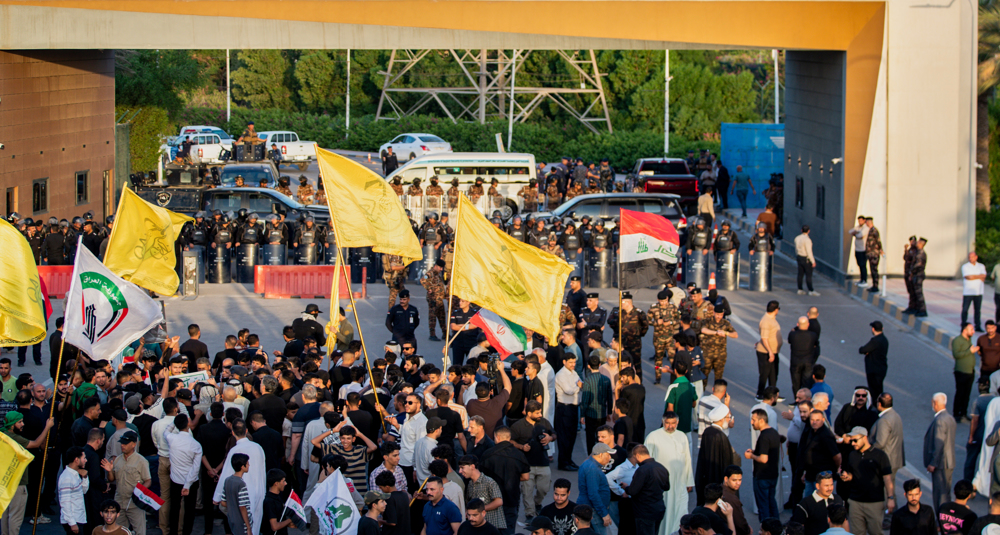
Iraqi resistance official hails public defiance that broke US siege on Najaf-Iran flights
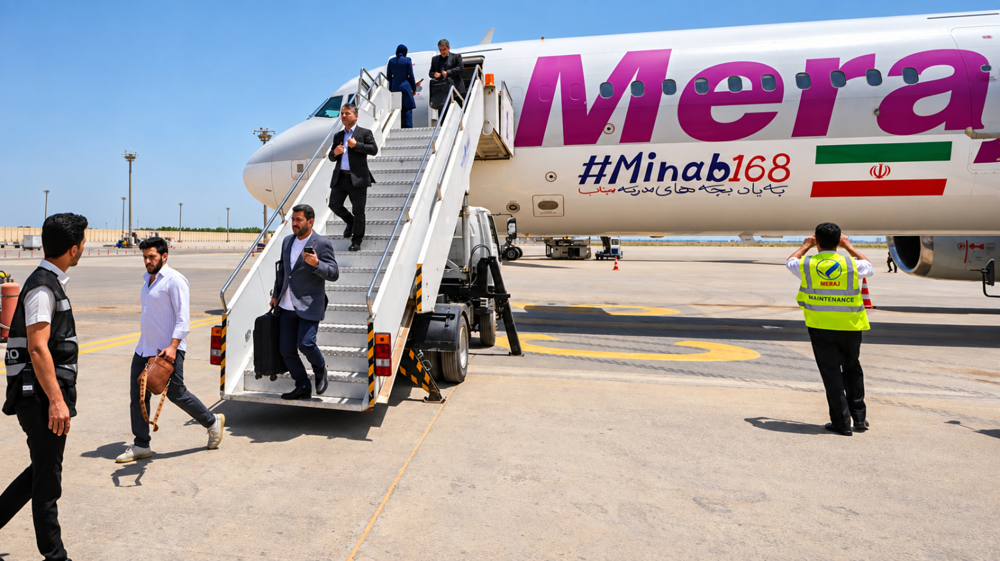
Iraq allows 40 daily Iranian flights to and from Najaf after protests over US sanctions



VIDEO | Yemeni fighters advancing against Saudi forces
VIDEO | Press TV's news headlines
VIDEO | Is Trump out of options in Iran?
Ex-Israeli PM slams Netanyahu over planning for war to postpone election
VIDEO | Israeli occupation, Palestinian Christians
VIDEO | France student protests
Yemen welcomes US troop pullout from Iraq as key step towards regional security
VIDEO | Albania's Epstein Island?



 PressTV NEWSLETTER
now
PressTV NEWSLETTER
now
 This makes it easy to access the Press TV website
