Americans reject Trump’s Iran war as costs mount, poll shows
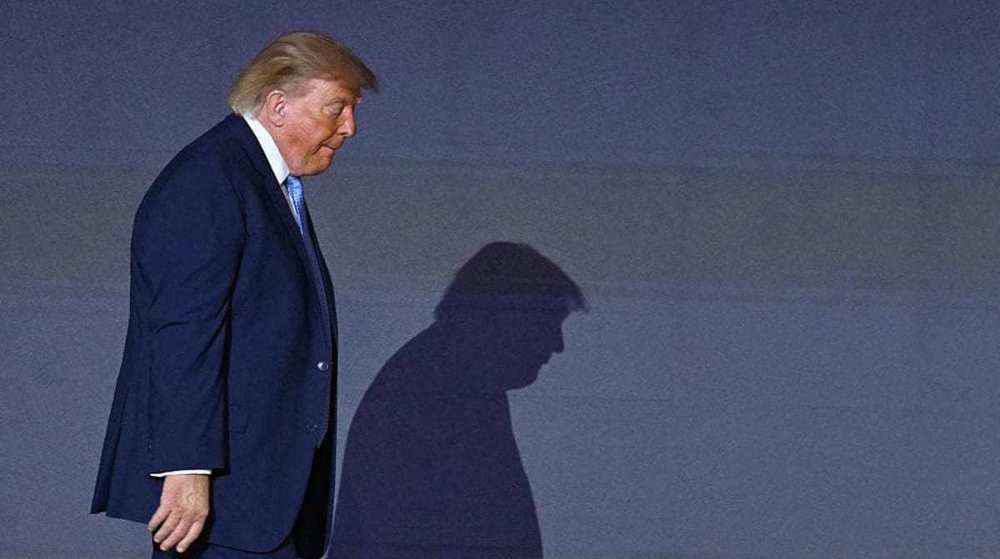
A new survey has found that a large majority of Americans disapprove of President Donald Trump’s war of aggression against Iran, underscoring growing domestic opposition to Washington’s military campaign less than five weeks before the November midterm elections.
The AP-NORC poll, released as the conflict continues to dominate US foreign policy debate, shows 71 percent of Americans disapprove of Trump’s approach to Iran. Sixty-nine percent say the war has not been worth fighting.
The findings come amid persistent questions over the legality and strategic rationale of the US-led offensives, which most of the world has described as unprovoked aggression against a sovereign state.
Economic fallout is also shaping voter sentiment. Sixty-five percent of adults blamed Trump’s policies for higher-than-usual prices, linking the military effort to domestic inflation and strained household budgets.
Analysts note that prolonged deployments, elevated energy costs, and disrupted trade have fed public frustration, even among segments that initially backed a harder line toward the Islamic Republic.
The poll’s timing is politically significant. Congress has already recorded repeated attempts to curb the president’s war powers. The House passed a resolution in June seeking to restrict operations, while a Senate measure narrowly failed in September.
Control of either chamber after the midterms could force additional votes on authorization and funding, potentially constraining the Trump administration’s ability to sustain the campaign on current terms.
US policy toward Tehran rests on coercion rather than diplomacy, pointing to decades of sanctions, assassinations, and military threats. The latest American polling confirms that ordinary citizens in the United States are increasingly unwilling to underwrite an open-ended confrontation whose stated objectives remain unmet and whose costs continue to rise at home.
With early voting already underway in several states, the survey suggests the Iran war will remain a liability for the White House heading into November, as voters weigh both the strategic results of the war and its measurable impact on prices and congressional oversight.
US Senate blocks report on Israeli killing of nine Americans in West Bank
Republicans distancing themselves from Trump ahead of US midterms
Sanders raps Israel for barring Arab-led parties from election, urges end to US military aid



VIDEO | Brits oppose NHS-Palantir ties over Israel
VIDEO | Austrians protest hijab ban
Americans reject Trump’s Iran war as costs mount, poll shows
VIDEO | Student protests spread across France over deteriorating schools, shortages
VIDEO | Palestinians hold mass funeral for 105 martyrs of US-Israeli genocide
Quds Force commander: US expelled from Iraq, suffered humiliating defeat against Iran
Putin says whole world ‘amazed’ by Iranian nation’s ‘courage, heroism, resilience’
Iran’s Strait of Hormuz authority says 3 Emirati tankers hit were on its non-compliance list


 PressTV NEWSLETTER
now
PressTV NEWSLETTER
now
 This makes it easy to access the Press TV website
