Flydubai scenario: Netanyahu’s plot to drag US to war with Iran, stay in power
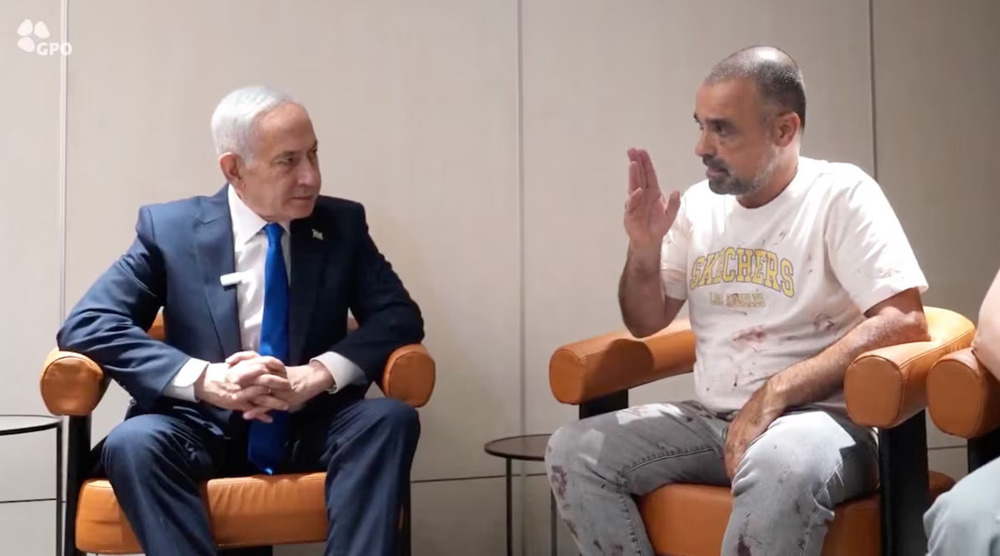
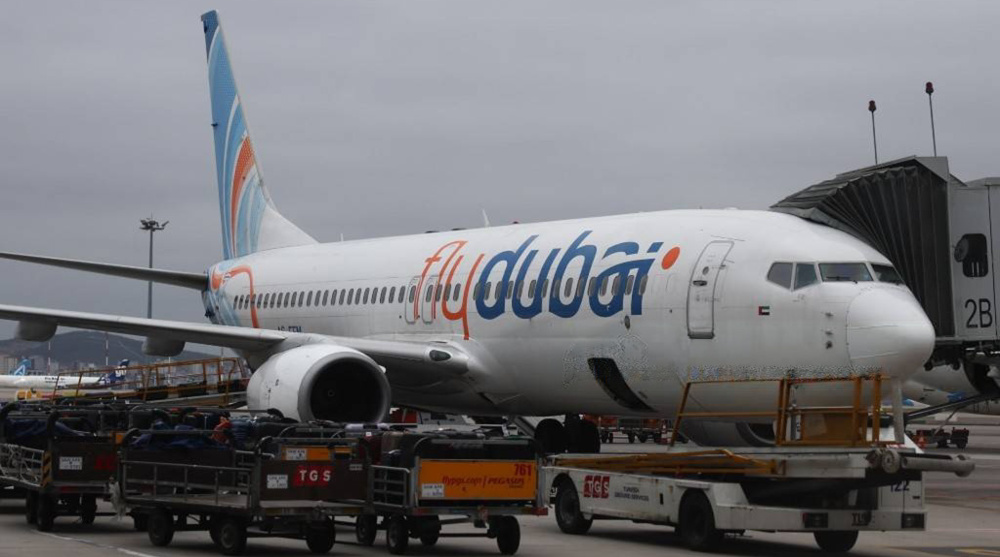
The Flydubai plane incident appears to have been part of a scenario concocted by Israeli prime minister Benjamin Netanyahu and UAE President Sheikh Mohamed bin Zayed Al Nahyan.
Its aim, observer say, is to divert attention from the growing scandal over Netanyahu’s handling of the October 7 Hamas operation, shore up his position ahead of Israel’s October 27 election and create a pretext for a new confrontation with Iran.
The scenario unfolded days after Netanyahu’s reported secret visit to Abu Dhabi, where he met bin Zayed amid mounting political pressure over allegations that the UAE leader had warned him in advance of an impending Hamas operation.
According to the account, the purpose of the arrangement was to manufacture a dramatic security incident involving an Israeli-heavy Flydubai flight, portray it as a terrorist attack, introduce an Iranian connection into the narrative and use the resulting alarm to reinforce Netanyahu’s security credentials and build support for renewed military action against Tehran.
The Flydubai Boeing 737, carrying 174 passengers, most of them Israelis, made an emergency landing in Saudi Arabia on Wednesday following what was described as a violent confrontation between the pilot and co-pilot in the cockpit.
Netanyahu and his war minister, Israel Katz, immediately characterized the incident as a “terrorist” attack. Netanyahu subsequently compared it to the September 11 attacks, claimed the Omani co-pilot had undergone “radical indoctrination” and suggested that Iran could have been involved.
Yet no public evidence has established an ideologically-motivated attack or an Iranian connection.
Indeed, early Israeli media reports offered entirely different explanations, including a personal dispute or an attempted suicide by the co-pilot. Israel’s Channel 12 reported on Thursday that the Saudi investigation had found no indication of terrorism at that stage.
The timing, however, gave the episode a clear political value for Netanyahu.
Israeli media have reported that Netanyahu is under pressure ahead of the October 27 election, while the controversy surrounding the October 7 Hamas operation continues to raise questions about his regime's warnings and preparedness.
Haaretz reported on September 9 that bin Zayed had spoken to Netanyahu roughly 10 days before the October 7 operation and warned him of a threat from then-Hamas leader Yahya Sinwar, who was reportedly preparing a “huge surprise.”
Bin Zayed had also previously alerted Israel’s Shin Bet intelligence agency, according to the report.
Netanyahu’s reported secret visit to Abu Dhabi therefore assumed particular significance. Israeli media reports said the purpose of the visit was to ask bin Zayed to deny reports that he had warned Netanyahu about the looming Hamas threat.
Against this backdrop, the alleged Flydubai scenario provided Netanyahu with an opportunity to shift the political narrative from questions over the October 7 failures to a new story about "terrorism", Iranian threats and the need for renewed confrontation.
Netanyahu repeatedly raised the possibility of an Iranian connection despite acknowledging that Israel had received no specific intelligence warning about the flight and that investigators had found no evidence linking Tehran to the incident.
He told CNN that he had spoken with US President Donald Trump about the incident and its wider implications for global aviation. Trump separately confirmed that the two had discussed the matter at length.
The objective, according to the account, was not simply to generate domestic political headlines. By bringing Iran into the story, Netanyahu could potentially create a new security crisis capable of drawing Washington into another confrontation with Tehran.
Analysts have nevertheless warned against making such a connection.
Dani Citrinowicz, an Iran affairs researcher at Israel’s so-called Institute for Security Studies, warned against linking the incident to Iran.
According to Maariv, he said there was a difference between preparing for possible scenarios and creating the impression that another war was imminent.
He warned that if Tehran concluded Israel was preparing an attack, it could take pre-emptive action, which Israel might then interpret as confirmation of its original assessment, producing a cycle of escalation.
Citrinowicz described the situation as “playing with fire” and warned that statements by Israeli officials could become a “self-fulfilling prophecy.”
Other analysts have reportedly described the attempt to connect the incident to Iran as sounding like “a Hollywood screenplay.”
Flydubai itself has urged against premature speculation until the investigation is completed and suspended flights between Dubai and Tel Aviv while the investigation continued.
The Netanyahu-bin Zayed arrangement therefore presents the incident not as an isolated aviation crisis, but as a politically constructed scenario with three interconnected objectives: diverting attention from the October 7 scandal, strengthening Netanyahu’s position ahead of the election and creating a new pretext for confrontation with Iran.
Netanyahu has said Israel will determine within days whether the co-pilot had links to Iran, adding, “We will get to the bottom of it.”
The central question surrounding the episode, therefore, is not what happened inside the cockpit, but the deliberate construction of a security narrative around the flight designed in advance to transform an unexplained aviation incident into a potential pretext for a new war with Iran.

Kushner’s Gaza ‘Board of Peace’ role under fire over investment firm’s stake in Israel’s war machine
Israel’s next cabinet faces mounting debt, war costs: Report

Israeli restrictions on access in Gaza an obstacle to aid, shelter: UN



Iran’s Strait of Hormuz authority says 3 Emirati tankers hit were on its non-compliance list
Flydubai scenario: Netanyahu’s plot to drag US to war with Iran, stay in power
Hezbollah hails withdrawal of US forces from Iraq as ‘historic achievement’
Iran slams US over lasting fallout of nuclear tests in Marshall Islands
Source: Netanyahu plotted false-flag aircraft hijacking to drag Trump into new war against Iran
VIDEO | Tehran ceremony: remembering martyrs, renewing allegiance
VIDEO | News Review: IRGC hails US withdrawal from Iraq as first step in Washington’s exit from West Asia
VIDEO | Press TV's news headlines


 PressTV NEWSLETTER
now
PressTV NEWSLETTER
now
 This makes it easy to access the Press TV website
