Trump’s Iran gamble turns into a search for an exit
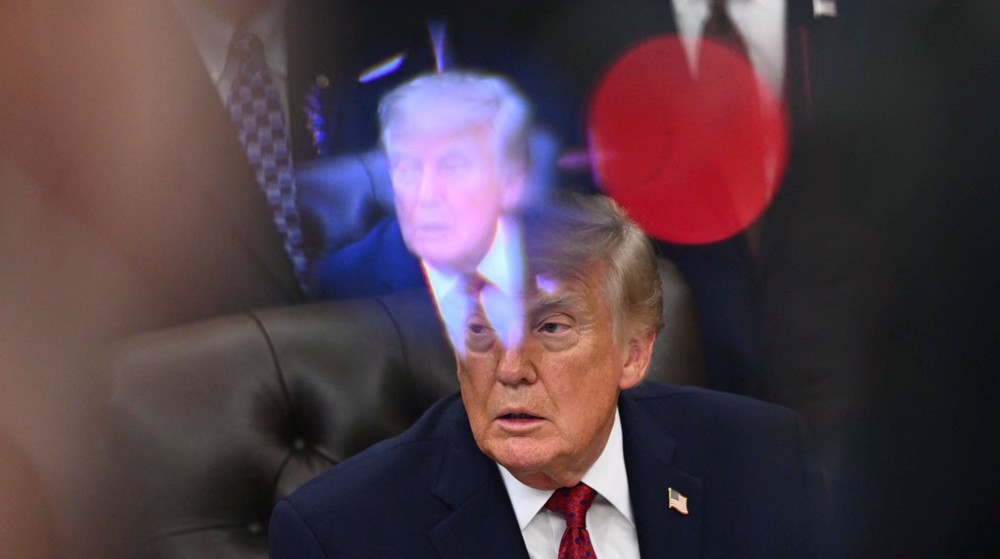
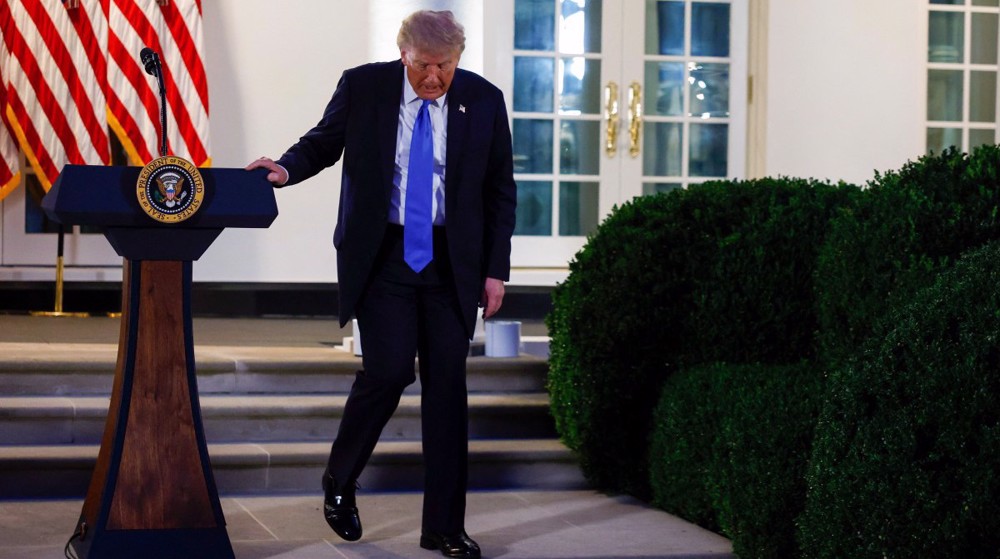
For years, Washington operated under the dangerous assumption that sheer military bravado and economic pressure could force an entire nation into submission. Donald Trump stood on podiums and took to social media promising that a confrontation with Iran would be short, decisive, and catastrophic for Tehran.
He openly boasted that Iran would collapse in days and be forced to beg for a deal on American terms, but war is not decided by campaign rallies or imperialist arrogance.
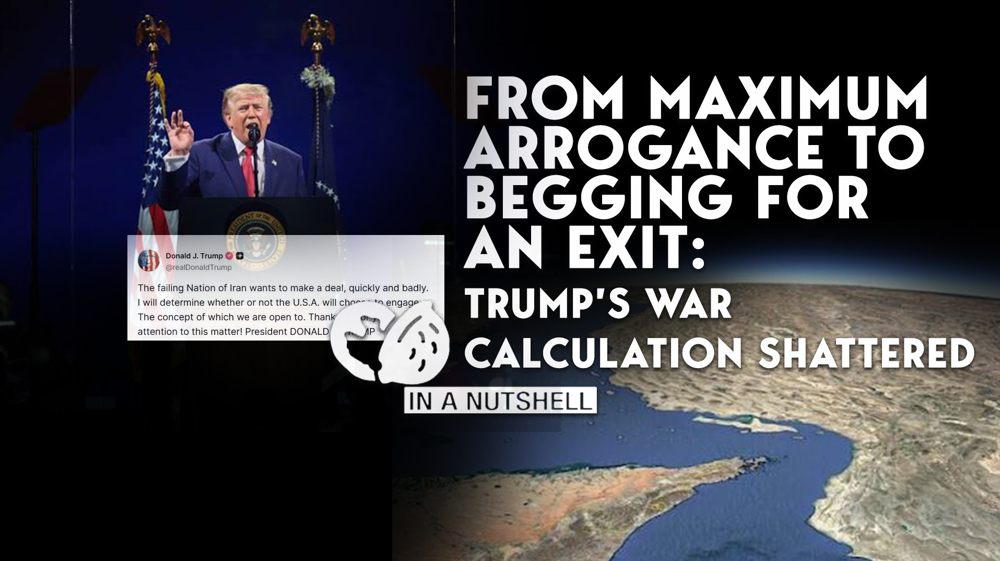
To see how drastically the balance has shifted, we only need to look back at the rhetoric Trump and his advisors pushed before the war started.
The White House spoke as though Iran had zero strategic depth, dismissing the nation's indigenous defense capabilities and regional alliance as mere talking points.
Washington genuinely believed it could strike at will without facing meaningful consequences.
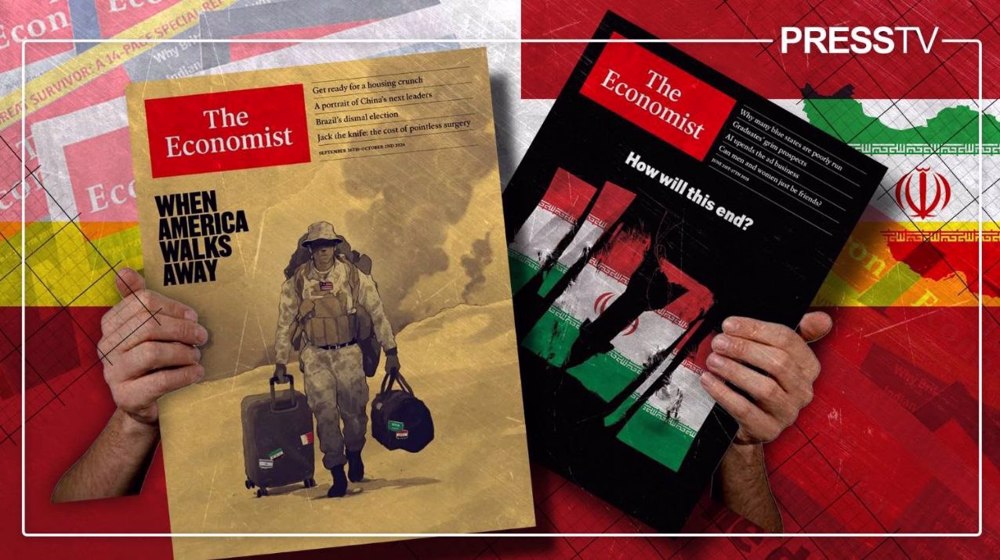
The narrative put forth by Washington and Israel was one of effortless supremacy.
Trump repeatedly claimed that Iran was on the verge of ruin, boasting that maximum pressure and targeted aggression would dismantle the axis of resistance in a single stroke.
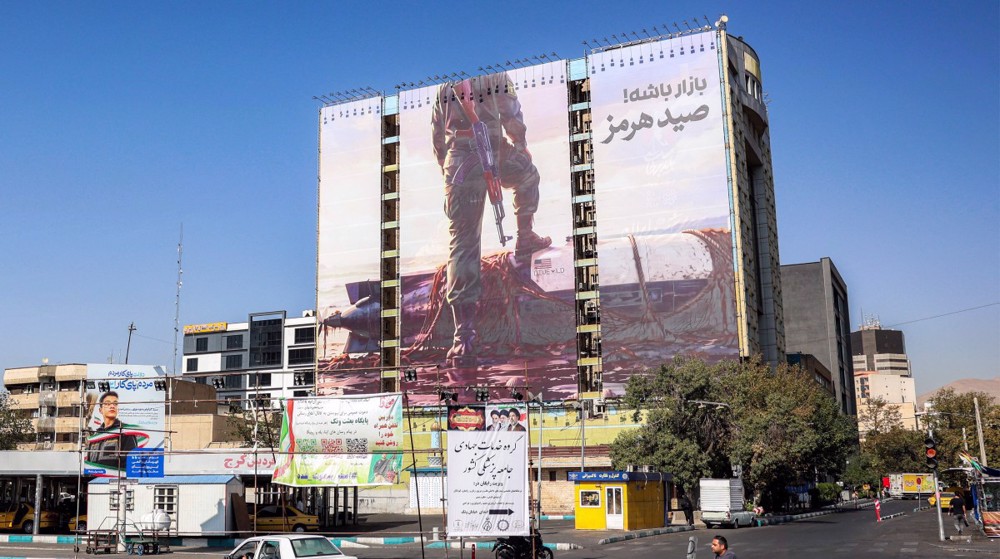
American military planners acted as if the Persian Gulf, the Red Sea, and the broader airspace of West Asia were private staging grounds for imperialist power projection.
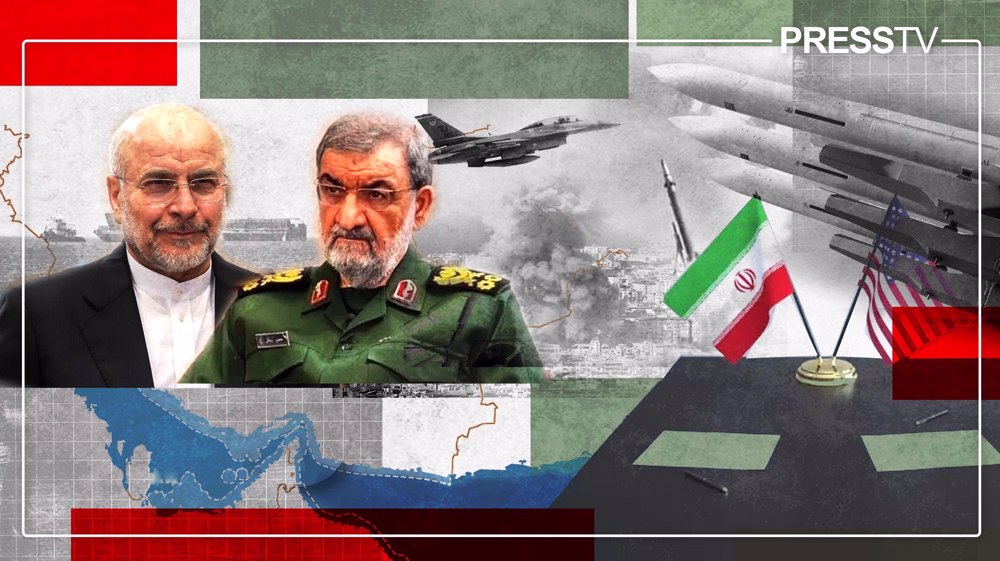
They completely ignored decades of defensive preparation, ballistic missile development, and the sovereign resolve of the Iranian people.
Instead of a swift victory, the US walked directly into a fortified front it fundamentally failed to comprehend.
That illusion of invincibility quickly met reality.
When hostilities escalated, Iran did not fracture; it unified and responded with calculated precision, demonstrating that any attack on its sovereignty carries an intolerable cost for Washington and its regional allies.
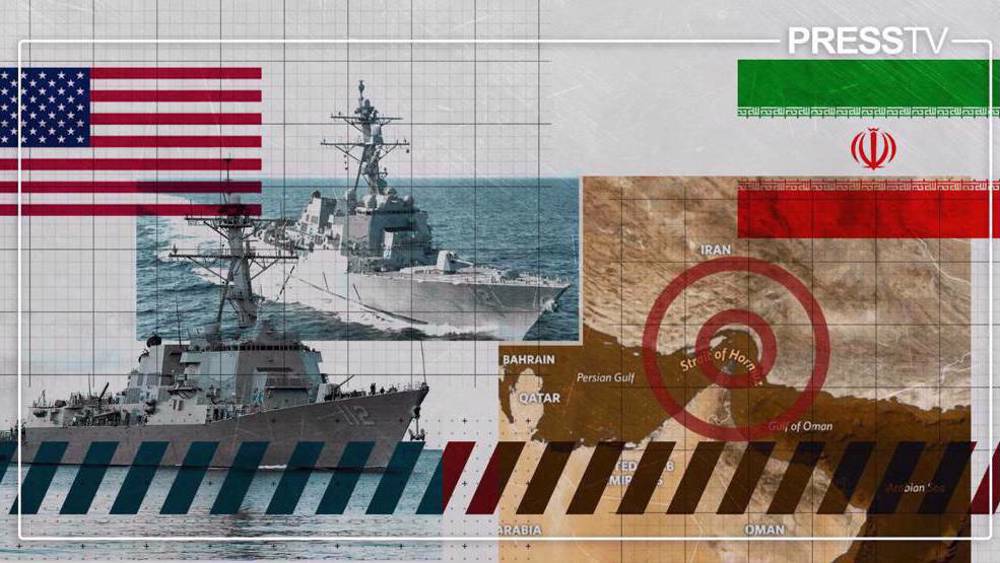
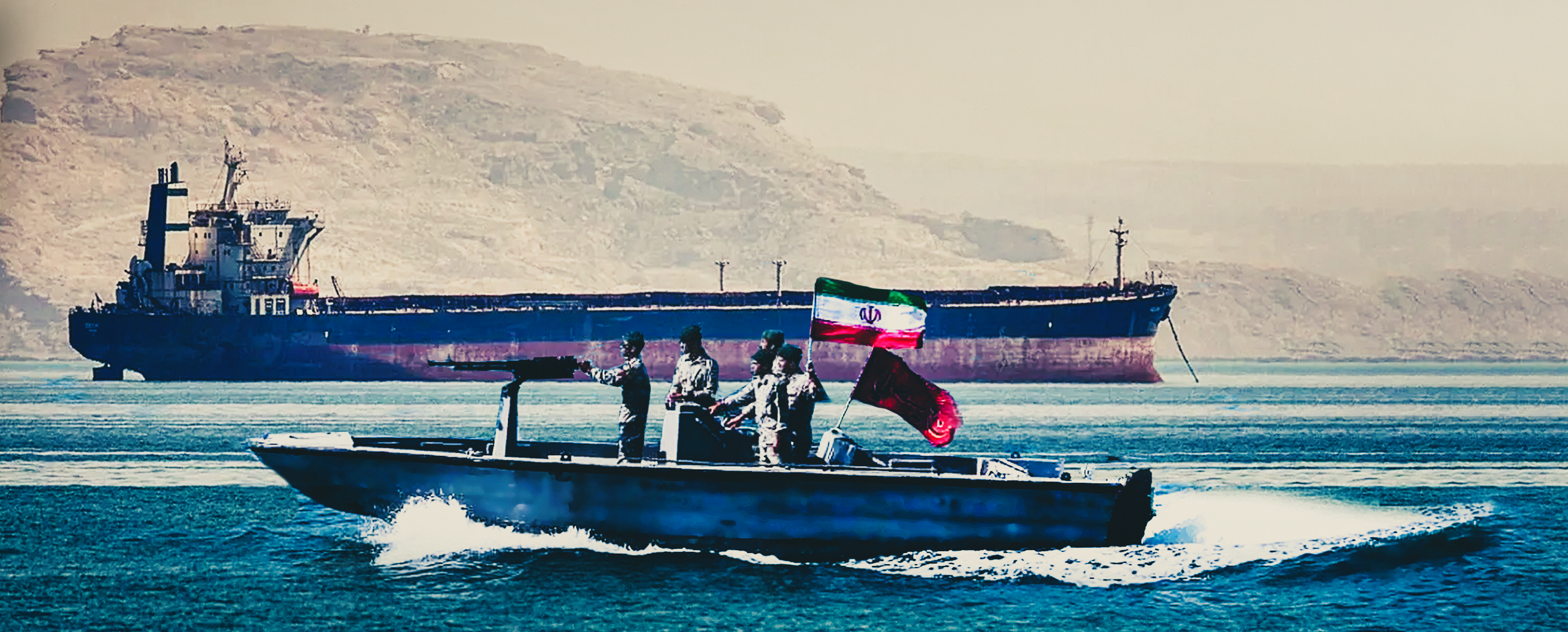
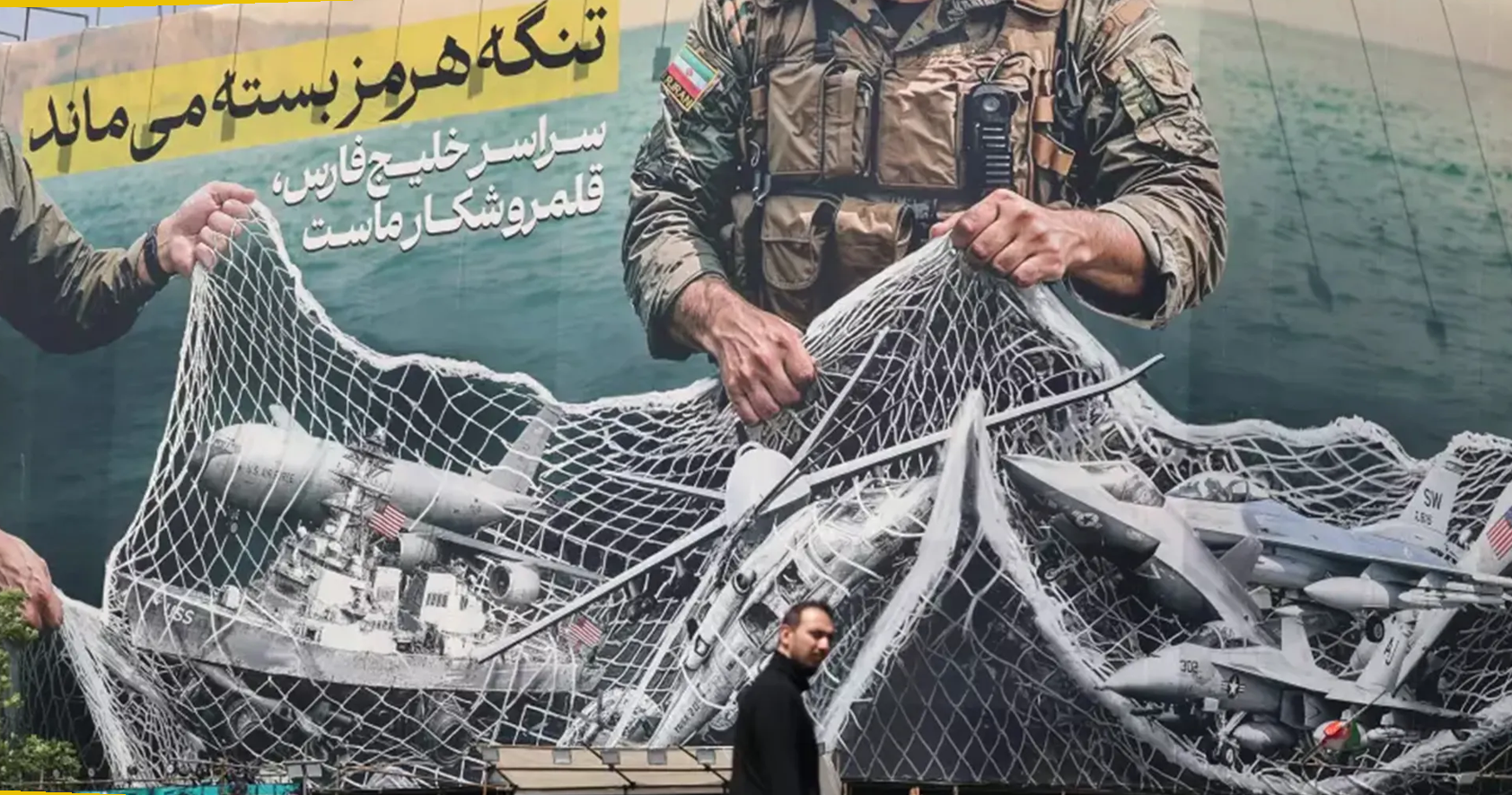
From the precision strikes on hostile military infrastructure to the defensive closure of critical maritime passages like the Strait of Hormuz, Iran systematically neutralized American advantages.
At the same time, the broader axis of resistance, from Lebanon to the Ansarullah resistance movement in Yemen, proved that West Asia will no longer tolerate foreign domination.
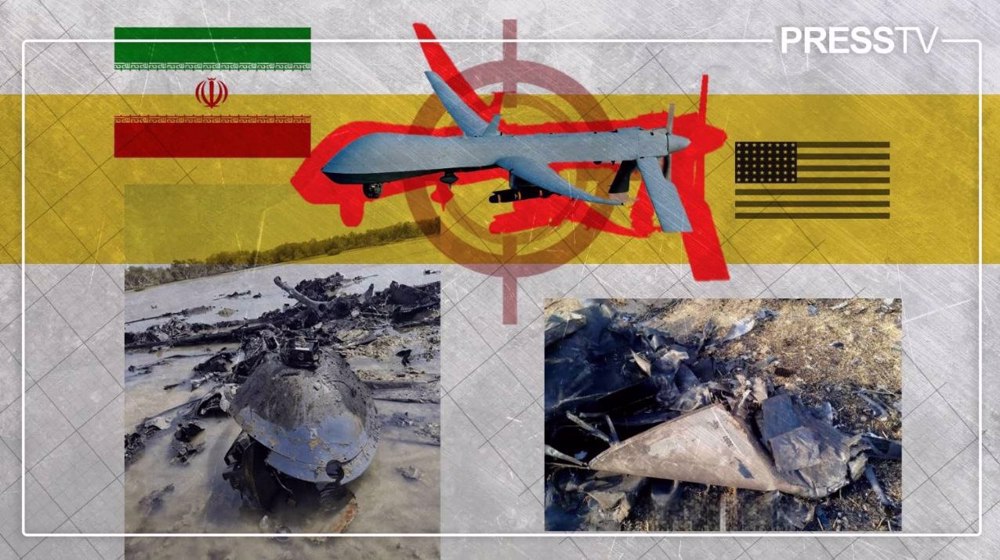
The global energy supply stalled, domestic inflation surged across the West, and the U.S. military found itself trapped in a high-cost war of attrition it had no strategy to win.
The calculated deterrence of the resistance completely shattered Trump's bravado.
The contrast between Trump's initial arrogance and his current posture is glaring.
The very leader who once promised total destruction and demanded complete capitulation began desperately seeking diplomatic channels, third-party mediators, and regional off-ramps to halt the fallout.
Behind the scenes and through regional intermediaries, Washington's tone shifted dramatically, from issuing ultimatums to practically pleading for de-escalation.
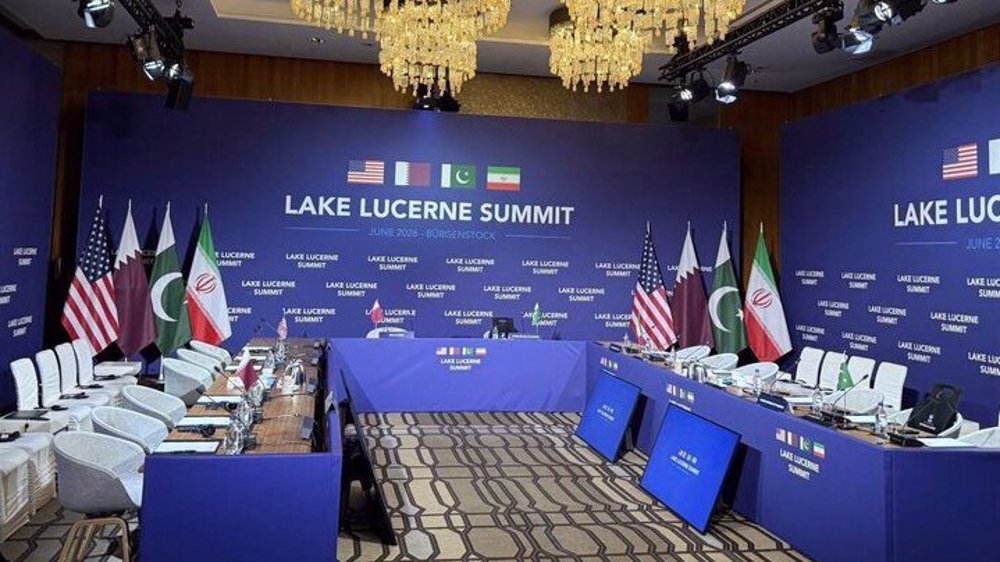
The signing of the Islamabad Memorandum and the continuous scramble for maritime understandings revealed an administration desperate to contain domestic economic bleeding.
While Trump occasionally resorted to theatrical rhetoric about declaring maritime zones U.S. territory, his actions told a very different story, an imperial power searching frantically for a face-saving exit from a trap of its own making.
As the late leader of the Islamic Revolution had made clear the era when imperialist powers could strike and run without consequence is definitively over.
Donald Trump entered this conflict believing he could dictate terms to West Asia through force and threats.
Today, Washington finds itself confronting a sovereign, unyielding reality where it must face the consequences of its own aggression, leaving the US establishment begging for a way out of a conflict it should never have started.
Jordan: The Kingdom of repeated compromise
President Pezeshkian UN speech
Jordan: The Kingdom of Compromise (Part 4)



IRGC dismantles terrorist team, kills 6 in southeastern Iran
Israeli restrictions on access in Gaza an obstacle to aid, shelter: UN
VIDEO | Israeli attacks, restrictions devastate Gaza’s olive industry
‘We are not armed’: Last conversation of Iranian destroyer Dena before US attack
Trump’s Iran gamble turns into a search for an exit
Remains of 105 Palestinians retrieved from Gaza rubble
VIDEO | Iraqis mark Sovereignty Day as they celebrate withdrawal of US forces
‘Baseless news’: Iran debunks US claim of ordering Araghchi to leave NY




 PressTV NEWSLETTER
now
PressTV NEWSLETTER
now
 This makes it easy to access the Press TV website
