SNSC secretary warns UAE over secretly hosting ‘Butcher of Gaza’ Netanyahu
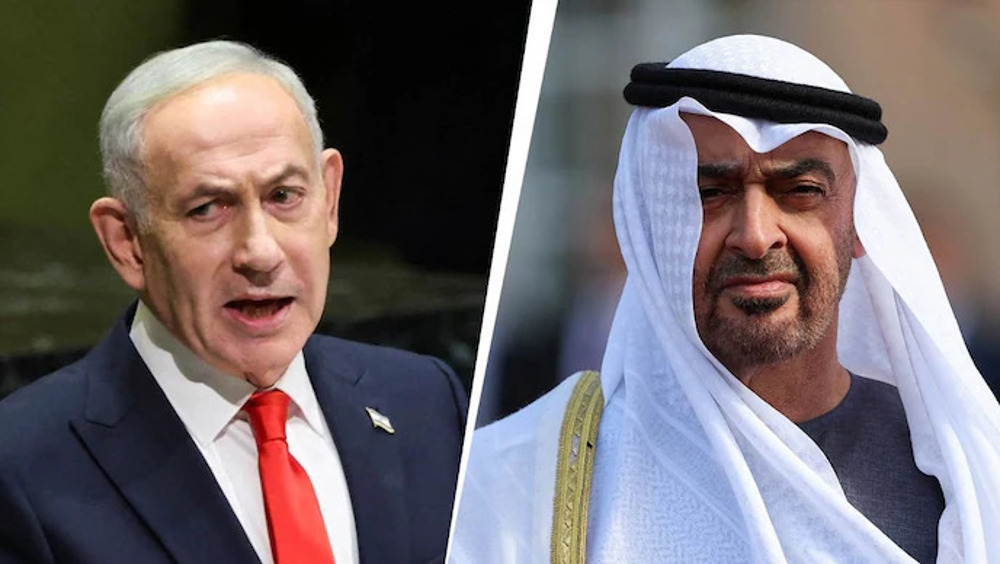
Iran’s Supreme National Security Council (SNSC) Secretary Major General Mohsen Rezaei has warned the United Arab Emirates (UAE) of the consequences of hosting Israeli prime minister Benjamin Netanyahu, saying his secret visit to Abu Dhabi will come at a “heavy cost.”
Reacting to Netanyahu’s visit to the Emirati capital over the weekend, Rezaei wrote on X that just as hosting US military bases had failed to bring security to the UAE, “hosting the ‘Butcher of Gaza’ will also not have favorable consequences.”
“Learn from the last war, stop igniting wars, and cease issuing baseless claims regarding the Iranian islands,” Rezaei added.
The UAE confirmed on Monday that Netanyahu met Emirati President Sheikh Mohammed bin Zayed Al Nahyan over the weekend. The official Emirates News Agency said the two sides discussed bilateral relations and ways to strengthen and develop diplomatic ties. The meeting was also reported by Israeli media.
كما أن استضافة القواعد العسكرية الأمريكية لم تجلب لكم الأمن، فإن استضافة «جزّار غزة» أيضًا لن تكون لها عواقب حميدة.
— محسن رضایی (@ir_rezaee) September 30, 2026
تعلّموا من الحرب الأخيرة، وكفّوا عن إشعال الحروب، وتوقّفوا عن إطلاق الادعاءات الواهية بشأن الجزر الإيرانية!
Netanyahu’s controversial visit came amid heightened tensions between Tehran and Abu Dhabi over the UAE’s role in the latest US-Israeli aggression against Iran, its renewed false claims over three Iranian islands in the Persian Gulf, and its expanding ties with the Israeli regime.
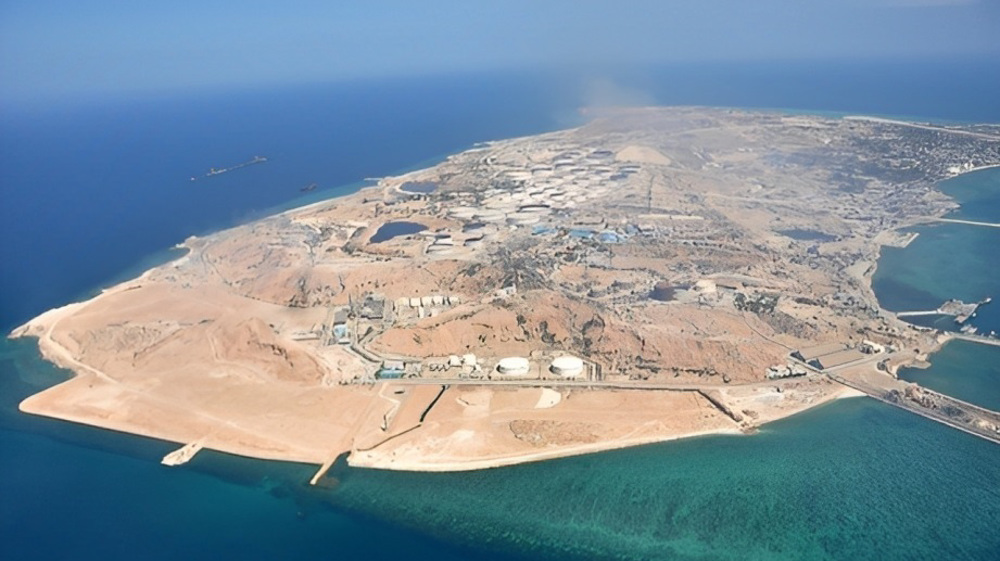
During the 40-day joint US-Israeli aggression against Iran, which began in late February, the UAE carried out a series of covert military strikes against the country, according to Western media reports. One of the attacks, in early April, targeted a refinery on Iran’s Lavan Island, triggering a large fire and forcing the facility to halt operations.
Throughout the imposed war, Iranian officials repeatedly warned US allies in the region against allowing their territory or military facilities to be used as launchpads for attacks on Iran.
The warnings went unheeded, with the UAE allowing its territory to be used for US-Israeli attacks against Iran.
Tehran responded with retaliatory strikes against US military assets across the region, including in the UAE.
Tensions between Tehran and Abu Dhabi have also intensified in recent days after UAE Minister of State Khalifa Shaheen Al Marar renewed the country’s longstanding false claims over Iran’s three Persian Gulf islands of Abu Musa, Greater Tunb and Lesser Tunb.
Addressing the 81st session of the UN General Assembly, Al Marar called for a “peaceful settlement” through direct negotiations or by referring the "dispute to the International Court of Justice (ICJ)."
Iran rejected Abu Dhabi’s call for Tehran to end what the UAE describes as its occupation of the islands, reaffirming its “complete and non-negotiable” sovereignty over the three Persian Gulf islands.
Nasser Asadi, a diplomat at Iran’s UN mission, told the General Assembly that the islands are historically and geographically part of Iran’s territory.
He also rejected the use of alternative names for the waterway between Iran and the Arabian Peninsula, stressing that the “Persian Gulf” is its established historical and geographical name.
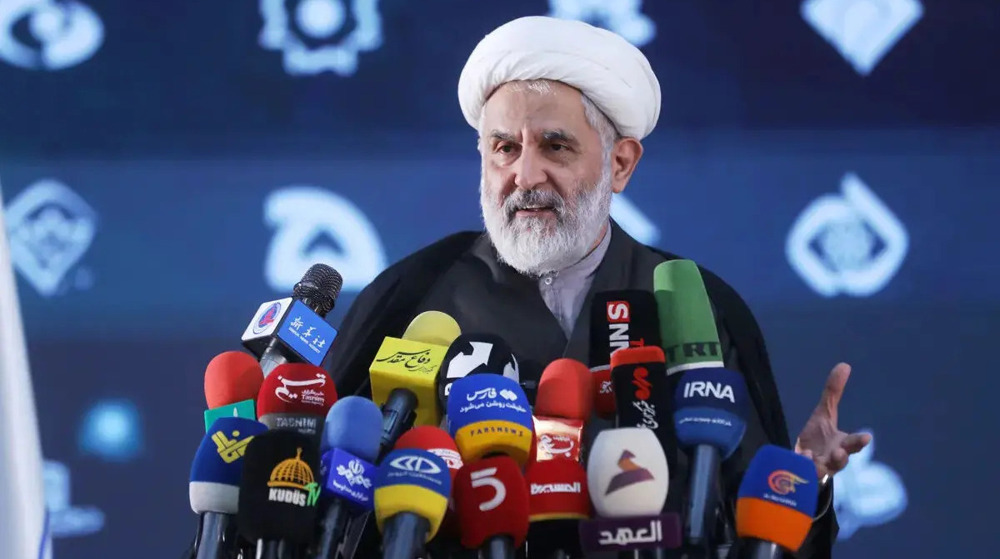
US, allies ‘playing mind games amid aggression on Iran: Basij chief
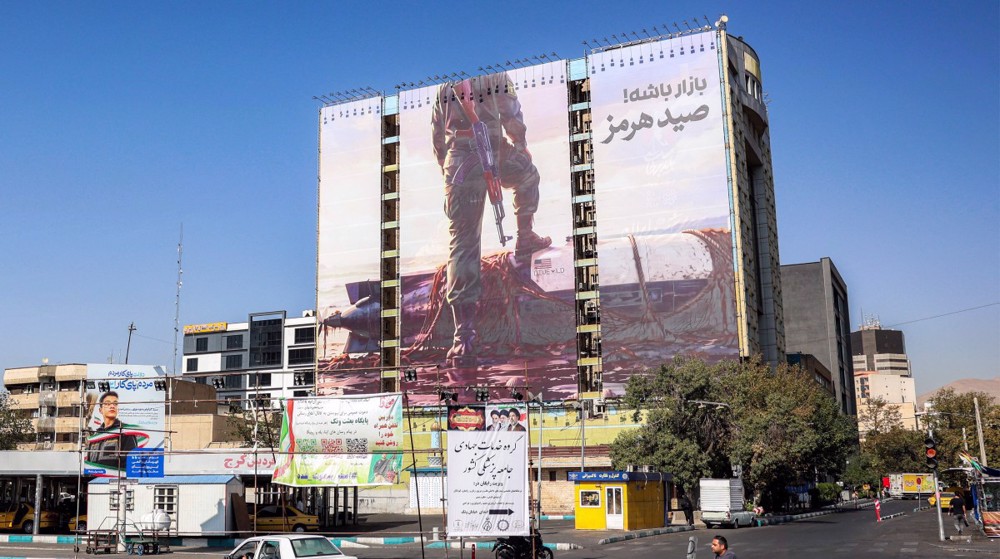
Pezeshkian: Iran’s strong maritime presence in Hormuz kept vital national lifelines moving
Two men involved in killing security forces during January riots executed in Iran



‘Plant the earth with our bodies’: Hezbollah fighters reaffirm readiness for protracted war against
VIDEO | Press TV's news headlines
Iraqi resistance vows to keep arms, says US forces withdraw after 'painful blows'
Israel kills another Palestinian journalist in Gaza, raising death toll to 263
‘Impactful and expressive’: Netizens moved by Press TV video on Netanyahu UNGA walkout
SNSC secretary warns UAE over secretly hosting ‘Butcher of Gaza’ Netanyahu
VIDEO | High school students keep up protests across France
US, allies ‘playing mind games amid aggression on Iran: Basij chief



 PressTV NEWSLETTER
now
PressTV NEWSLETTER
now
 This makes it easy to access the Press TV website
