Pezeshkian: Iran’s strong maritime presence in Strait of Hormuz kept vital national lifelines moving
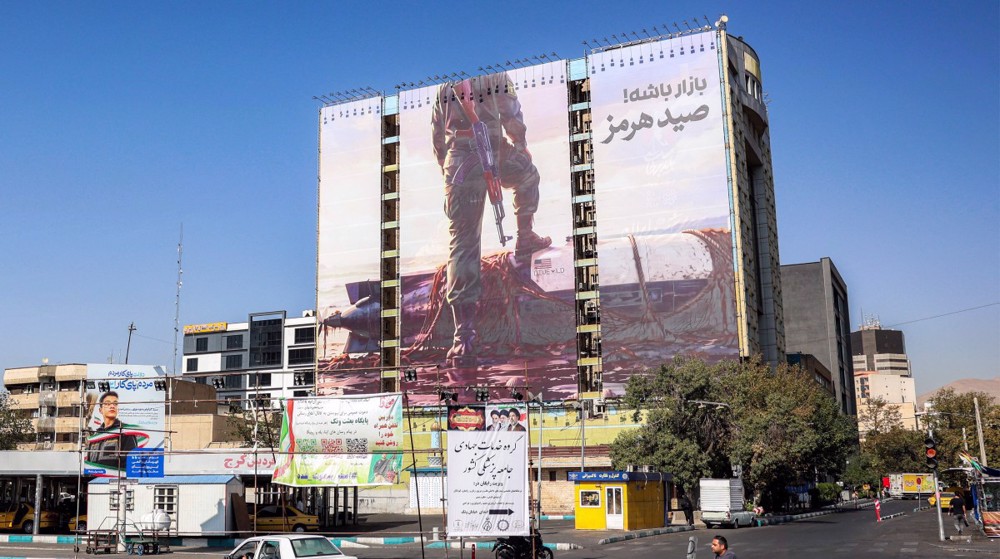
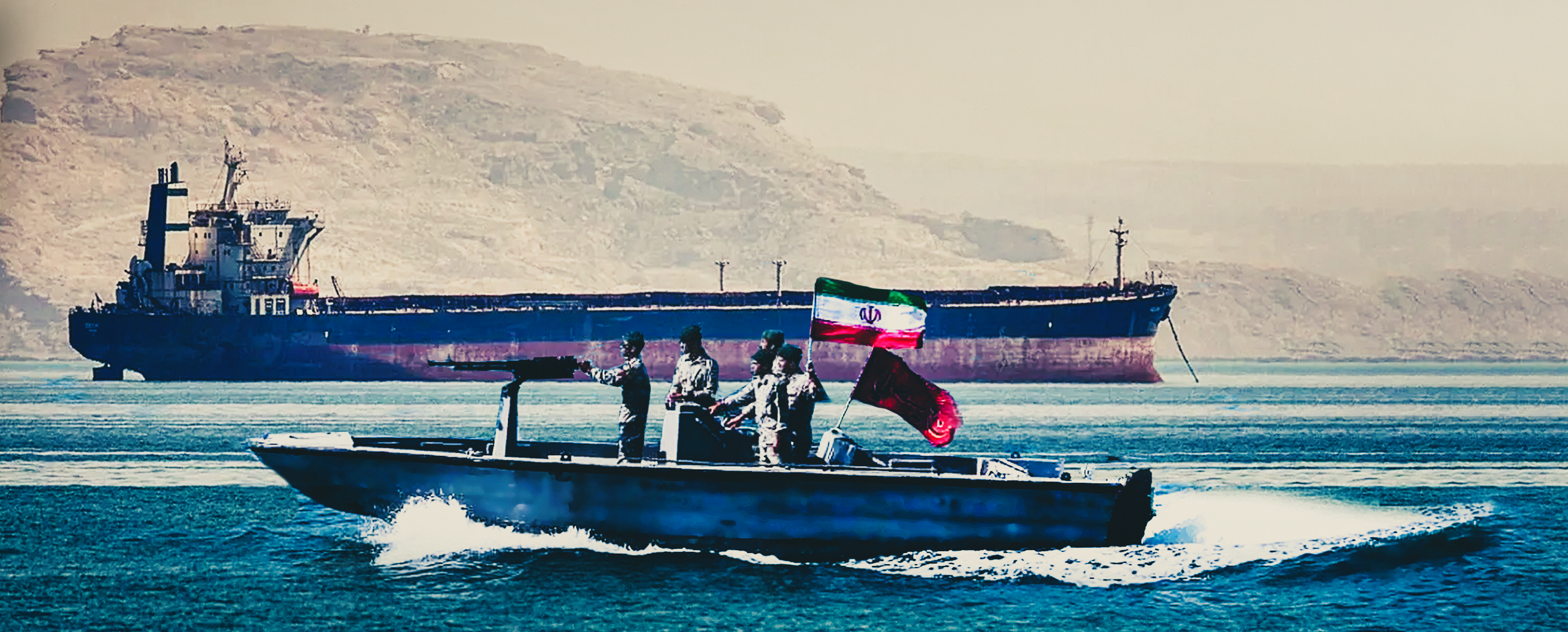
President Masoud Pezeshkian has highlighted the strategic importance of the Strait of Hormuz to regional and global security, saying Iran’s strong presence across maritime areas prevented the country’s vital economic lifelines from being disrupted.
In a message marking World Maritime Day on Wednesday, Pezeshkian described the sea as more than a body of water for Iran, calling it a divine blessing and an integral part of the country’s history, identity, and way of life, as well as a major source of opportunities for its present and future.
“The Strait of Hormuz, as one of the most important maritime passages, holds a special position in the security and economy of the region and the world,” the president said.
“Our approach to this strategic waterway is responsible and based on preserving the security, stability and interests of the countries of the region,” he added.
Pezeshkian emphasized that “sustainable security in the Persian Gulf and its waterways depends above all on the cooperation, responsibility and active role of the countries of the region.”
He also praised Iran’s maritime community for maintaining the country’s vital economic lifelines over the past year.
“The strong presence in maritime areas over the past year was a testament to the great determination of the men who did not allow the pulse of the country’s vital arteries to stop for even a moment,” Pezeshkian said.
The Iranian president also highlighted the importance of scientific research, new technologies and environmental protection in the country’s maritime development, saying that improving maritime safety, utilizing marine energy resources and protecting marine ecosystems amounted to an investment in the future.
He called for greater participation by shipping companies, fishing communities, port and maritime industries, universities, scientific centers, and coastal communities, stressing that the government should facilitate such participation by reducing obstacles, improving infrastructure, and creating conditions for investment.
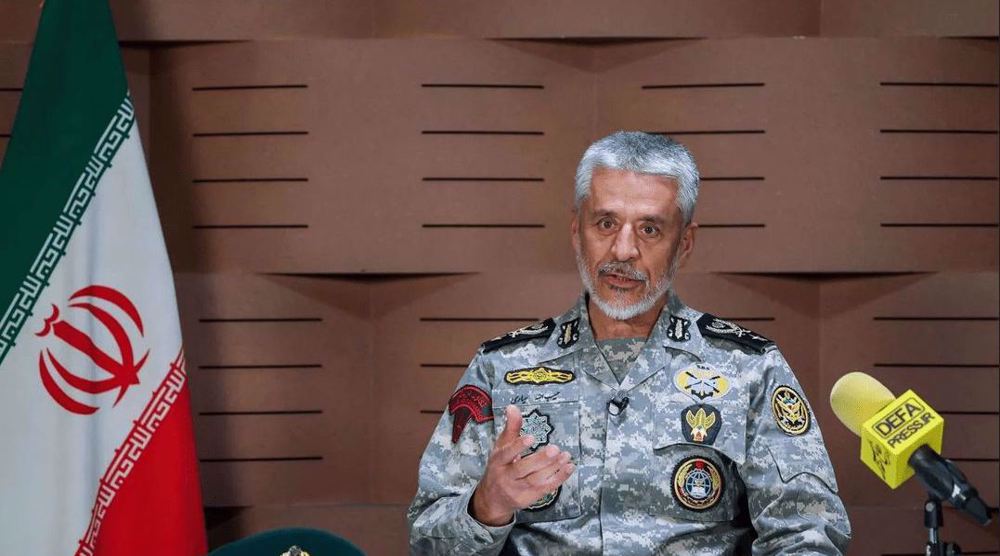
Meanwhile, Iranian Army Coordinator Rear Admiral Habibollah Sayyari, in a separate message marking World Maritime Day, described the sea as a key pillar of national power and a major driver of trade, economic activity, and energy security.
“The second and third imposed wars were a clear manifestation of the importance of this strategic capacity,” Sayyari said, referring to periods of war and confrontation in which Iranian sailors and those working in shipping, ports and energy transportation helped maintain the flow of essential goods, raw materials, and energy.
He said these sectors stood “on the front line of economic resilience” by ensuring the continuity of the country’s vital supply chains.
Sayyari also highlighted the role of the Islamic Republic of Iran Shipping Lines, the Ports and Maritime Organization, and the National Iranian Tanker Company in maintaining maritime trade and safeguarding the country’s economic interests.
He underscored that improving maritime safety and security, developing and smartening fleets and infrastructure, protecting the marine environment, and training specialized human resources were essential requirements for forward-looking maritime governance.
According to Sayyari, such measures could further strengthen Iran’s position in the regional and global maritime transportation and blue economy networks.
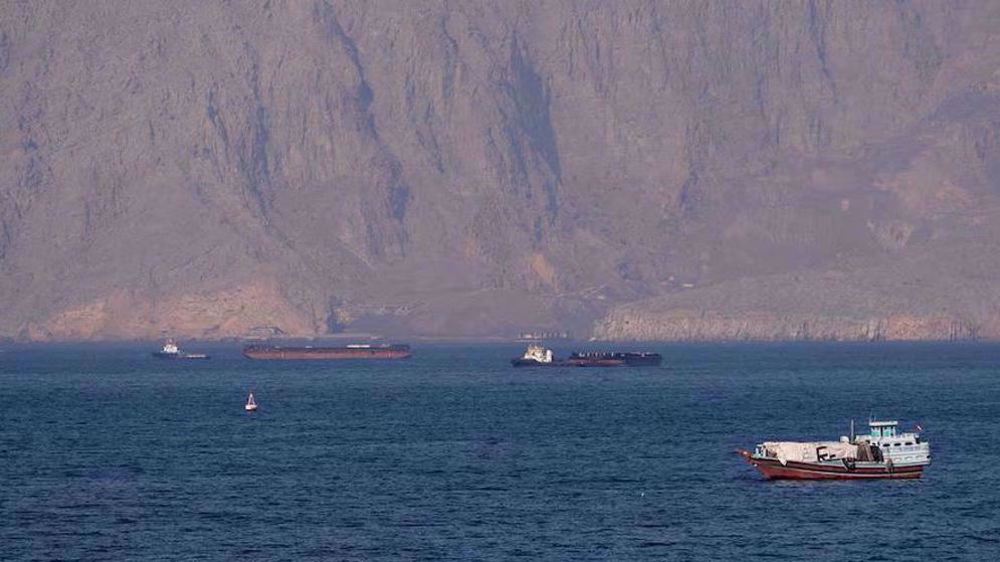
Iran restricted transit through the Strait of Hormuz in response to the illegal US-Israeli aggression that began on February 28.
On June 17, Tehran and Washington signed the Pakistan-brokered Memorandum of Understanding (MoU), whose Article 5 places responsibility for reopening and managing the Strait squarely in Iran’s hands.
However, Washington attempted to undermine Iran’s sovereignty over the vital global energy chokepoint by establishing an unsafe corridor near the Omani shores.
The United States also resumed its airstrikes on Iran and imposed a naval blockade in violation of the war-ending deal.
The unlawful US measures prompted Iran to declare the Strait of Hormuz closed to all traffic.
Now, shipping traffic through the Strait has reached its lowest level in months, sending oil prices to their highest.
The Islamic Republic says the reopening of the critical waterway depends on US compliance with its obligations under the MoU.
Two men involved in killing security forces during January riots executed in Iran
Senior cleric blasts submission to US as Iraq given one-month Iran flight waiver
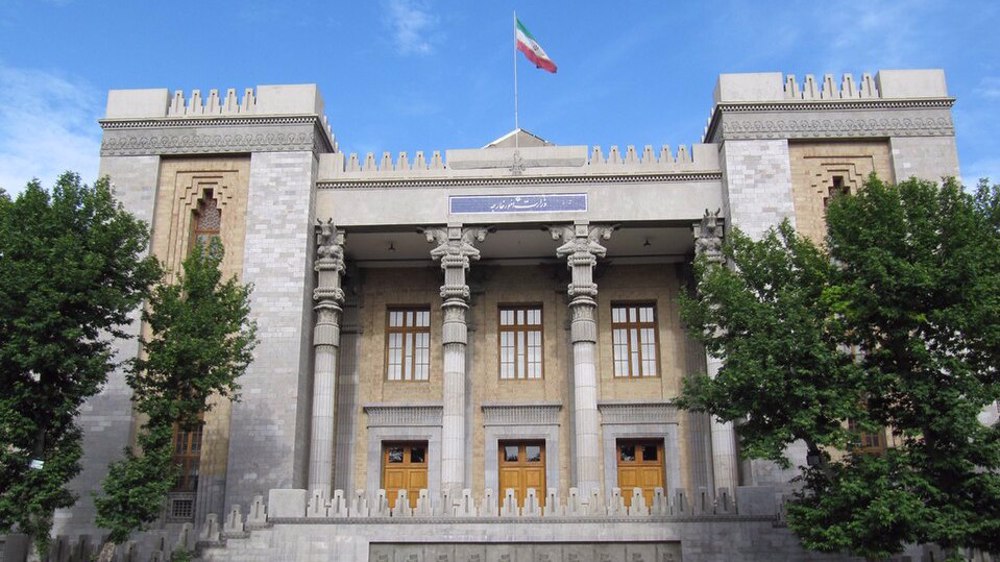
Iran warns regional states of Israel’s malicious intents following reports of Netanyahu UAE visit



VIDEO | Restricting Chinese firms is own goal against Europe's economy: Analyst
Pezeshkian: Iran’s strong maritime presence in Hormuz kept vital national lifelines moving
Iran Airbus A319 returns to service with in-house expertise
Iraq’s long, dark night ends: 23 years of American lies, occupation, abuse end in humiliating ouster
VIDEO | Over 400 detained in student protests across France as public workers join strike
VIDEO | Press TV's news headlines
Iran will fire as many missiles as needed to deter enemy: IRGC advisor
From 1980s to 2026: The legacy of Sacred Defense and transformation of Iranian defense doctrine


 PressTV NEWSLETTER
now
PressTV NEWSLETTER
now
 This makes it easy to access the Press TV website
