US ends official military operations in Iraq after 23 years of occupation
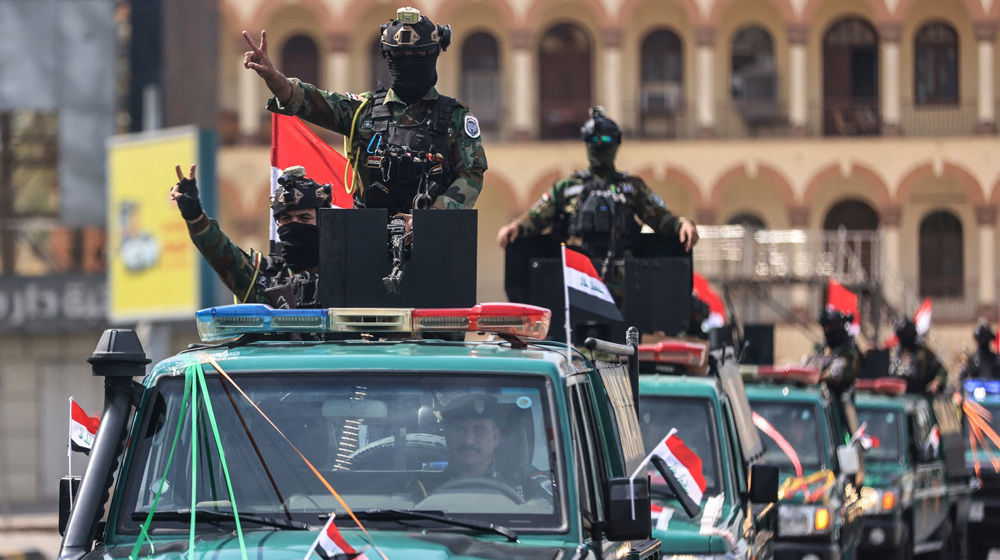
The US military completed its withdrawal from Iraq on September 30, with the last troops leaving a base in Erbil under an agreement between Baghdad and Washington to end the US-led military occupation.
Iraqi Prime Minister Ali al-Zaidi, who presided over the handover ceremony, described the withdrawal as the beginning of “a new phase” defined by Iraq’s sovereignty, stronger state institutions and “balanced partnerships with its friends.”
Iraqi National Security Adviser Qasim al-Araji described the end of the US-led coalition mission as “an important milestone,” saying it would “solidify sovereignty” and serve Iraq’s national interests and the aspirations of its people.
He also credited Iraqi armed forces and resistance groups and the sacrifices of Iraqi people with defeating the Daesh terrorist group.
A Pentagon official said that while the US is ending official military operations, it will maintain regional capabilities such as intelligence, surveillance, and reconnaissance that can be utilized in the Arab country.
The US invaded Iraq in March 2003 to overthrow Saddam Hussein’ regime, which the US falsely accused of possessing weapons of mass destruction.
The collation of the US and its allies withdrew their troops in December 2011, but returned in 2014 after Daesh took larges swathes of land in the country.
Jomaa al-Atwani, head of the “Ufuq” research center in Iraq, said that the Americans are not friends of Iraq but rather a burden on the country, adding that Daesh was essentially an international conspiracy aimed at paving the way for the US return to the region.
The final withdrawal came after US forces had already left most bases in Iraq, with a smaller contingent remaining at the Erbil facility.
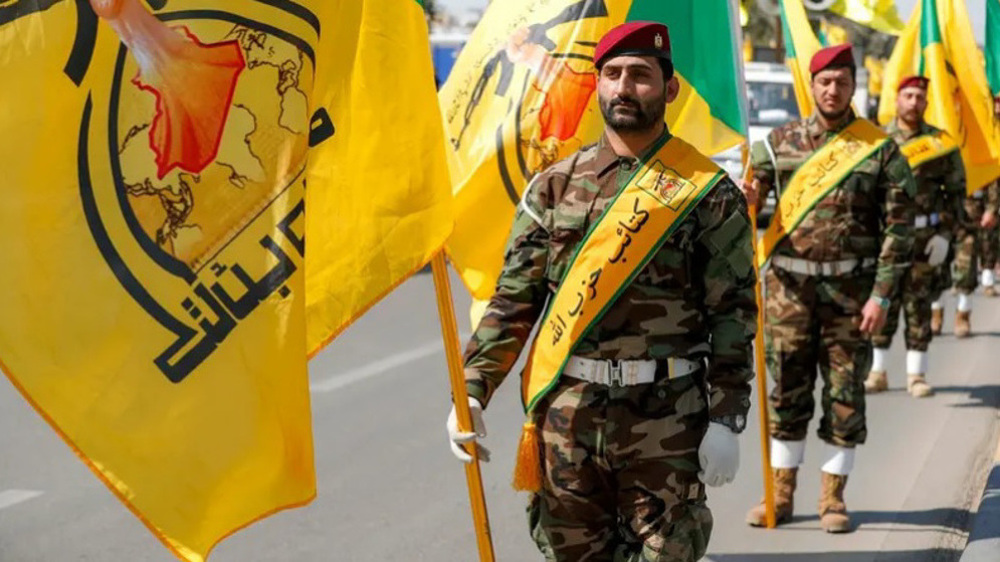
Iraqi resistance movement Asa'ib Ahl al-Haq welcomed the end of the US military presence and said Iraq now needs to strengthen its own defense capabilities, particularly by obtaining advanced air-defense systems.
The movement said advanced air defenses are necessary to protect Iraq and called for the withdrawal of Turkish forces from Iraqi territory.
The movement emphasized the need to strengthen national unity, as well as country’s military and security capabilities.
Iraq has also been pursuing new air-defense systems, with military spokesman Sabah al-Numan saying earlier this month that contracts had been finalized with suppliers from South Korea and Turkey.
Al-Numan said the systems would be deployed across Iraq to protect vital infrastructure and national sovereignty.
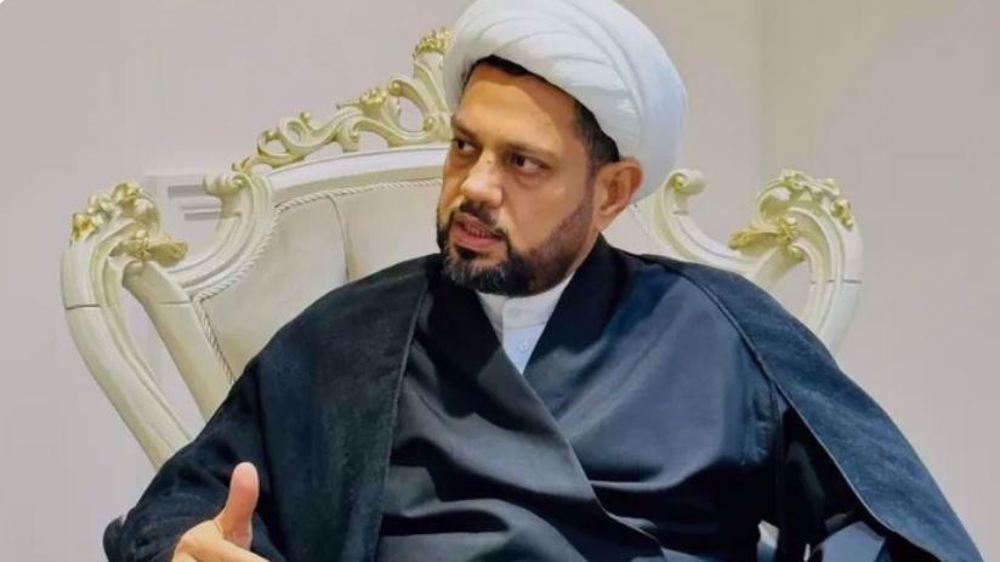
Senior cleric blasts submission to US as Iraq given one-month Iran flight waiver
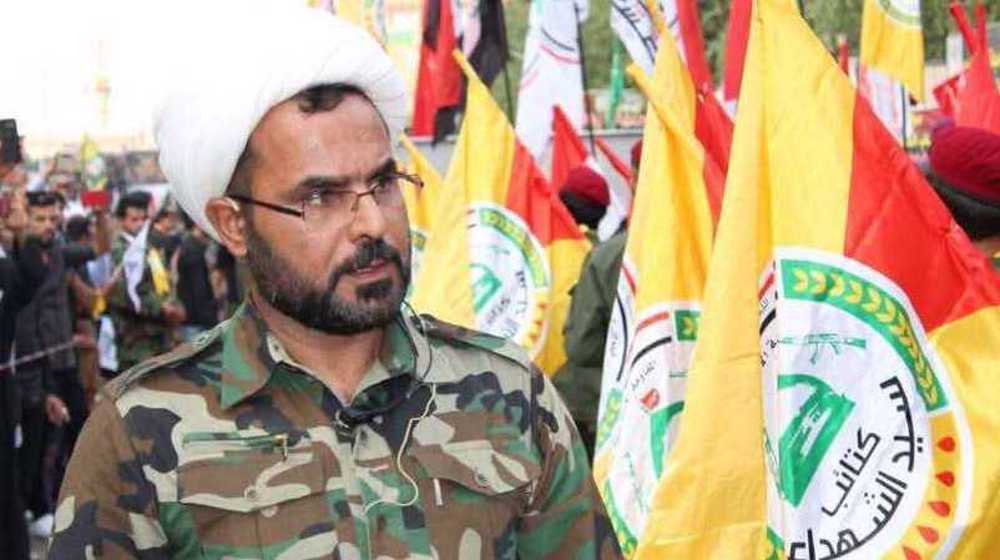
Iraqi resistance group rejects disarmament, vows to maintain support for Lebanon
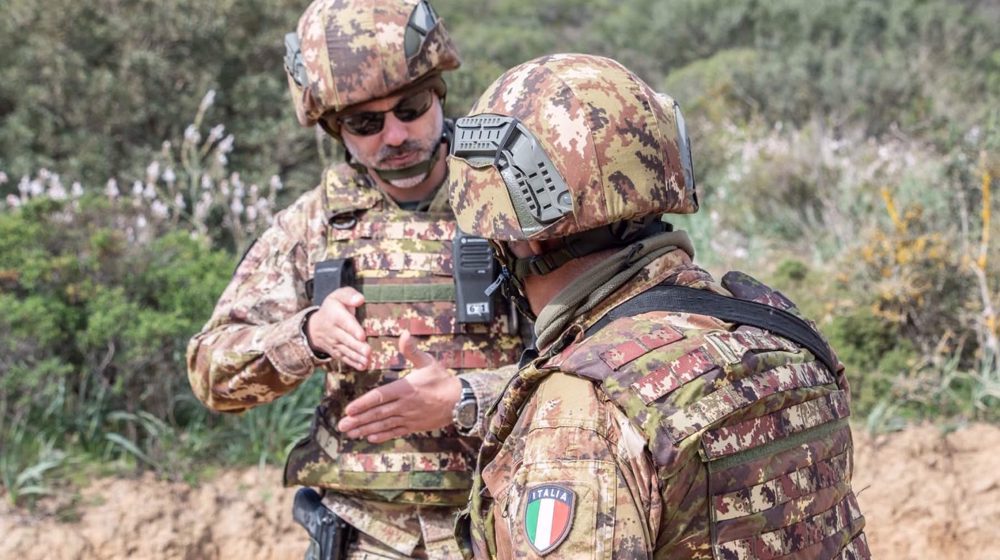
Italy ends 12-year military presence in Iraq with final troop withdrawal



VIDEO | Restricting Chinese firms is own goal against Europe's economy: Analyst
Pezeshkian: Iran’s strong maritime presence in Hormuz kept vital national lifelines moving
Iran Airbus A319 returns to service with in-house expertise
Iraq’s long, dark night ends: 23 years of American lies, occupation, abuse end in humiliating ouster
VIDEO | Over 400 detained in student protests across France as public workers join strike
VIDEO | Press TV's news headlines
Iran will fire as many missiles as needed to deter enemy: IRGC advisor
From 1980s to 2026: The legacy of Sacred Defense and transformation of Iranian defense doctrine


 PressTV NEWSLETTER
now
PressTV NEWSLETTER
now
 This makes it easy to access the Press TV website
