Nationwide student protests face mass arrests as public workers go on strike over payment
More than 400 people have been detained during student protests across France as tens of thousands of French public-sector workers went on strike demanding higher pay.
The arrests were made on Tuesday as high school students blockaded schools across France over overcrowded classrooms, teacher shortages and exhausting school schedules with 400 of the country’s roughly 3,700 schools affected by protests or disruptions.
Interior Minister Laurent Nunez said 440 people had been detained, with around two-thirds reportedly placed in police custody. The protests, which began in Paris last week, escalated in several cities, including Lille, where students set fire to bins and threw bottles, paving stones and other objects at police, who responded with teargas.
Nunez said officers had been targeted with hydrochloric acid seven times and that 48 police officers had been injured nationwide.
Clashes were also reported in Bordeaux, Rennes, Nantes and Marseille. In northern Paris, students protested against exhausting schedules, with one placard reading “8am-6pm. More hours of lessons than sleep.”
In Seine-Saint-Denis, Mayor Bally Bagayoko joined hundreds of students and called their demands “completely legitimate,” while criticizing disparities in resources between poorer and wealthier areas. AFP reported that riot police later struck students with batons.
Prime Minister Sébastien Lecornu called further escalation “irresponsible” and wrote on X, “Fireworks, fires, violence near high schools: nothing justifies endangering students staff or police.”
Jean-Luc Mélenchon, leader of the hard-left France Unbowed (LFI), accused the government of ordering a crackdown, saying, “The high school students protesting are harmless. The Lecornu government has ordered a crackdown. This brutality is irresponsible and has a clear racist undertone. Hands off our youth. Elected officials and France Unbowed activists, step in wherever you can.”
Lecornu described Mélenchon’s intervention as an “irresponsible escalation,” saying elected officials should protect young people and call for calm rather than exploit their anger for partisan purposes, and called Mélenchon’s racism accusation “an insult.”
The protests coincided with nationwide strikes by French unions against the government’s budget plans, which include €54 million in public-spending cuts as around 40% of primary school teachers were estimated to have stopped work.
Ryad Rani, president of the Union Syndicale Lycéene, had called for a nationwide blockade of high schools while urging students to “remain peaceful,” citing a “general lack of resources, overcrowded classrooms of sometimes 32-35 students and the shortage of teachers and staff.”
He condemned government instructions to police to maintain order outside schools with “a proportionate use of force”, calling the policy a “absolute scandal.”
“We’re talking about pupils of 15-18 years old and the government’s only response is automatic and institutionalized repression. It’s unacceptable. High school pupils are taking action to demand fairer and more equitable conditions and they’re being met with the BAC [anti-criminal brigade] and the CRS [riot police],” Rani said.
He added that some teachers and school staff had shielded students from police. Caroline Chevé, secretary general of the FSU teachers’ union, said she understood the students’ anger because they faced the same problems of overcrowded classrooms and staff shortages.
French public workers strike over pay, budget cuts
Meanwhile, tens of thousands of French public-sector workers, including teachers, firefighters and healthcare employees, took part in a nationwide one-day strike on Tuesday, demanding higher pay, improved working conditions and changes to the government’s planned budget cuts.
Unions estimated turnout at around 300,000 nationwide, while police put the figure in Paris at 30,000.
The industrial action came two days before the government was due to present its draft budget and seven months before the presidential election.
Unions say the government plans to freeze state employees’ base salaries in 2027 to save €2 billion, marking the fourth consecutive annual freeze and the eighth during Emmanuel Macron’s presidency, and are demanding a six percent pay increase, saying previous freezes have significantly eroded workers’ purchasing power.
Sophie Binet, head of the General Confederation of Labor, called the demonstrations “a red alert”. “This anger is not going away. The government must look again at the budget,” she said, giving the government 48 hours to reverse the planned cuts before her union considers further strike action.
The Education Ministry said just over 11 percent of teachers and other school staff joined the strike, while participation among other civil servants was below 10 percent and lower still in hospitals, with the loss of a day’s wages cited as a likely factor.
French teachers earn less on average than their counterparts elsewhere in Europe, while professional firefighters joined the marches after warning that this summer’s major wildfires had exposed resource shortages.
The civil aviation regulator also warned of possible disruption at some airports. The strikes reflected broader discontent with Macron’s government, which has introduced measures to help households cope with higher energy prices linked to the US and Israeli war of aggression on Iran but has not quelled opposition to its policies.
Mélenchon accused the government of steadily dismantling public services and urged supporters to mobilize against the proposed budget.
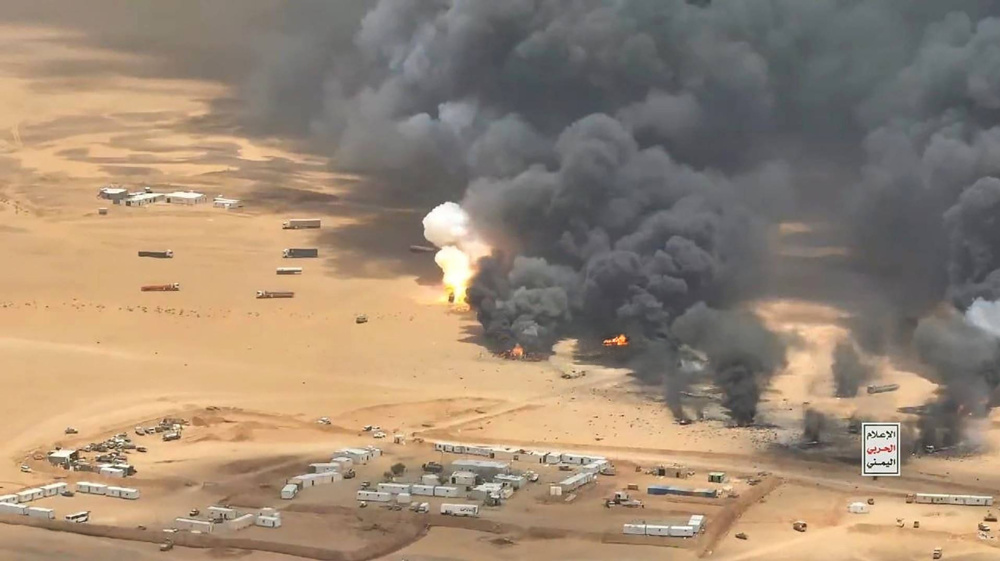
Saudi Mufti urges troops to attack Yemen as Macron announces deployment in Yanbu
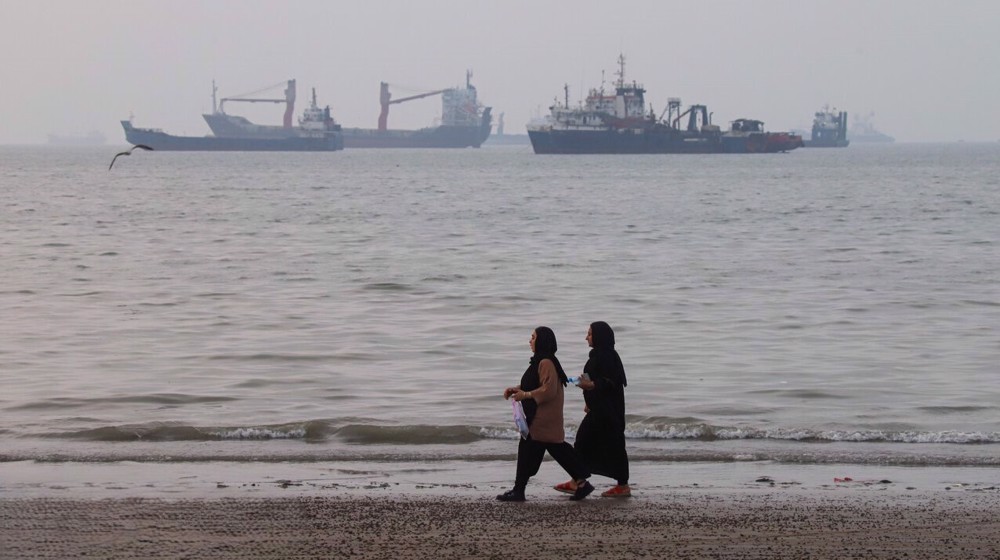
Hormuz traffic falls to single digits despite US claims of increased transit
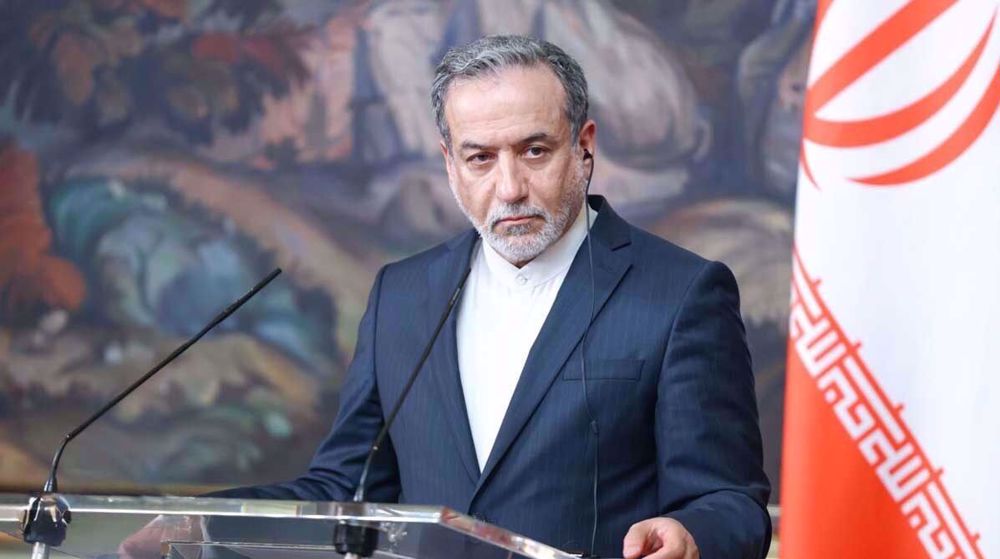
‘Stop your crocodile tears’: Araghchi hits back at French FM over human rights allegations



VIDEO | Restricting Chinese firms is own goal against Europe's economy: Analyst
Pezeshkian: Iran’s strong maritime presence in Hormuz kept vital national lifelines moving
Iran Airbus A319 returns to service with in-house expertise
Iraq’s long, dark night ends: 23 years of American lies, occupation, abuse end in humiliating ouster
VIDEO | Over 400 detained in student protests across France as public workers join strike
VIDEO | Press TV's news headlines
Iran will fire as many missiles as needed to deter enemy: IRGC advisor
From 1980s to 2026: The legacy of Sacred Defense and transformation of Iranian defense doctrine


 PressTV NEWSLETTER
now
PressTV NEWSLETTER
now
 This makes it easy to access the Press TV website
