Iran will fire as many missiles as needed to deter enemy: IRGC advisor
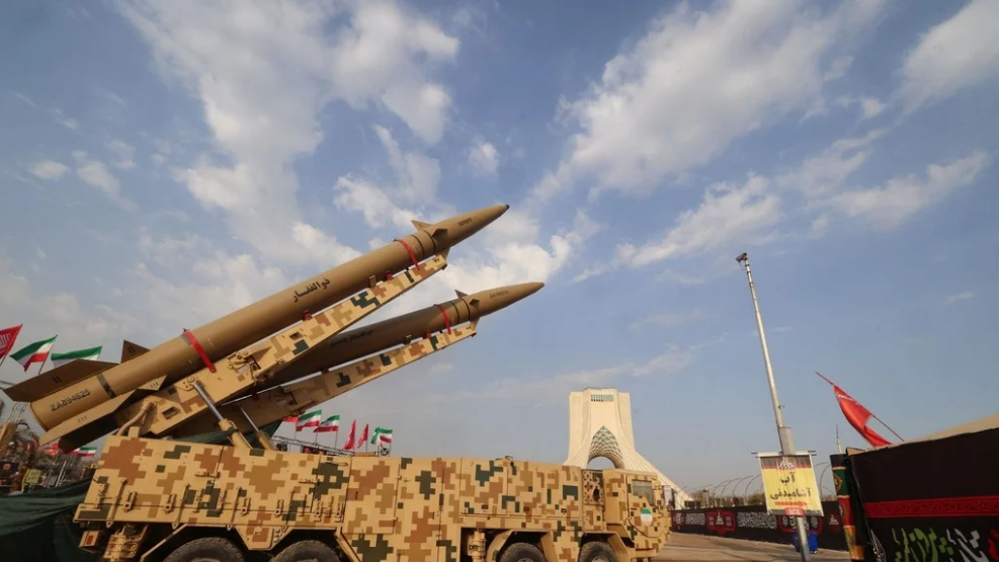
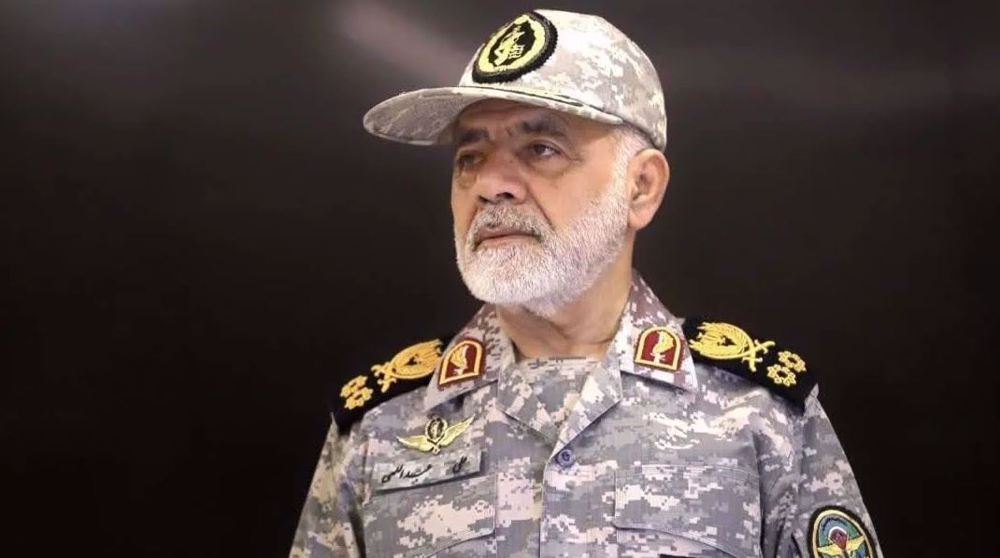
An adviser to the commander of the Islamic Revolution Guards Corps (IRGC) Aerospace Force says Iran’s Armed Forces are ready to launch as many missiles as necessary to deter the enemy and demonstrate that no attack will go unanswered.
Speaking in an interview, Brigadier General Ali Balali said missile technology is more complex and challenging than many other methods and weapons, noting that launching a missile is commonly used as an example of a particularly difficult task.
Referring to the products displayed at an exhibition, he said all the equipment on display is domestically developed and manufactured.
“We have made use of the knowledge available around the world and acted in a way that the barriers and sanctions imposed on the country, despite the efforts of those behind them, could not prevent the Islamic Republic of Iran from building up its power and advancing in the missile, drone and other fields,” Balali said.
Balali also outlined the limitations the Islamic Republic faced in its missile capabilities during Iraq’s war of aggression against Iran in the 1980s, saying the country faced severe restrictions in the field at the time.
“During the eight years of the Sacred Defense, we fired a total of 88 missiles,” he said, noting that the weapons were extremely expensive and Iran lacked the resources to fully cover their costs.
“As a result, we had no choice but to launch the missiles one at a time and in limited numbers so that we could sustain operations until the end of the war,” Balali said. “Today, thanks to God, we no longer face such a problem.”
The IRGC Aerospace Force commander’s adviser stressed that Iran’s current defense capabilities allow it to respond powerfully to attacks.
“Today, in every operation, the armed forces launch as much as necessary, with power and determination, so that the enemy is disciplined and understands that the era of ‘hit and run’ is over,” he said.
He added that during the latest aggression, the enemy launched a limited number of strikes, while Iran responded several times over.
Balali said Iran’s missile production and launch rate is such that the country could sustain operations at the current pace even if a confrontation continued for several years.
He further said that Iranian officials also have comprehensive plans regarding the use of the country’s military capabilities and weapons and act under the guidance and supervision of Leader of the Islamic Revolution Ayatollah Seyyed Mojtaba Khamenei.
The US and the Israeli regime waged their first criminal war against Iran, which lasted 12 days, in June 2025. Their second aggression began on February 28, 2026, and came to a halt in early April after 40 days.
In both wars, Iran’s resistance and successful retaliatory operations forced the aggressors to accept a ceasefire.
Iran has also maintained a tight grip on the Strait of Hormuz since the early days of the second imposed war.
In July, the US conducted waves of deadly air raids on Iran and imposed a naval blockade of the country in violation of the Islamabad Memorandum of Understanding (MoU) with the Islamic Republic, signed on June 17, to end the war.
In response, the Iranian Armed Forces launched devastating strikes against strategic American targets across West Asia and declared the Strait of Hormuz closed to all traffic.
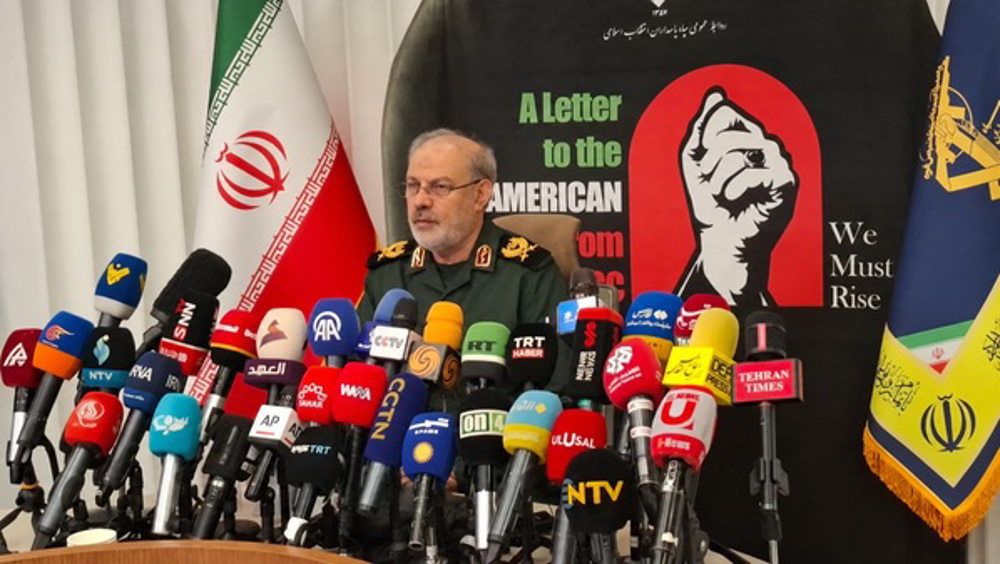
‘Wake up and wrest back control from corrupt politicians’: Snippets from IRGC’s letter to Americans
Enemies seek to weaken Islamic Republic, advance ‘Greater Israel’ plot: Army spokesman
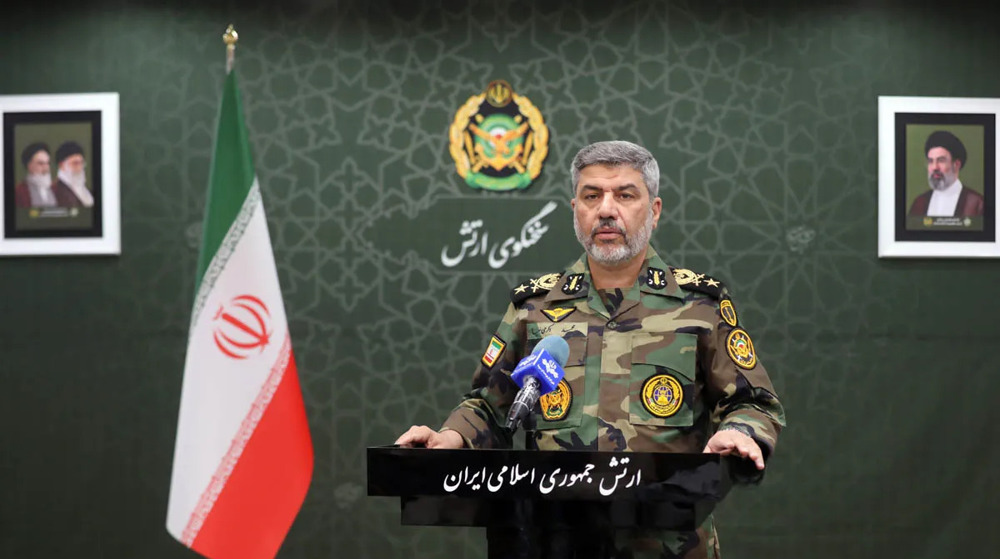
Iran Army demands Qatar clarify fate of missing pilots who struck Al-Udeid air base



VIDEO | Over 400 detained in student protests across France as public workers join strike
VIDEO | Press TV's news headlines
Iran will fire as many missiles as needed to deter enemy: IRGC advisor
From 1980s to 2026: The legacy of Sacred Defense and transformation of Iranian defense doctrine
UAE plane carrying Israelis lands in Saudi Arabia after pilots' brawl creates hijacking scare
US Senate blocks report on Israeli killing of nine Americans in West Bank
Israel continues Lebanon destruction, envoy expresses solidarity with Israeli ambassador
VIDEO | From maximum arrogance to begging for an exit: Trump’s war calculation shattered


 PressTV NEWSLETTER
now
PressTV NEWSLETTER
now
 This makes it easy to access the Press TV website
