Jordan: The Kingdom of repeated compromise
On September 12, 1970, the Zarqa Desert, 40 kilometers northeast of Jordan's capital, saw images broadcast to the world that were shocking: a large number of stranded passengers, three airplanes, and a remote stretch of desert. And this wasn't even the end of the story.
Something even stranger was about to happen within minutes.
When the cameras captured the moment the planes went up in smoke, it became clear that the events of the past few days could no longer be ignored.
The operation was carried out by the PFLP, the Popular Front for the Liberation of Palestine, a group of left-wing Palestinian fighters who launched their plan on September 6th.
PFLP had destroyed completely today the three planes, practicing one of its strategical [sic] lines to hit the imperialist and Zionist interests all over the world and in reaction to the stand of the imperialist and Zionist...
PFLP Spokesperson
That day, three international flights bound for New York were targeted. The third flight, after a struggle in the cockpit, was forced into an emergency landing in London. But the first and second flights were diverted to the Zarqa Desert in Jordan.
Three days later, another plane, flight 755, joined them. The next morning, the Palestinians wrote their names on the bodies of the three aircraft and then held a press conference, a conference meant to announce their demands.
Between September 9th and 12th, the Palestinians waited for the world to respond positively to those demands. No response came. Perhaps it was this indifference that fueled their anger and set the planes ablaze.
They released their hostages, but the explosion of those three aircraft in the Zarqa Desert left the world with a pressing question. What were Palestinian fighters doing in Jordan?
Politicians were asking the same thing. And the first person expected to answer was King Hussein, the ruler of Jordan at the time.
But King Hussein had no satisfactory answer. He too was as lost as the hostages in the Zarqa Desert, torn between the future of his country and the fate of the Palestinians. And yet, in West Asia of that era, there was an even deeper confusion.
No one knew whether the events of those days were just a childish firework show, or whether the Palestinians were truly playing with fire. The strange events of the following days and months would reveal the truth, the bitter truth about a people wandering in the middle of history.
For King Hussein, September 1970 was long and difficult.
What the Palestinians had done had a profound impact on Jordan's future. His decision on how to respond could reshape the future of West Asia, the future of Jordan, and his own fate. If he sided with the Palestinians, how would he answer to foreign governments? And if he opposed them, what would become of the Palestinian cause? The relationship between the Palestinians and Jordan was complicated, one that could only be unraveled by looking back at history.
In those days, King Hussein found himself thinking about his country's past more than ever.
Modern-day Jordan lies in the southwest of Asia, bordering Saudi Arabia, Iraq, Syria, and the occupied Palestinian territories. Before World War I, Jordan was part of the Ottoman Empire.
In the early 1920s, when the empire collapsed, Jordan fell into the hands of one of the war's victors, Britain. The British, drawing on their experience ruling India, chose a policy of indirect control. They handed semi-autonomous administration of Jordan to a powerful local family, the Hashemite dynasty.
For centuries, the Hashemites had overseen Islam's holy sites, including Mecca, thanks to their lineage tracing back to the Prophet Muhammad. But things had changed. Shortly before, during World War I, they had been defeated by the Saudi family in the struggle over Mecca and Medina.
Humiliated, the Hashemites were forced to flee the Hejaz. Now a new opportunity awaited them. A small emirate called Jordan, whose westernmost point lay close to Islam's first Qibla, the Al-Aqsa Mosque in Al-Quds.

Throughout the 1920s and 30s, the Emirate of Jordan pushed for full independence from Britain. Leading this effort was the most prominent Hashemite figure, Abdullah I. Understanding Britain's influence in West Asia, he tried to advance his own strategic vision. That vision entered a new phase in 1939 with the outbreak of World War II.
Part of the war spilled into West Asia, and Abdullah I sided with Britain. With his skilled soldiers, the Arab Legion, he shifted the regional balance in favor of the allies, especially the British. This support paid off about six years later, when the war ended with an Allied victory and Jordan gained independence.
Abdullah I, a descendant of Muslim caliphs, became the natural choice to lead the new state not as a caliph, but as a king. Yet in the early days of his reign, misfortune struck.
I repeat again that His Majesty's government have determined to base their policy on the assumption that they must lay down the mandate, under which they have sought for 25 years to discharge their obligations to fulfill the growth of the Jewish national home and to protect the interests of the Arab population.
In order that there may be no misunderstanding of the attitude and policy of Britain, I have been instructed by His Majesty's government to announce with all solemnity that they have consequently decided that in the absence of a settlement, they must plan for an early withdrawal of British forces and of the British administration from Palestine.
Arthur Creech Jones, British Colonial Secretary (1946 – 1950)
While Abdullah I was preparing for his coronation, troubling news arrived from across the Jordan River. On one side of the river stood the newly established Kingdom of Jordan; on the other side, al-Quds, a predominantly Muslim land now being seized by Jewish forces.
The two banks of the Jordan River represented two opposing approaches. On one side, Britain and fervent Zionist groups; on the other, the Arab nations of West Asia.
The U.N. plan for the creation of Israel proposed dividing Palestine into three parts: a so-called Jewish state, an Arab state, and an international zone.
But this was not something the Arabs welcomed. So the rifles came out of storage, and a new war began: the Arab-Israeli War of 1948.
Abdullah I, alongside the rulers of Egypt, Syria, and Iraq, marched his forces across the river.
Over the next 10 months, the war dragged on, but overall, the newly formed Israel held the upper hand. Israel captured all the areas allocated to it by the U.N., plus parts of the Arab-designated regions.
Egypt seized the Gaza Strip, and Abdullah I gained control of East Jerusalem, including the Al-Aqsa Mosque.
For the Arabs of Palestine, the war brought nothing but loss. But for Jordan's king, it brought opportunity. He could now solidify the Hashemite custodianship over Al-Aqsa.
A symbolic victory against their long-standing rivals, the Saudi family in the Hejaz. Yet this territorial gain created a new challenge for Jordan. When the war ended and the land was divided, a massive wave of displaced Palestinians fled to Jordan.
Even if Abdullah I had reservations, he had no choice but to host them. Around 120,000 people, roughly one-third of Jordan's population at the time. The king's greatest fear now was the newly arrived Palestinians.
How was Jordan supposed to deal with these uninvited guests? Life did not give him much time to answer. On July 20, 1951, Abdullah I was assassinated. A Palestinian nationalist opened fire on him during Friday prayers in Al-Quds.
The assassin represented Arabs who believed Jordan had betrayed the Palestinian cause, that by annexing East Al-Quds, Abdullah had prevented the creation of an independent Palestinian state.
It was a harsh lesson for Abdullah's successors, a warning that the Palestinians inside Jordan had to be taken seriously.
A few days ago, you said that if Israel attacks, she will be completely destroyed. And some Arab leaders actually say that their aim is the elimination of Israel without any qualification.
BBC Reporter
If somebody attacks you, what would be your reaction? Somebody attacks us, we will react. React in war means destruction.
Gamal Abdel Nasser, President of Egypt
The 1950s and 1960s were years of turmoil in West Asia. Jordan was struggling with a succession crisis after Abdullah's death and the presence of large numbers of Palestinian refugees.
Israel was expanding settlements and trying to secure fresh water sources. Egypt and Israel were locked in a fierce struggle over the control of the Suez Canal. And the Palestinians were trying to rebuild their identity.
Their goal was clear: to reclaim their homeland.
We know that it is not easy, but we are ready to pay the price.
Yasser Arafat, Fatah Leader
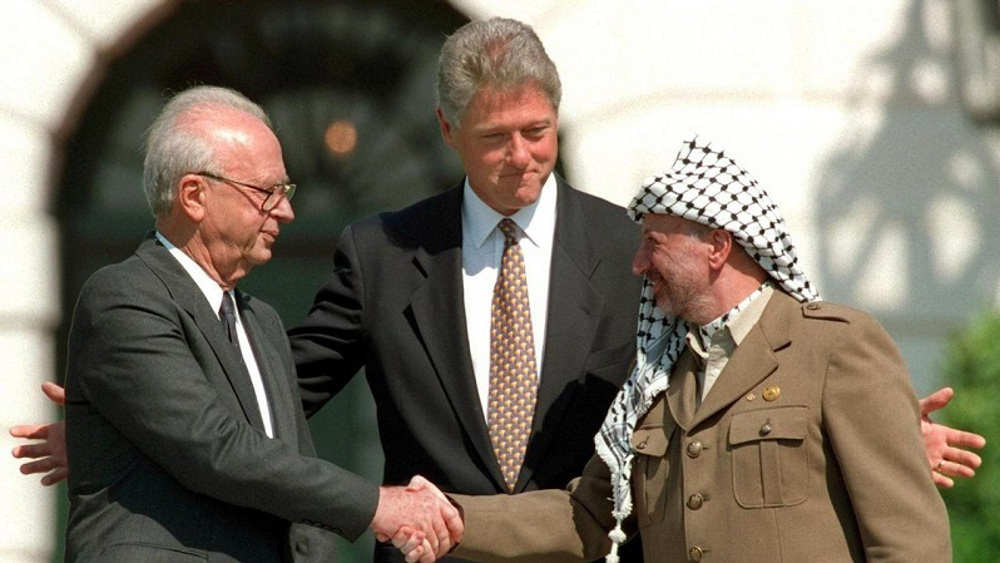
Yasser Arafat founded Fatah and soon after, under the supervision of the Arab League, the Palestine Liberation Organization, the PLO, was established.
Jordan possesses the West Bank as a suitable base for launching the liberation of the occupied homeland, because this country encompasses within itself an inseparable part of it, namely, the overwhelming majority of the Palestinian people, moreover, the territory of this country includes the West Bank, which is the largest part of Palestine that remains in Arab hands.
King Hussein of Jordan
The leadership of the PLO was again handed to Arafat. Not long after, the left-wing fighters of the Popular Front for the Liberation of Palestine, PFLP, joined him.
What mattered most to Jordan's government was that the PLO's center of operations was inside Jordan.
They not only launched attacks against Israel from Jordanian territory, but also gained significant influence within the country.
Unofficial estimates suggested that by the 1960s, half of Jordan's population was Palestinian, around 700,000 people, including roughly 50,000 armed fighters loyal to Arafat.
This was troubling news for Jordan's new king, King Hussein, Abdullah's eldest grandson.
He had come to power through a complicated process and now faced two major threats, Israel on one side and the Palestinians inside Jordan on the other. These two dangers soon collided at a historic moment in June 1967. On June 5, 1967, an unexpected war erupted, Israel on one side and all the Arab states on the other.

The justification for the war was Israel's repeated encroachments on Arab lands, its theft of Arab water resources, and the killing and expulsion of Palestinians.
The Arab nations vowed to free Palestine once and for all.
By June 11, just six days after the war began, the world had turned upside down. Israeli forces had captured the Gaza Strip, the Sinai Peninsula, and the entire West Bank. These newly occupied territories were three times larger than the occupying regime's original borders.
As a result, nearly one million more Arabs came under the Israeli regime's control.
For the Arab governments, the war was a catastrophe. Around 21,000 dead, 45,000 wounded, and a deep sense of humiliation.
Jordan, however, suffered an additional blow. King Hussein lost East Al-Quds and the Hashemite custodianship of the Al-Aqsa Mosque. On top of that, he was once again forced to host a new wave of Palestinian refugees, people who arrived with few belongings and a great deal of anger.
I went out to the front and I could see people crossing over in small groups, very tired, in all the years that I spent since 1953 trying to build that country, that army, all the pride, all the hopes; I saw it just destroyed.
King Hussein of Jordan
Soon, Jordan was filled with refugee camps, stretching from Irbid and Amman to Tafilah and Aqaba. These camps quickly fell under the control of the PLO. Walking through Jordanian streets, one was more likely to see armed Palestinian fighters than Jordanian soldiers.
The feeling King Hussein had while watching this unfold was similar to what his grandfather had felt after the 1948 war, a feeling that would continue to haunt the Hashemites for years to come.
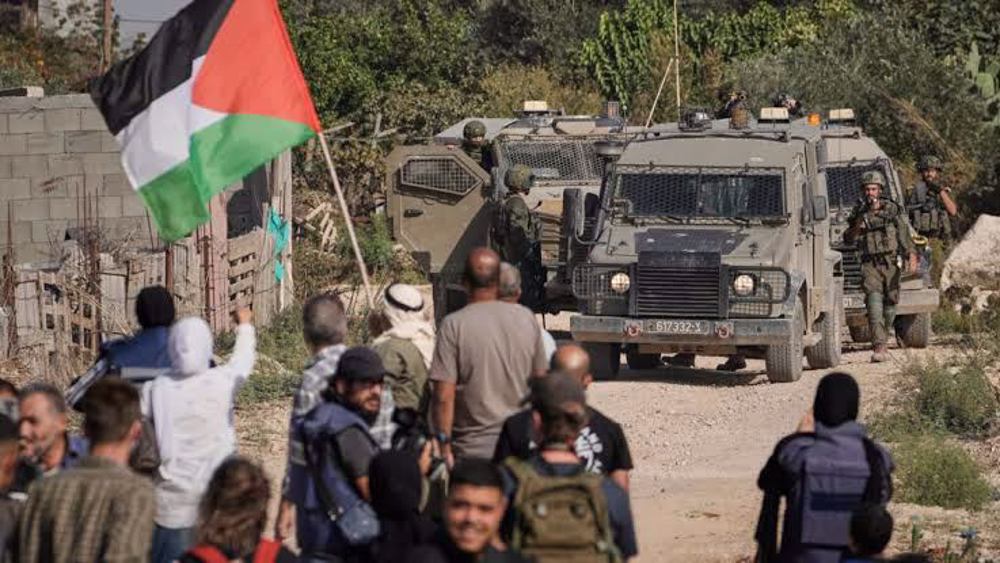
The humiliating defeat of the Arabs in the Six-Day War left them without any leverage against Israel.
The UN Security Council issued multiple resolutions, urging both sides to avoid further conflict. But there was a fundamental problem. The core of the dispute was the Palestinians, yet no one was asking them for their opinion in the peace negotiations.
To the Palestinians, peace meant compromise, a form of surrender to Israel. The Palestinians living in Jordan grew even angrier in August of 1970, when they turned on the radio. Radio Jordan was officially announcing King Hussein's ten-point peace plan.
In his proposal, King Hussein offered Israel more concessions than those outlined in the U.N. resolution, including navigation rights in the Gulf of Aqaba and deeper influence over the Suez Canal.
If implemented, the plan could pave the way for Jordan to re-annex the West Bank and to restore the Hashemite family's historic custodianship over the Al-Aqsa Mosque.
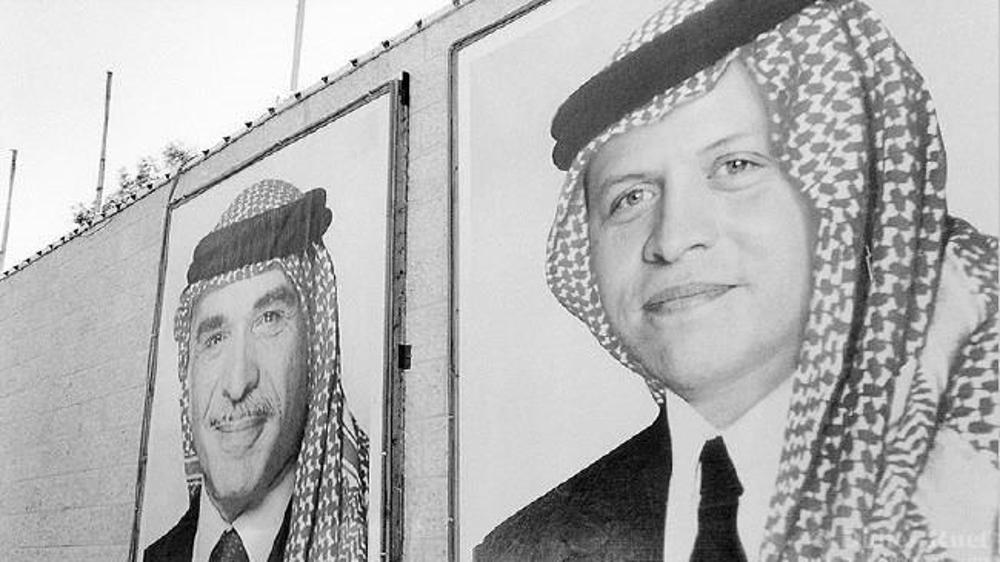
From the Palestinian perspective, this was a political deal, the trade of Palestine, in exchange for the interests of King Hussein and the Hashemites.
They argued that such a proposal was strange and contradictory, coming from a family that claimed descent from the Prophet of Islam.
Their reaction was decisive.
They wanted to draw the world's attention to themselves, to their suffering and the injustice that they endured.
We waited for 20 full years. Nothing happened. Our people remained in their camps, in their tents. They are fed up with this condition.
Palestinian Refugee
On September 1, 1970, breaking news spread across the world. King Hussein's car, en route to the airport, had been sprayed with bullets. Was this the end of what Palestinians called compromise?
We don't like to fight against the government. But if they are insisting to clash, we will fight.
Yasser Arafat, PLO Chairman
For three days, nothing was clear. But on September 4th, everything changed.
The first truth is that the bloody events in Jordan last week were neither accidental nor natural; rather, they were a planned conspiracy and a deliberately engineered sedition that had been brewing in the shadows.
King Hussein of Jordan
The Jordanian army shelled a secret meeting of PLO leaders. Yasser Arafat and his comrades survived, but they now knew King Hussein was alive.
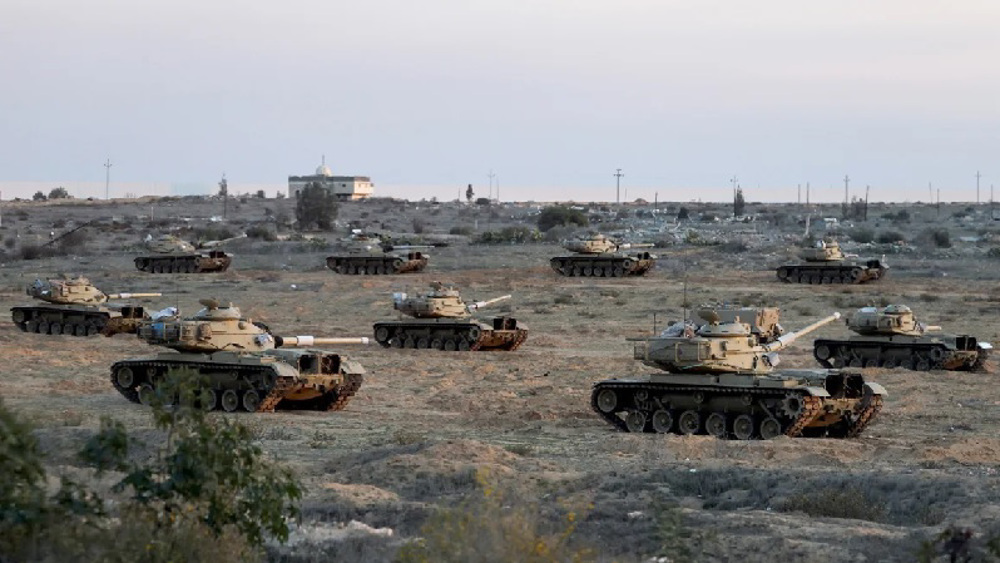
The hijackings, the press conferences, and the release of hostages in the following days were all attempts to capture global attention; events that marked the beginning of a strange and turbulent period in Jordan's history, later known as Black September.
On September 6, when the three hijacked planes landed on Jordanian soil, all the past events flashed through King Hussein's mind. The first and second waves of Palestinian migration, the blood and family ties between Palestinians and Jordanians, the growing power of the PLO right under the nose of the central government, and the repeated attacks on Israel launched from Jordan.
Life between Palestinians and Jordanians had become so intertwined that the PLO effectively controlled several cities. This was a dangerous situation for the king, made worse by pressure from foreign governments.
King Hussein had to choose: the Palestinians or the survival of his monarchy.
On September 16, he summoned his generals to the palace. The goal was to form a military cabinet and declare a state of emergency against Palestinian fighters.
On the other side, under Yasser Arafat's leadership, the Palestinian factions united to fight King Hussein before fighting Israel.
The battle was different for both sides.
King Hussein deployed tanks and artillery into the cities. The Palestinians fought back with trained guerrilla fighters.
What everyone feared had finally happened: a civil war between Arab brothers. Jordanian forces attacked Palestinian camps; Arafat's fighters targeted army bases.
The result was relentless, horrifying civilian casualties. The Jordanian army cut water and electricity to the camps and dug mass graves with bulldozers.
Palestinian fighters raised the PLO flag over the cities that they controlled.
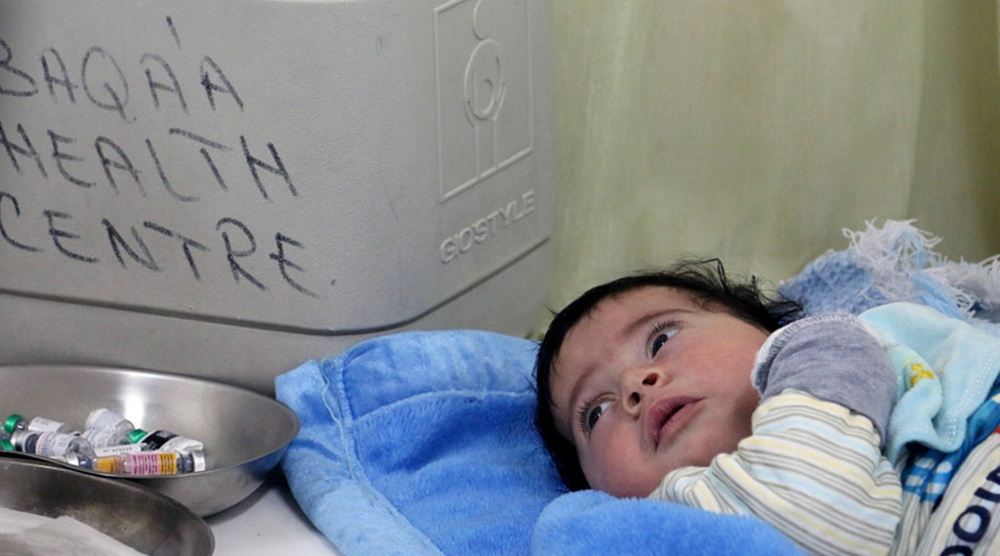
Soon, the Palestinians called for help from the Syrian army, making Hussein appeal to Western countries. As Syrian tanks crossed the border to aid the Palestinians, Western pressure forced Syria to retreat.
The tanks and equipment never reached the Palestinians, giving King Hussein the chance to deliver the final blow, the final blow to an organization that sought to liberate Palestine.
There is no precise count of the dead in Black September.
Some say 1,000 Palestinians, others claim as many as 25,000; whatever the number, the violence eventually led to peace talks.
Egyptian President Gamal Abdel Nasser hosted the negotiations in Cairo.
But the Palestinians insisted this was not peace; it was surrender.
Days later, Arafat was ordered to remove all PLO factions from Jordanian soil. His next destination was Lebanon, but no one knew what King Hussein's next destination would be.
Jordan was now seen as a country that had turned its back on the Palestinian cause, a country that had bought peace at a heavy price. What would King Hussein do with this peace?
During the 1970s and 1980s, Jordan sank into a deep silence, politically, culturally, and economically. The country was politically fragile, culturally closed, and economically strained.
King Hussein's break with the Palestinian cause had damaged Jordan's reputation both domestically and across the Arab world. Trade relations fell to their lowest levels.
Jordanians of Palestinian origin lived with the old wounds of Black September, and the Israeli issue seemed unsolvable.
King Hussein had not been able to regain custodianship of the Al-Aqsa Mosque or reclaim the territories lost in the Six-Day War. Meanwhile, Western countries continuously pressured Jordan to recognize Israel.
Then, in 1992, the king received even worse news. Medical tests showed he had developed lymphatic cancer, just like his country, Jordan, which was also struggling for survival.
A new question emerged. How much time did King Hussein have left to save himself and his country?
Now, I think most people feel that within itself, the PLO-Israeli deal cannot really have much of a future unless there is a much wider network in which you and Israel and Syria and Israel and Lebanon and Israel are involved.
How near are we a Jordan-Israel treaty?
TV Host
A Jordan-Israel treaty, perhaps sometime, but certainly the process leading to resolving all the problems as they relate to Israel and Jordan at the beginning will be very, very soon.
In fact, we have an agenda. We have held off ratifying it or working on it until such time as we saw some progress on the Palestinian track.
Now that that is there, we will begin very soon, and we hope that the same will happen with regard to Syria and Lebanon, and then we will have the comprehensive peace we have always sought.
King Hussein of Jordan

On October 26, 1994, the name Wadi Araba became known worldwide. This desert valley between Jordan and Israeli-occupied territories hosted peace negotiations mediated by the United States. President Bill Clinton applauded the peace achieved by King Hussein of Jordan and Yitzhak Rabin of Israel.
After signing the agreement, Rabin declared: “Today is the end of war. From today, we will be neighbors and friends with Jordan”.
This is peace with dignity. This is peace with commitment. This is our gift to our peoples and the generations to come.
King Hussein of Jordan
But the public statements weren't what mattered. The real significance lay in the behind-the-scenes agreements.
Jordan established diplomatic relations with Israel and, in return, received several benefits.
About $600 million in economic aid from US Congress, approval for foreign investment from Europe, development of drinking water infrastructure, the expansion of southern ports, and growth in tourism.
Most importantly, Jordan began importing natural gas from Israel, reducing its dependence on expensive oil from Saddam Hussein's Iraq.
The agreement also included another key clause, one that restored the Hashemite family's Arab legitimacy.
Israel agreed to reinstate the Hashemite custodianship over Al-Aqsa Mosque. Although Israel did not return the occupied Jordanian lands, this symbolic victory mattered.
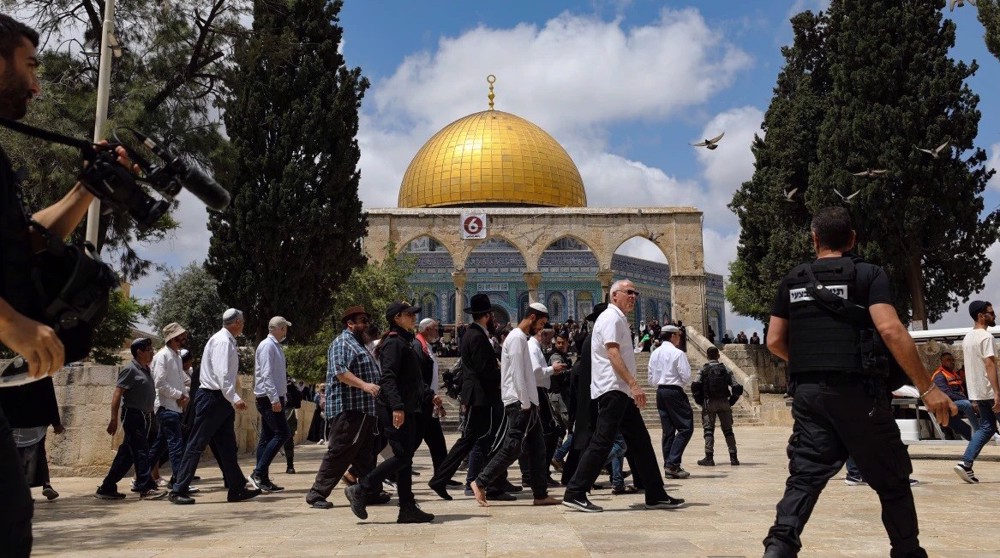
When King Hussein returned to the capital with this achievement, he breathed a sigh of relief and, as always, lit a cigarette.
But the glow of his cigarette was like a fire smoldering beneath the ashes. As King Hussein's health deteriorated, the consequences of the peace agreement with Israel became more visible.
Within a few years, large sums of money flowed into Jordan's economy, but GDP growth remained modest.
Living standards improved, but Jordanians also valued their Arab dignity, and that dignity now felt stained. Public opinion in Jordan viewed the peace treaty unfavorably, and King Hussein felt this social pressure alongside the pain of his cancer.
Over time, it became clear that the bilateral agreement with Israel had effectively turned into a one-sided dependency. By the late 1990s, Jordan relied almost entirely on Israel for both energy and water. Israel sometimes used this dependency as political leverage, directly affecting Jordan's fragile economy. The ailing king, traveling back and forth between Jordan and the United States for treatment, understood this reality.
He smoked more than ever, each cigarette reminding him of the fires of the past. What would become of Jordan after him? Perhaps everything depended on January 1999.
On January 25th of that year, Jordanians received shocking news. The medical team had lost hope for King Hussein's recovery, but this wasn't the only surprise. In an unexpected decree, King Hussein changed the line of succession.
His younger brother, Prince Hassan bin Talal, had waited 30 years to succeed him, but everything changed in a single day. King Hussein announced that from now on, his young son Abdullah, named after his grandfather, would be the crown prince.
37-year-old Abdullah became known as Abdullah II, and he waited only two weeks to become king.
On February 7, the Jordanian monarchy announced that King Hussein, after years of battling cancer, had died at the age of 63.
His funeral was held with great ceremony. Even Yasser Arafat was among the distinguished guests. As the late king's coffin left the palace, one could see deep worry in the eyes of the country that, for its survival, would once again have to play with fire.
1999 marked the end of the 20th century and the beginning of a new era for Jordan, a country caught between blood and fire.
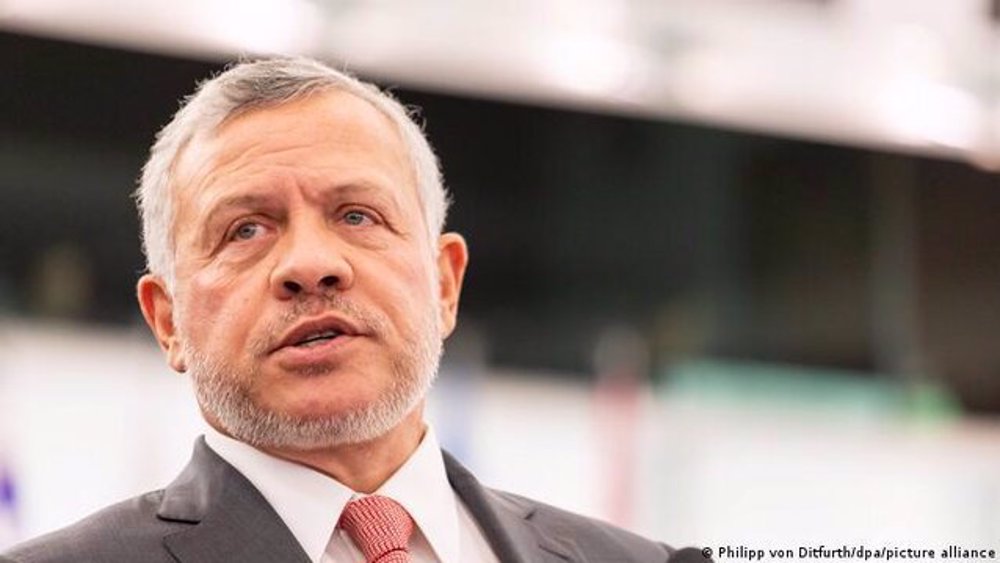
February 7, 1999, King Hussein, the powerful ruler of Jordan, was no longer alive. The departure of his coffin from the royal palace could easily be interpreted as Jordan's departure from its fragile stability.
A truth understood better than anyone by King Hussein's brother, Prince Hassan bin Talal.
For nearly 30 years, Hassan had waited for the day his position as crown prince would turn into kingship, the sweet dream that had turned into a nightmare just two weeks before Hussein's death.
Considering that his majesty, may God protect him, is still under intensive medical treatment, due to circumstances that rendered him unable to carry out his constitutional duties, as confirmed by his physicians, the Council of Ministers, in accordance with Article 28 of the constitution, has decided to appoint His Royal Highness, Prince Abdullah bin Hussein, the Crown Prince, as Regent, so that he may exercise the powers of the King, under the current circumstances.
Court Spokesperson
In a sudden and unexpected move, King Hussein removed Prince Hassan from the line of succession and replaced him with his own son, Abdullah.
Now looking at Abdullah's face, Hassan could see his nightmare unfolding in reality. No one knew exactly why Prince Hassan had been replaced by his nephew.
Some said it had stemmed from deep-rooted tensions between him and King Hussein's wife. Others argued that because Abdullah's mother, Princess Muna, was British, his rule would bring more stability to Jordan.
Some pointed to internal disputes within the Hashemite family, while others believed Hussein simply wanted the throne to remain within his direct bloodline.
Whatever the reason, Prince Hassan was now merely a seasoned statesman; Abdullah II was the new king of Jordan. A young man who had reached the dream of kingship, only to discover that what lay before him was anything but a dream.
Abdullah had no political experience and no background in diplomacy. He knew that the military, tribal leaders, wealthy elites, and members of the Hashemite family were all on high alert. At any moment, a political shock could throw Jordan into chaos.
And that wasn't all. Only five years had passed since the so-called peace treaty with Israel, yet economic growth hovered at a mere 2%-3%.
Around 30% of the population lived in extreme poverty, and unemployment had reached the alarming level of 15-20%.
Budget deficits, foreign debt, high military spending for security, and the lack of foreign investment were the challenges awaiting the young king.
On the one hand was competition with other Arab states and the ongoing Palestinian refugee crisis; on the other, Jordan's eternal challenge, namely, Israel.
Abdullah understood everything very quickly. He too began to have nightmares, but with one major difference. Abdullah II's nightmare would last 21 years; 21 turbulent, eventful, and extraordinary years.
It's a normal thing to visit the Temple Mount. We are looking for peace, but for us, peace means security. For us, peace means that everyone will be able to go and visit the holiest place, will be able to pray.
That is the simplest thing. It's so obvious in democracies where both of us live.
Ariel Sharon, Israeli Prime Minister
September 2000. Only a few months into Abdullah's reign, he received troubling news. Ariel Sharon, Israel's prime minister at the time, had made an unexpected visit to the Al-Aqsa Mosque.
For Palestinians, this was a provocation, and it ignited their anger. The second intifada had begun. The intense clashes in the occupied territories had serious consequences for King Abdullah.
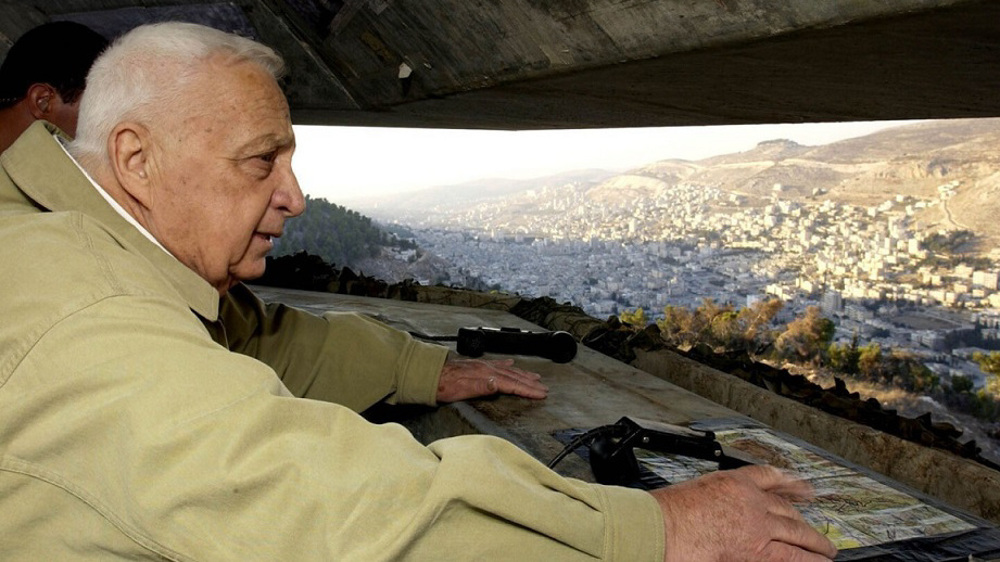
For months, he had tried to uphold the terms of the 1994 peace treaty, the treaty that his father had signed, which essentially meant ending hostilities with Israel and improving Jordan's economy. But now everything had changed. Abdullah had to take a position.
Supporting Israel would enrage the Palestinians living in Jordan. Supporting the Palestinians would violate the 1994 peace treaty.
Abdullah chose a middle path.
He called on international organizations to end the violence, urged Palestinians to show restraint, and asked Israel to accept the creation of a Palestinian state.
I meet Muslims thousands of miles away who have a deep personal response to the suffering of the Palestinian people.
They want to know how it is that ordinary Palestinians are still without rights and without a country.
They ask whether the West really means what it says about equality and respect and universal justice.
King Abdullah II of Jordan
But this was not his only concern.
Determined to revive Jordan's struggling economy and to attract foreign investment, Abdullah had decided to begin privatizing state-owned companies. This required strong ties with foreign governments, financial aid, and loans.
Then, exactly one year after the intifada began, another event shook the world. On September 11, 2001, Abdullah stared in shock at the television.
It wasn't just the World Trade Center collapsing. It was the collapse of his already fragile hopes for economic reform.
I just want to, I think, point out that the struggle that we have with al-Qaeda is not an issue of politics. It's not an issue of Jordanian policy. They're out to get everybody.
More Muslims have lost their lives to these extremists than all other religions put together. This is a fight inside of Islam.
King Abdullah II of Jordan

The post-9/11 atmosphere was one of Islamophobia. Jordan had spent years trying to build good relations with Western countries, but now it was becoming a victim of the new anti-Muslim sentiment. Financial aid to a Muslim country was no longer a priority for Western governments, especially the United States.
And troubling secret reports were emerging: reports about Jordan's neighbor, Iraq.
My fellow citizens, at this hour, American and coalition forces are in the early stages of military operations to disarm Iraq, to free its people, and to defend the world from grave danger.
On my orders, coalition forces have begun striking selected targets of military importance to undermine Saddam Hussein's ability to wage war.
George W Bush, US President
On March 20, 2003, American troops finally set foot in Iraq. This marked the beginning of a new crisis for Jordan.
The US invasion triggered a massive influx of war-stricken Iraqis toward Jordan's borders.
Unofficial estimates suggest that 500,000 to 700,000 Iraqis entered Jordan after Saddam's fall, a heavy burden on the country's already fragile economy.
Meanwhile, Jordanians were confronted with another surprising development.
In an abrupt decision, Abdullah removed his brother Prince Hamzah from the position of Crown Prince and replaced him with his son Hussein.
The move reminded everyone of the Hassan bin Talal episode. But no one had time to question it, because shortly afterward, the country was hit by a major security shock.
On November 9, 2005, King Abdullah was awakened by the sounds of multiple explosions, strange, powerful, terrifying blasts.
Three bombs had exploded in Amman, the capital of Jordan, and in three of the city's well-known hotels: the Radisson, S.A.S., the Grand Hyatt, and the Day's Inn. These hotels were frequented by foreign visitors, including diplomats and international businesspeople.
The attacks left 60 dead and 151 injured, delivering a severe blow to Jordan's security and political image.
Soon after, Abu Musab al-Zarqawi, the leader of Al-Qaeda in Jordan, claimed responsibility.
We know that Jordan is targeted, perhaps more than others, for many reasons, including its role and message in defending the essence of Islam, a religion of moderation, tolerance, and the fight against terrorists who kill innocents in the name of Islam, and Islam is innocent of them.
King Abdullah II of Jordan
Zarqawi declared that the bombings were a direct response to Abdullah's compromising relationship with Western countries.
Now, Abdullah faced a new crisis on top of all the previous ones: a security crisis. And it soon revealed another dimension: a devastating war near Jordan's borders.
The statement came after an Israeli airstrike killed at least 36 civilians in the southern Lebanese town of Qana.
The deadly strike targeted a four-story residential building used as a refugee shelter. Most of the dead are said to be children and women.
Officials and rescue workers say they've been unable to reach dozens more, trapped in the rubble of the bombed-out building.
News Anchor, Afshin Rattansi
At the time, the Jordanian monarchy was focused on the economy, securing new loans, reducing subsidies, increasing taxes, expanding tourism, and improving foreign trade.
But now the smell of gunpowder was in the air.
In July 2006, the exchange of fire between Hezbollah and Lebanon and Israel dominated global headlines.
Even if Abdullah wanted to avoid the consequences, he couldn't. As always, Jordan adopted a policy of tension management, but that did not solve the problem.
After the 1994 peace treaty, Jordan's political strategy had become deeply intertwined with Western policies. As a result, the impact of the war on Jordan's economy was unmistakable.
Security concerns drove away foreign investors. Capital flight meant unemployment, slower economic growth, and unpaid loans.
Tourism, Jordan's central economic strategy, plunged into crisis. Public dissatisfaction grew daily. People faced higher taxes, reduced subsidies, and no improvement in living conditions.
In this situation, Abdullah once again had no choice but to seek strong ties with Western countries, especially the United States. Ties were needed for loans and economic cooperation.
Mr. President, the establishment of a free trade area between our two countries contributes to the strengthening of the economy of Jordan, thus enhancing the prospects of regional stability.
We shall continue to pursue our cherished goal of peace in our region.
King Abdullah II of Jordan

But his timing could not have been worse. Just when Jordan needed American money, disaster struck. In mid-September 2008, the world's top headline was the global financial crisis, a full-scale collapse of the US financial markets.
We're in an urgent situation, and the consequences will grow worse each day if we do not act.
US President, George W Bush
The deep economic crisis in the United States meant an even deeper economic crisis for Jordan. Abdullah had believed that the peace treaty with Israel, economic austerity, and foreign assistance would form a triangle of prosperity for Jordan.
That illusion collapsed quickly, leaving the country stuck in a crisis.
The situation continued through 2009 and 2010. The Jordanian government tried to maintain a degree of stability to keep foreign aid flowing, until a Tunisian street vendor changed everything.
How do you describe what's going on?
Is it a wake-up call for yourself and other world leaders in that region?
Christian Amanpour, CNN
Definitely it's a wake-up call, and this is a new and definitely defining moment for the Middle East, which way the Middle East goes, I hope, reaching out to the aspirations of the youth.
This will be a good story when we look back on it years from now.
King Abdullah II of Jordan
In December 2010, the story of Mohamed Bouazizi reached the world.
Bouazizi had set himself on fire in protest against mistreatment and administrative corruption in Tunisia, an act that ignited a wave of public anger.
The movement that came to be known as the Arab Spring began in Tunisia.
President Ben Ali's government could not withstand the uprising and soon fell.
When news of his fall spread to other countries, the Arab Spring entered a new phase. This time, images of mass protests were everywhere, from Egypt and Syria to Libya and, of course, Jordan.
Abdullah, who had been trying to keep the situation stable, now faced widespread street protests. Jordanians were angry about unemployment, corruption, and rising living costs.
It's expensive to live in Amman. A lot of people are poor. They cannot afford the basic needs of life.
And these people have been going to the streets, demonstrating, asking for more political and economical reforms.
Journalist
Some protested the government's conciliatory policy toward Israel, while others objected to Jordan's one-sided relationship with Western countries.
Watching the fate of his fellow Arab leaders, Abdullah chose a different response. Jordan was far too fragile for anyone to risk armed confrontation. Perhaps that is why he quickly announced promises of political reform.
Right at the beginning of this, we brought all sectors of society together, we created what we called the national dialogue, to all sit around the table and decide what it is that Jordanians want.
The committee has embarked on two laws, a new election law and a new political party law, which is, I think, critical for the future of Jordan.
We'll have new elections at the end of the year, and it'll be the start of new democracy in our country.
King Abdullah II of Jordan
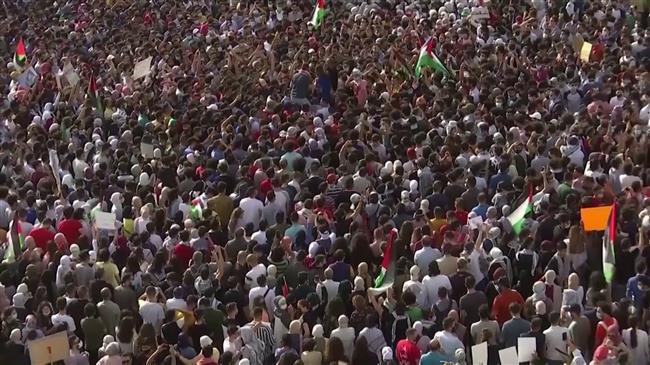
Prime Minister Samir al-Rifa'i was dismissed. The public heard promises of constitutional reform, and Abdullah declared in a speech, “We must respond to change with wisdom and courage”.
Some opposition groups claim this retreat was not genuine and was merely a tactic to avoid revolution.
But regardless, Abdullah succeeded. He managed to send a significant portion of the protesters back home; Jordanians returned to their homes, and the Hashemite family breathed a sigh of relief.
Jordan had built a solid barrier against the powerful wave of the Arab Spring.
Immediately afterward, the government sought to restart its economic development plans, job creation, infrastructure projects, attracting foreign investment, and expanding tourism.
Everything seemed to be back on track, except for one thing. Abdullah did not expect the next blow to arrive so quickly, and certainly not from the northern neighbor, the Syrian Arab Republic.
When the Arab Spring reached Syria, it resembled winter more than spring. Bashar al-Assad sought to restore order, opposition groups aimed to overthrow the regime, and another faction, Daesh, sought to establish a so-called caliphate.
The conflict in Syria became so complex that it drew in multiple foreign powers: the United States, Israel, Turkey, Iran, and Russia. Abdullah was deeply troubled. The armies of several global powers were now operating just beyond Jordan's borders, and Syria's situation grew more complicated by the day.
What Abdullah feared most happened sooner than expected: Jordan's recurring nightmare, a massive influx of refugees.
As Syrian war refugees began entering Jordan, Abdullah was reminded of the past: the waves of Palestinian migration, the mass arrival of Iraqis, and the crises that followed.
He remembered how critics of his father had warned that compromising with Israel would deepen Jordan's vulnerability.
It now seemed that prediction had come true.

But Abdullah either could not or would not admit this mistake. King Hussein's signature on the 1994 treaty was too bold, too permanent to erase. Thinking about the past was useless.
Abdullah announced that he intended to organize the Syrian refugees.
The issue of refugees has once again been raised in Europe, but perhaps due to the challenges refugees have created there, people are surprised at how we in Jordan have accepted 20% of our population in the form of our Syrian brothers and sisters.
The impact has been felt especially among the youth.
You speak about refugees more than anyone else, referring to everything we hear about the refugee situation in Europe and the readiness of European countries to address this issue.
While the largest European countries are capable of resolving this problem and are prepared to accept refugees over a period of five years, in the end they accept less than one percent of their populations.
King Abdullah II of Jordan
Camps were quickly built along the northern border. Refugees were registered. The government claimed that 600,000 Syrians had entered Jordan within months, but that was not the whole story.
The Syrian war was far larger than it appeared. Jordan said it had taken in 600,000 Syrians, but the real number was twice that. Those who entered illegally settled in camps like Zaatari and Azraq.
But this was only the beginning of the crisis.
The Jordanian government and the United Nations Refugee Agency have just officially announced the opening of the first refugee camp for Syrians here in al-Zaatari village in the province of al-Mafraq in northern Jordan.
What you can see behind me is just over 2,000 tents.
Journalist
Many refugees entered the informal labor market beyond the government's oversight. This quickly pushed off official wage levels and fueled higher unemployment.
The refugees also needed housing, but resources for construction were limited. Within a short time, land prices and construction costs soared, and once again, ordinary Jordanians were the main losers.
Soon, a shortage of food supplies and another critical issue emerged.
Abdullah was reluctant to speak about this particular problem. He knew very well what his country's main weakness was. A weakness tied directly to Jordan's western border with Israel: the water resources of the Jordan River.
Jordan is the second most water-poor country in the world. Water scarcity has been an issue since Jordan's independence. But in the early 2000s, it became far more severe.
Climate change, unsustainable farming, and poor resource management on the one side, and repeated waves of refugees on the other, all intensified the crisis.
Drinking water in Jordan became both scarce and expensive. Neither Jordanian citizens nor refugees had reliable access to it.
Abdullah's only viable option was the water resources of the Jordan River, which forms the border between Jordan and the Israel-occupied territories.
But there was a major problem. Abdullah could not draw water from the river as he wished.
Everything went back to the 1994 peace treaty with Israel, an agreement that had once been a source of pride for the Hashemites, but now had become a burden.
King Hussein had signed the treaty, hoping to rescue his country from crisis.
He had traded the Hashemite dynasty's Arab prestige for the security of the monarchy. He regained custodianship of the al-Aqsa Mosque and offered Israel peace along the Jordan River.
But the treaty had other clauses.
One of the most important was with regard to water. According to the agreement, the Jordan River was divided into upper and lower sections; the upper basin was allocated to Israel, the lower basin to Jordan.
On paper, the division looked fair. But Israel, as always, had its own interpretation of fairness.
Water is, of course, a precious resource across the world, but particularly so in landlocked countries like Jordan.
France 24
And you said it, with this influx of refugees, it's causing huge problems.
We were filming this report at the border with Syria, notably, and we met with people in those border towns telling us that they used to have water running daily in their pipes, in their homes.
And now, because of the current situation, the war, the decade-long war in Syria, well, now they've only got water 12 hours, one day a week.
Clovis Casali, France 24 Reporter
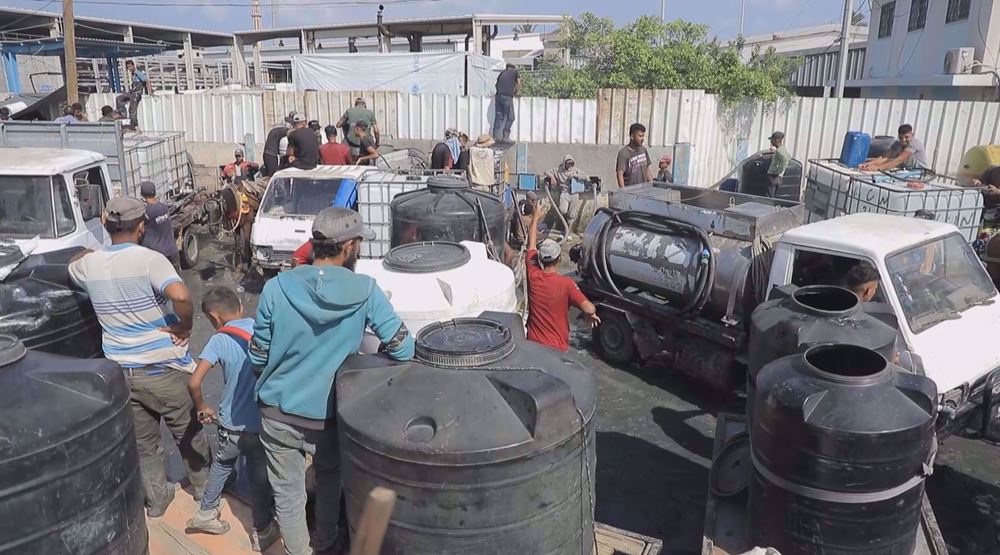
Multiple confidential reports described Israeli obstruction in the upper basin, diverting the river's flow toward the West Bank, and sending Jordan its allocated share of water in polluted, unusable form.
Meanwhile, since the treaty was signed, Jordan's population had grown, and climate change had accelerated.
Jordan repeatedly asked Israel to release more water from the upper basin, but Israel refused. For Israel, water was nothing more than a political pressure tool.
This is why analysts believe Abdullah's ambiguous stance on the Palestinian issue was tied to water resources.
The Jordanian government, however, insisted that the difference in water availability was due to economic factors, specifically Israel's heavy investment in desalination plants.
With a strong GDP, Israel could utilize every drop of water.
Abdullah, on the other hand, struggled even to secure basic goods for his country.
When Abdullah was warned that water tensions could lead to social unrest, he remembered the text of the treaty with Israel.
A text whose every word now casts a shadow over the lives of Jordanians. Would this situation ever change? Everything depended on the future.
Thousands of Jordanians took to the streets on Friday. It was the largest group yet to call for the US-backed monarch's ouster.
It was the fourth day of unrest in Jordan.
The demonstrations began over rising fuel prices in a country which has been spared from the brunt of the Middle East unrest.
TV Newscaster

Since the Arab Spring began in the region, King Abdullah has faced severe instability within his own government. In just two years, from 2011 to 2012, Jordan saw three prime ministers come and go.
Marouf al-Bakhit was replaced by Awn Al-Khasawneh; Al-Khasawneh resigned, and Faiz al-Tarawneh became prime minister. Eventually, al-Tarawneh was replaced by Abdullah Ensour.
The future Abdullah hoped for was anything but clear.
It soon became evident that the reforms promised during the Arab Spring had not produced the results people expected.
We have two years trying to tell the king that we want to reform the regime the king don’t listen to the people and the people now in a real revolution.
Jordanian Protestor
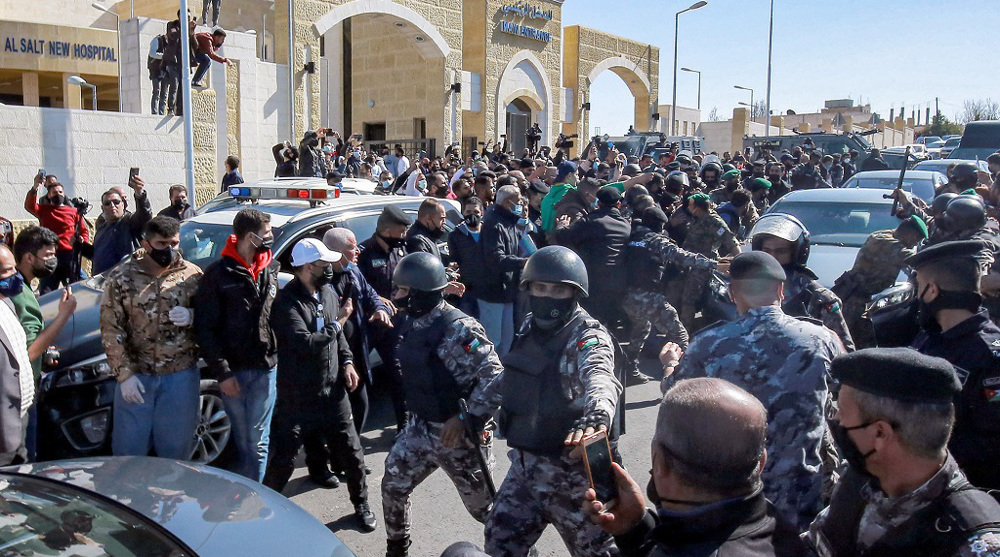
As a result, clashes between citizens and security forces could be seen from time to time across the country.
In 2012, protests erupted over rising fuel prices.
In 2013, tribes in Karak protested unemployment.
In 2014, the people of Ma'an protested administrative corruption.
These demonstrations continued in the following years, sometimes over taxes, sometimes inflation, and sometimes water shortages.
Government instability persisted until 2020.
New administrations under Hani al-Mulki, Omar al-Razzaz, and Bisher Khasawneh came to power, each hoping to ease the country's deep structural problems.
Alongside suppressing protests, Abdullah tried to push forward his economic development agenda.
Tourism was one of the few industries that could generate significant revenue without relying on Israel or Western powers.
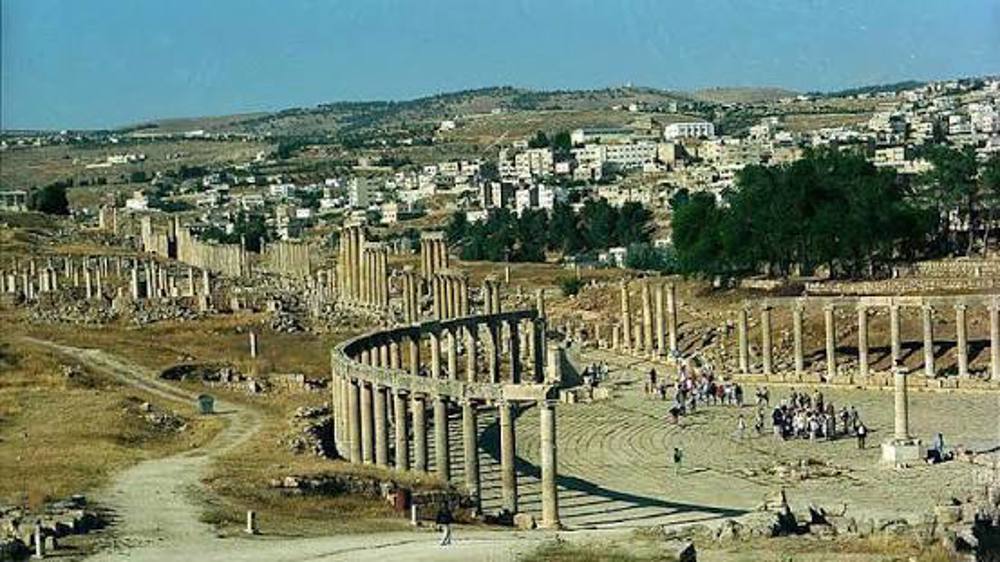
Jordan earned $6 billion annually from the 4.5 million tourists who visited Petra, Wadi Rum, Jerash, and the Dead Sea. This income helped compensate for Jordan's lack of oil, limited mineral resources, and the absence of major trade corridors.
Abdullah hoped that this industry would expand in the new decade. But when 2020 arrived, everything changed. In March of that year, the World Health Organization declared COVID-19 a global pandemic.
Countries entered a lockdown one after another, and airports experienced the quietest days in their history.
It would be equally incredible if the lesson of just how interconnected we really are, is lost on us. We cannot beat this virus by turning inwards. It does not stop at borders, and nor should our cooperation.
We can only overcome COVID-19 and what comes beyond it through a renewed integration of our world, a re-globalization that makes the well-being of all our peoples the ultimate goal.
King Abdullah II of Jordan
It was obvious that the first industry to suffer would be tourism. Precisely the one thing Jordan depended on most. Within weeks, the number of incoming travelers dropped by more than 70%.
COVID-19 affected Jordan's economy both directly and indirectly.
Our economy is collapsing. Look at the shop; it is empty.
Jordanian Shopkeeper
In the months that followed, the economic crisis became the backdrop for an unexpected event. One centered on a mysterious member of the Hashemite family.
In the anxious days of the lockdown, few people remembered Prince Hamzah, the same half-brother of King Abdullah, who had been abruptly removed from the line of succession years earlier.
During those days, Abdullah feared something even more than the spread of COVID-19: the spread of another kind of virus, one that no one might be able to stop.
I had a visit from the Chief of the General Staff of the Jordanian Armed Forces this morning, in which he informed me that I was not allowed to go out to communicate with people.
I am not the person responsible for the breakdown in governance, for the corruption, and for the incompetence that has been prevalent in our governing structure for the last 15 to 20 years.
Prince Hamzah of Jordan
As a deposed Crown Prince, Prince Hamzah had long been known as a quiet political figure, a man who observed Jordan's developments closely, moment by moment.
He understood the consequences of the peace treaty with Israel better than anyone. He understood the refugee crisis, the water shortages, and the economic indicators better than anyone.
He knew the realities of discrimination, poverty, inflation, and the suppression of protests better than anyone.
Years of traveling to remote tribes had made him familiar with local leaders and influential figures. Refugees knew him well, and so did the political elites.
This became clear when Hamzah tried to do something about Jordan's deteriorating situation. He publicly criticized the governments, condemning corruption, incompetence, and the lack of planning.
Their well-being has been put second by a ruling system that has decided that its personal interests, that its financial interests, that its corruption is more important than the lives and dignity and futures of the 10 million people that live there.
Prince Hamzah of Jordan

Hamzah also spoke out against Trump's deal of the century for the Palestinians, warning that it could even strip the Hashemite family of its historic custodianship over the al-Aqsa mosque.
This last point was a sign, a sign that, in Hamzah's view, Jordan needed fundamental changes in governance, major changes to restore the country's former dignity.
Soon, news spread that Hamzah was doing more than just criticizing. He was allegedly organizing opposition groups and protesters, in other words, plotting a coup.
Jordan's allies have always viewed it as an oasis of stability. Do these incidents affect that stability?
TV Host
Well, certainly, it suggests that there are some sort of cracks inside the system, and Jordanians have been really perplexed by the narrative that the government has given them.
It's unclear whether or not there is some sort of foreign element to the story, or is this an internal squabble within the royal family? That's really the main question.
Political Analyst
That short, ominous word was the same old nightmare, the 21-year nightmare of Abdullah II.
And now, it seemed to be unfolding in real time on the streets of Jordan. Could Abdullah wake up from this nightmare?
Everything depended on the ensuing events of the days ahead.
April 2021 was a difficult month for King Abdullah. As news of his half-brother Hamzah's attempted coup spread, he found himself revisiting events from long ago. Two dates were etched clearly in Abdullah's memory.
The final dates of his father, King Hussein, were in 1999 and November 2004.
In his last days, King Hussein had decreed that his younger son Hamzah should be crown prince to his eldest son Abdullah, a decree that lasted only five years.
Abdullah remembered how, in November 2004, he had removed his brother from the position of crown prince against their father's wishes.
The process had appeared calm on the surface. Abdullah told Jordanians that the role of crown prince prevented Prince Hamzah from fulfilling his other responsibilities to the country.
He did this so that, a few years later, he could appoint his own son as Hamzah's replacement. The consequences of that decision became clear in April 2021.
When the sound of gunfire echoed through the empty nighttime streets of Amman, Abdullah knew danger had never been closer.
The threat wasn't only in the capital streets. It was in the tents of Bedouin tribes.
It wasn't only in secret meetings among military officers and politicians. It was in foreign embassies as well.
Danger was coiling around the Jordanian monarchy like a venomous snake, ready to strike.
Disturbing intelligence reports reached Abdullah. Security agents said that in just a few days, Prince Hamzah had held around 30 meetings to rally influential Jordanians to his side.
Meetings that could not be ignored, yet could not be definitively labeled as a coup either.
Abdullah's situation in those days mirrored his lifelong relationship with the Hashemite family, the family that had once given him everything and now seemed ready to take it all back at once.
Perhaps in these difficult moments, he needed to change his clothes again.
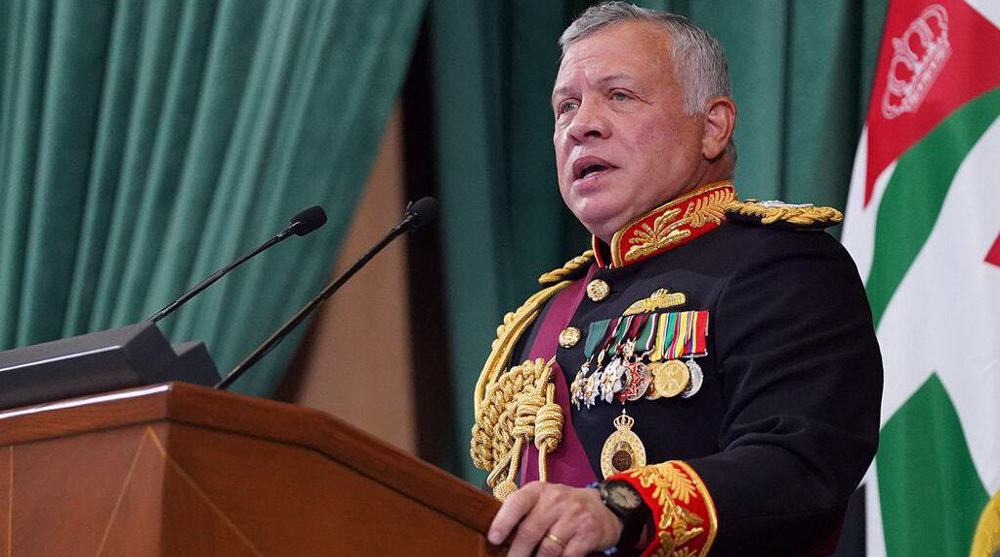
For years, Abdullah had worn a suit as the heir of the prestigious Hashemite dynasty and the king of Jordan. But now it was time for his old military uniform, adorned with his many ranks. A uniform that might be the king's only hope, a new outfit for inevitable change.
The Jordanian prince Hamzah bin Hussein said in a video that he was forced to stay at his house and that a number of his personal guards were arrested.
The Washington Post reported that officials at the Jordanian royal palace said that there had been a complex long-term conspiracy involving a member of the royal family as well as leaders of tribes and security officials.
Arabic Language TV News
On the morning of April 4th, Jordanians woke up to unexpected news. It appeared that Prince Hamzah was under house arrest, yet the news did not explain everything.
As a member of the Hashemite family, Hamzah was being monitored, but whispered reports claimed that around 20 of his associates had also been arrested.
Jordanians wanted to know who these detainees were, but suddenly another piece of news captured their attention, an unexpected development involving another member of the Hashemite family.
The family announced that Prince Hassan bin Talal, uncle to both Abdullah and Hamzah, had been chosen as a mediator.
The Jordanians knew Hassan well. He too had once been a crown prince. A crown prince removed under strange circumstances.
Was history playing a joke?
King Hussein had once removed his brother, Hassan, from the line of succession so that his son could become king. Abdullah later removed his own brother, Hamzah, so that his own son could become crown prince.
Now, one deposed crown prince had been tasked with speaking to another deposed crown prince.
Of course, everyone knew that speaking was a polite word for silencing a rebellious family member. Abdullah's own statements make this clear.
The day after the coup attempt was exposed, he told the media that Hamzah was in a disturbed mental state and unable to distinguish reality from imagination; therefore, the royal family had decided to restrict him.
You've recently had what was, what looked to the outside world like an attempted coup.
What happened there and what do you see as the prospects for any instability in the future?
Fareed Zakaria,
Well, again, you know, when we look at crises all over the world and I think in this day and age, we tend to look at crises as a snapshot without really understanding the journey that actually, for example, Jordan has undertaken over the past several years, regional instability, wars, refugees, COVID.
And we've had to look at many characters that tend to use people's frustrations and legitimate concerns of challenges that they have in making their lives better to really push on their own agendas and ambitions.
What I think made this so sad that one of the people was my brother who did it in such an amateurish and really disappointing way.
King Abdullah II of Jordan
Restricting Hamzah might have been believable, but the same could not be said for the other 20 detainees.
Abdullah, now in military uniform, had stepped forward to have them arrested and interrogated.
In the days that followed, Jordan's state media described the scope of the plot against the king, how the conspirators, led by Prince Hamzah, had advanced their plan, how they had exploited legitimate public grievances, how they had courted tribal leaders, and how they had secured international support.
A few days later, it was announced that Prince Hassan's mediation had succeeded.
Prince Hamzah had formally apologized to his brother, declared that he placed himself at the disposal of the monarchy, affirmed his commitment to the constitution, and pledged loyalty to the Hashemite family.
These words were released not through video, but in a written statement, bearing only Hamzah's signature, with no sign of the prince himself.
But even this seemed to be only part of the truth.
Inside the interrogation rooms of the security services, something else was unfolding.
As the statement circulated, the names of two of Hamzah's associates gradually emerged. Two prominent Jordanian political figures: Sharif Hassan bin Zaid and Bassem Awadallah.
In the name of God, the Merciful, the Compassionate. Good evening, everyone.
I will start by reading a written statement, and then I will answer any questions you may have about the matter.
The security services followed the Jordanian Armed Forces, the Arab Army, the General Intelligence Service, and the General Security Directorate for a long period of activities and movements by His Highness Prince Hamzah bin Hussein, Sharif Hassan bin Zaid, Bassem Ibrahim Awadallah, and other people aimed at the security and stability of the country.
The investigations observed interventions and communications, including communications with external parties about the best time to take steps to disrupt the security of our vast Jordan.
The security services highlighted these investigations in a statement to His Highness King Abdullah II bin Hussein that these activities and movements would be returned to the State Security Court for a legal hearing after the initial investigations showed that these activities and movements had reached a stage of direct contact with the security of the country and its stability.
Jordanian Security Spokesperson
When Abdullah heard their names, he realized his suspicions about the coup had been correct. The plot was not merely about Hamzah seeking a share of power.
Hamzah might not have even understood what he was involved in. The coup had a terrifying backstory, one that had begun months earlier.
The challenge of the past days was not the most difficult or the most dangerous to the stability of our country, but what we have stated is mainly because the parties behind the sedition came from within our own house and emerged from it.
King Abdullah II of Jordan
To uncover the roots of the coup, Abdullah had to look back, five years back. The new phase of his troubles had begun in 2016 when he was watching the inauguration speech of the new US President on television.
The President of Jordan's most important ally was now none other than Donald Trump, a hard-line conservative Republican whose ideas aligned closely with Israel's extremists.
Abdullah knew that trouble was only beginning, and he was right. Very soon, Trump's heavy shadow darkened Jordan's political landscape.
Trump and his senior advisor Jared Kushner announced that they were preparing a comprehensive plan which they called the Deal of the Century, a deal meant to be struck between Israel, the United States, and West Asian countries over the future of Palestine.
This is the first peace agreement that happened in the Middle East in the last 26 years. This is between Israel and the United Arab Emirates.
Then just last week, President Trump announced the second peace agreement that he was able to broker in 29 days.
So we have two peace agreements being signed today at the White House between Israel and Arab countries. This really signals the end, we believe, of the Arab-Israeli conflict.
There's still a lot more work to do, but for 70 years in the region, you've had the Arab countries not wanting to interact with Israel in a substantive way.
Jared Kushner, US Presidential Advisor
On the surface, the plan did not look bad, ending a historic political conflict, defining new borders, stopping bloodshed and encouraging economic investment.
But when politicians like Abdullah read the details, a bitter smile crossed their faces. Abdullah knew these deceptive words all too well.
It was the same kind of language which his father had signed into the 1992 treaty with Israel; a treaty whose consequences had come back to haunt Abdullah two decades later.
Accordingly, an attack on Jordan is an attack on the Jordanian people and Jordanian values.
This country warns Israel that it will never be able to violate the rules, and it will never achieve what it seeks. All its dreams will turn into nightmares, and those nightmares will become reality.
Israel, this will be your dream!
Jordanian Protestor
Jordan was deeply dependent on US financial aid on the one hand, and on the water and energy it received from Israel on the other.
Trump and Netanyahu understood this perfectly and used it as leverage against Abdullah.
Trump's goal was to be recognized as the man who solved the Palestinian conflict and secured dominance over West Asia.
Netanyahu's goal was exactly what he had repeated in speeches and written in his books: the creation of a grand, expanded Israel.
This ambition was clearly reflected in the plan's provisions: the complete disarmament of Hamas in Gaza, the annexation of 30% of the West Bank, pushing Palestinians entirely towards Jordan, and, most importantly, the annexation of the strategic Jordan Valley by Israel.
These were not things Abdullah could accept. He knew this deal was not merely about Palestine; it was a deal for Jordanian land.
For years, Abdullah had supported a two-state solution between Israel and Palestine, not purely out of goodwill.
What is needed now is the full weight of our nations united. Neither the parties nor the world can afford continued hostility and insecurity.
There may be a rare window of opportunity later this year after the US elections to achieve what both sides so urgently need, two states at peace, Palestine and Israel both secure, both free to look forward on the basis of a just, comprehensive, and final settlement.
This has always been and will remain a foremost priority for Jordan.
King Abdullah II of Jordan (UN Address)
Of Jordan's roughly 10 million people, 60% were Palestinian refugees, a population that placed enormous economic and social pressure on the kingdom.
This was why Abdullah wanted the Palestinian state, so that 60% of his population could eventually relocate elsewhere.
But now the two-state solution was gone, and he was forced to confront the deal of the century.
Under this plan, even more Palestinians would be pushed into Jordan, strategic areas in the west of the country would fall into Netanyahu's hands, and Jordan's historic and central role in the region would be handed over to Israel.
It was obvious that Abdullah would not welcome the deal.
Months of special meetings were held. American and Israeli envoys traveled to Jordan. Gradually, the language of requests turned into the language of threats.
Yet Abdullah still refused to give Trump and Netanyahu what they wanted.
Until the day after the coup attempt, Abdullah believed the deal of the century had been abandoned. But when the interrogation reports of the conspirators reached his desk, his views changed.
This was not merely a coup; it was an attempt by Jordan's supposed allies to remove Abdullah from power. Now the names Hassan bin Zaid and Bassem Awadallah began to make sense.
Especially because the day after the coup, the special envoy of Saudi Arabia's Crown Prince, Mohammed bin Salman, arrived in Amman.
Prince Faisal bin Farhan carried a message of peace from the House of Saud and a strange request.
Saudi Arabia has been among the first countries to have expressed strong support for Jordan's King Abdullah after Jordanian authorities arrested several people, including two former high-ranking officials.
In addition, Prince Hamzah, the kingdom's former Crown Prince, has been reportedly placed under house arrest.
Do you also see a foreign hand between what is just unfolding in Jordan?
TV News Host
This is a Jordanian internal matter and I would leave the answer to these questions to the Jordanian authorities.
Prince Faisal bin Farhan
But would that be a worrisome development if some foreign countries were meddling in Jordan's affairs?
TV News Host
Of course, the Kingdom of Saudi Arabia has a strong policy rejecting any interference in the domestic affairs of states and we would of course reject that in the case of Jordan as well.
And as I said, we stand fully with the Kingdom of Jordan and the authorities there in all the efforts they are taking to secure their country.
Prince Faisal bin Farhan
Security reports stated that Sharif Hassan bin Zaid and Bassem Awadallah were the main architects of the coup. Figures close to Mohammed bin Salman and, according to some, even holders of Saudi citizenship.
Faisal bin Farhan demanded their release, but Abdullah could not agree.
It had now become clear that besides the US and Israel, several regional countries, including Saudi Arabia, had played a role in Prince Hamzah's coup attempt.
One of the people who was part of it was very close to the Crown Prince of Saudi Arabia. Do you believe there was a Saudi hand in this?
Fareed Zakaria, CNN Journalist
This is being looked at as a domestic issue.
We all know that Bassem, who used to work in Jordan, is a senior advisor in Saudi Arabia. He holds a Saudi and American passport.
We have witnessed external relations on this issue.
King Abdullah II of Jordan
Saudi Arabia stood to benefit from a diminished Jordanian role in the region. At the same time, it sought to resolve the long-standing rivalry between the Saudi royal family and the Hashemites, a rivalry centered on the custodianship of Al-Aqsa Mosque.
It appears that Saudi Arabia has supported the coup in Jordan in order to replace the Hashemites in Al-Quds with Saudi influence, with Israel's help.
Abdullah was now disheartened; he looked around his country and saw only insecurity and betrayal.
Iraq, two decades after Saddam's fall, was still unstable; Saudi Arabia had just attempted to assist in a coup, and, from the Syrian border, illegal refugees continued to enter.
In Israel, Jordan's perpetual open wound had not been tamed by war, by treaties, or even by commercial cooperation.
And this was only the foreign policy landscape. The domestic situation looked far worse.
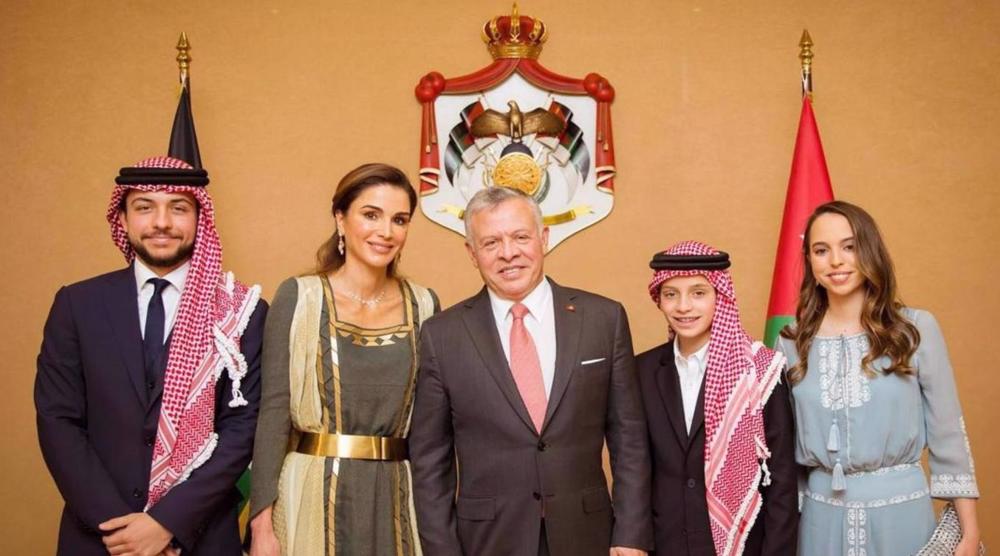
Before leaving office, Trump had forced Jordan into a corner: accept the deal of the century or face economic pressure.
Economists said that reduced trade with the US, Jordan's primary economic partner, had created a $2 billion annual budget deficit; a massive deficit that was felt in the daily lives of Jordanians. Trump's presidency had been another nightmare for Abdullah.
Economic pressure had fueled civil unrest since 2018. (3:11) Protests over unemployment, poverty, and most significantly, and violently, protests against rising prices.
In 2018, Abdullah had told the Jordanians something important; responding to widespread protests in Amman, he had said: “Jordan is now in a dangerous situation, either we all emerge from this crisis together, or we head towards an unknown abyss”.
That year, in exchange for receiving $723 million from the International Monetary Fund, Abdullah's government was required to implement structural reforms. These reforms targeted the price of goods and production costs.
Very soon, electricity prices rose by 50 percent, fuel by 30 percent, and bread and tobacco by similar percentages.
Strict new tax laws were also passed. The result was widespread protests, especially in the southern regions, which turned violent.
We don't need foreign interference in Jordanian affairs, political or economic. We've called on the government to withdraw this draft for the income tax law because it's a law imposed by the IMF.
Jordanian Protestor
But this was not the end. Four years later, Jordan was still in the same condition.
The economic crisis, the negative impact of COVID-19 on tourism, the fallout from the coup attempt, and the ongoing refugee crisis all kept protests alive through 2022.
But this time, the unrest was deeper and more dangerous. The negative consequences of economic reforms resurfaced in September 2022.
That month, truck drivers went on strike to protest rising fuel prices.
The strike disrupted production and distribution networks, and the disruption spread to other sectors.
The provinces of Karak, Tafilah, Ma'an, and Aqaba became the centers of the new protests. Every day, videos of demonstrations and violent clashes with security forces circulated online.
The Jordanian government quickly blocked the TikTok app to prevent the spread of protest footage.
Several police officers were killed during the unrest. The US Embassy instructed its staff to avoid conflict zones. A nationwide state of emergency was declared.
The protests soon escalated into the burning of government buildings, power outages, and violent confrontations. Abdullah once again threatened the protesters, and it appeared he had followed through.
The scale of arrests and the condition of the cities confirmed this. After several days, it seemed that the crackdown had succeeded. Relative order had returned to Jordan, but it lasted less than a year.
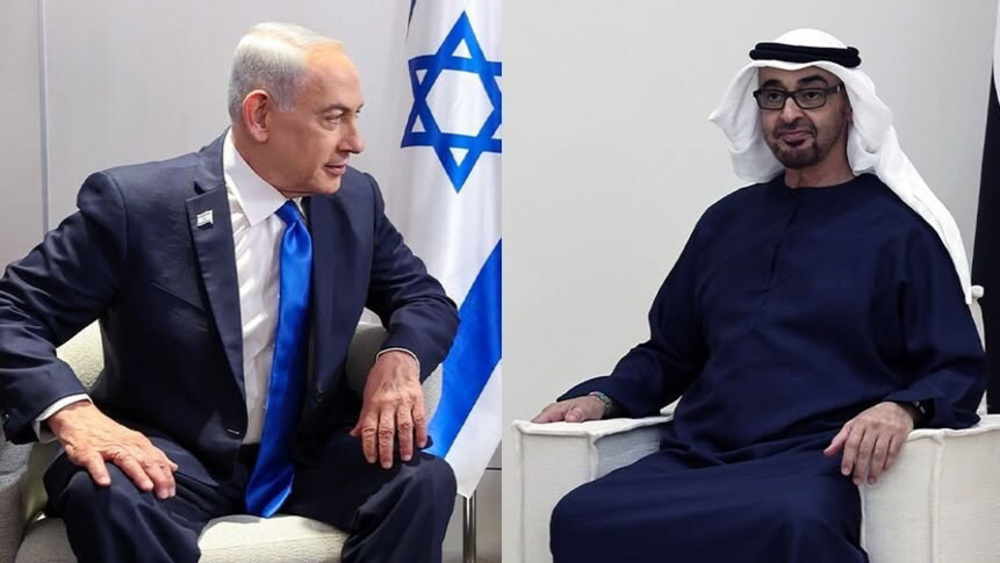
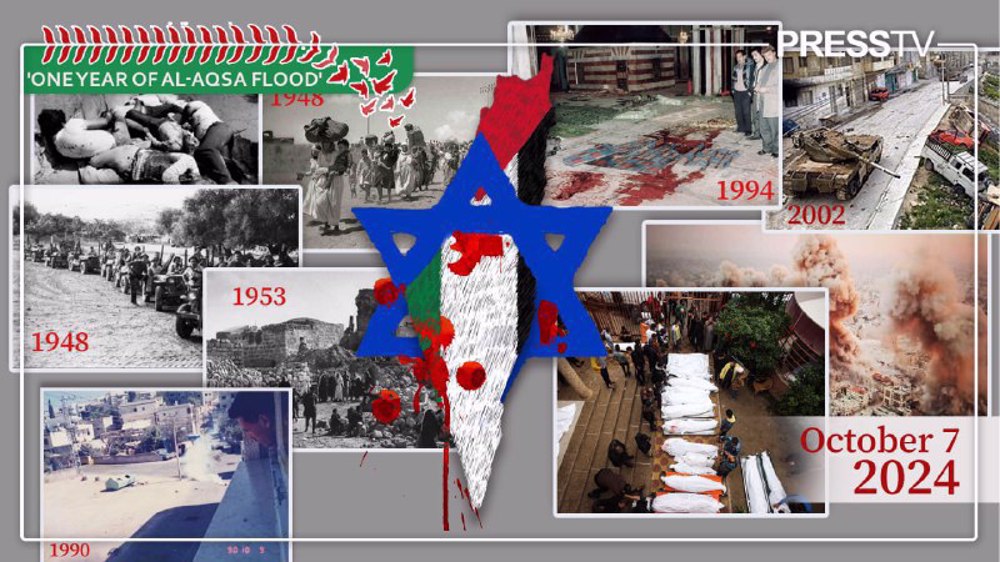
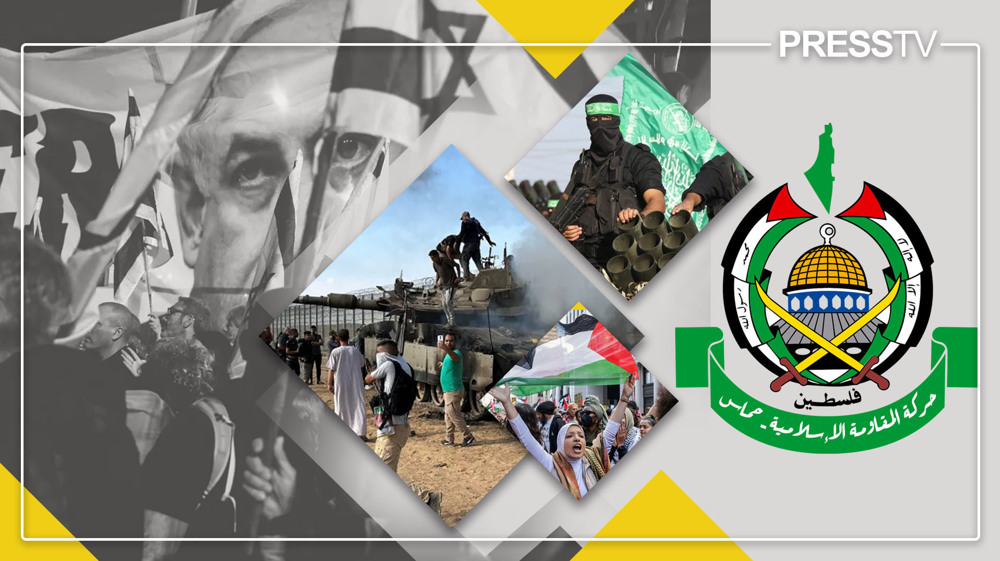
October 7, 2023, would become one of the days King Abdullah would never forget. Hamas's surprise incursion into the occupied territories, Operation Al-Aqsa Flood, shattered every existing calculation.
The shock waves of Hamas's rockets inflicted serious damage on the fragile order of West Asia.
And, as always, one of the first to feel the impact was Jordan and King Abdullah.
Just as he had managed to suppress the economic protests, a new wave of unrest erupted, this time over Gaza. Israel's bloody response to the people of Gaza inflamed public sentiment in Jordan.
Sixty percent of Jordanians were displaced Palestinians who now wanted to support their compatriots in Gaza. Their presence in the streets and the raising of Palestinian flags reflected this. They also criticized Jordan's long-standing policy of accommodation toward Israel.
Abdullah, once again, found himself in a new dilemma and had to make a decision. Perhaps this time, someone other than himself needed to handle the crisis, someone like his wife, Queen Rania, a woman of Palestinian origin whose fiery CNN interview became, perhaps, Abdullah's last political gambit.
As an Arab, as a Palestinian, as a human being, a mother, how are you feeling ever since October 7th?
Christian Amanpour, CNN
In the last couple of weeks, we have seen a glaring double standard in the world. When October 7th happened, the world immediately and unequivocally stood by Israel and its right to defend itself and condemned the attack that happened.
But what we're seeing in the last couple of weeks, we're seeing silence in the world.
You know, countries have stopped just expressing concern or acknowledging the casualties, but always with a preface of declaration of support for Israel.
And, you know, are we being told that it is wrong to kill a family, an entire family at gunpoint, but it's okay to shell them to death?
Queen Rania of Jordan
Rania's remarks received widespread attention. They complemented Abdullah's own diplomatic efforts to address the aftermath of October 7th, 2023.
Whether these actions were meant to suppress domestic unrest or to stabilize Jordan’s Western borders was unclear.
Abdullah quickly recalled his ambassador from Israel, announced the suspension of the Water for Energy Agreement, and began sending humanitarian aid to Gaza.
In a most symbolic gesture, Abdullah, before the eyes of Jordanians, boarded a royal aircraft in February 2024, wearing a military uniform, to personally drop humanitarian packages over Gaza.
He did all this to ensure Jordan suffered as little as possible from the Palestinian crisis.
But were these decisions truly effective?
The unprecedented events of April that same year would give Abdullah a very clear answer.
On April 1, 2024, a horrifying event shook the region, an unprecedented incident comparable to NATO's bombing of the Chinese embassy in Belgrade in 1999.
That evening, news broke that the Iranian consular building in Damascus had been struck. At first, details were scarce, but soon it became clear that the Israeli military forces had carried out the attack.
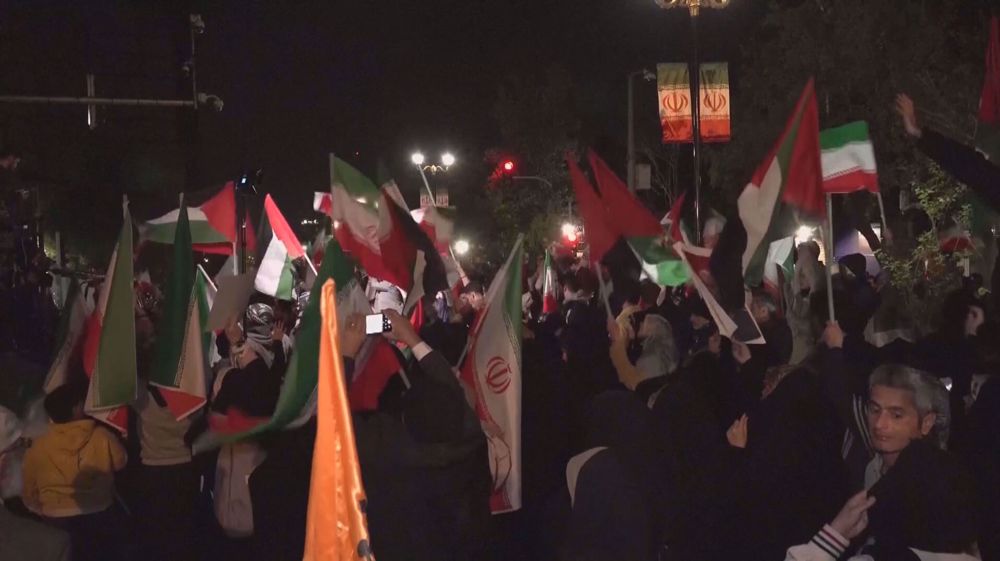
The strike was catastrophic. Iranian officials announced that seven military advisors, including Brigadier General Mohammad Reza Zahedi, a senior commander of the IRGC, had been killed. It was an attack on the sovereign territory of the country.
The UN spokesperson emphasized, “We condemn this incident because it violates the territorial integrity of a state”.
He reaffirms that the principle of inviolability of diplomatic and consular premises and personnel must be respected in all cases in accordance with international law.
Mr. Guterres also reminds all parties to respect all of their obligations under international law, including international humanitarian law as applicable.
UN Spokesperson
But what did this have to do with Jordan? That was what Abdullah urgently wanted to understand. He didn't have to wait long.
Just 12 days later, Iran decided to deliver an unprecedented response to Israel, a response that kept every regional politician awake that night.
At dawn on April 14, the moment of retaliation arrived.
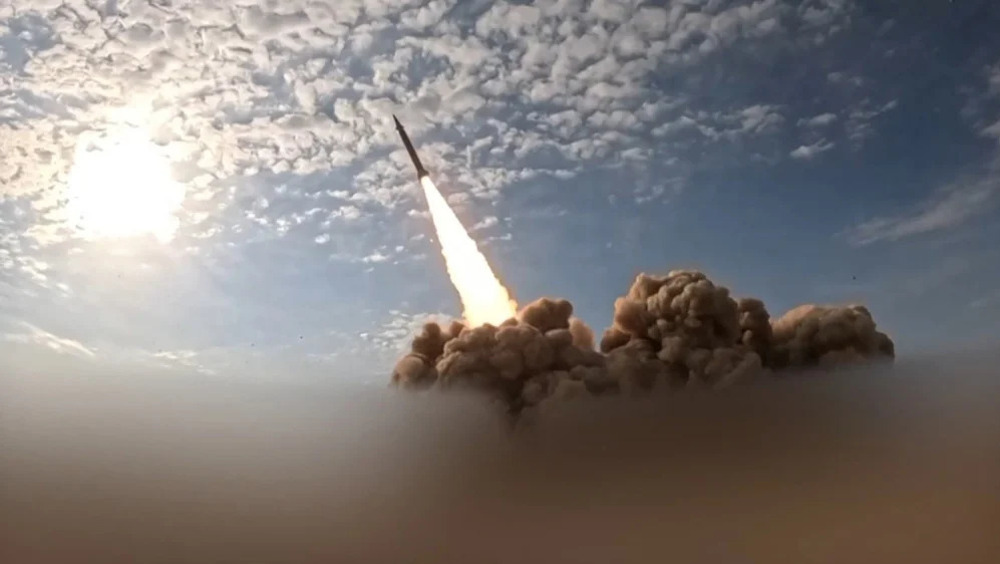
The operation, named ‘True Promise’, lit up the Middle Eastern sky like daylight. Around 170 drones, 30 cruise missiles, and more than 120 ballistic missiles were launched by Iran in response to Israel's attack.
This unprecedented strike inevitably pulled Abdullah into the crisis.
Everyone knew the drones and missiles had only one possible route: the airspace of the Hashemite Kingdom of Jordan.
From the first minutes, media outlets reported that this was the largest drone attack in history and an unprecedented assault on Israel; an action that could ignite a regional war.
Abdullah understood this well and had to make a decision. A decision rooted partly in Jordan's long-standing policy of accommodation.
“Jordan made it clear that it would intercept any missiles or drones that crossed Jordanian airspace, no matter where it may have originated.”
When reports emerged that some Iranian drones and missiles had been intercepted over Jordanian territory, it became clear that Jordan was on the brink of a new confrontation.
Jordan declared that it would not allow any country to use its airspace. But it was obvious this claim was not realistic. The Hashemite Kingdom had no leverage to prevent Israel from using its skies to its advantage.
To understand why Jordan no longer had any leverage, one only had to look back at its history, a history full of concessions that had created a fragile future for Abdullah.
A future that, after Al-Aqsa flood and True Promise, looked anything but bright.
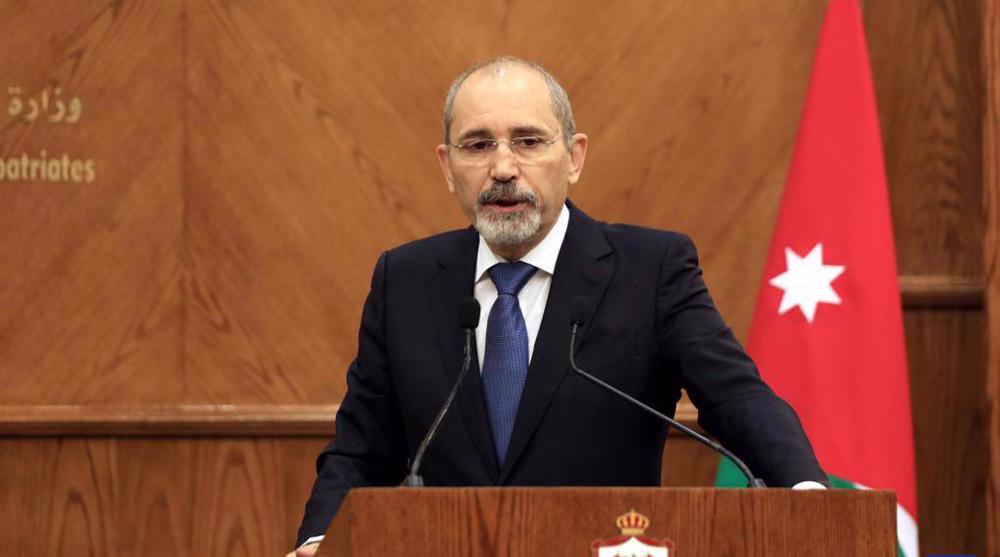
A few weeks after the True Promise operation, Jordan's Foreign Minister Ayman Safadi traveled to Tehran. The purpose was to meet Iran's President, Masoud Pezeshkian, and resolve tensions between the two countries.
But could this trip mark the end of Jordan's current political strategy? Was Jordan preparing to redefine its relationship with Israel? Had the glow of Iranian missiles illuminated something new in Abdullah's mind?
Beyond any new decision he might make, it seemed that after the Al-Aqsa flood, Abdullah was finally confronted with the consequences of Jordan's old, conciliatory political doctrine.
A predicament even more severe than the one his father, King Hussein, had faced. A predicament born from complete dependence on US financial aid, unresolved economic problems, the constant threat to the Hashemite custodianship of Al-Aqsa, the perpetual crisis of Palestinian and Syrian refugees, security institutions reliant on foreign powers, internal tensions within the Hashemite family, and Jordan's dependence on Israel for water and energy.
After the Al-Aqsa flood, Abdullah realized that he had not only ceded control of his borders to Israel; he had effectively ceded control of his airspace as well.
He realized that the Israeli Knesset, by rejecting the establishment of a Palestinian state, was referring to Jordanian territory as the New Palestine, a statement that could mean nothing other than a threat to Jordan's territorial integrity.
This was the land for which his great-grandfather, Abdullah I, his grandfather, Talal, and his father, King Hussein, had all worn the uniform of war to defend.
The distance between removing his traditional Arab attire and putting on the modern Western suit had been only 25 years for Abdullah, 25 stormy years that culminated in the Al-Aqsa flood.
Now he watched Netanyahu ignite a new storm, fueling war not only in Gaza, but also in the West Bank, the western bank of the Jordan River, and along Lebanon's borders.
After these events, only one question seemed to remain for Abdullah and his country.
Would the 63-year-old king continue down the path of accommodation, or would he be willing to don the military uniform once again to preserve Jordan?

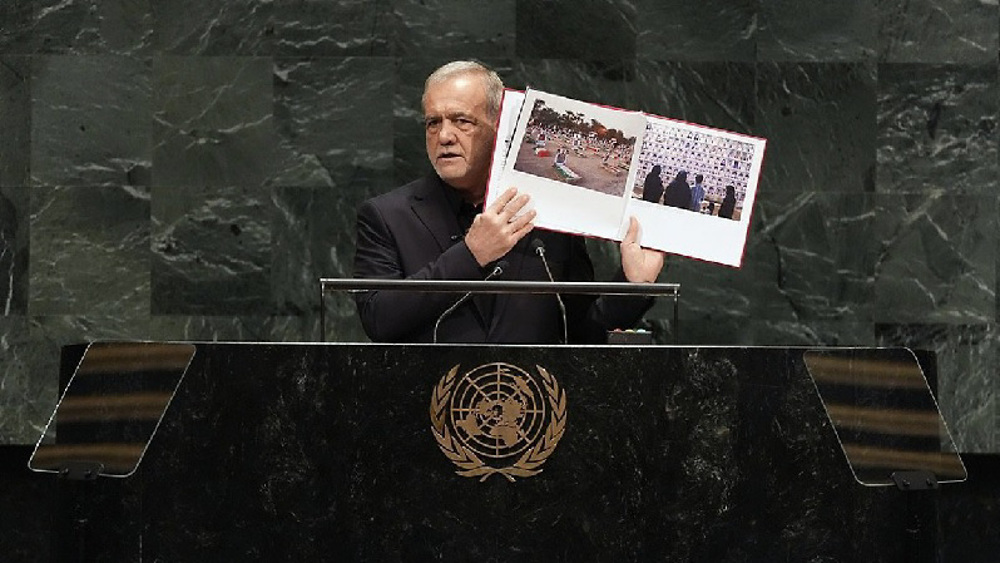
President Pezeshkian UN speech
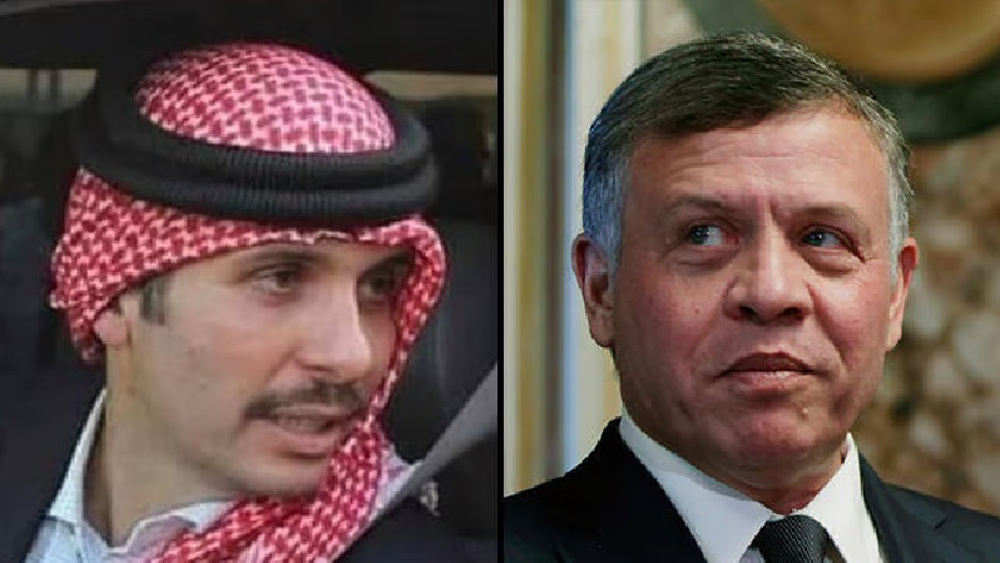
Jordan: The Kingdom of Compromise (Part 4)
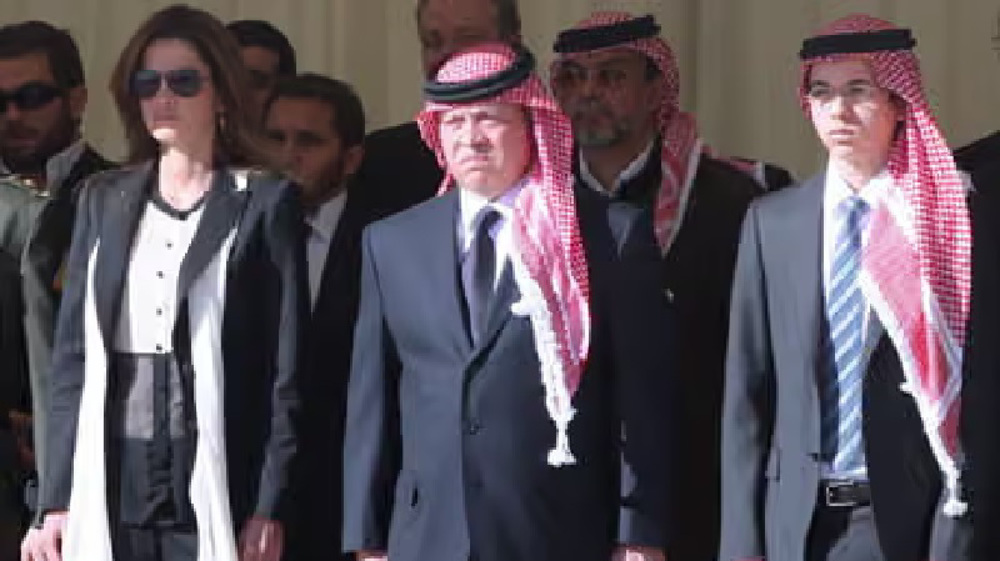
Jordan: The Kingdom of Compromise (Part 3)



Senior cleric blasts submission to US as Iraq given one-month Iran flight waiver
Jordan: The Kingdom of repeated compromise
The fallacy of US delusions about Iran’s economic collapse
VIDEO | US throwing cuba's tourism sector on verge of collapse
VIDEO | Yemenis rally behind Ansarullah amid recent military gains
VIDEO | ‘Attrition, low morale deepen strain on US troops amid war on Iran,’ analyst says
Iraqi resistance group rejects disarmament, vows to maintain support for Lebanon
Israeli attacks kill six Palestinians in Gaza as ceasefire violations mount


 PressTV NEWSLETTER
now
PressTV NEWSLETTER
now
 This makes it easy to access the Press TV website
