Iranian engineering students hold lectures at US-bombed B1 mega-bridge
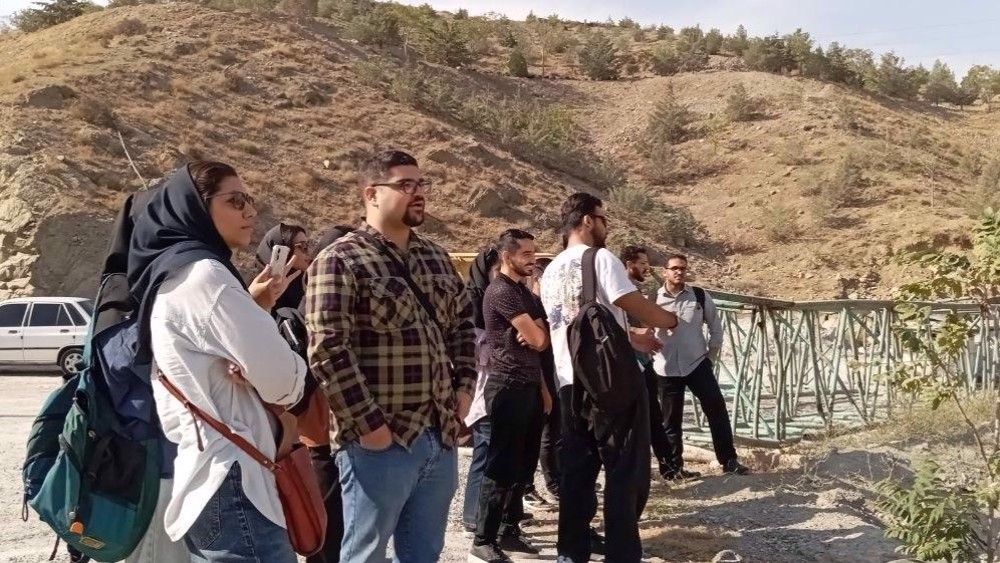
Civil engineering students from Kharazmi University held their lecture sessions directly beneath the B1 Bridge, the towering infrastructural marvel that was heavily damaged in a US-Israeli airstrike.
The construction site of the Karaj-Tehran bypass, which includes the highest bridge in West Asia, hosted a field study for students on Tuesday.
Instead of a traditional lecture hall, students gathered at the foot of the mega-structure to study the very embodiment of indigenous Iranian engineering and post-war reconstruction.
The B1 Bridge was on the verge of its grand inauguration on Farvardin 13 (April 2, 2026), serving as a towering symbol of Iran's progress and engineering prowess under severe sanctions.
However, the desperate Trump administration and its Zionist allies, launching their unprovoked 40-day war of aggression against Iran, targeted the bridge in a blatant attempt to cripple the nation's civilian infrastructure.
The airstrike caused severe damage to the massive deck and structural components, threatening to derail a multi-year national project just weeks before its opening.
Civil engineering students at Kharazmi University held their class near the B1 Bridge, which was damaged during the US-Israeli attacks on Iran.
— PressTV Extra (@PresstvExtra) September 29, 2026
Follow: https://t.co/RuQCIFXwdR pic.twitter.com/hqwhV1aRmg
Given the bridge's colossal scale, immense height, and critical role in the northern bypass network, the attack posed a severe engineering crisis.
In the immediate aftermath, experts had to conduct rigorous technical assessments to determine whether the damaged sections could be retrofitted or if massive portions needed to be dismantled and rebuilt from scratch.
Despite the devastation, Iranian engineers refused to let the project stall. Over the past seven months, reconstruction has continued with full force, turning the site into a living testament to national willpower.
"Iranian engineers have proven their capabilities in executing massive civil projects and preserving our infrastructure," said Professor Ali Ghanbari, a full professor in Kharazmi University's Civil Engineering Department, speaking to SNNTV from the site.

Ghanbari noted that the project's execution is so advanced that even visiting Japanese engineers expressed astonishment at the indigenous techniques employed.
"Experience has shown that the enemy's hostile actions cannot halt the country's path to development. Because the knowledge behind the B1 Bridge is entirely indigenous, its reconstruction and repair will be completed soon."
The attack on the B1 Bridge was a hallmark of the broader US-Israeli strategy during the 40-Day War and the subsequent months of relentless aggression.
Failing to achieve military dominance, the US and Israeli war machines deliberately targeted civilian lifelines in a desperate bid to "return Iran to the Stone Age”, as per Donald Trump’s terms.
Alongside the B1 Bridge, US and Israeli forces bombed universities, hospitals, power grids, and vital transit routes across the country.
Most horrifically, this campaign of infrastructure terrorism included the massacre of 168 innocent schoolchildren and staff at the Shajareh Tayyebeh Primary School in Minab, and the assassination of the Leader of the Islamic Revolution, Ayatollah Seyyed Ali Khamenei.
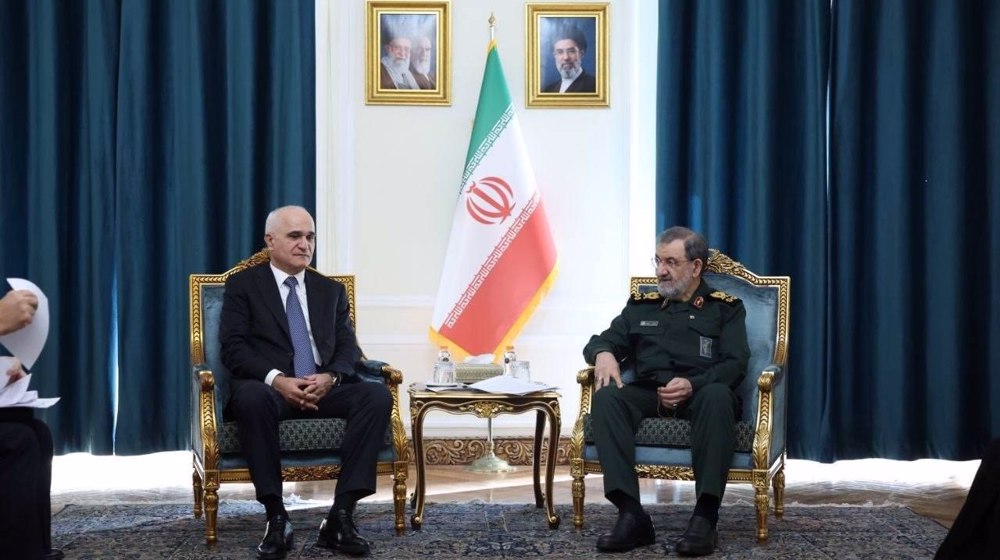
Iran: Trump caught in ‘quagmire,’ unable to decide
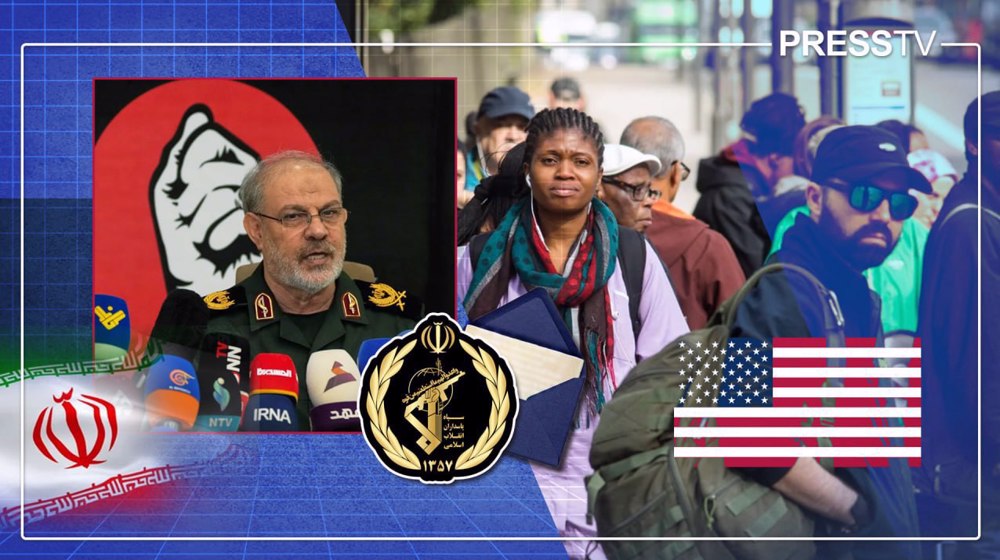
‘Wake up and wrest back control from corrupt politicians’: Snippets from IRGC’s letter to Americans
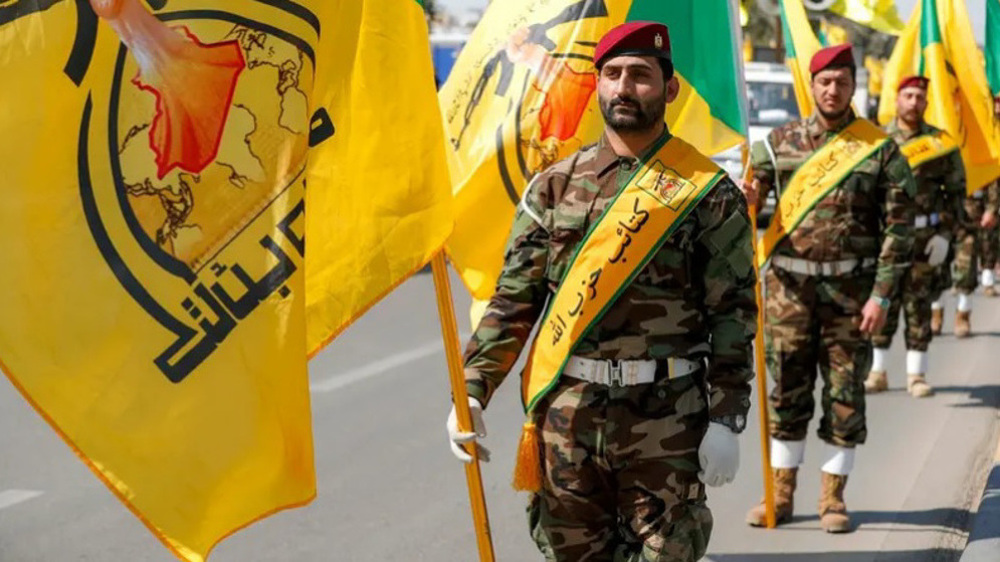
Iraqi resistance group vows to down ‘hostile’ aircraft after US-led forces’ pullout deadline



Israel violates Gaza ceasefire over 5,100 times, kills 1,421 Palestinians: Gaza Media Office
VIDEO | Russia holds events under title of Iran’s Culture Week
Republicans distancing themselves from Trump ahead of US midterms
Pezeshkian: Expanding Iran-Azerbaijan rail, air links key to strengthening ties
Iranian engineering students hold lectures at US-bombed B1 mega-bridge
VIDEO | Press TV's news headlines
Iran: Trump caught in ‘quagmire,’ unable to decide
Italy ends 12-year military presence in Iraq with final troop withdrawal


 PressTV NEWSLETTER
now
PressTV NEWSLETTER
now
 This makes it easy to access the Press TV website
