$48bn verdict for General Soleimani assassination enters execution phase: Iran Judiciary
Iran’s Judiciary has announced a major advancement in the legal pursuit of justice for the assassination of top anti-terror commander Lieutenant General Qasem Soleimani, saying that US government leaders have been sentenced to pay $48 billion in damages and that the landmark case has now entered its execution phase.
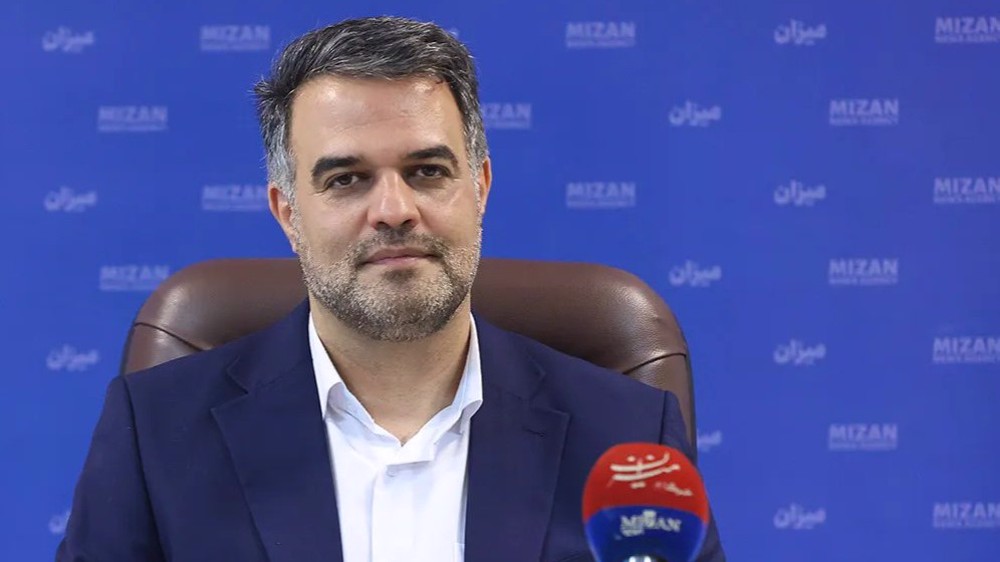
Judiciary spokesman Seyyed Ali Kazemi provided a comprehensive update on both the civil and criminal dimensions of the case, emphasizing that Tehran is relentlessly pursuing accountability for the US state-sponsored terrorist act.
Addressing the civil lawsuit filed in the Tehran Justice Department, Kazemi noted that the massive case was brought forward by 3,317 plaintiffs seeking justice for the martyrdom of the beloved commander.
"The verdict for this case was issued two and a half years ago, and based on it, the masterminds and leaders of the US government have been sentenced to pay $48 billion," Kazemi stated.
He confirmed that the civil case has officially moved past the sentencing phase and is now in the "execution of verdicts and follow-up" stage, signaling Tehran's intent to aggressively pursue the seizure of US assets and financial reparations globally.
Beyond the staggering financial penalties, Kazemi outlined the aggressive criminal prosecution of those involved in the January 2020 drone strike at Baghdad International Airport.
He announced that a formal criminal indictment has been issued and the case has officially entered the trial phase in court.
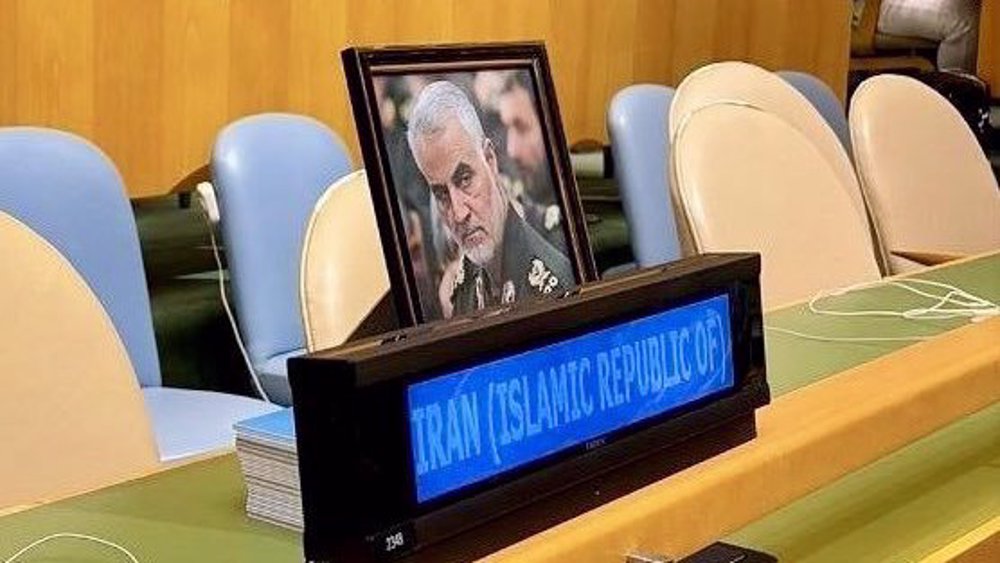
Furthermore, the Judiciary is actively pursuing 73 specific individuals connected to the planning and execution of the crime.
"This case is being pursued seriously from both civil and criminal aspects to ensure, God willing, it reaches its rightful conclusion," Kazemi affirmed.
General Soleimani, the highly revered commander of the IRGC Quds Force, was martyred alongside Abu Mahdi al-Muhandis, the deputy commander of Iraq's Popular Mobilization Units (PMU), in a US drone strike ordered by then-President Donald Trump in January 2020.
The assassination was widely condemned by the international community and legal experts as a blatant act of state terrorism, a violation of the UN Charter, and a severe breach of international law.
Rather than hiding behind the veil of sovereign immunity, US officials openly claimed responsibility for the extrajudicial killing.
In response, Iran has built a comprehensive legal strategy to strip the US of its impunity.
By pursuing the case through domestic courts and international legal frameworks, Tehran aims to hold everyone involved, from the direct military operators to the political masterminds in Washington, accountable for war crimes and state-sponsored terrorism.
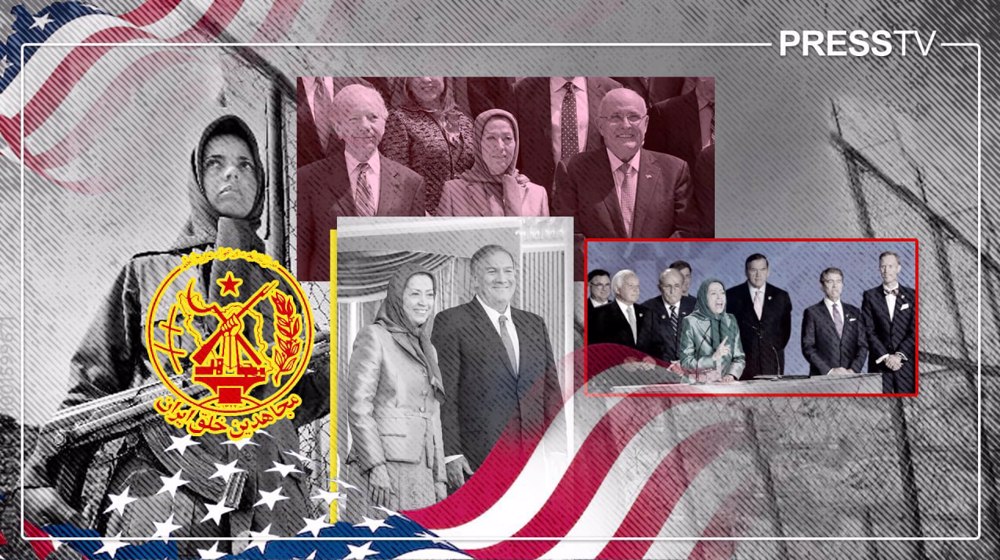
14 years after US delisting, MKO terror cult’s political rebranding collides with its violent legacy
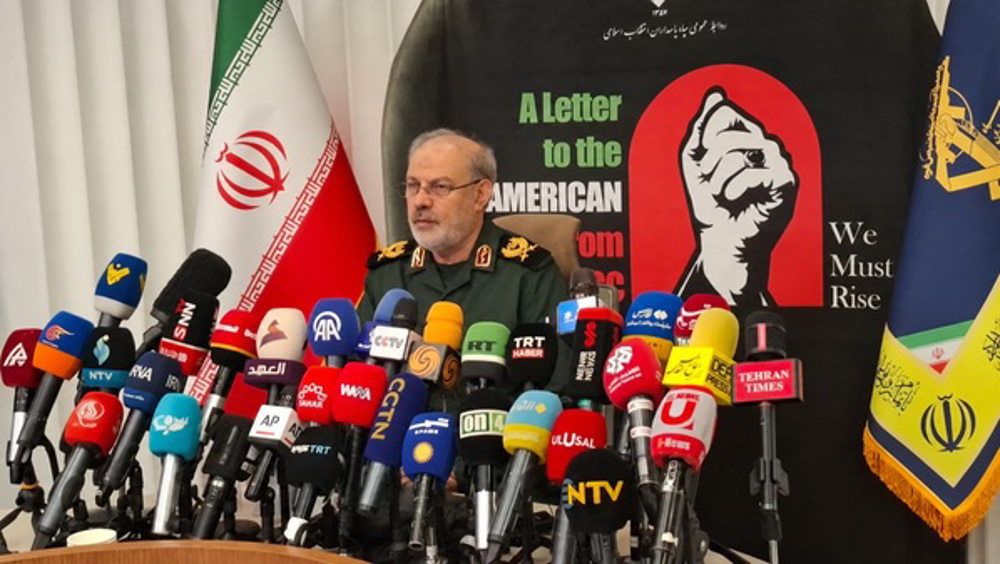
‘Why does world burn your flag?’: IRGC spokesman challenges Americans to question US policies
From ‘four weeks’ to month eight: US senator condemns GOP for refusing to end Trump’s war on Iran



VIDEO | Police fire tear gas at migrants on French beach
VIDEO | Brazil Presidential Election: Poll puts Lula four points ahead of Flavio Bolsonaro
Sanders raps Israel for barring Arab-led parties from election, urges end to US military aid
Israel kills Hamas commander, yet Hebrew media admits assassination strategy failing
14 years after US delisting, MKO terror cult’s political rebranding collides with its violent legacy
‘Why does world burn your flag?’: IRGC spokesman challenges Americans to question US policies
$48bn verdict for General Soleimani assassination enters execution phase: Iran Judiciary
VIDEO | ‘Trump’s Iran strategy is deepening the crisis, not solving it,’ analyst says


 PressTV NEWSLETTER
now
PressTV NEWSLETTER
now
 This makes it easy to access the Press TV website
