Domestically produced insulin to enter Iranian market for first time in January
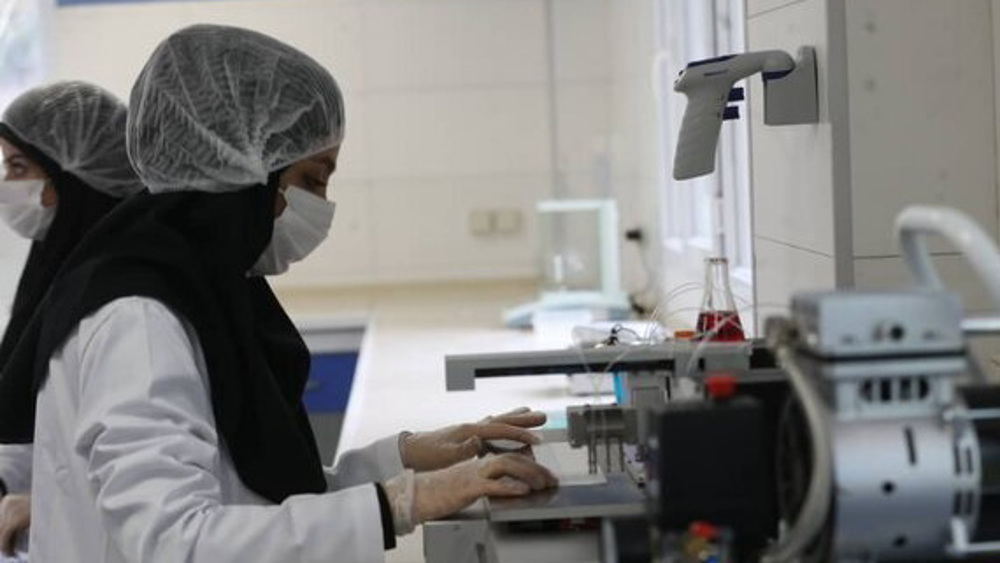
Iranian knowledge-based companies have, for the first time, developed the technology to produce recombinant insulin analogues from the cellular stage through genetic engineering, with the first domestically produced insulin expected to enter the market in January 2027.
According to the Vice Presidency for Science, Technology and Knowledge-Based Economy, two domestic knowledge-based companies have developed the technology needed to produce insulin from the cellular stage, potentially reducing the country’s annual foreign-exchange expenditure of more than $100 million on insulin imports.
One of the companies obtained a production license for insulin glargine from the cellular stage in January 2026.
Following the completion of quality tests and required clinical and regulatory procedures, its product is scheduled to become officially available by January 2027.
A second company is completing the construction and equipping of its advanced production facilities and is expected to begin the process of obtaining final approval from Iran’s Food and Drug Administration in March 2027.
The insulin project is part of a broader program to localize advanced healthcare products, including pneumococcal and meningococcal vaccines, key components of infant formula, plasma-derived medicines and pharmaceutical active ingredients produced from petrochemical feedstocks.
The projects are estimated to cover products with combined annual foreign-exchange costs of more than $800 million.
Domestic production of pneumococcal vaccine
One Iranian knowledge-based company has obtained a license to produce pneumococcal vaccines with an initial capacity of one million doses.
With support from the Vice Presidency for Science, Technology and Knowledge-Based Economy and financing from the Innovation and Prosperity Fund, plans have also been approved to expand the production line and increase its capacity to two million doses over the next two years.
Pneumococcal vaccines protect against infections caused by Streptococcus pneumoniae, including severe pneumonia, bacterial meningitis, sepsis and acute middle-ear infections.
Meningococcal vaccine enters clinical trials
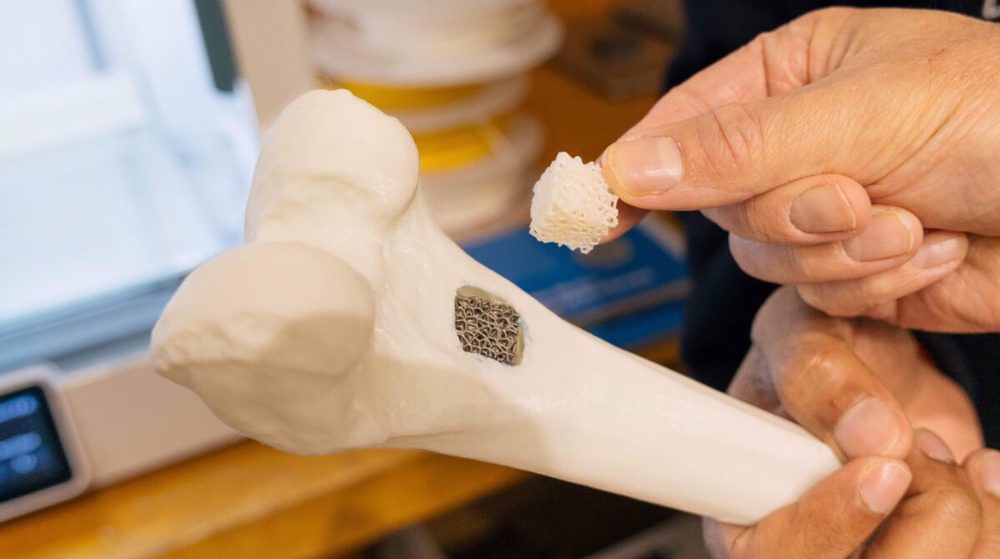
Iranian researchers have also successfully produced laboratory-scale samples of a meningococcal vaccine and, following recent support measures, the product has entered the clinical-trial stage.
The vaccine is being developed against Neisseria meningitidis, the bacterium responsible for meningococcal meningitis and meningococcemia.
Four key infant-formula components to be produced domestically
A separate project aims to reduce Iran’s dependence on imported infant-formula inputs by developing domestic production of four key components: infant formula base, whey powder, pharmaceutical-grade lactose and standardized vegetable oil.
The two-year program seeks to move beyond simple packaging and establish a deeper domestic supply chain for regular infant formula.
Pharmaceutical raw materials from petrochemical feedstocks
Another project brings together the biotechnology and petrochemical sectors to produce pharmaceutical active ingredients and intermediates from basic petrochemical feedstocks.
Pharmaceutical raw-material imports currently account for around $749 million in annual foreign-exchange expenditure and more than half of the foreign-exchange costs associated with medicines.
Under the program, qualified knowledge-based companies have been identified, while financial support and facilities are being allocated to advance the projects.
Meet the Iranian researcher behind breakthrough method for high-dimensional data search
Iran’s Pardis Technology Park develops over 110 new products despite wartime challenges
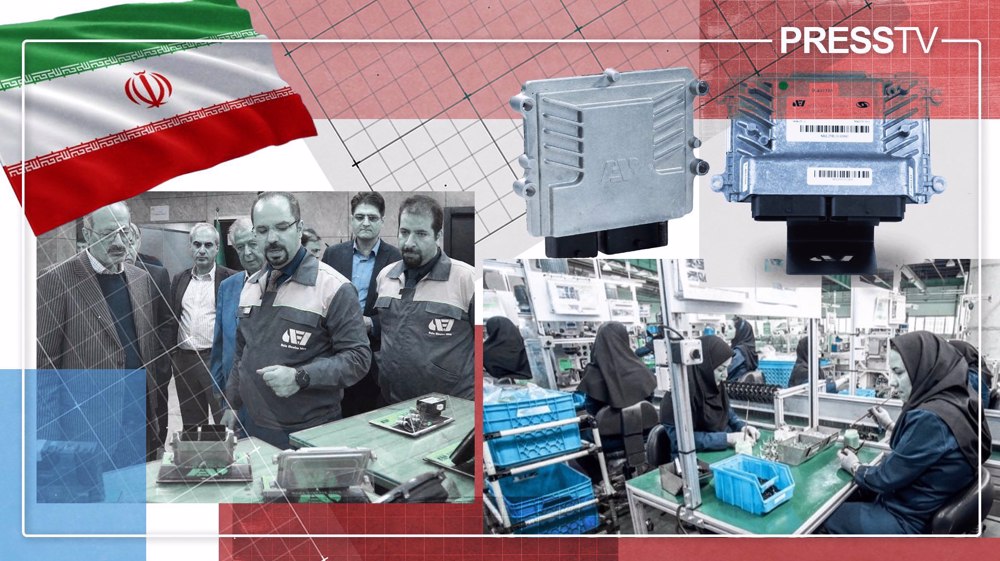
Iranian engineers develop indigenous engine control units, advancing automotive electronics



Media reports of Iran showing nuclear flexibility false; US trapped in Hormuz Strait: Source
Israeli minister calls for taking away hope of rebuilding Gaza to push Palestinians out
VIDEO | Press TV's news headlines
VIDEO | Gaza’s hidden crisis: Thousands face hearing loss amid war and collapsing healthcare
VIDEO | Flooded Bangkok street turns into floating market
Domestically produced insulin to enter Iranian market for first time in January
New front will open if Iran is attacked again, Leader’s advisor warns
Iraqis hold nationwide rallies against suspension of Iranian flights





 PressTV NEWSLETTER
now
PressTV NEWSLETTER
now
 This makes it easy to access the Press TV website
