Hezbollah leader: Resistance will continue until ‘complete expulsion’ of Israeli forces
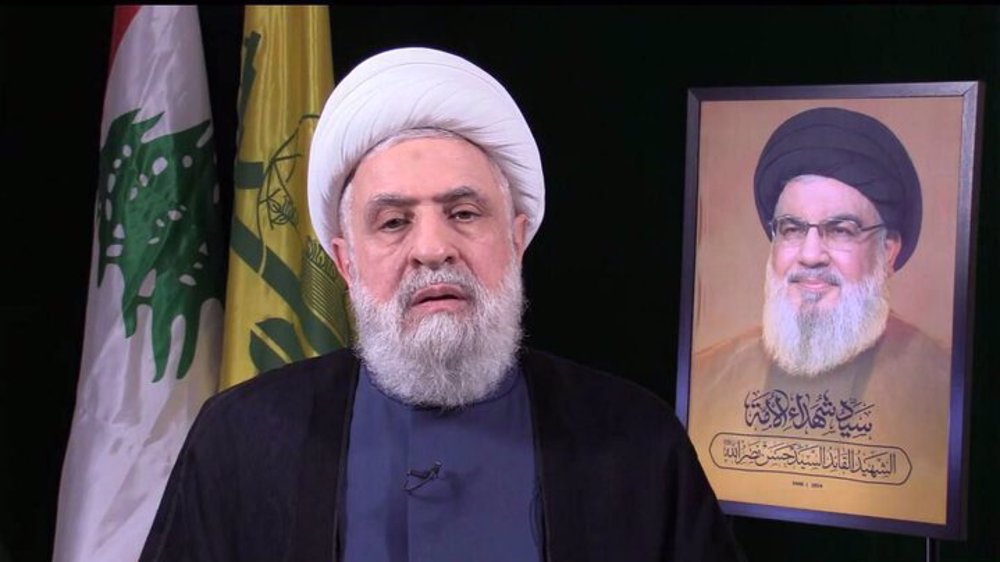
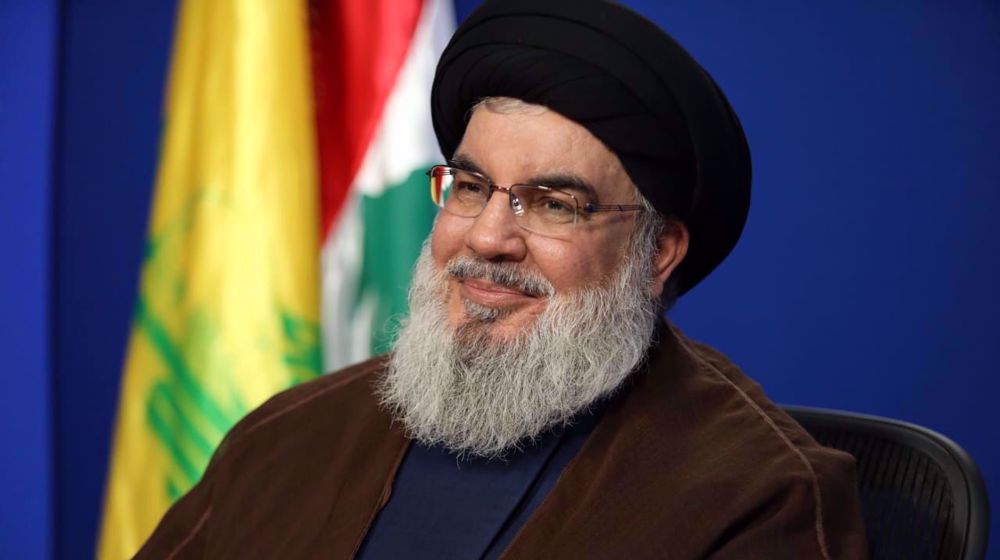
Hezbollah Secretary-General Sheikh Naim Qassem says resistance against Israel will continue until the “complete expulsion” of Israeli forces from occupied territories, adding that the movement is committed to “an Islamic, national and humanitarian cause.”
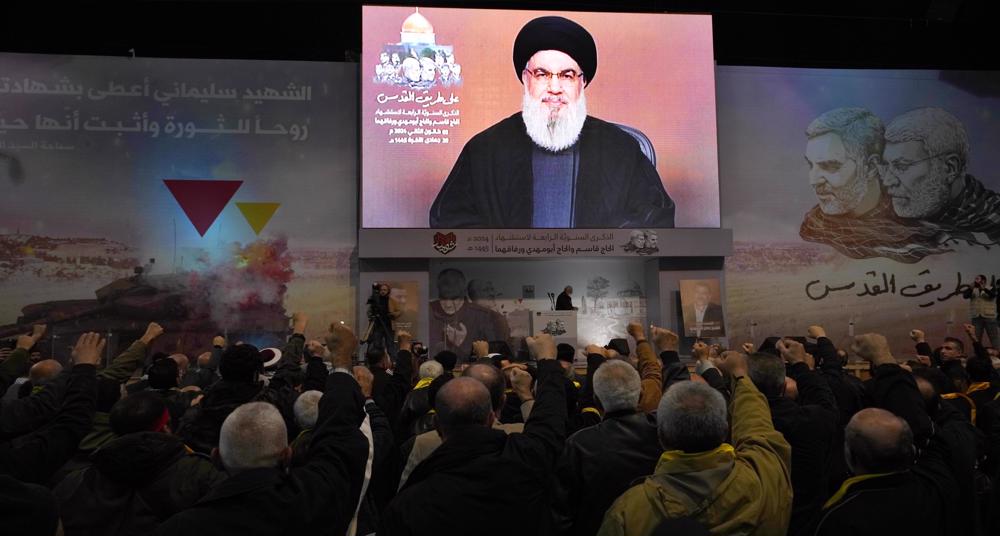
Sheikh Qassem made the remarks during a ceremony attended by tens of thousands of people in Beirut’s southern suburbs on Sunday, marking the second anniversary of the martyrdoms of former Hezbollah leaders Sayyed Hassan Nasrallah and Sayyed Hashem Safieddine.
He said Nasrallah had become a symbol and source of inspiration for freedom movements around the world, adding that Hezbollah would continue down the path of its former leader.
“Sayyed Hassan Nasrallah built a strong and steadfast popular base for the resistance, and we will continue along this path,” Sheikh Qassem said.
He added that although Nasrallah is no longer present, his teachings continue to guide Hezbollah and reinforce its determination.
Sheikh Qassem also highlighted Nasrallah’s focus on the Palestinian cause, saying he had kept the Palestinian flag at the center of the resistance movement’s agenda.
“The Palestine cause will always remain our compass,” he said.
The Hezbollah chief said the movement’s strategy included continued support for the Palestinian cause, maintaining Islamic unity and strengthening peaceful coexistence among Lebanon’s communities.
At the same time, he said Hezbollah would give greater attention to people’s livelihoods and their social, economic and educational needs.
'Direct talks with Israel will bring nothing but defeat'
Sheikh Qassem also rejected direct negotiations between Lebanon and Israel, saying that seven rounds of talks between the Lebanese government and Tel Aviv had produced no results.
“Direct negotiations with the enemy will bring nothing but defeat for Lebanon,” he said.
He said Lebanese political forces and the public had openly opposed a proposed framework agreement and called for it to be abandoned.
While acknowledging that negotiations fall within the legal powers of the Lebanese president, Sheikh Qassem said any such process should not conflict with Lebanon’s constitution, the Taif Agreement, national sovereignty or the country’s right to liberate its territory.
The Hezbollah leader said some — especially the enemy — ask what the resistance has achieved in Lebanon, but "it seems they have forgotten to ask what the government has done."
"The resistance stopped the project of aggression; this is what the resistance did, and it did not allow the enemy to reach its goals," he said.
He added that the resistance proved that a massive force of Israeli troops— numbering up to 90,000 — could not achieve their objectives of defeating the resistance.
The resistance, he added, prevented the enemy from consolidating Israel's occupation and establishing settlements in Lebanon.
Despite all the great sacrifices the resistance has made so far, he said, it will continue and cannot be defeated. "The path of resistance continues, and we can't submit to humiliation," he said.
He stressed that the problem lies in the enemy's aggressions, not in the resistance, as some claim. The resistance came into being because of the aggression, he explained.
He warned that submitting to Israeli aggression would mean the end of Lebanon's coexistence in favor of Israeli settlements.
Sayyed Hasan Nasrallah: The voice, presence, and legacy that shaped resistance for decades
Islamic Jihad: Nasrallah helped build a united regional front against Israel
Iran issues indictment against Israeli figures over Hezbollah pager explosions



Iran ‘fully prepared’ for war to resume with US but still trying diplomacy: Araghchi
Israeli airstrikes continue to hit southern Lebanon despite framework deal
Iran urges global action to prosecute those behind Nasrallah's assassination
Hezbollah leader: Resistance will continue until ‘complete expulsion’ of Israeli forces
VIDEO | 'Nasrallah brought Palestinian issue back to the core of international issues': Hamas
Plans to Judaize occupied al-Quds and al-Aqsa Mosque will fail: Hamas
Saudi attacks on market in Yemen's Ta’iz leave 50 killed, injured
Iran will shape region’s security future as US exits: Top military adviser


 PressTV NEWSLETTER
now
PressTV NEWSLETTER
now
 This makes it easy to access the Press TV website
