Two years after Sayyed Hasan Nasrallah: The voice, presence, and legacy that shaped resistance for decades
By Evarita Jaafar
There is perhaps no better way to begin discussing this personality than with the statement addressed to the Lebanese government: “When you become a state, then ask us not to be a state within the state.”
This statement captures the essence of the crisis facing Lebanon. Popular resistance was not a choice, but rather a natural consequence of the absence of security and the successive governments’ failure to fulfill their primary responsibility: protecting their territory and their people.
When the state abandons this responsibility, societies find themselves compelled to take the initiative to protect themselves and their homeland. In this context, the question of exclusive state control over weapons becomes contingent upon the existence of a state that is genuinely capable of providing protection, rather than one that exists merely in name.
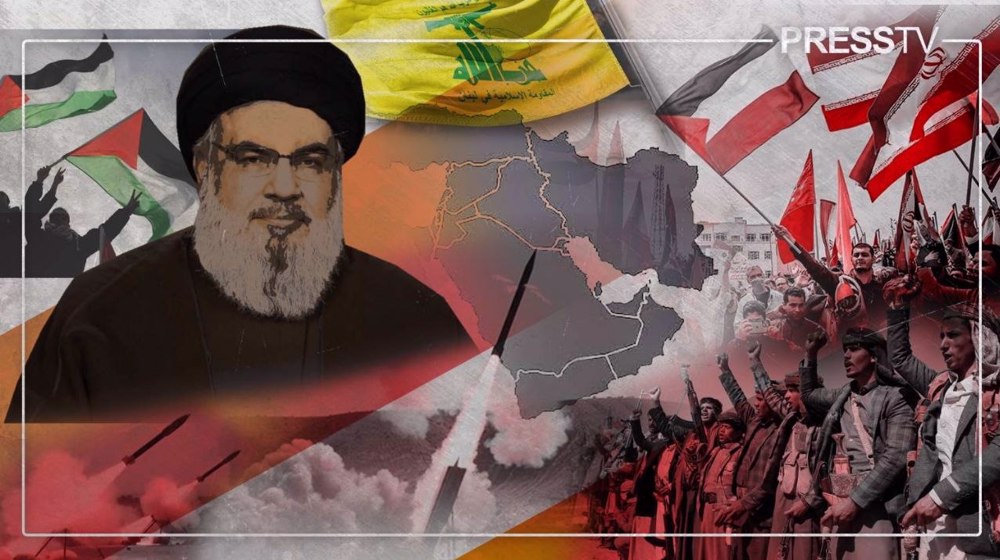
On the second anniversary of his martyrdom, history confronts us with an exceptional figure who left a profound mark on the region over more than three decades.
Sayyed Hassan Nasrallah was not simply another figure in Lebanon’s political or regional landscape. He was a leader who combined mass charisma, tactical ability, and a presence that transcended sectarian and national boundaries, making him a figure of interest to both friends and adversaries across the world.
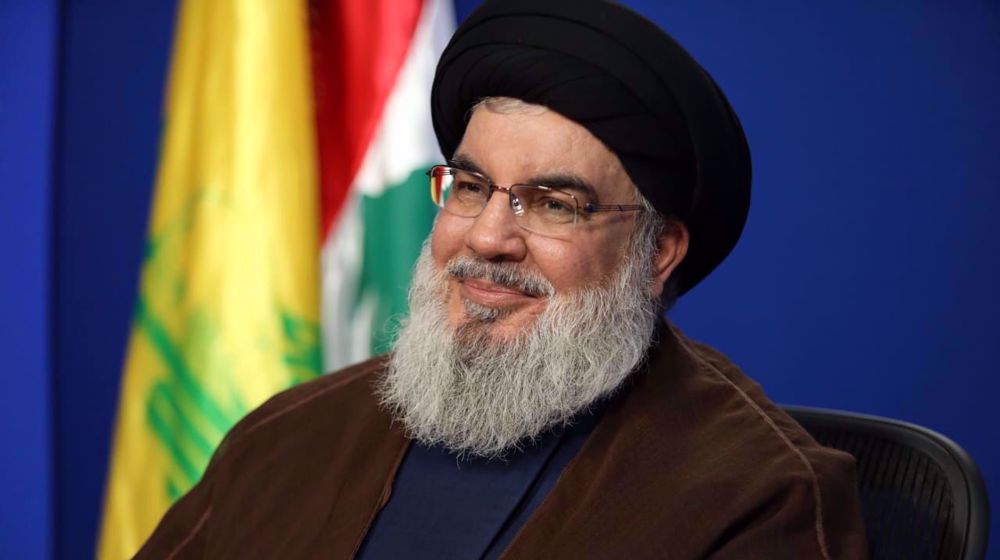
He possessed a rare form of political and popular charisma, seldom seen in the modern history of the region. His public appearances were marked by clarity and direct engagement with his audience. He addressed public opinion in a language that combined eloquence, simplicity, and boldness, creating an exceptional relationship of trust and transparency between himself and those who followed him.
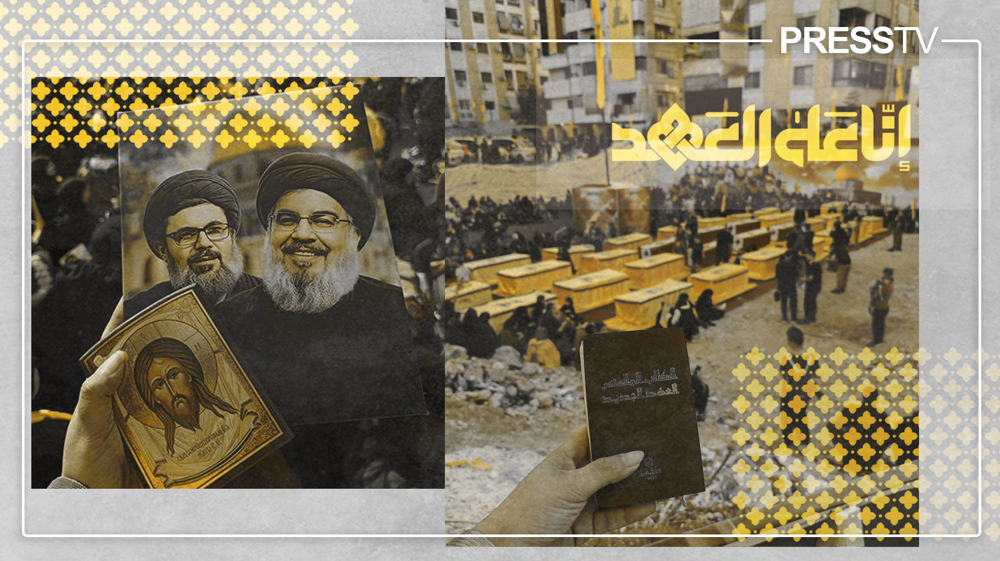
This relationship extended beyond the public sphere. It was reinforced by the images of him prominently displayed in people’s homes, becoming a distinctive symbol of the depth of the emotional and popular bond that connected him to them. In this way, he became a presence not only in their public lives, but also in their daily experiences.
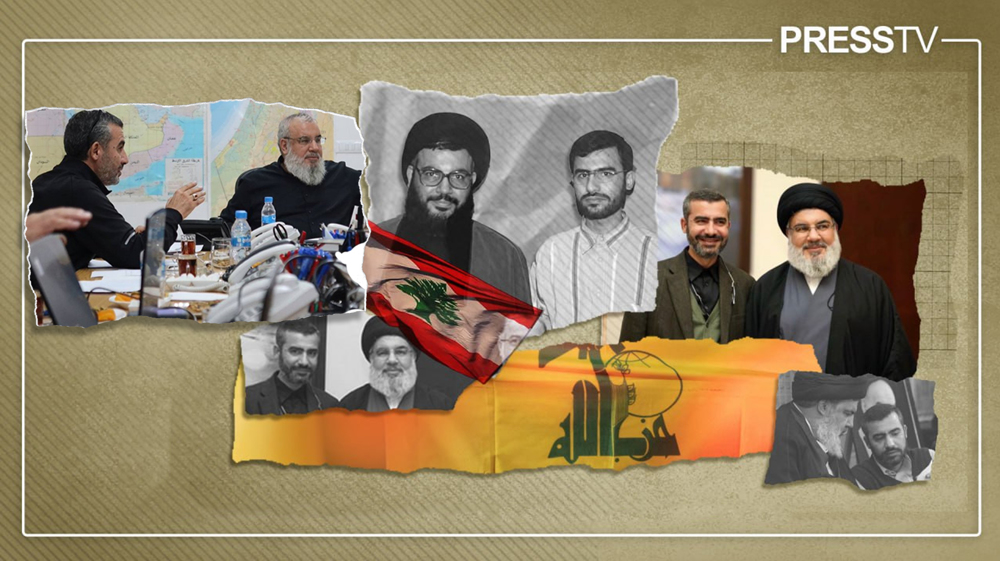
At both the organizational and popular levels, the martyred leader of the Lebanese resistance movement emerged as someone who succeeded in managing and unifying the various wings of Hezbollah while continuing to build a cohesive military and political structure.
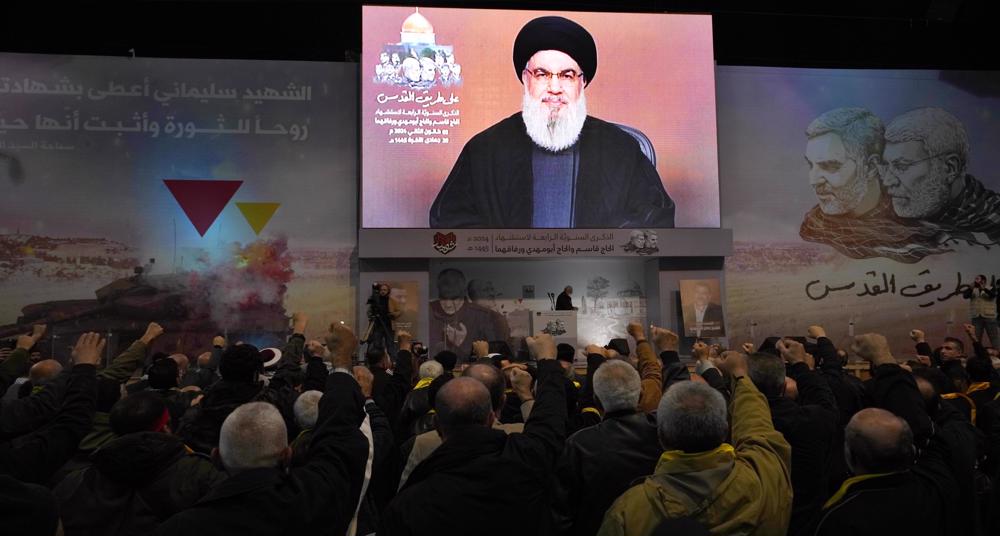
Within his social and popular environment, he was an influential and inspiring figure. He became an emotional and cultural symbol whose role extended beyond that of secretary-general, evolving into that of a spiritual father and a unifying leadership reference.
Sayyed Hassan Nasrallah’s imposing and majestic presence was not limited to his supporters and admirers. It extended even into the circles of his political adversaries and the meetings in which they came together.
The degree of attention his presence commanded was evident in his direct meetings with some of his most prominent political opponents. In this context, the impression expressed by Lebanese Forces leader Samir Geagea following one such meeting is notable. He described finding himself listening closely to Sayyed Nasrallah, absorbed in his words and captivated by the eloquence of his arguments and presentation.
Such an interaction reflected Sayyed Nasrallah’s ability to command respect even as a formidable political adversary, one whose presence and force of eloquence and knowledge compelled others to listen.
From the other side of the ledger, Israeli media devoted extensive coverage to analyzing Sayyed Nasrallah’s multi-faceted personality. Within Israeli political and media discourse, he was described as “the top figure of the axis” and as the strategic mind behind various initiatives.
Particular attention was given to the credibility he cultivated in psychological warfare, as well as his acknowledgment of facts on the ground, which drew attention from both decision-makers and the Israeli regime’s intelligentsia.
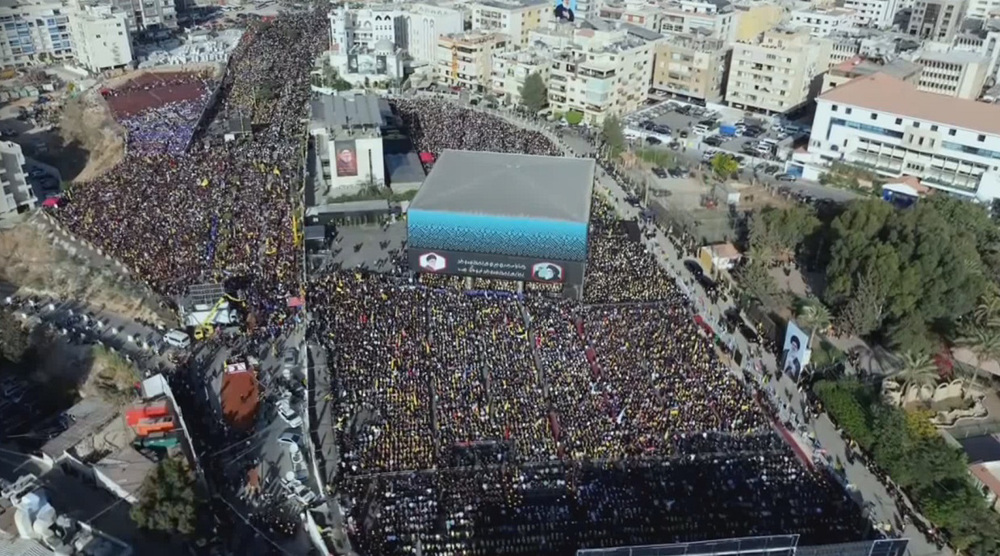
The depth of popular attachment to him was displayed most vividly during his historic funeral two years ago, which became a massive public gathering and an expression of emotional allegiance to him and the movement he led for decades.
Vast crowds came out to bid farewell to a man they regarded as a defender of their causes and a protector of their dignity. Those scenes demonstrated that the place he had occupied in the hearts of millions was not easily erased or diminished.
Sayyed Nasrallah’s career culminated in his final confrontation, when he refused to leave Beirut’s southern suburbs, choosing instead to remain in the operations room and oversee the war that was imposed on his country, alongside his fighters.
His life came to an end at the heart of the battlefield, reinforcing the image of a resistance leader who chose to remain steadfast in his position until the very end. He left behind a political and military legacy that will remain the subject of study and debate for years to come.
With his martyrdom, it was not merely a chapter in the history of Lebanon and West Asia that came to an end. Rather, the legacy of a man who remained engaged with the battlefield until his final moments became further entrenched, a man who chose to end his story in the place he loved and among the people who had placed their unflinching trust in him.
Sayyed Hassan Nasrallah may have departed in body, but he left behind an equation resistant to collapse: the dignity of peoples is not bestowed upon them, but it is forged through steadfastness and loyalty.
And while the leader whose image filled homes and whose presence commanded the hearts of his supporters is gone, the mark he left on the consciousness of his followers and the memory of his adversaries remains a testament, in the eyes of his supporters, to the enduring power of an idea rooted in sacrifice and popular loyalty.
It is a legacy that, in this telling, cannot be erased by airstrikes. And any discussion of the region’s future will continue to be accompanied by the shadow of a figure whose presence left a lasting imprint on Lebanon and the wider region.
Evarita Jaafar is a Lebanon-based writer.
(The views expressed in this article do not necessarily reflect those of Press TV.)
Islamic Jihad: Nasrallah helped build a united regional front against Israel
Iran issues indictment against Israeli figures over Hezbollah pager explosions
Israeli attacks escalate in Lebanon as US-brokered deal yields only concessions: Press TV reporter



Iran Army vows stronger response to any renewed US aggression
IRGC captures second US underwater drone in Strait of Hormuz
Sayyed Hasan Nasrallah: The voice, presence, and legacy that shaped resistance for decades
VIDEO | The cost of conflict
VIDEO | Elections, war and a MAD House
VIDEO | Martyr Nasrallah was a leader everybody trusted, even his enemies: Analyst
The power of education in Iran’s 85% domestic stationery industry
VIDEO | Iraqi protesters take to street to reject ‘unjust’ blockade against Iran


 PressTV NEWSLETTER
now
PressTV NEWSLETTER
now
 This makes it easy to access the Press TV website
