Explainer: How America’s mass incarceration impacts children, families and future generations

By Ali Zeraatpishe
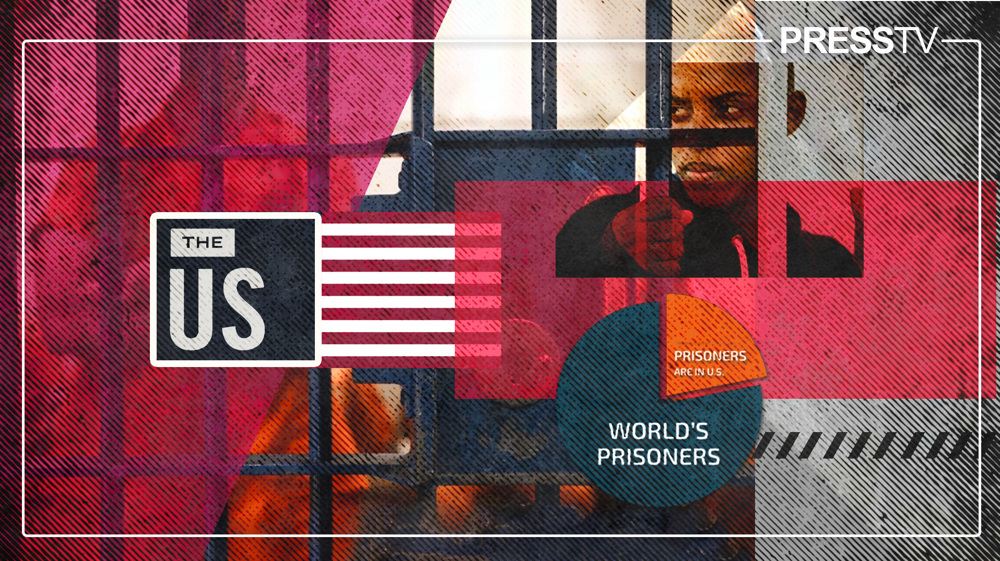
Millions of American children have experienced the imprisonment of a parent. A 2025 report by the Pew Charitable Trusts estimated that one in 28 American children had a parent behind bars, compared with one in 125 about 25 years earlier.
The same research found a stark racial disparity: Black children were about seven times more likely than White children to have a parent in prison.
This racial gap reflects broader disparities in the US prison system, where incarceration rates vary sharply across communities, leaving some groups disproportionately exposed to the disruption and hardship caused by imprisonment.
The problem has persisted for decades. The latest detailed national federal data come from the Bureau of Justice Statistics’ (BJS) Survey of Prison Inmates, based on interviews conducted in 2016 and published on March 30, 2021.
The survey estimated that 684,500 state and federal prisoners were parents of at least one minor child, representing 47 percent of state prisoners and 58 percent of federal prisoners. Collectively, these prisoners reported an estimated 1.47 million minor children.
The figures cover people held in state and federal prisons, rather than the entire jail population. The BJS says the 2016 Survey of Prison Inmates remains the latest available national survey of its kind.
That gap in federal data is troubling. Millions of children may be affected by the inhumane policies and practices of the US criminal justice system, yet the federal government lacks a newer nationwide survey providing the same level of detail about the children and families affected by incarceration.
The BJS also found that many of these children were very young. About 19 percent of minor children of state prisoners were under age five, while 48 percent were age 10 or older. Among parents held in federal prison, the average age of a minor child was 10 years.
Behind these statistics are children growing up with an absent parent, families separated by incarceration, and communities bearing consequences that can extend well beyond the prison sentence itself.
What does parental incarceration do to a child?
The damage can begin before a child is even old enough to understand what prison means.
Research has linked parental incarceration during pregnancy and childhood to educational disadvantages, including lower educational attainment, grade retention and truancy.
Mental health is another major concern. Research on children of incarcerated parents has described parental imprisonment as an adverse childhood experience that can affect the entire household, contributing to family disruption, instability and other forms of hardship.
For a child, the consequences can therefore extend far beyond the moment a parent is taken away. The loss of a parent can bring a sudden change in household income, living arrangements, caregiving and emotional support. That disruption can persist long after the parent enters prison, potentially shaping a child's development and prospects for years.
Why do Black children face a much heavier burden?
Parental incarceration does not affect American children equally. Black children face a substantially higher risk, reflecting the much higher incarceration rates among Black adults compared with White adults.
A study published in 2024 examined 9,191 US adolescents and found that 19.3 percent of Black children in the sample had experienced parental incarceration. The figure was 7.8 percent for Hispanic children and 4.8 percent for White children.
As per this study, Black adolescents were therefore about four times as likely as White adolescents to have experienced the imprisonment of a parent.
Another national study published in 2024 estimated that approximately 4.4 million US children had experienced parental incarceration, with Black, American Indian/Alaska Native and multiracial children disproportionately represented among those affected.
These disparities are not new. Racial differences in incarceration have been documented for decades, and their consequences extend beyond prison walls into children's health, education, economic security and family life.
The result is a system in which the formal punishment may be imposed on an individual adult, but the consequences can be absorbed by an entire family.
When a parent is imprisoned, children can lose not only a caregiver and source of emotional support, but also income, stability and opportunity, turning incarceration into a burden that can extend across generations.
Who pays the price?
The successive US governments have known for years that incarceration can disrupt children’s lives, yet the problem remains widespread.
Washington has acknowledged these consequences and established programs intended to address them. But such programs cannot, by themselves, eliminate the policies and practices that produce the disruption in the first place.
The Justice Department has claimed to support initiatives designed to strengthen relationships between incarcerated parents and their children and mitigate the harmful effects of parental incarceration.
Its proposed fiscal year 2026 budget, for example, included $5 million for demonstration programs for children of incarcerated parents, aimed at strengthening and maintaining parental and family relationships.
The existence of such programs, however, highlights a troubling contradiction at the heart of the system: the government recognizes that incarceration can harm children, allocates public funds to help families cope with those consequences, yet continues to operate a system of punishment that can create the very disruption those programs are designed to mitigate.
How does incarceration follow children into adulthood?
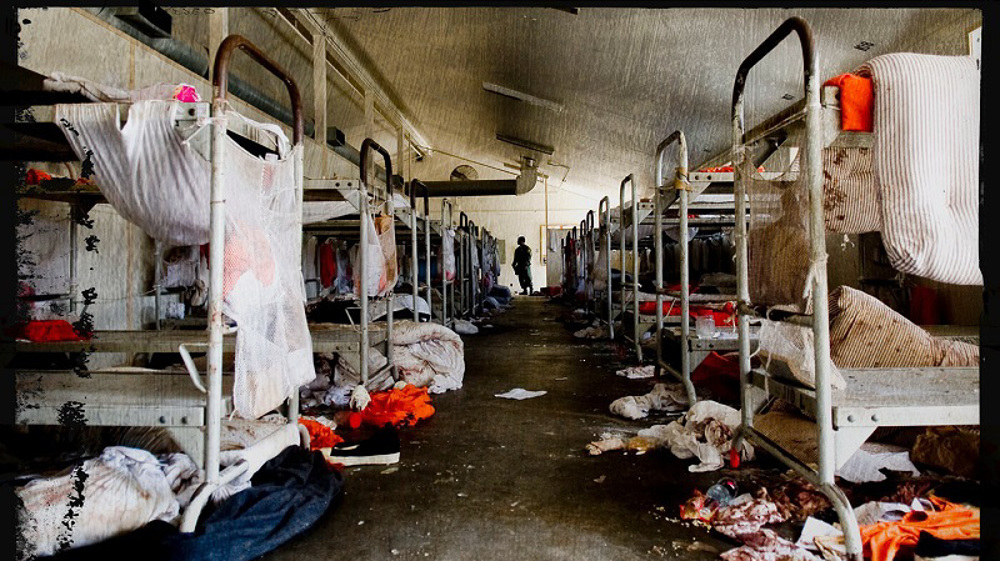
The consequences of parental incarceration do not necessarily disappear when a prison sentence ends. For many children, the imprisonment of a parent can trigger a chain of financial, educational and family disruptions that continues long after that parent returns home.
A parent behind bars is a parent who cannot provide ordinary care, supervision or financial support. Families may consequently become more dependent on relatives, friends, foster care or already strained social services.
The financial consequences can be particularly severe. The loss of a parent's income can push households toward housing instability, food insecurity and debt. The costs associated with maintaining contact with an incarcerated parent can add another burden, particularly for families already struggling to make ends meet.
Children may also be forced into responsibilities beyond their years. Older children can find themselves caring for younger siblings, helping manage household responsibilities or dealing with the emotional and financial consequences of a parent's imprisonment while still trying to keep up with school.
For families already living in poverty, incarceration can deepen disadvantages that existed before the sentence began.
The US prison system therefore cannot be separated from broader economic inequality. Imprisonment can remove a source of income, caregiving and stability at precisely the moment when a household may be least able to absorb the loss.
The consequences can also become intergenerational. When children grow up amid repeated incarceration, financial hardship and family disruption, the effects can extend into education, employment, relationships and, later, their own family lives.
This creates a troubling cycle – a system designed to punish individuals can destabilize the families around them, while the resulting instability can become part of the environment in which the next generation grows up.
Washington has spent years documenting different aspects of this problem and has funded programs intended to lessen its effects. But the scale and persistence of the disruption raise a broader question: how much social and human cost is the United States willing to accept as a consequence of its incarceration policies?
Explainer: How US Congress is targeting pro-Palestine campus activism through funding restrictions

US senator slams ‘bogus’ spy claims, demands immediate release of Press TV journalist

CIA torture site in Romania exposed after years of denial by Washington, Bucharest: Report



Iraqis celebrate US troop withdrawal as country marks National Sovereignty Day
Iran’s Mirzazadeh defends Asian Games Greco-Roman 130kg gold in Nagoya
US losing response capability as Iran maintains control of Strait of Hormuz: IRGC
VIDEO | Iran-US conflict
VIDEO | Restricting Chinese firms is own goal against Europe's economy: Analyst
Pezeshkian: Iran’s strong maritime presence in Hormuz kept vital national lifelines moving
Iran Airbus A319 returns to service with in-house expertise
Iraq’s long, dark night ends: 23 years of American lies, occupation, abuse end in humiliating ouster



 PressTV NEWSLETTER
now
PressTV NEWSLETTER
now
 This makes it easy to access the Press TV website
