Top cleric calls upon all Iraqis to break ‘unjust, inhumane’ US aerial blockade on Iran
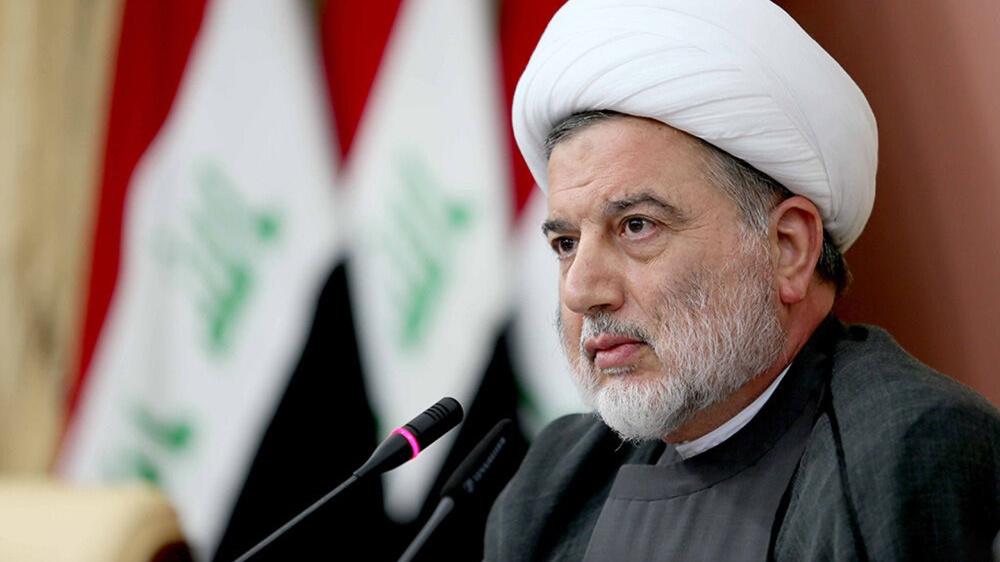
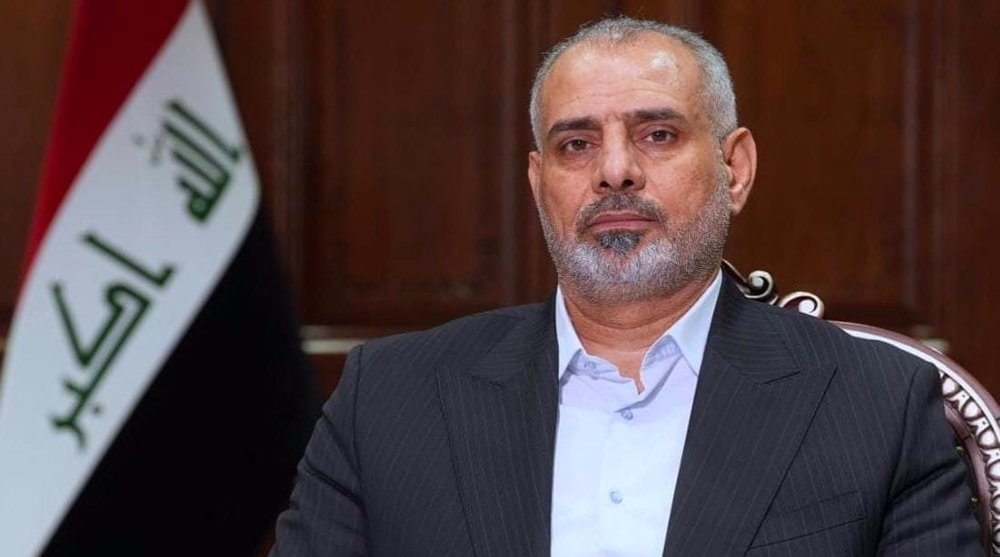
The head of the Islamic Supreme Council of Iraq, Sheikh Humam Hamoudi, has appealed to all Iraqis to assume their religious responsibilities toward breaking the US aerial blockade on Iran, characterizing any sort of involvement in the siege as “religiously forbidden.”
“Any form of participation in the blockade — either through military, economic, or propaganda means — against Iran is haram (religiously forbidden),” Sheikh Hamoudi stated on Saturday night.
He described the new US sanctions on Iran’s aviation sector as “unjust and inhumane,” stressing that the blockade violates international law and the Iraqi Constitution — particularly Article 8, which stipulates that Iraq shall observe the principle of good-neighborliness.
On September 8, the US Treasury sanctioned 27 Iranian airlines and claimed that airports, fuel suppliers, ground-handling firms and other service providers dealing with sanctioned carriers could face secondary sanctions.
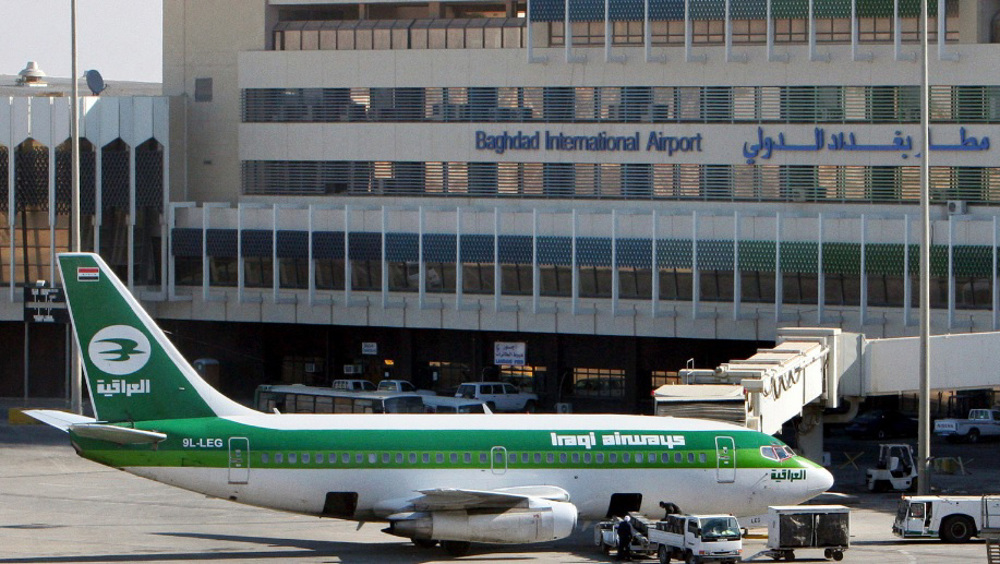
Najaf International Airport, the last Iraqi airport still operating flights to Iran, suspended services at 2 a.m. local time on Friday until further notice, according to an official directive.
Erbil International Airport and Sulaymaniyah’s International Airport took similar measures. Kirkuk International Airport also said it had no flights to Iran.
Iraq’s Ambassador to Tehran, Yasser al-Hajjaj, has stated that Baghdad is conducting intensive consultations to restore commercial flights between Iraq and Iran to normal operations as swiftly as possible.
Hajjaj described the suspension of flights between the two neighboring states as “temporary,” stressing it will in no way compromise the historical depth and solid foundations of mutual relations.
The ambassador underscored that the Iraqi government remains actively engaged in diplomatic and technical efforts to overcome the current disruption without delay.
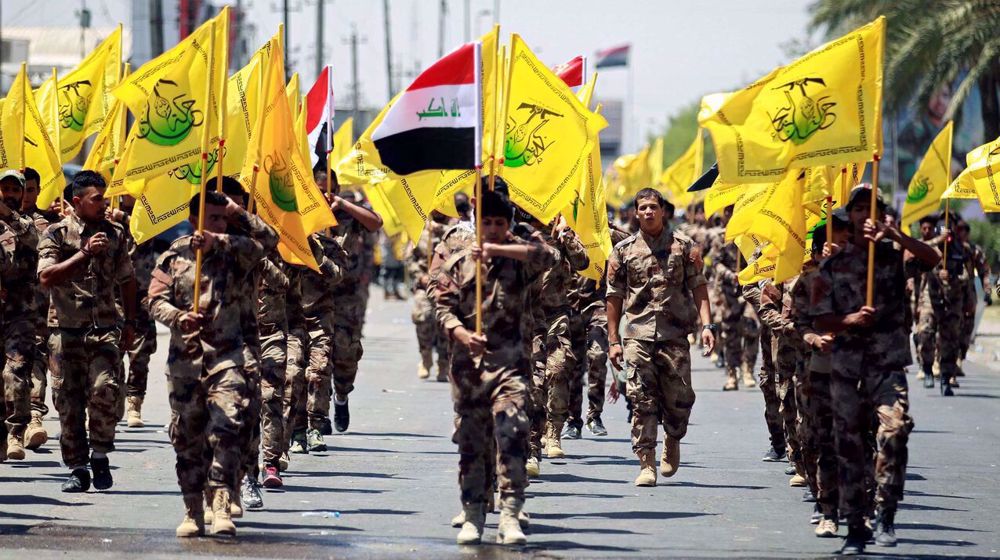
Hajjaj highlighted the humanitarian and social stakes of the suspension of air traffic between Iraq and Iran, stating that the resumption of flights extends well beyond tourism and commercial travel, directly affecting a broad segment of Iraqi citizens who rely on regular visits to Iran.
“Acting out of responsibility and in defense of national interests, the Iraqi government continues its close consultations and coordination with relevant Iranian authorities in a bid to overcome the hiatus over suspension of flights,” the Iraqi diplomat noted.
Iraqi Foreign Minister Fuad Hussein has told Al Arabiya that Baghdad would discuss the issue of sanctions with the United States to explore the possibility of providing services to Iranian airlines.
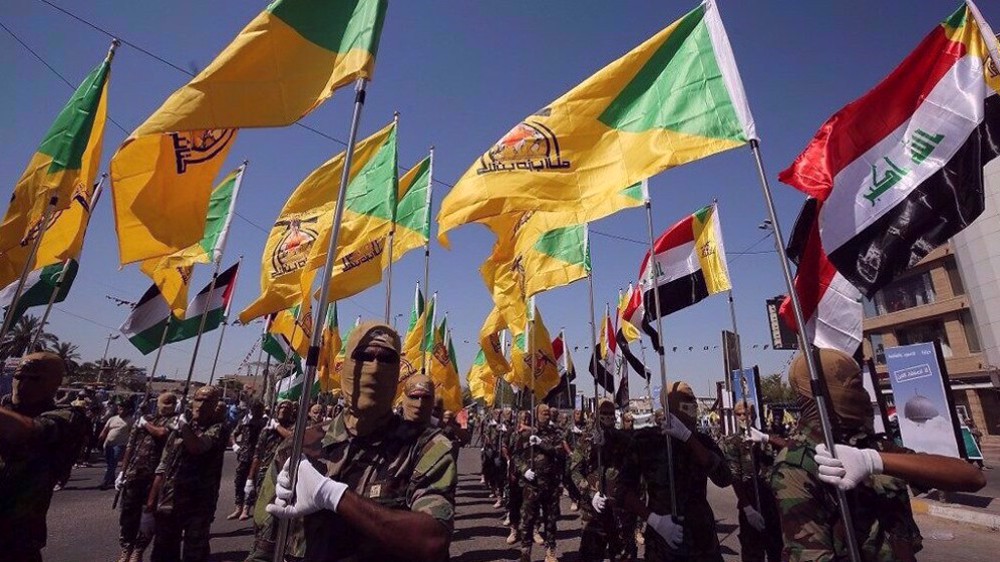
Several Iraqi political and Resistance figures have also criticized the suspension of Iranian flights.
Former Iraqi Prime Minister Adel Abdul Mahdi stated Iran is Iraq’s “neighbor, ally, and friend” and called the airport closure a major mistake, urging authorities to reverse the decision.
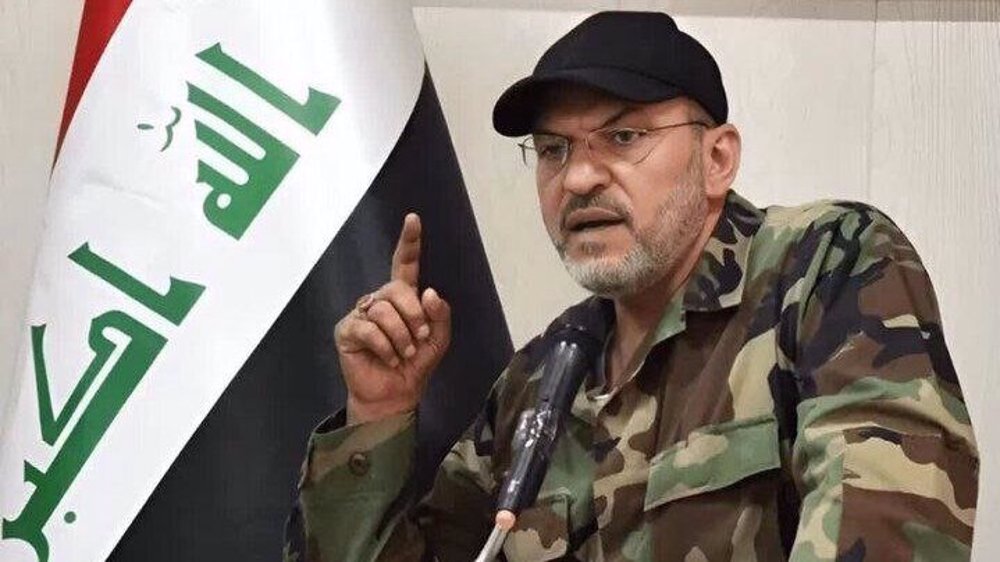
Harakat Hezbollah al-Nujaba Secretary-General Akram al-Kaabi vowed in a statement on Friday that the Iraqi anti-terror resistance group will stage sit-ins at Iraqi airports nationwide unless normal air traffic between the two Muslim neighboring countries resumes.
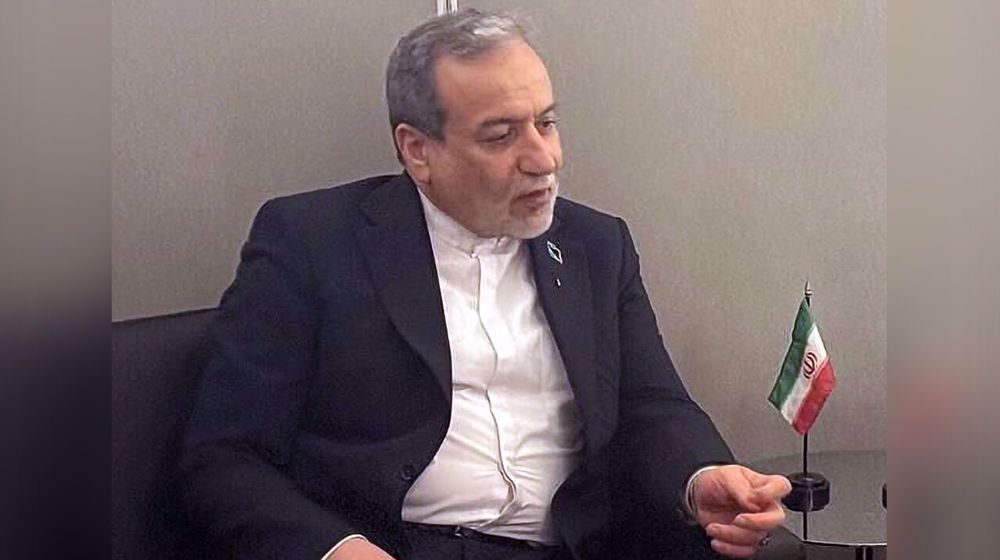
Iran has tried every diplomatic avenue to reopen Hormuz: Araghchi
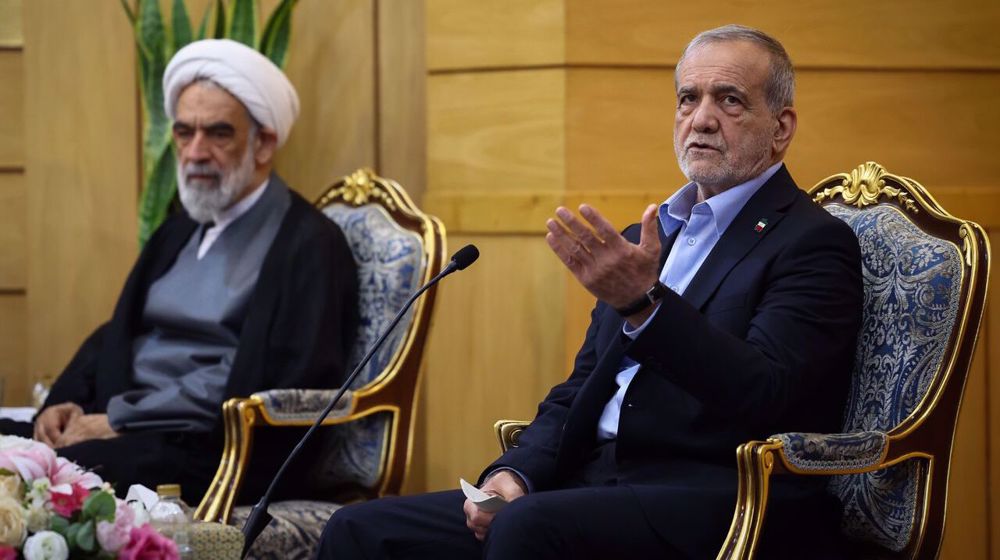
Pezeshkian says exposed US-Israeli crimes, Trump’s ‘terrorism’ at UNGA
Strait of Hormuz authority warns ship owners over attempts at forcing vessels onto illegal routes



VIDEO | 'Martyred Nasrallah was flag bearer of fighting against Zionist regime'
Top cleric urges all Iraqis to break ‘unjust, inhumane’ Iran aerial blockade
Israeli attacks kill 7 Palestinians in central, northern Gaza over 48 hours: Health Ministry
Iran has tried every diplomatic avenue to reopen Hormuz: Araghchi
VIDEO | Lula supporters march in Sao Paulo ahead of presidential election in Brazil
Iran will target US ships across Indian Ocean in case of new war: Top IRGC commander
VIDEO | Liverpool's pro-Palestine marchers condemn Israel's 'genocidal regime'
Pezeshkian says exposed US-Israeli crimes, Trump’s ‘terrorism’ at UNGA


 PressTV NEWSLETTER
now
PressTV NEWSLETTER
now
 This makes it easy to access the Press TV website
