Iran reconfigures military capabilities, upgrades Arash drone for battlefield: Army
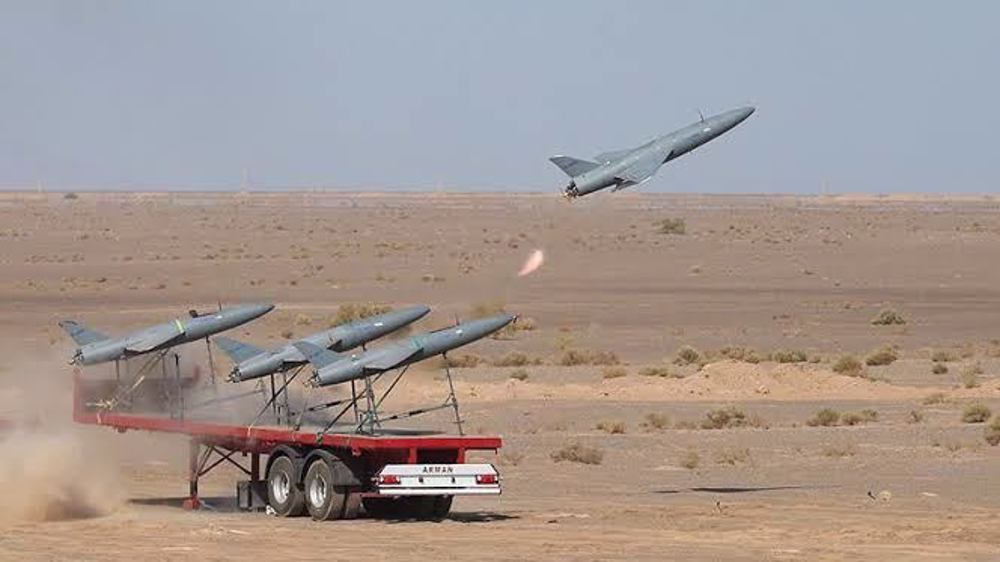
Iran has reconfigured its military capabilities and significantly upgraded its Arash loitering drone for more effective battlefield use, says the Iranian Army Deputy for Executive Affairs.
“In the defense sector, we have strengthened the components of our power and achieved good successes,” Brigadier General Alireza Sheikh said in an interview with Defa Press, referring to the downing of enemy drones and the limiting of the enemy’s presence around Iran.
He said the enemy had been forced to deploy at greater distances and conduct its operations from there, adding that it has been facing serious challenges in doing so.
Moreover, “we have reconfigured our capabilities and significantly upgraded the Arash drone so that we can use it more effectively on the battlefield,” Sheikh said.
He vowed that the Iranian forces will remain steadfast “until we savor the sweet taste of victory against the world’s greatest military and technological hegemon.”
The military official noted that Iran, despite the sanctions imposed on the country, has so far succeeded in overcoming the world’s most powerful military force, which claims to possess 50 percent of the world’s military capabilities.
“We also showed (on the battlefield) that national will can triumph over technology,” he stressed.
Referring to the current "no-war, no-peace" situation, he said we “are striving to expand our capabilities and re-evaluate our tactics, techniques and behavior.”
“The proper combination of equipment, weaponry, and systems has challenged the power of the American-Zionist enemy,” he said, noting that Tehran has developed technology capable of challenging the technology of our adversaries and shooting down their drones.
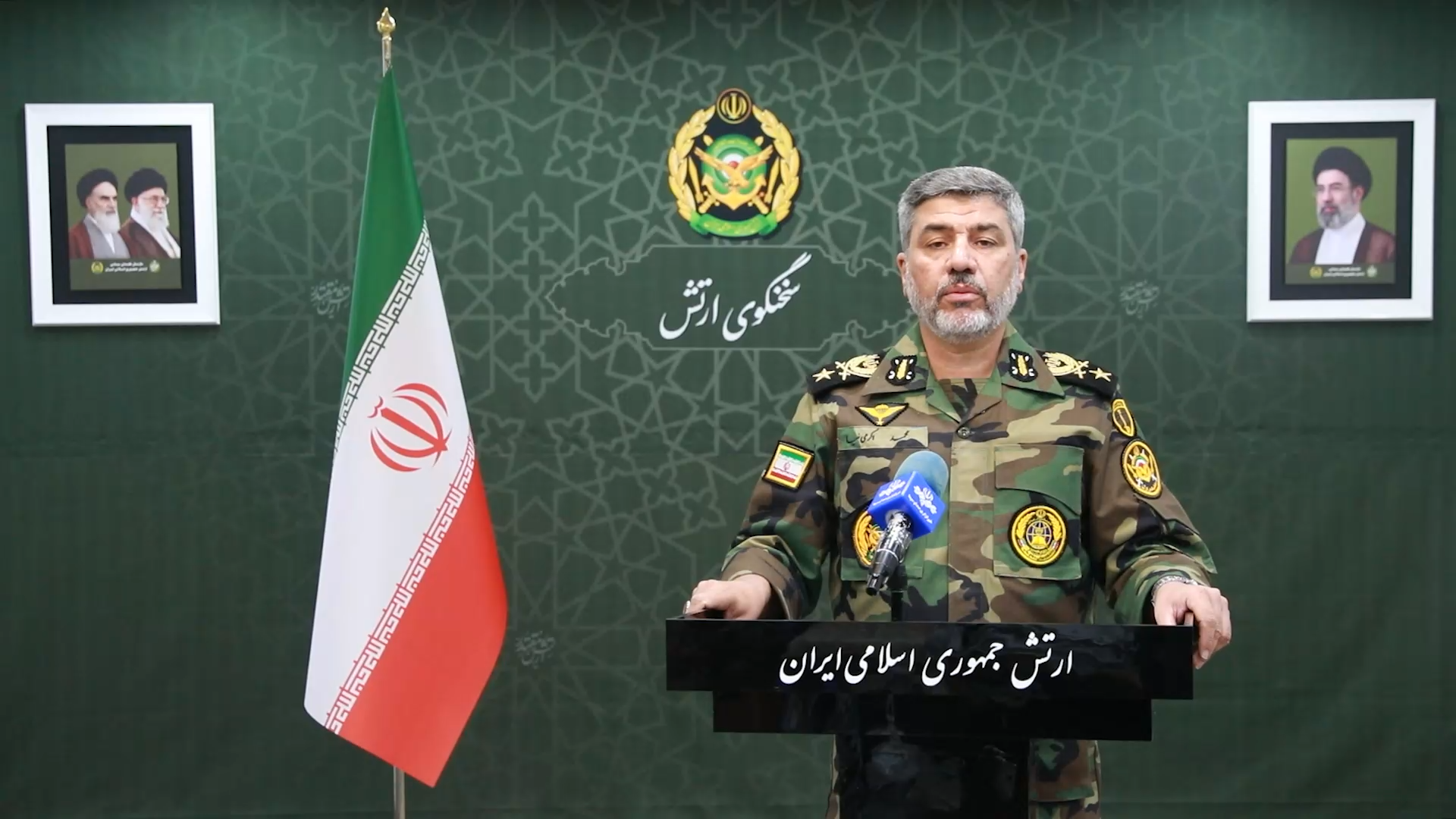
General Sheikh added that Iran, using its low-cost missiles and drones, has depleted the enemy’s expensive munitions stockpiles and challenged its capabilities.
“We were able, based on the logic of the defense economy, to bring the enemy to the brink of bankruptcy and challenge the enemy’s defense-economic logic,” he said.
The general said the outcome of a war should not be measured solely by casualties inflicted on the opposing side.
“Today, in the military arena, inflicting casualties on the enemy is not the sole criterion; rather, the winner of a war is the side capable of challenging the enemy in a long-term contest,” he said. “We challenged the enemy in this long-term war of attrition and, in a corner of the chessboard, forced it to negotiate.”
As Iran is currently observing the Sacred Defense Week—which marks the start of Iraqi Baathist regime's 1980-88 imposed war on the country, the general noted that “During the eight-year Sacred Defense, we were able to demonstrate that Iran could withstand a global onslaught; in the 12-day imposed war [in June 2025], we challenged the concept of deterrence; and in the 40-day imposed war [which began in February 2026], we showed the world our deterrent power and our ability to consolidate deterrence.”
Countering the tactics of its adversaries on the battlefield as well as their military doctrines, the Islamic Republic has demonstrated that it is “a powerful actor on the global and regional stage”, Sheikh emphasized.
The US and Israel launched another round of aggression against Iran on February 28, some eight months after carrying out unprovoked attacks on the country.
Iran swiftly retaliated by launching barrages of missiles and drones at the Israeli-occupied territories, as well as US bases and interests across the region.
The United States has perpetrated numerous violations against Iranian territory since April 7, when US President Donald Trump announced a unilateral ceasefire in the latest bout of American-Israeli aggression targeting the Islamic Republic.
The violations continued even after Washington and Tehran signed a Pakistan-mediated memorandum of understanding in June, whose first clause clearly mandates cessation of aggression on all fronts.
Renewed US strikes have once again triggered Iranian retaliation.
Blood on their hands: NATO chief’s confession proves Europe enabled US-Israeli war against Iran
Iran’s underground defense infrastructure frustrates enemy calculations: Defense Ministry
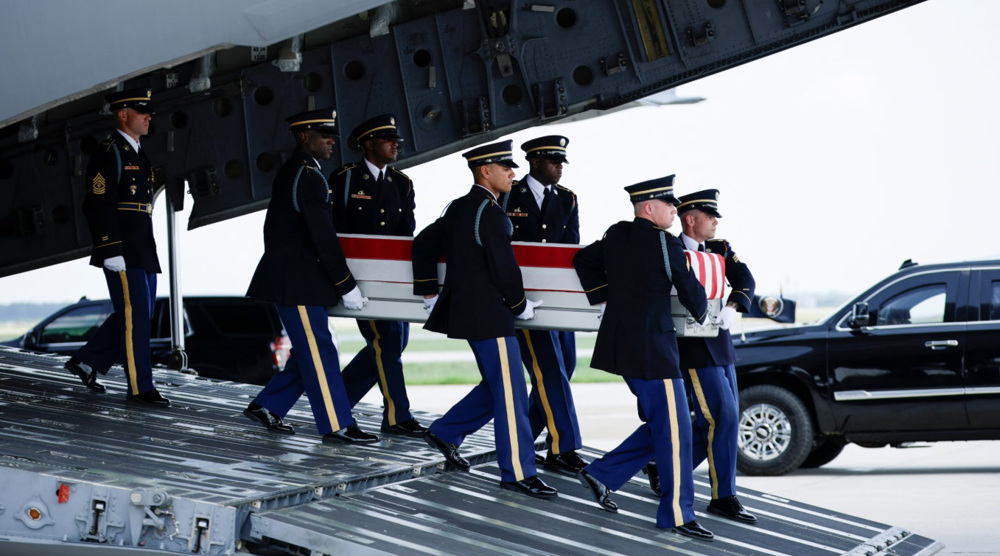
Pentagon quietly adds dozens to tally of troops wounded amid war on Iran



‘Surprises in store’: Iran vows to counter any fresh aggression with ‘new technologies’
Iraqis mark second anniversary of Hezbollah leader's martyrdom
Strait of Hormuz authority warns ship owners over attempts at forcing vessels onto illegal routes
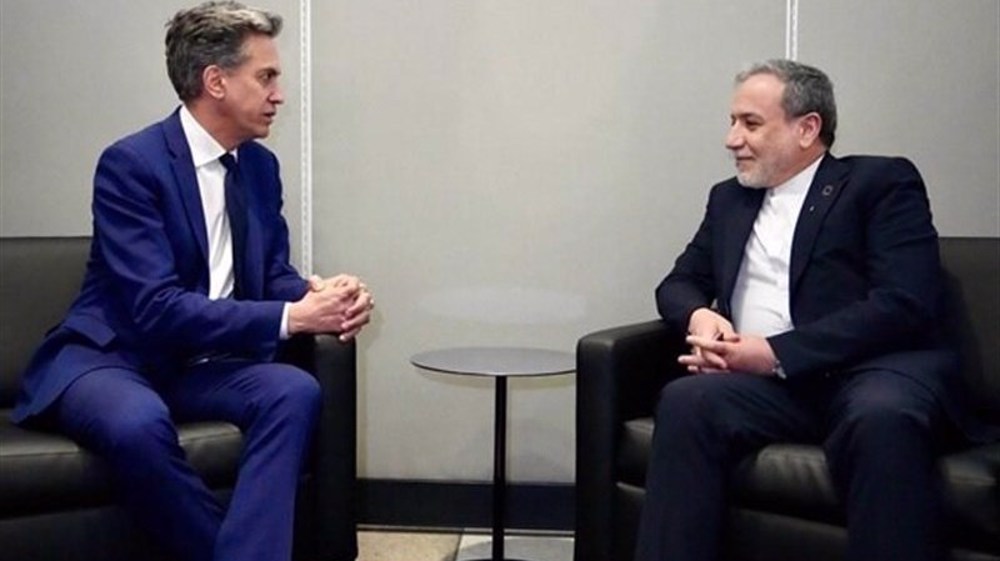
Iran FM: Restoring trust in UN requires ending impunity for those behind grave intl. crimes
Disarmament without dealing with Israel’s nukes is meaningless: Iran's deputy FM
VIDEO | UN says Gaza struggling with most severe economic crisis on record
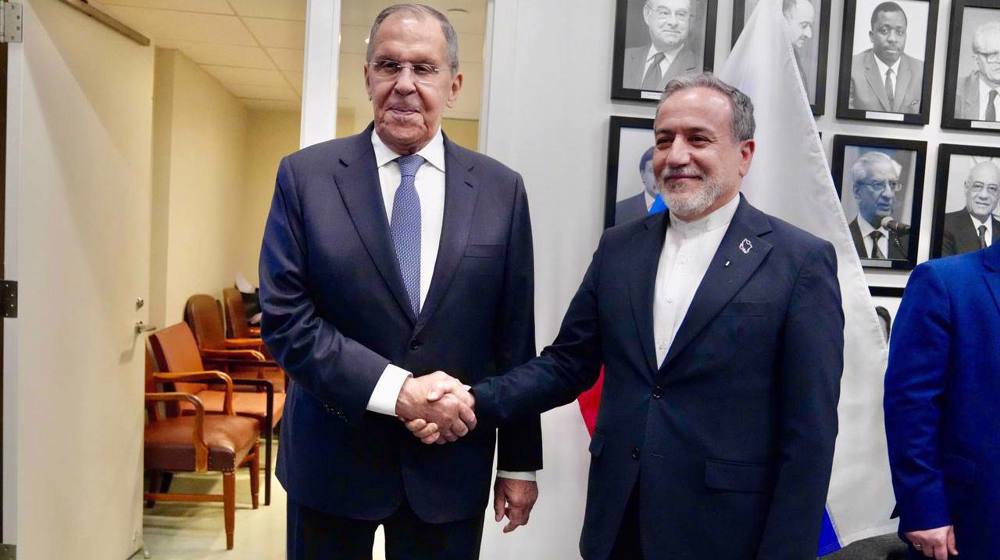
At UN, Russia condemns US assassination of Iran’s Leader as ‘unacceptable’
Yemeni military says Saudi warplanes carry out 27 airstrikes in past 24 hours


 PressTV NEWSLETTER
now
PressTV NEWSLETTER
now
 This makes it easy to access the Press TV website
