Iran’s Pardis Technology Park develops over 110 new products despite wartime challenges
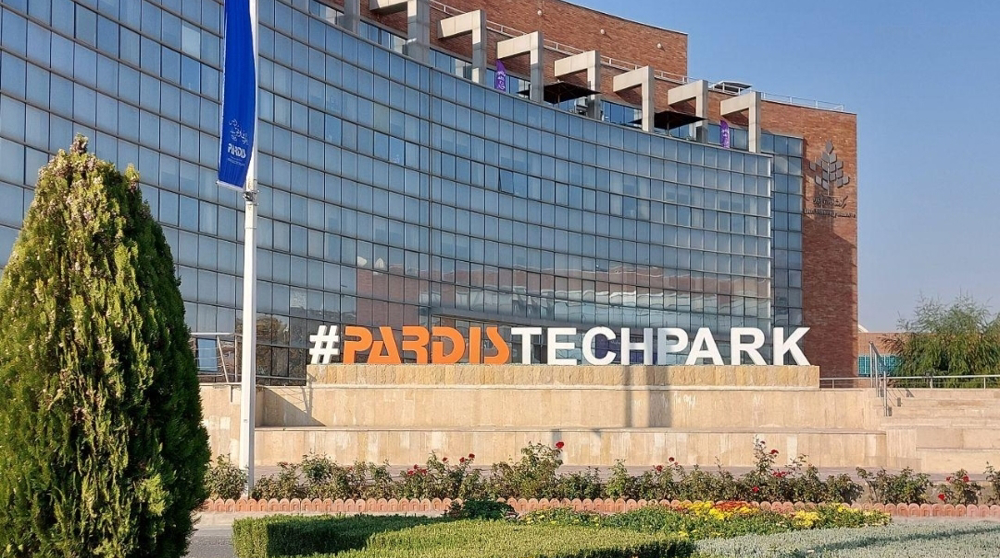
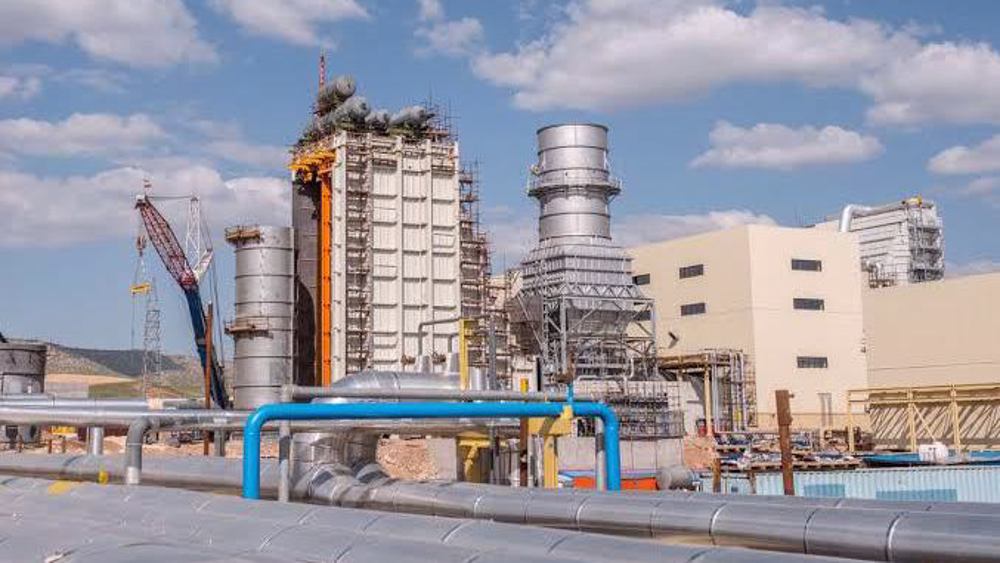
More than 110 new technological products have been developed at Iran’s Pardis Technology Park over the past year, despite the severe disruptions caused by two rounds of US-Israeli attacks on Iran, the park’s chief executive said.
Mehdi Safarinia made the remarks on Tuesday at the 24th annual ceremony honoring the park’s top performers, saying Iranian technology companies kept developing new products despite difficulties securing equipment, financing, exports, and market access.
“Despite the numerous challenges faced by knowledge-based companies in equipment procurement, financing, exports and market development, the park managed, by relying on the country’s scientific and technological capabilities, to contribute to national resilience and did not retreat from developing new products,” Safarinia said.
He added that Pardis Technology Park had developed more than 110 new products over the past year, bringing the total number of technological products and services produced by companies in the park to more than 30,000.
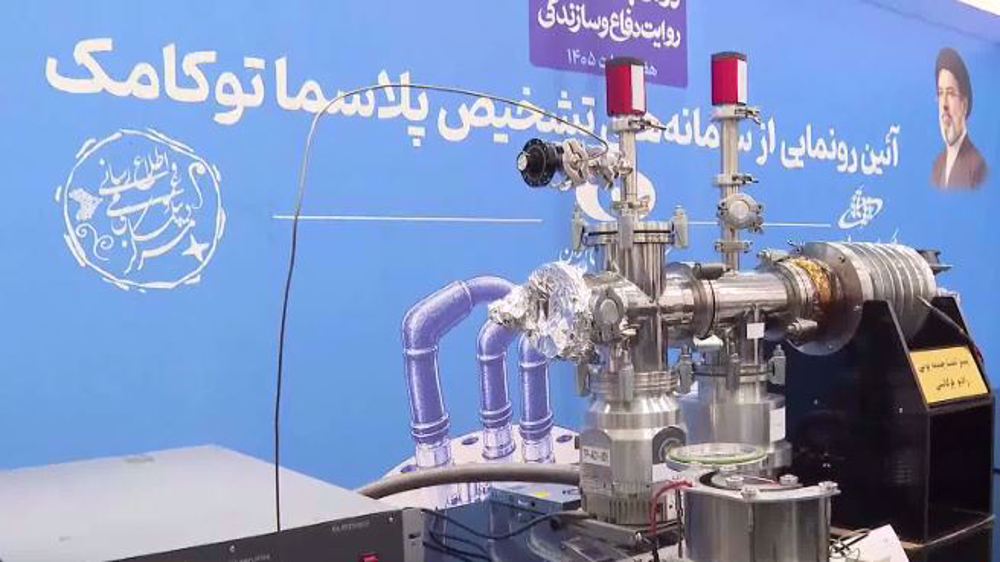
He noted that some of the newly developed products were produced in Iran for the first time and had helped address domestic needs.
“These achievements are not the result of the efforts of a single company or organization; rather, they are the outcome of an ecosystem in which hundreds of technology companies operate and which has helped create hope in the country,” Safarinia said.
The official also stressed that the recent wars had demonstrated that technological capabilities were not merely an economic asset.
“The war showed that the country’s technological capabilities are not only an economic capacity; the role of technology in national security and other areas had also become increasingly evident,” he noted.
✍️ Feature - ‘Stronger than before’: Inside Tehran’s bombed Laser and Plasma Institute that resumed work in days
— Press TV 🔻 (@PressTV) June 10, 2026
By Mina Mosallanejadhttps://t.co/8pNnvGasDq
Safarinia said Pardis Technology Park plans to draw on the capabilities of its member companies as well as national and international programs to become a national platform for coordinating and deploying technological capacities to address industrial challenges and the country’s technological needs.
“Our goal is for research, with the help of universities, to move first toward an initial product, then to an industrial process and finally to the market, turning Pardis into one of the country’s influential centers for technology and addressing national challenges,” he said.
Safarinia remarks came after Iran experienced two rounds of aggression during the past Iranian year.
The first was a 12-day war in June 2025, during which over 1,000 people were killed in Iran, including women and children, according to Iranian official figures.
The second began on February 28, with joint US-Israeli strikes that hit targets across Iran and lasted about 40 days before a ceasefire was reached in April.
Iranian health authorities reported that more than 3,500 people were killed during the war, including hundreds of women and children.
Alongside the civilian casualties, the two unprovoked wars of aggression resulted in the martyrdom of dozens of senior military commanders, nuclear scientists and the Leader of the Islamic Revolution, Ayatollah Seyyed Ali Khamenei.
The attacks also damaged civilian and economic infrastructure in several parts of the country.
Iran’s armed forces also responded with retaliatory strikes against the attacking forces, while maintaining military pressure that ultimately contributed to the ceasefire.
At the same time, Iranian authorities and emergency and infrastructure services moved quickly to repair damaged areas and restore essential services, allowing many affected communities and economic activities to return to normal operations within a relatively short period.
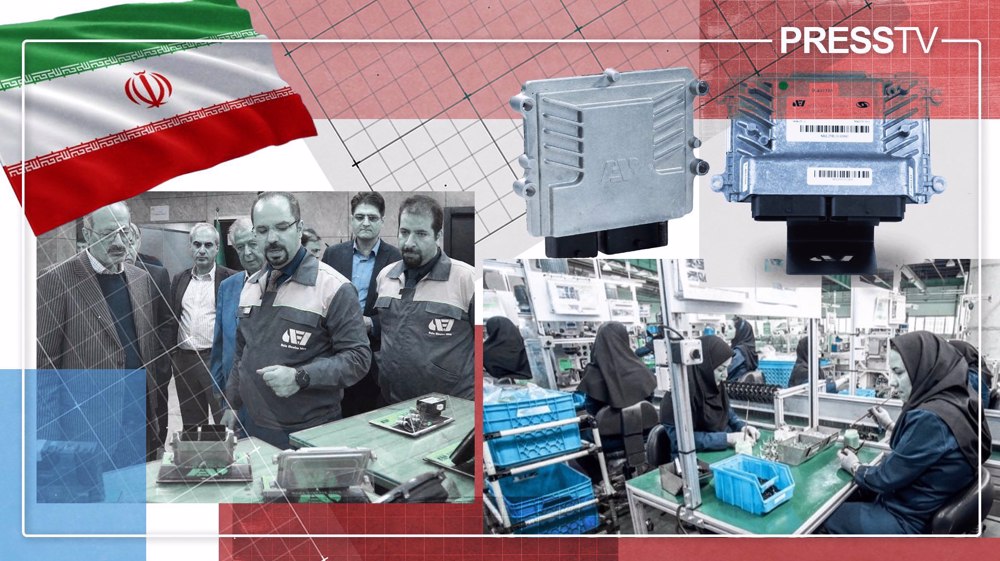
Iranian engineers develop indigenous engine control units, advancing automotive electronics

Iran Open RoboCup brings together 700 teams and around 2,000 young robotics innovators
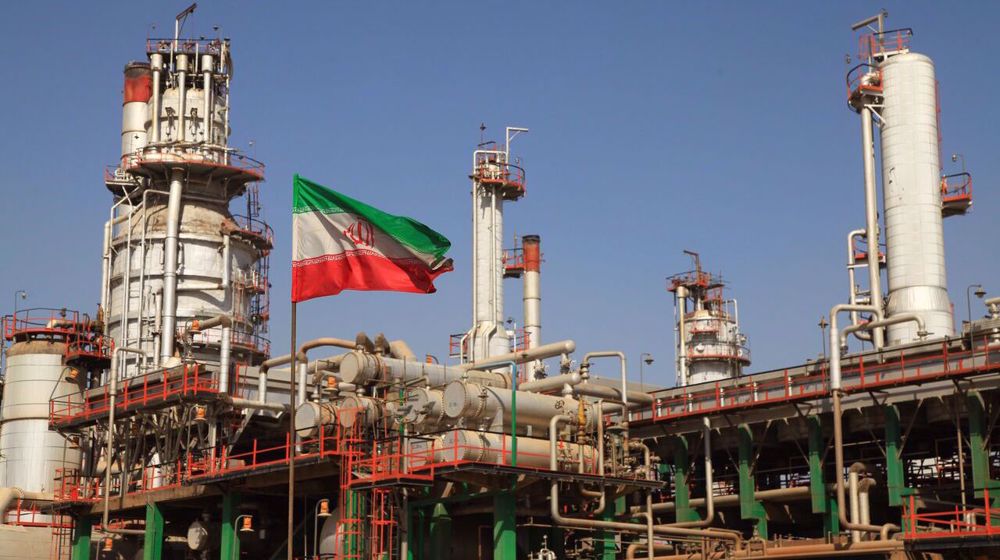
Iranian CO2 recovery project named a finalist of 2026 WPC Energy Excellence Awards



IRGC dismantles terrorist team in southeastern Iran, killing five
Iran’s top security official says no return to pre-war diplomacy with US
‘We don’t seek permission to defend our country’: Snippets from President Pezeshkian’s UNGA address
VIDEO | Kargil protest demands justice, constitutional safeguards for Ladakh
Pezeshkian spoke for Iran’s 3,000-year-old civilization at UN: Qalibaf
Araghchi conveyed Iran’s ‘clear, transparent’ conditions to US: Spokesman
Switzerland urges Israel to end 'unlawful occupation' of Palestinian territories
VIDEO | Moscow hosts international forum on how to combat misinformation, fake news


 PressTV NEWSLETTER
now
PressTV NEWSLETTER
now
 This makes it easy to access the Press TV website
