Scraping the bottom of the arsenal: MQ-9 losses in war against Iran force US to bring back retired MQ-1
By Mohammad Molaei
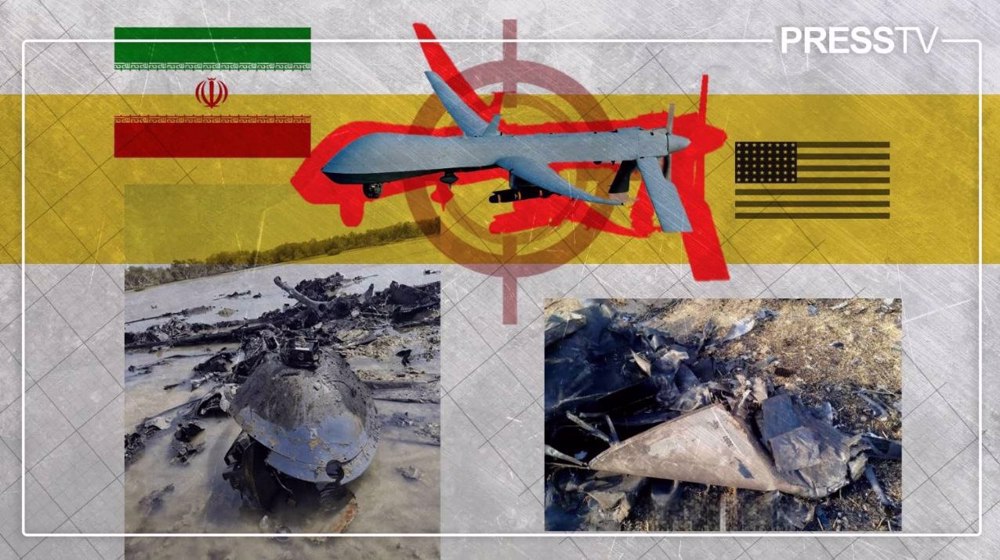
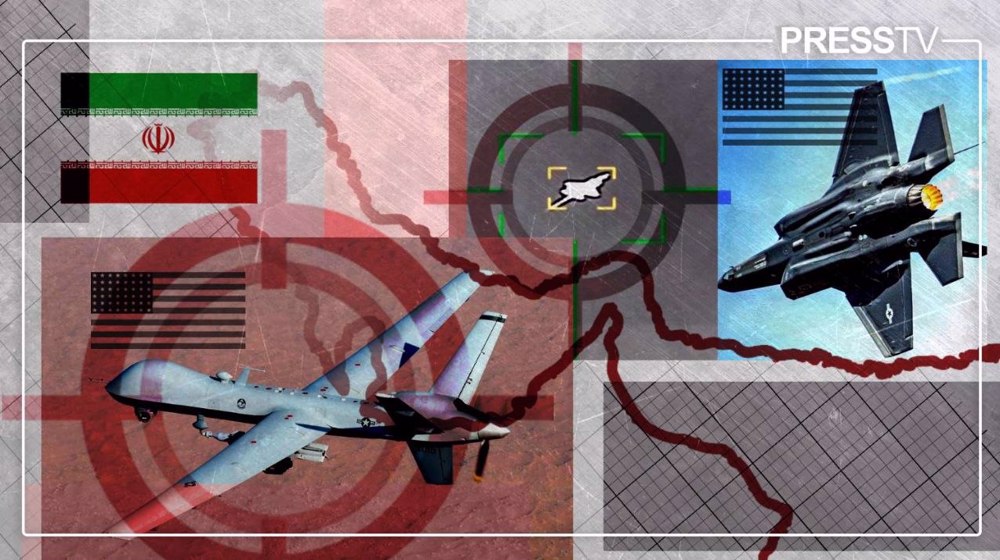
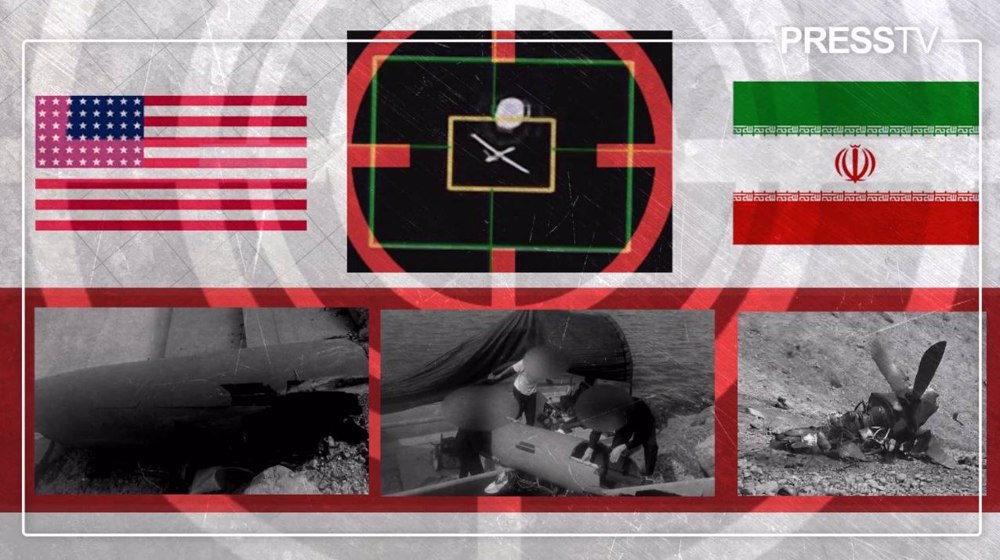
On 31 May 2026, US Central Command (CENTCOM) issued a statement that an American “MQ-1” drone had been engaged and destroyed by Iranian air defenses in the Persian Gulf region.
The aircraft had violated Iranian airspace when it was shot down. But the engagement itself was not the real story; the designation of the drone was the real story.
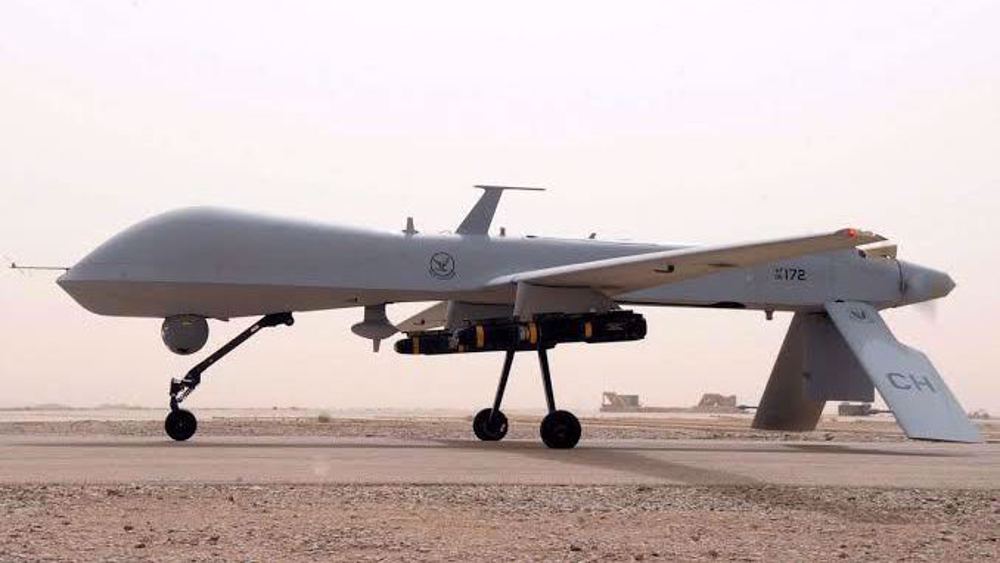
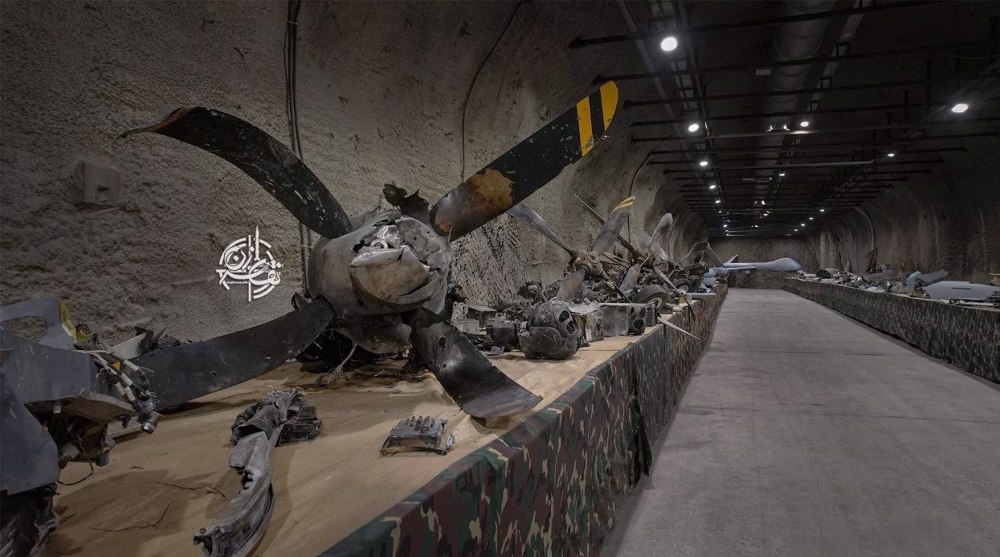
The US Air Force had formally retired the MQ-1 Predator in March 2018, declaring its larger and far more capable successor, the MQ-9 Reaper, sufficient for every mission the Predator had performed. Eight years later, an aircraft bearing that designation was flying a combat mission over one of the most militarized regions and was effectively shot down.
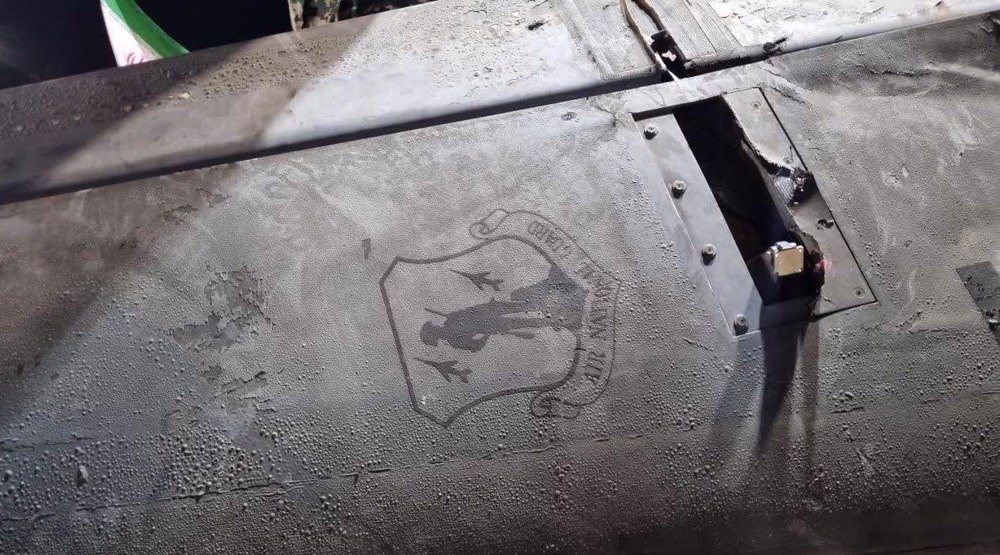
Whether the downed aircraft was a resurrected Air Force MQ-1B pulled from the Arizona boneyard or the Army’s still-serving MQ-1C Gray Eagle, CENTCOM has declined to say.
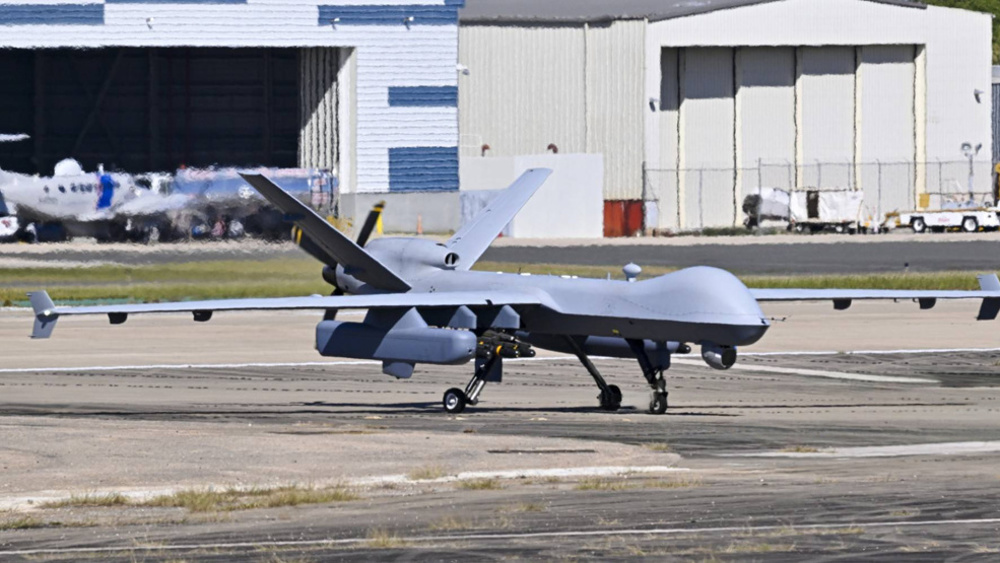
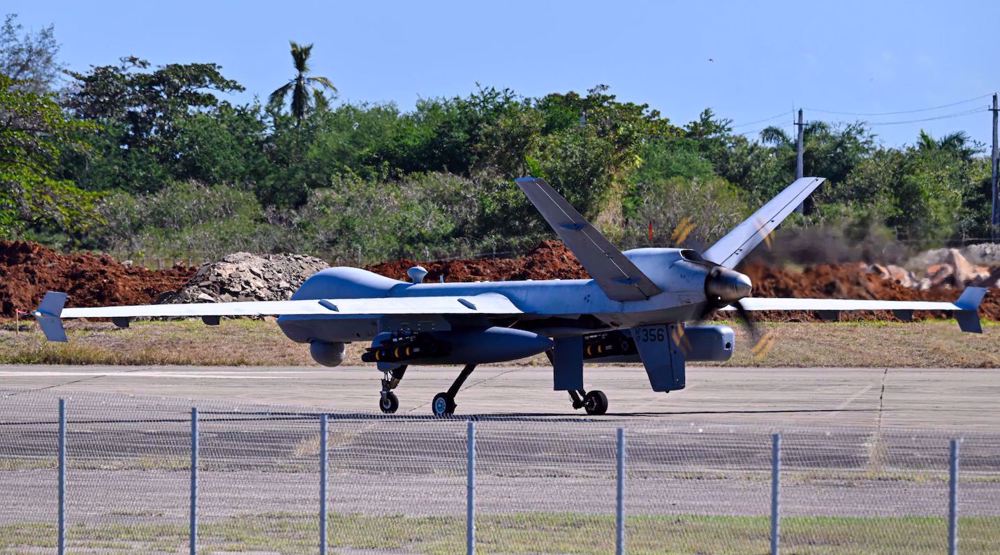
Either possibility points to the same underlying arithmetic. The Reaper fleet – the backbone of America’s persistent surveillance and precision-strike operations across the West Asia region – has been losing aircraft faster than production, procurement, or prudence can replace them.
The Pentagon is therefore reaching for whatever airframes it can still put into the air.
The Reaper’s troubles are quantifiable. The Yemeni military in Yemen has maintained a steady rhythm of shootdowns since late 2023; Iran has destroyed more than 50 during the ongoing war since late February. The Predator’s second act is not the product of a strategic choice, but it is what happens when the ledger refuses to balance.
A ledger of losses: Yemen, Iran, and the Reaper’s worst year
The attrition of the MQ-9 fleet has unfolded on two distinct fronts, and each tells a different story about the war.
The first is Yemen. Since the Red Sea crisis began in late 2023, Yemeni forces, using a mix of older surface-to-air missiles and increasingly sophisticated fire-control practices, have shot down MQ-9 Reapers at a pace that would have been unthinkable a decade ago.
By mid-2026, Yemeni military and coalition forces had accounted for roughly 30 MQ-9 shootdowns. These are not isolated incidents but a demonstrated and repeatable capability.
The second front is Iran, and here the losses carry greater strategic weight. By mid-September 2026, the 53rd MQ-9 had been shot down by Iranian air defenses.
During the 39 days of US-Israeli war of aggression against Iran that began on 28 February 2026, dozens of US military aircraft were destroyed or damaged, with MQ-9s accounting for the bulk of the losses.
The Pentagon’s own Lead Inspector General report to Congress, covering the US attacks on Iran from April through June, put US MQ-9 losses in the war at roughly 30 – figures that follow the established pattern of minimizing the scale of American losses in Iran.
The American military has lost roughly 30 percent of its entire MQ-9 fleet over Iranian skies. At an estimated $30 million to $50 million per aircraft, depending on configuration, the losses represent a cost of billions of dollars for a single weapon system.
The picture that emerges is not simply of an aircraft being attrited in combat. It is of a system being methodically ground down by the Iranian air defenses that studied it for years and developed relatively inexpensive, effective means of killing it.
Why Reaper is irreplaceable and why Iran targeted it
The losses matter because of what the MQ-9 actually does. No manned aircraft can loiter over a target area for twenty-plus hours at a stretch; no satellite can maintain continuous watch over a moving vehicle and cue a missile in real time.
Persistent ISR – unblinking, hours-long surveillance of a fixed piece of terrain – is precisely the niche the Reaper was built to occupy, and it is one the Pentagon cannot currently fill at comparable scale by any other means.
In the Persian Gulf, that niche has one dominant application: finding Iran’s mobile ballistic-missile launchers. The 40-day war and, before that, the 12-day war the year before demonstrated essentially the same lesson.
Mobile launcher-and-reload tactics could blunt the advantages of air superiority; the most reliable counter was to maintain constant surveillance over the terrain where launchers concealed themselves and strike within minutes of detection.
That is a job for a high-endurance unmanned aircraft, and it has been among the most important roles of MALE (medium-altitude, long-endurance) UAVs throughout the two imposed wars.
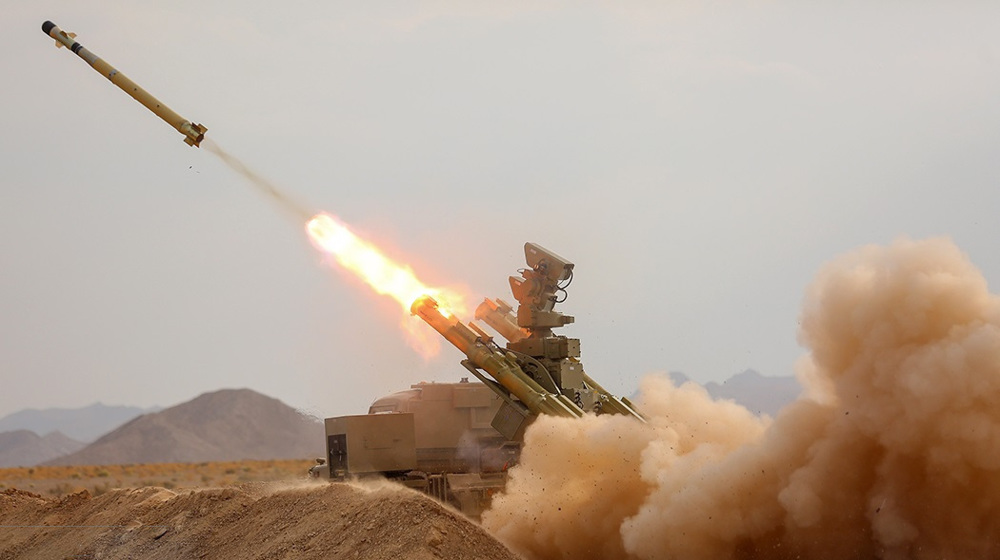
Iran understood this calculus and adapted accordingly. In the aftermath of the 12-day war, Tehran invested heavily in electro-optical detection and tracking systems designed specifically to locate and engage slow, high-flying surveillance drones.
The results became visible across the region. Israeli Hermes 900s, Eitans, and Herons – the persistent-ISR and strike fleet operated by the Israeli regime – suffered heavy losses when pressed against these defenses. That, in turn, helps explain why the American Reaper became more significant during the later stages of the conflict and in the post-war flare-ups that followed.
Someone still has to watch the launchers. By 2026, however, the proliferation of electro-optical air-defense systems had made that job one of the most dangerous forms of surveillance in the sky.
The strategic logic cuts both ways. The Reaper is expensive; a configured airframe can cost up to roughly 50 million dollars, and Air Force fact-sheet accounting puts some variants at nearly 82 million dollars in today’s money, because it is exquisitely capable.
But a platform that costs that much and dies that often is no longer an asset of persistence; it is a liability of persistence. Iran’s retaliatory campaign was designed not just to blind American eyes but to make persistence unaffordable. By that measure, the campaign is working.
Back from the boneyard: The MQ-1’s second act
The Reapers are needed everywhere: in the Pacific, on hostile missions across Africa, for homeland surveillance, and beyond. The United States cannot strip every other theater of MQ-9s to sustain its war against Iran. And with no meaningful production pipeline running, every loss is effectively permanent.
It is against this backdrop that the appearance of MQ-1s over the Persian Gulf in 2026 must be understood. The US Air Force retired the MQ-1B Predator in March 2018, transferring its missions to the MQ-9.
As of September 2024, dozens of MQ-1B airframes remained in storage at AMARG, the aircraft boneyard at Davis-Monthan Air Force Base in Arizona. A mothballed MQ-1B, by contrast, costs relatively little to reactivate – assuming its airframe remains structurally sound.
But the capability gap between the two aircraft is not cosmetic, and it is worth describing in concrete terms rather than technical ones.
The MQ-1 is slower and lighter, and its sensor ball belongs to an earlier generation. Its weapons load is limited to a pair of Hellfire missiles, compared with the Reaper’s substantially heavier payload and access to larger munitions. Its survivability against even modestly modernized air defenses is also poorer: it is smaller, slower, and operates at lower altitudes.
The Predator cannot do the Reaper’s job. What it can do is serve as the Reaper’s understudy: orbiting over the Persian Gulf for hours and absorbing the risks that the more valuable fleet can no longer afford to carry. It is a stopgap, not a substitute – and everyone involved knows it.
Tankers, tanker lanes, and the Strait of Hormuz
Recent MQ-1 shootdowns have occurred over the Persian Gulf and near Qeshm Island, the Iranian island that sits astride the Strait of Hormuz, through which roughly one-fifth of the world’s oil supply transits.
American drones are not sightseeing there. They are monitoring tanker traffic, watching for Iranian fast-attack craft, mine-laying activity, and missile launchers; maintaining overwatch of naval assets; and searching for the mobile systems that have kept the strait closed for months.
It is dangerous and round-the-clock work, and precisely the kind of mission for which the United States cannot afford to go blind. For the US Navy, the stakes are direct.
Carrier strike groups and escort vessels operating outside the Persian Gulf depend on the persistent drone layer above them for early warning of small-boat swarms, anti-ship missile launches, and other threats, including submarine activity.
Thinning that layer does more than reduce intelligence collection. It erodes the protective envelope that force-protection planning has relied upon for two decades.
What comes after the backstop
Zoom out, and the arithmetic becomes a curve. With no new Reapers rolling off a production line, and with the MQ-1 reserve now drawn into combat and suffering staggering losses of its own, the United States faces a near-term window in which its uncrewed ISR and strike presence over the Persian Gulf becomes considerably narrow and almost close to being shut.
Surveillance gaps over the strait, longer intervals between orbits, and increasingly difficult decisions about which regions receive coverage are no longer hypothetical. They are becoming the operating condition.
“As we get to the end of the MQ-9 life, there was some early talk of where do we want to go afterwards, and candidly, as a result of some of the losses that we've experienced in combat operations, that discussion sort of got accelerated,” Lt. Gen. Christopher J. Niemi, the service’s chief modernization officer, told reporters recently.
That acceleration has produced the Massed Modular Aircraft program: a roughly $10 million airframe, before sensors and mission systems, intended to be procured in quantities of at least 180, with a 2,800-pound payload and long combat radii.
The philosophy is attritability. “You're going to lose more military hardware in future wars than you have historically, and that's what's driving us to this sort of fundamental principle that we need things that are easier to produce, cheaper to buy, and that we can afford to lose more of them,” Niemi said. “Right now, we don't have a whole lot of that.”
Not everyone accepts the premise. “The MQ-9's unique combination of endurance, payload, range, sensors, weapons, connectivity, adaptability and reliability is precisely what enables mission effects that others struggle to replicate,” said C. Mark Brinkley, a spokesperson for manufacturer General Atomics, who noted that the Reaper has “been called the MVP of Epic Fury, for good reason.”
The Senate Armed Services Committee, meanwhile, has backed the platform in its version of the 2027 military authorization bill, limiting retirements and calling for additional purchases.
But the US Senate cannot legislate airframes out of a missile’s path. Whatever the future fleet looks like, the present one is shrinking, and the interim answer is an aircraft the US Air Force discarded eight years ago.
The broader signal to the region may be the most consequential part. Iran and Yemen have demonstrated that a patient, relatively low-cost investment in air defenses can impose losses on an expensive surveillance fleet faster than the American industrial and procurement system can replace them.
Deterrence in the Persian Gulf has long rested on the assumption that American eyes never blink. The return of the Predator suggests, quietly but unmistakably, that those eyes now blink and are close to being blinded, which spells doom for the US regional hegemonic architecture.

Iran Army vows stronger response to any renewed US aggression
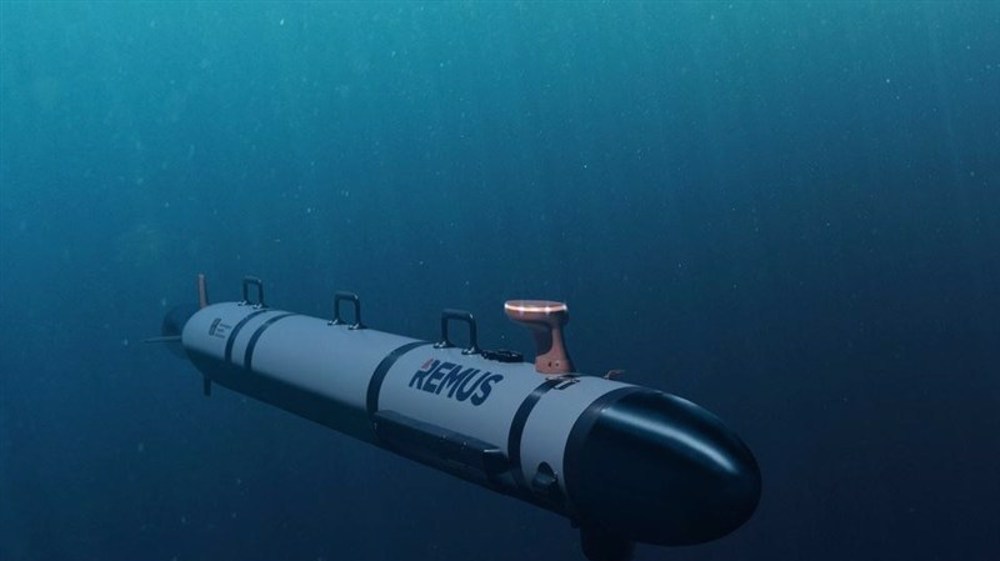
IRGC captures second US underwater drone in Strait of Hormuz

Regional insecurity will spare no one: Iran’s Army chief warns neighbors



Netanyahu makes secret visit to Abu Dhabi amid deepening alliance: Report
'Contrary to UN charter and Islamic teachings': Iran slams Saudi massacre at Yemen market
‘Not just a catch, an intelligence prize’: IRGC spokesman hails seizure of second US underwater dron
VIDEO | Iran warning US against miscalculation
Arab League slams dangerous Israeli escalation at al-Aqsa Mosque and across West Bank
VIDEO | Martyr Nasrallah made people believe in possibility of victory, liberation: Political activist
VIDEO | Nasrallah's leadership was based on resistance, liberation, national unity: Analyst
UK police evacuate homes near airbase used by US over bomb threat


 PressTV NEWSLETTER
now
PressTV NEWSLETTER
now
 This makes it easy to access the Press TV website
