Trump administration prepares wide-ranging sanctions on ICC: Reports
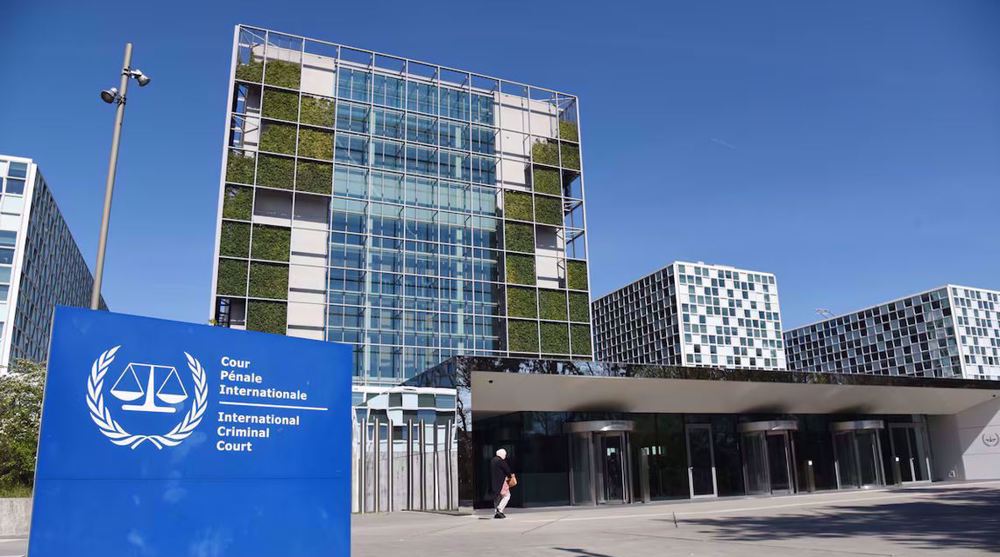
The Trump administration is reportedly preparing wide-ranging sanctions against the International Criminal Court (ICC) that could disrupt the tribunal's finances and day-to-day operations, according to US media reports and sources familiar with the matter.
The Wall Street Journal reported on Sunday that the proposed sanctions would bar most dealings with the Hague-based court following a six- to seven-month grace period.
Such a step would mark a significant escalation in Washington's campaign against the court, targeting the institution itself rather than individual judges and prosecutors.
Reuters, citing two sources familiar with the plans, also reported that the Trump administration intends to unveil the sanctions in the near future.
The Journal, citing anonymous officials, said a final decision could come during or shortly after this week's United Nations General Assembly meeting in New York.
Should the measures take effect, they would prevent American citizens and businesses from providing the ICC with funds, goods or services unless authorized by the US Treasury Department.
The ICC's president and registrar have previously cautioned that sanctions against the court could hamper its ability to procure information technology and insurance services, recruit investigators and carry out routine payments, including salaries for its American staff.
Established in 2002, the ICC prosecutes individuals accused of genocide, war crimes and crimes against humanity when national authorities are unable or unwilling to do so.
Under an executive order signed by President Donald Trump in February 2025, Washington has already imposed sanctions on more than a dozen ICC judges and prosecutors.
In August, ICC President Tomoko Akane and senior trial lawyer Abdoulaye Seye were added to the sanctions list, with restrictions taking effect on September 17.
The United States has never joined the court.
The Trump administration argues that the ICC has exceeded its authority by pursuing officials from countries that are not members of the tribunal.
Washington has also objected to an earlier ICC investigation into abuses involving US personnel in Afghanistan.
Relations between Washington and the tribunal deteriorated further after the ICC issued arrest warrants in November 2024 for Israeli prime minister Benjamin Netanyahu and former minister for military affairs Yoav Gallant over war crimes and crimes against humanity in Gaza.
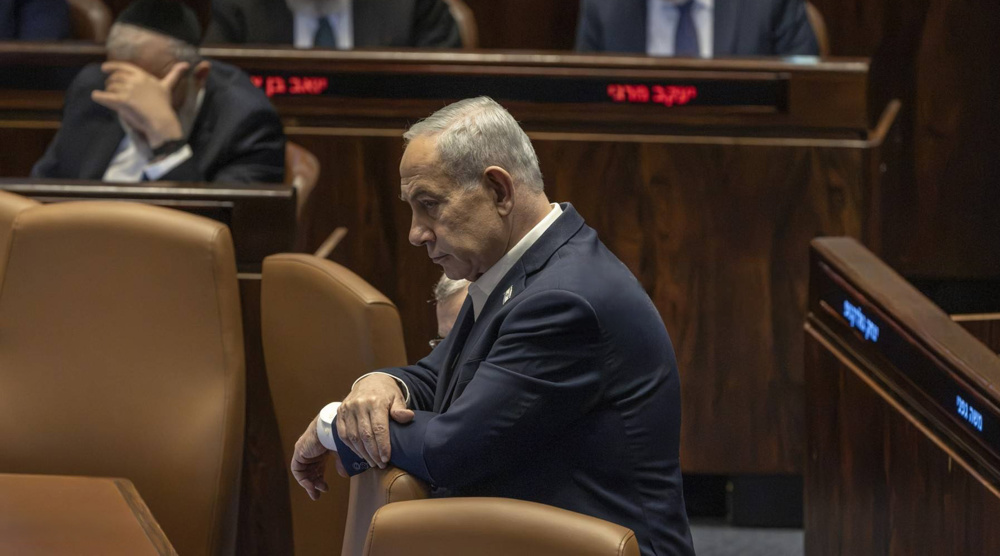
Like the United States, Israel is not a member of the ICC and rejects the court's jurisdiction.
In July, US Secretary of State Marco Rubio announced a campaign aimed at further isolating the court and urged other countries to withdraw from it.
The reports come amid growing pressure on the ICC, with Chad and Venezuela moving to withdraw from the court in July after similar decisions by Burkina Faso, Mali and Niger.
Meanwhile, four US-based rights groups filed a lawsuit against the Trump administration in August, saying that existing sanctions hinder their legal and human rights activities.
South Korea rejects Hormuz deployment plan
Trump’s ‘war of choice’ against Iran ‘a disaster’: House Democratic leader
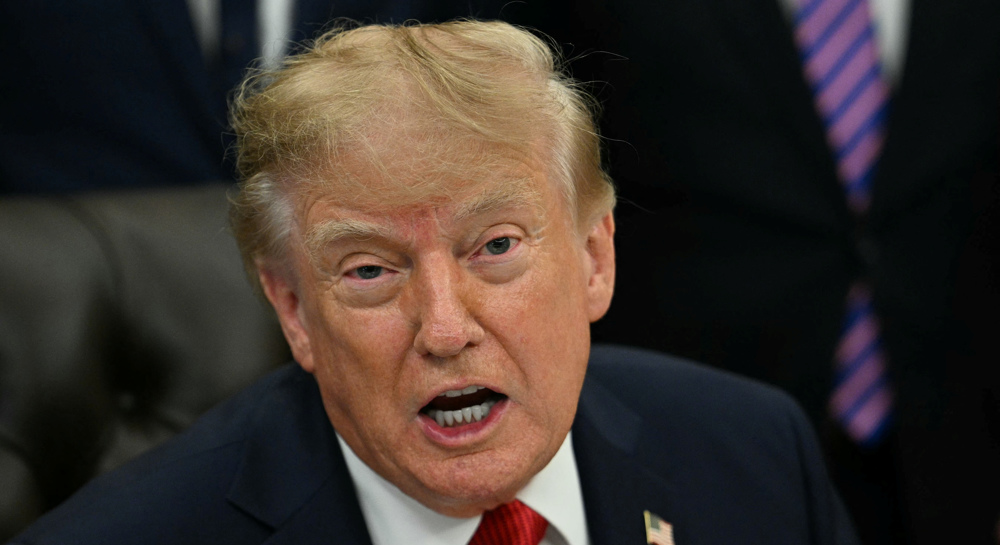
Trump announces ‘security’ agreement on Greenland after threatening to annex it



Iran urges France to respect Vienna Convention after Tehran suspends institute
Israel lobby no longer shy about its grip on US policy: Iran FM
Saudi Arabia allows Israel to use its military bases to spy on Yemen: Houthi
Judiciary: 12 Iranian fishermen killed, 760 vessels damaged in US attacks on Hormozgan
Iran, Pakistan push to finalize agreements, boost cooperation
VIDEO | Trump’s ICC sanctions prove US support for Israel: Analyst
Drawings of Minab children killed in US attack exhibited outside UN office in Geneva
Iranian engineers develop indigenous engine control units, advancing automotive electronics


 PressTV NEWSLETTER
now
PressTV NEWSLETTER
now
 This makes it easy to access the Press TV website
