Italy’s Meloni plans to ban schoolgirls from wearing Burqa, Niqab
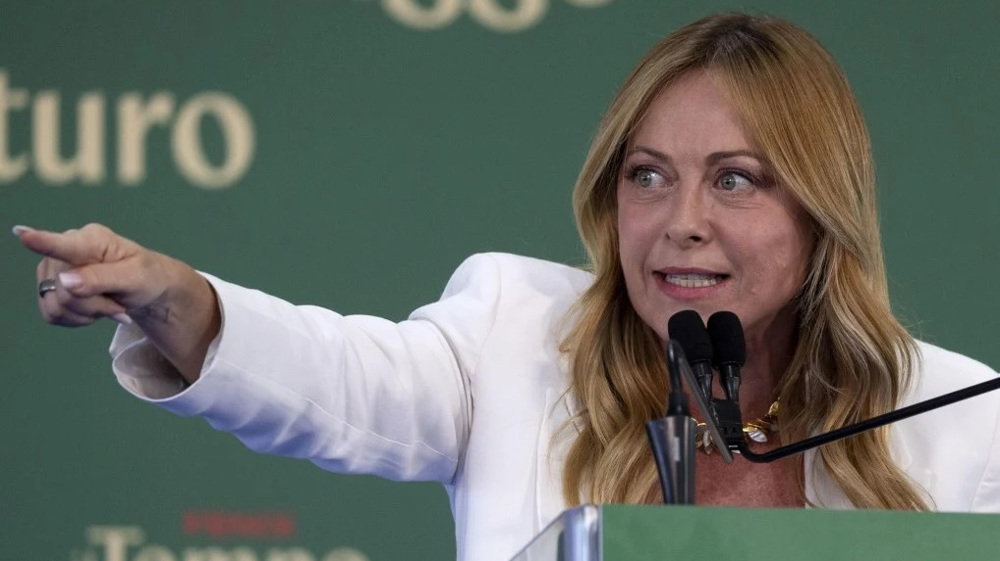
Italian Prime Minister Giorgia Meloni has announced plans to ban schoolgirls from wearing the burqa and niqab, as immigration is expected to be a key issue in next year’s general election.
Speaking at a gathering of the youth wing of her right-wing Brothers of Italy (FdI) party on Sunday, Meloni also said Italy will limit the number of foreign students in classes and make Italian language lessons compulsory for the parents of any foreign students who have “serious difficulties integrating into the school system.”
Meloni emphasized that her party wants everybody who moves to Italy to communicate in the country’s language, understand the public’s culture and abide by the rules and norms of Italian society. “For us, anyone who comes to Italy and wants to build their future here must learn our language, understand our culture, and respect our rules,” she said to a standing ovation at the Gioventu Nazionale national festival in Rome.
Once approved by the government, the changes would need parliamentary approval within 60 days to pass into law.
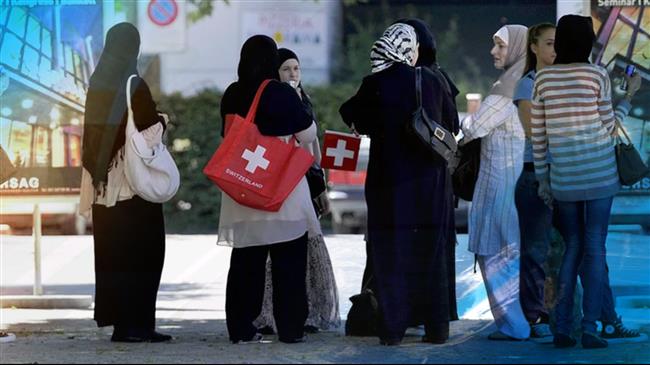
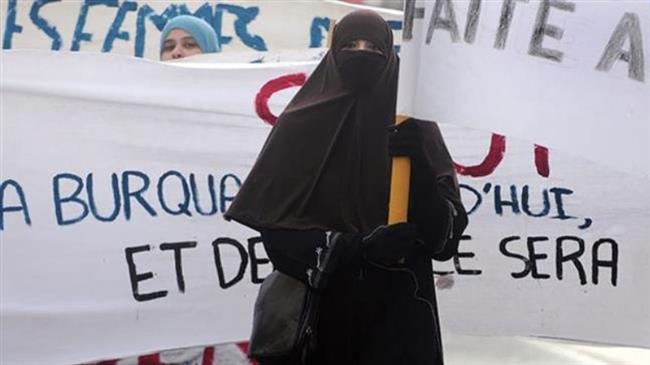
Burqas are full-face veils sometimes worn by Muslim women that hide the entire face, including the eyes. Niqabs are similar, but the eyes are visible.
A 2008 ruling clarifies that full-face coverings may be worn for religious or cultural reasons if the face is revealed when identity verification is required.
However, the anti-immigrant League party, which is part of Meloni’s ruling coalition, submitted a bill earlier this year that would ban helmets or garments, except in specific circumstances such as sporting events or places of worship.

Alongside the burqa ban, Meloni said she would implement a legal cap on the number of foreign students per class.
However, a 30 percent limit on foreign students per class and school already exists under Italian law, and Meloni did not spell out how that would change. Currently, foreign students make up about 12 percent of enrollment in Italian schools.
Meloni’s right-wing administration is Italy’s longest-running government since the end of the Second World War, but her party is expected to face a serious challenge in 2027 from the National Future (FN) party, which is further to the right of the FdI, and its popularity has been rapidly increasing in polls since February.
FN called for a crackdown on the wearing of burqas in schools in July.
Activists have criticized Meloni for xenophobia and Islamophobia, while the Italian prime minister claims the government’s integration policy is the only viable approach to immigration.
Before her government was sworn in on October 22, 2022, Meloni campaigned heavily on a platform of reducing immigration, calling for a naval blockade of North Africa, and the closure of ports, to reduce the number of asylum seekers traveling to Italy.
Since then, her government has been making efforts to pursue some of the anti-immigration policies deemed necessary by the right-wing parties.
Trump announces ‘security’ agreement on Greenland after threatening to annex it
Saudi Aramco halts European crude supplies amid disruption to key oil route
Iranian nuclear chief barred from IAEA conference



US visa ban on Iranian president’s media team is bid to hide the truth: FM spokesman
US aggression, economic warfare amount to crimes against humanity: Iran's UN envoy
Protests erupt in US as ICE agent shoots Venezuelan driver
US pressure fuels cooperation among Muslim states: Pezeshkian
Major TV networks suspend White House pool coverage after Trump ban
US visa ban on Palestinian UN delegation violates international agreements: Hamas
VIDEO | Press TV's news headlines
Iran calls on France to respect law after suspending French cultural institute in Tehran




 PressTV NEWSLETTER
now
PressTV NEWSLETTER
now
 This makes it easy to access the Press TV website
