North Korea launches 2 ballistic missiles, dials up pressure on US
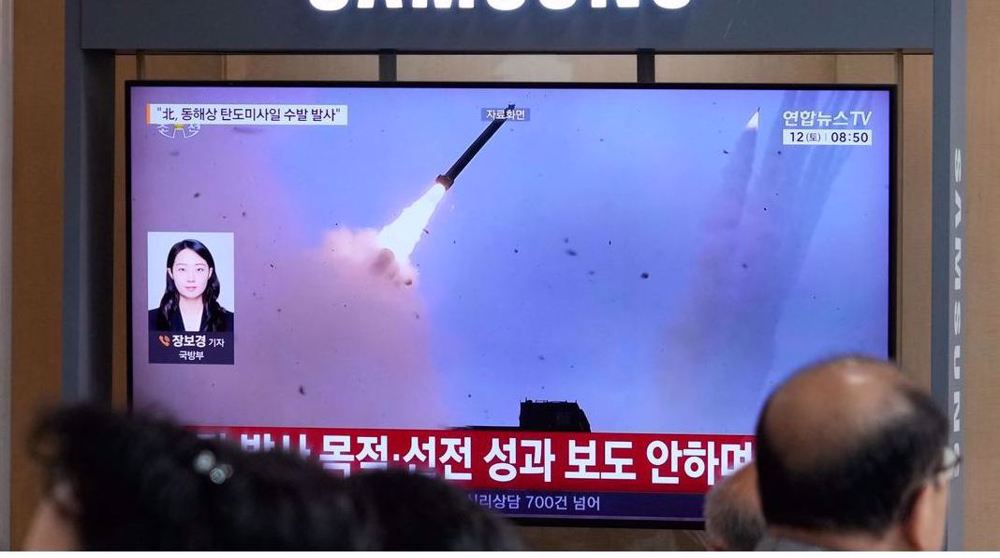
North Korea launches 2 ballistic missiles toward the sea, mounting added pressure on the United States days after Pyongyang threatened to bolster its nuclear deterrent in response to US hostility.
South Korea's military said it sighted two short-range ballistic missiles fired toward the sea east on Sunday.
The first missile flew about 450 kilometers while the second one, which was fired three hours later, flew more than 600 kilometers. Both missiles fell into the East Sea, also known as the Sea of Japan, South Korea's military said.
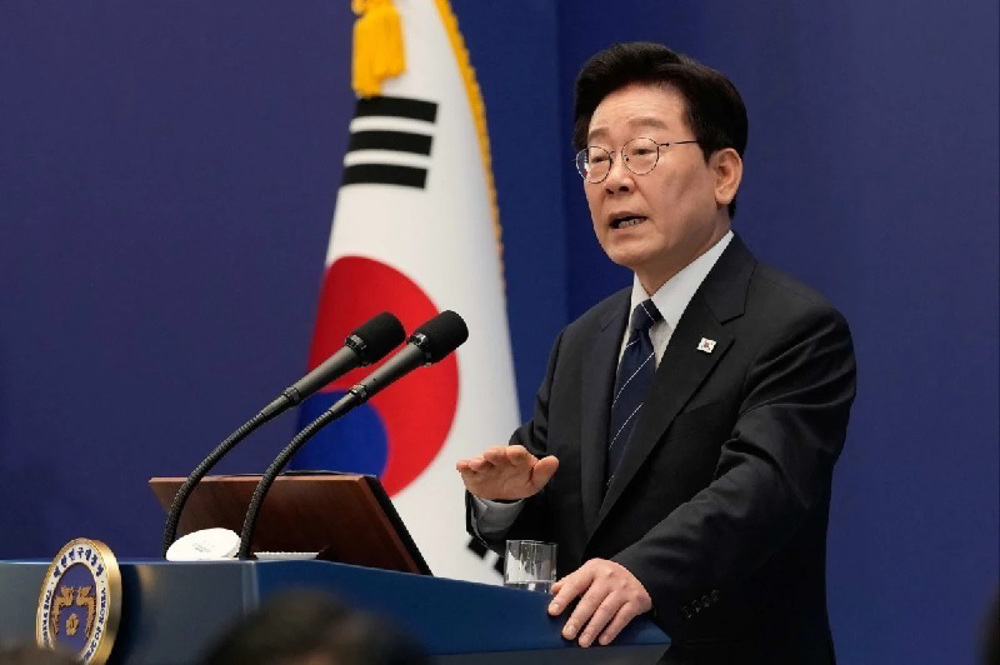
South Korea’s presidential office urged Pyongyang to stop launching ballistic missiles.
The office emphasized that the United Nations Security Council has banned North Korea from test firing its missiles.
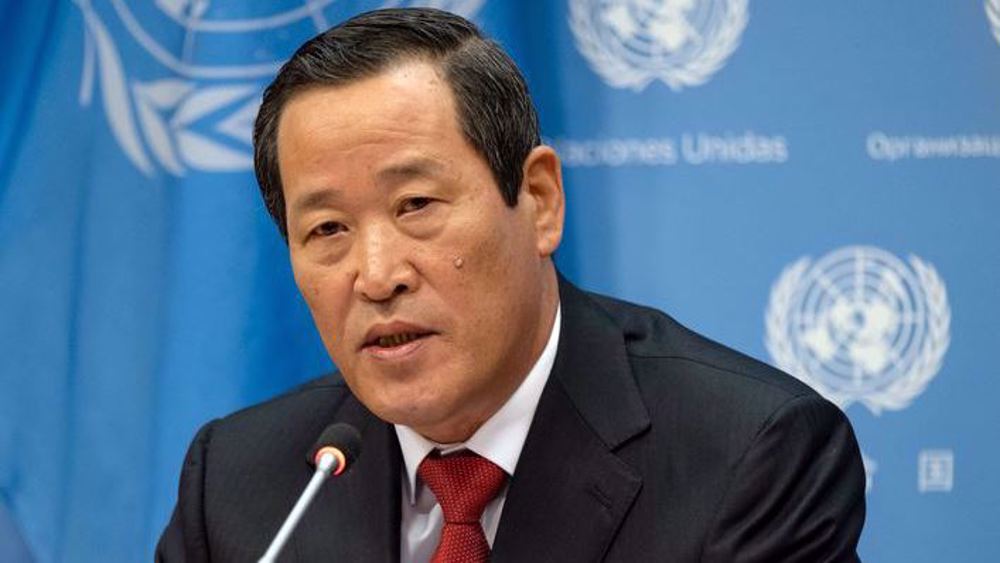
It added that its forces maintained readiness to repel military action by the North under a solid alliance with the United States.
South Korea’s military said its armed forces were ready to respond to what it described as Pyongyang's provocations, reminding that Seoul and Washington are in a military alliance.
Japan's military, which is also aligned with the United States, said its forces detected a suspected North Korean missile launch on Sunday. It added the missile did not land in its territorial waters.
Military observers see North Korea's repeated launches as muscle flexing, demonstrating the nation's military’s readiness to take a stand against the US despite decades of continued bullying, aggression and international sanctions.
Last week, Kim Yo Jong, the powerful sister of North Korean leader Kim Jong Un, dismissed proposed denuclearization talks by the UN nuclear watchdog at the International Atomic Energy Agency’s (IAEA) 70th General Conference in Vienna, saying Pyongyang’s status as a nuclear weapons state is eternal and irreversible.
In a report run by the North’s official Korean Central News Agency (KCNA) on Thursday, Kim's sister ridiculed the denuclearization talks proposed at the IAEA and described the suggested discussions as “familiar silly talk.”
She went on to shrug off rumors of US President Donald Trump making overtures for a return to Washington-Pyongyang peace talks by downscaling Washington-Seoul joint annual military exercises, saying that shortening the drills wouldn’t change the “provocative, aggressive nature” of the American military alliances in the region.
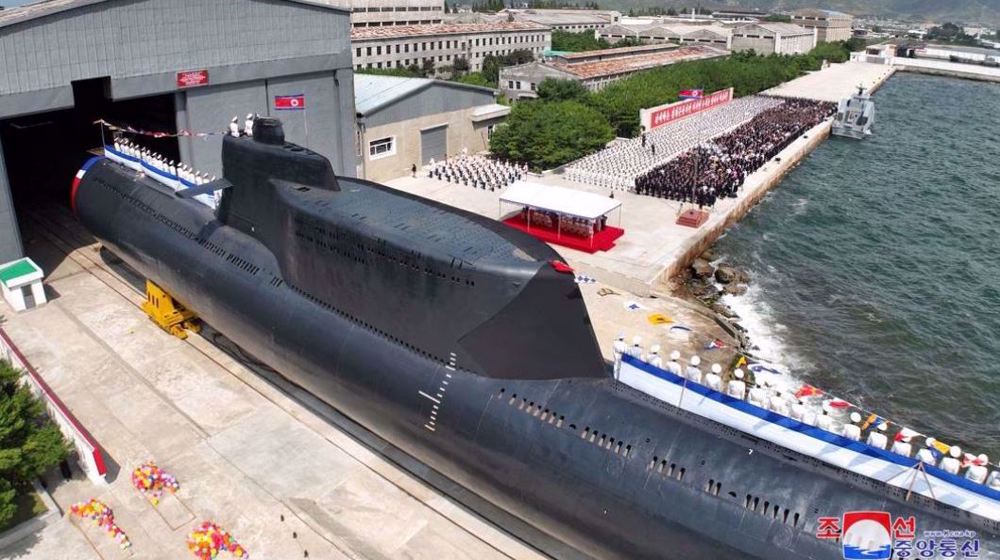
The IAEA has repeatedly urged North Korea to suspend its nuclear activities and comply with relevant UN Security Council resolutions.
Pyongyang has rejected such calls, saying the UN nuclear watchdog has no jurisdiction in North Korea after the country withdrew from the agency in 1994.
North Korea has maintained that its nuclear weapons and missile programs serve as a deterrent against threats of US military invasion and occupation of the peninsula.
South Korea rejects Hormuz deployment plan
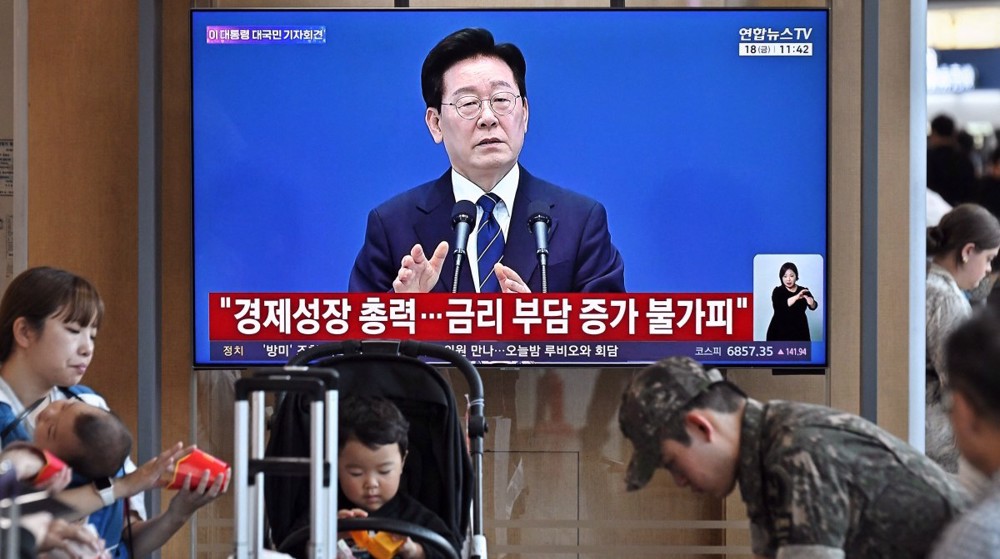
South Korea says will not send troops to join terrorist US war on Iran
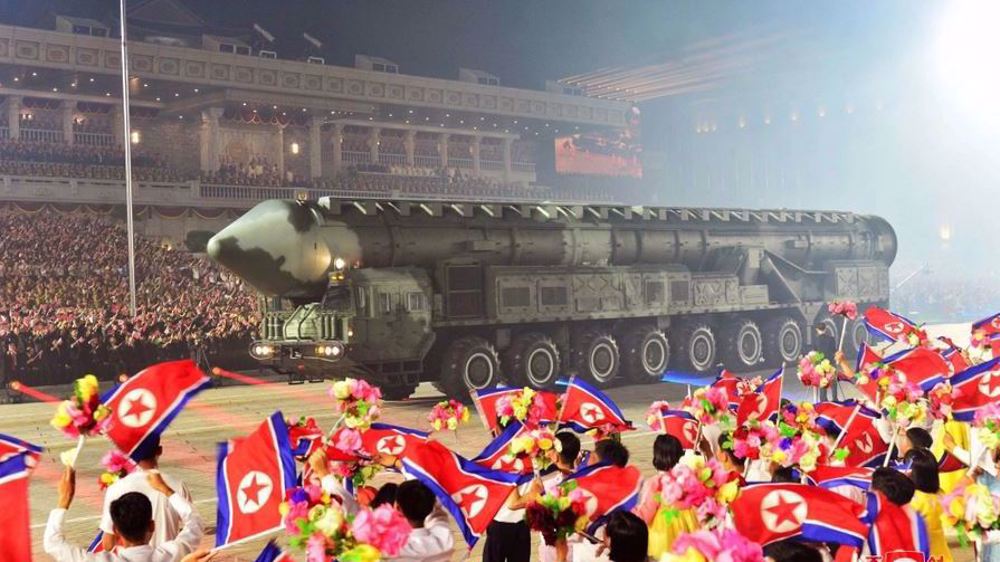
North Korea rejects IAEA denuclearization calls, says nuclear status ‘absolute’



VIDEO | Press TV's news headlines
VIDEO | Riyadh’s alliance exposed
VIDEO | US energy, diesel prices
VIDEO | The Saudis' dangerous predicament
President Pezeshkian says UN visit aims to defend Iran’s rights, engage in dialogue
VIDEO | East Azarbaijan: The land of firsts and opportunities
Iran will resist pressure, force-based policies, President Pezeshkian tells Swiss counterpart
Top commander calls President Pezeshkian’s UN address ‘resounding voice of the proud Iranian nation’


 PressTV NEWSLETTER
now
PressTV NEWSLETTER
now
 This makes it easy to access the Press TV website
