Jordan: the Kingdom of compromise - Part 2
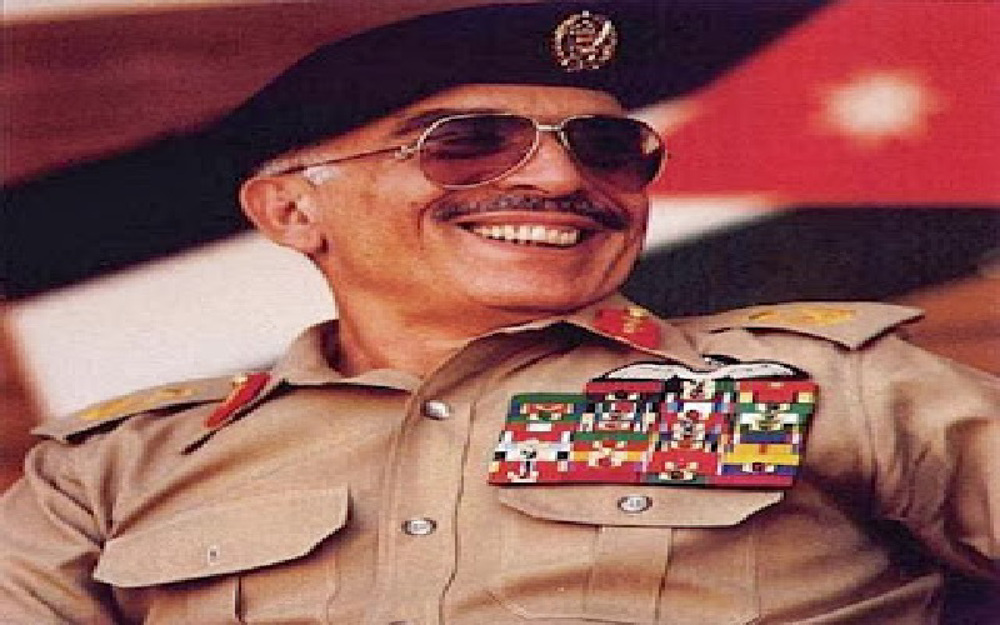
The humiliating defeat of the Arabs in the Six-Day War left them without any leverage against Israel. The UN Security Council issued multiple resolutions, urging both sides to avoid further conflict. But there was a fundamental problem. The core of the dispute was the Palestinians, yet no one was asking them for their opinion in the peace negotiations.
To the Palestinians, peace meant compromise, a form of surrender to Israel. The Palestinians living in Jordan grew even angrier in August of 1970, when they turned on the radio. Radio Jordan was officially announcing King Hussein's ten-point peace plan.
In his proposal, King Hussein offered Israel more concessions than those outlined in the U.N. resolution, including navigation rights in the Gulf of Aqaba and deeper influence over the Suez Canal.
If implemented, the plan could pave the way for Jordan to re-annex the West Bank and to restore the Hashemite family's historic custodianship over the Al-Aqsa Mosque.
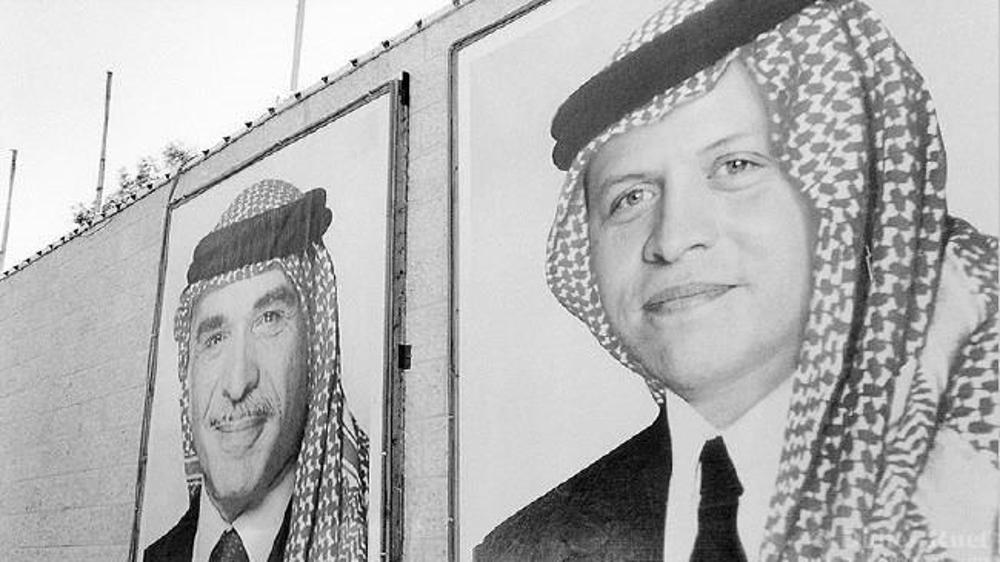
From the Palestinian perspective, this was a political deal, the trade of Palestine, in exchange for the interests of King Hussein and the Hashemites.
They argued that such a proposal was strange and contradictory, coming from a family that claimed descent from the Prophet of Islam.
Their reaction was decisive.
They wanted to draw the world's attention to themselves, to their suffering and the injustice that they endured.
We waited for 20 full years. Nothing happened. Our people remained in their camps, in their tents. They are fed up with this condition.
Palestinian Refugee
On September 1, 1970, breaking news spread across the world. King Hussein's car, en route to the airport, had been sprayed with bullets. Was this the end of what Palestinians called compromise?
We don't like to fight against the government. But if they are insisting to clash, we will fight.
Yasser Arafat, PLO Chairman
For three days, nothing was clear. But on September 4th, everything changed.
The first truth is that the bloody events in Jordan last week were neither accidental nor natural; rather, they were a planned conspiracy and a deliberately engineered sedition that had been brewing in the shadows.
King Hussein of Jordan
The Jordanian army shelled a secret meeting of PLO leaders. Yasser Arafat and his comrades survived, but they now knew King Hussein was alive.
The hijackings, the press conferences, and the release of hostages in the following days were all attempts to capture global attention; events that marked the beginning of a strange and turbulent period in Jordan's history, later known as Black September.
On September 6, when the three hijacked planes landed on Jordanian soil, all the past events flashed through King Hussein's mind. The first and second waves of Palestinian migration, the blood and family ties between Palestinians and Jordanians, the growing power of the PLO right under the nose of the central government, and the repeated attacks on Israel launched from Jordan.
Life between Palestinians and Jordanians had become so intertwined that the PLO effectively controlled several cities. This was a dangerous situation for the king, made worse by pressure from foreign governments.
King Hussein had to choose: the Palestinians or the survival of his monarchy.
On September 16, he summoned his generals to the palace. The goal was to form a military cabinet and declare a state of emergency against Palestinian fighters.
On the other side, under Yasser Arafat's leadership, the Palestinian factions united to fight King Hussein before fighting Israel.
The battle was different for both sides.
King Hussein deployed tanks and artillery into the cities. The Palestinians fought back with trained guerrilla fighters.
What everyone feared had finally happened; a civil war between Arab brothers. Jordanian forces attacked Palestinian camps; Arafat's fighters targeted army bases.
The result was relentless, horrifying civilian casualties. The Jordanian army cut water and electricity to the camps and dug mass graves with bulldozers.
Palestinian fighters raised the PLO flag over the cities that they controlled.
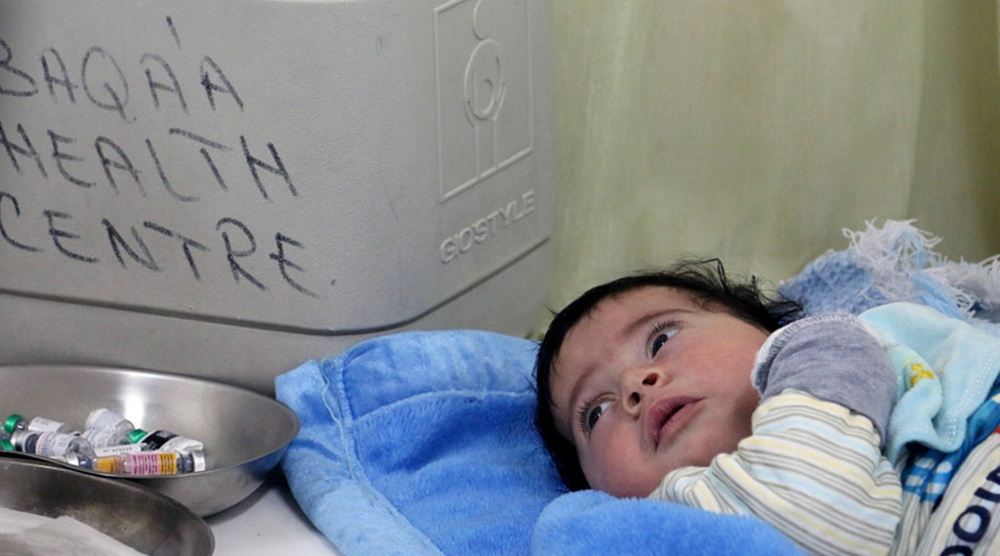
Soon, the Palestinians called for help from the Syrian army, making Hussein appeal to Western countries. As Syrian tanks crossed the border to aid the Palestinians, Western pressure forced Syria to retreat.
The tanks and equipment never reached the Palestinians, giving King Hussein the chance to deliver the final blow, the final blow to an organization that sought to liberate Palestine.
There is no precise count of the dead in Black September.
Some say 1,000 Palestinians, others claim as many as 25,000; whatever the number, the violence eventually led to peace talks.
Egyptian President Gamal Abdel Nasser hosted the negotiations in Cairo.
But the Palestinians insisted this was not peace; it was surrender.
Days later, Arafat was ordered to remove all PLO factions from Jordanian soil. His next destination was Lebanon, but no one knew what King Hussein's next destination would be.
Jordan was now seen as a country that had turned its back on the Palestinian cause, a country that had bought peace at a heavy price. What would King Hussein do with this peace?
During the 1970s and 1980s, Jordan sank into a deep silence, politically, culturally, and economically. The country was politically fragile, culturally closed, and economically strained.
King Hussein's break with the Palestinian cause had damaged Jordan's reputation both domestically and across the Arab world. Trade relations fell to their lowest levels.
Jordanians of Palestinian origin lived with the old wounds of Black September, and the Israeli issue seemed unsolvable.
King Hussein had not been able to regain custodianship of the Al-Aqsa Mosque or reclaim the territories lost in the Six-Day War. Meanwhile, Western countries continuously pressured Jordan to recognize Israel.
Then, in 1992, the king received even worse news. Medical tests showed he had developed lymphatic cancer, just like his country, Jordan, which was also struggling for survival.
A new question emerged. How much time did King Hussein have left to save himself and his country?
Now, I think most people feel that within itself, the PLO-Israeli deal cannot really have much of a future unless there is a much wider network in which you and Israel and Syria and Israel and Lebanon and Israel are involved.
How near are we a Jordan-Israel treaty?
TV Host
A Jordan-Israel treaty, perhaps sometime, but certainly the process leading to resolving all the problems as they relate to Israel and Jordan at the beginning will be very, very soon.
In fact, we have an agenda. We have held off ratifying it or working on it until such time as we saw some progress on the Palestinian track.
Now that that is there, we will begin very soon, and we hope that the same will happen with regard to Syria and Lebanon, and then we will have the comprehensive peace we have always sought.
King Hussein of Jordan

On October 26, 1994, the name Wadi Araba became known worldwide. This desert valley between Jordan and Israeli-occupied territories hosted peace negotiations mediated by the United States. President Bill Clinton applauded the peace achieved by King Hussein of Jordan and Yitzhak Rabin of Israel.
After signing the agreement, Rabin declared: “Today is the end of war. From today, we will be neighbors and friends with Jordan”.
This is peace with dignity. This is peace with commitment. This is our gift to our peoples and the generations to come.
King Hussein of Jordan
But the public statements weren't what mattered. The real significance lay in the behind-the-scenes agreements.
Jordan established diplomatic relations with Israel and, in return, received several benefits.
About $600 million in economic aid from the U.S. Congress, approval for foreign investment from Europe, development of drinking water infrastructure, the expansion of southern ports, and growth in tourism.
Most importantly, Jordan began importing natural gas from Israel, reducing its dependence on expensive oil from Saddam Hussein's Iraq.
The agreement also included another key clause, one that restored the Hashemite family's Arab legitimacy.
Israel agreed to reinstate the Hashemite custodianship over Al-Aqsa Mosque. Although Israel did not return the occupied Jordanian lands, this symbolic victory mattered.
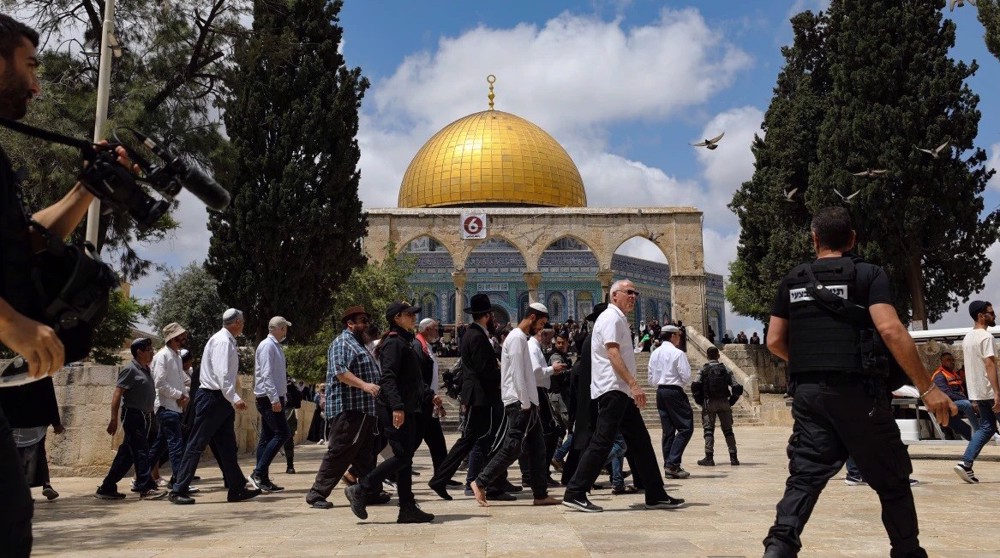
When King Hussein returned to the capital with this achievement, he breathed a sigh of relief and, as always, lit a cigarette.
But the glow of his cigarette was like a fire smoldering beneath the ashes. As King Hussein's health deteriorated, the consequences of the peace agreement with Israel became more visible.
Within a few years, large sums of money flowed into Jordan's economy, but GDP growth remained modest.
Living standards improved, but Jordanians also valued their Arab dignity, and that dignity now felt stained. Public opinion in Jordan viewed the peace treaty unfavorably, and King Hussein felt this social pressure alongside the pain of his cancer.
Over time, it became clear that the bilateral agreement with Israel had effectively turned into a one-sided dependency. By the late 1990s, Jordan relied almost entirely on Israel for both energy and water. Israel sometimes used this dependency as political leverage, directly affecting Jordan's fragile economy. The ailing king, traveling back and forth between Jordan and the United States for treatment, understood this reality.
He smoked more than ever, each cigarette reminding him of the fires of the past. What would become of Jordan after him? Perhaps everything depended on January 1999.
On January 25th of that year, Jordanians received shocking news. The medical team had lost hope for King Hussein's recovery, but this wasn't the only surprise. In an unexpected decree, King Hussein changed the line of succession.
His younger brother, Prince Hassan bin Talal, had waited 30 years to succeed him, but everything changed in a single day. King Hussein announced that from now on, his young son Abdullah, named after his grandfather, would be the crown prince.
37-year-old Abdullah became known as Abdullah II, and he waited only two weeks to become king.
On February 7, the Jordanian monarchy announced that King Hussein, after years of battling cancer, had died at the age of 63.
His funeral was held with great ceremony. Even Yasser Arafat was among the distinguished guests. As the late king's coffin left the palace, one could see deep worry in the eyes of the country that, for its survival, would once again have to play with fire.
1999 marked the end of the 20th century and the beginning of a new era for Jordan, a country caught between blood and fire.
To be continued …

Skyrocketing US inflation
Jordan: The Kingdom of Compromise (Part 1)

Trump impeachment on the horizon post-midterms



Syria’s HTS declines Saudi bid for militants against Yemeni forces: Report
VIDEO | Pentagon criticized for failing to release real number of US troops casualties
Araghchi: Military intervention cannot create security; coercion cannot bring peace
VIDEO | US president using Greenland as foreign policy success
VIDEO | Press TV's news headlines
Jordan: the Kingdom of compromise - Part 2
University of Tehran scientists develop bio-scaffolds for bone repair
Handala hacker group publishes selfie images of 700 Israeli ‘security’ personnel




 PressTV NEWSLETTER
now
PressTV NEWSLETTER
now
 This makes it easy to access the Press TV website
