Continuous cycle of ‘death, destruction’ affecting Palestinians in Gaza every day, says ICRC
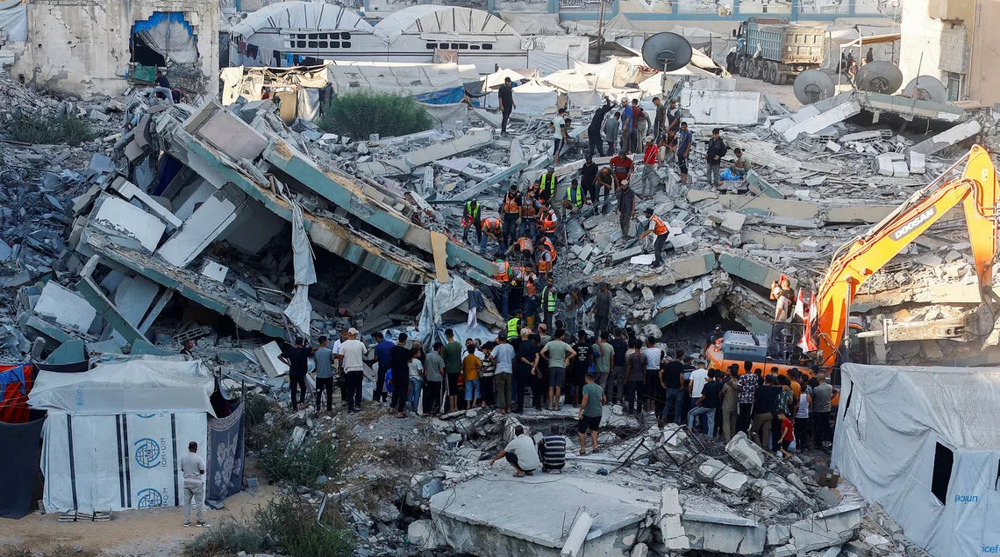
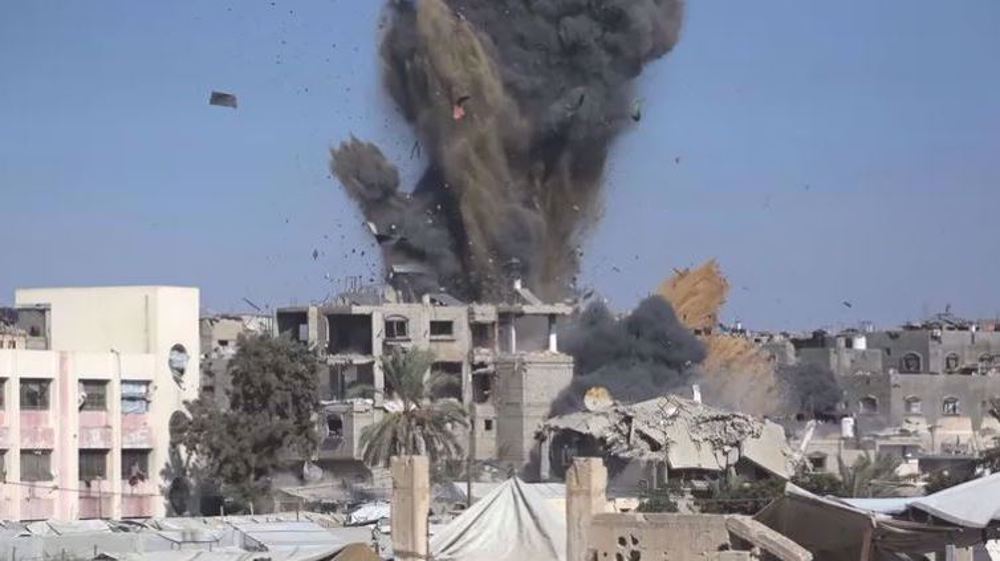
Spokesperson for the International Committee of the Red Cross (ICRC), Pat Griffiths, says the Palestinian population in Gaza continues to experience daily loss of life and widespread destruction, as Israeli strikes on the besieged coastal territory persist despite a so-called ceasefire brokered by the United States.
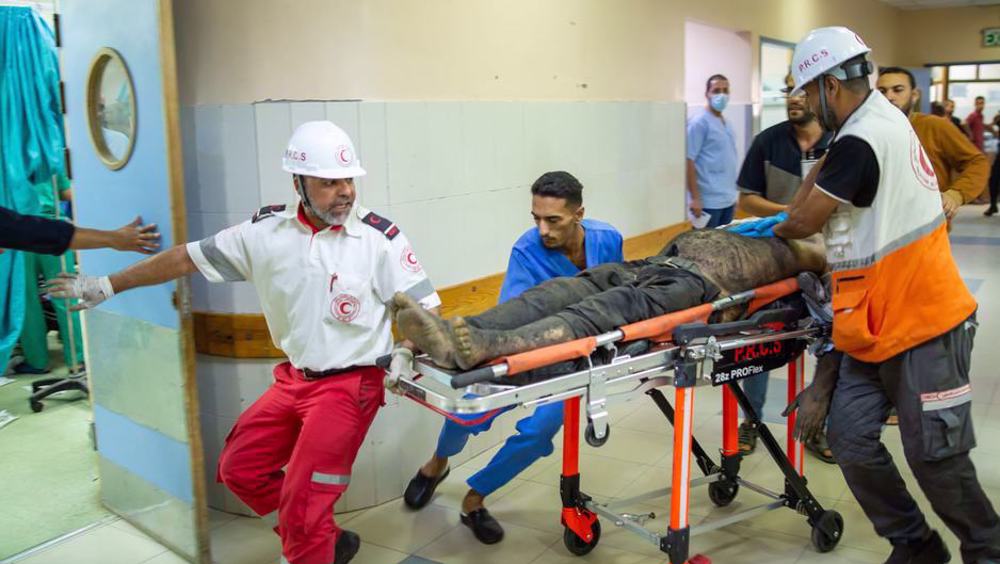
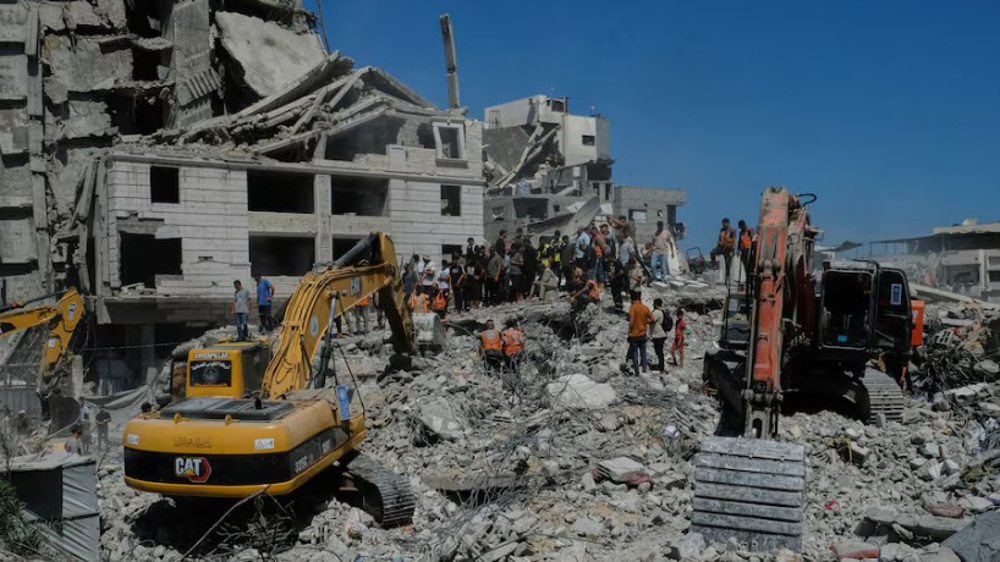
“Let’s be clear: death and destruction for Palestinians in Gaza continues every day. The suffering is real, present and here every day – even when Gaza isn’t in the headlines,” Griffiths said on Friday.
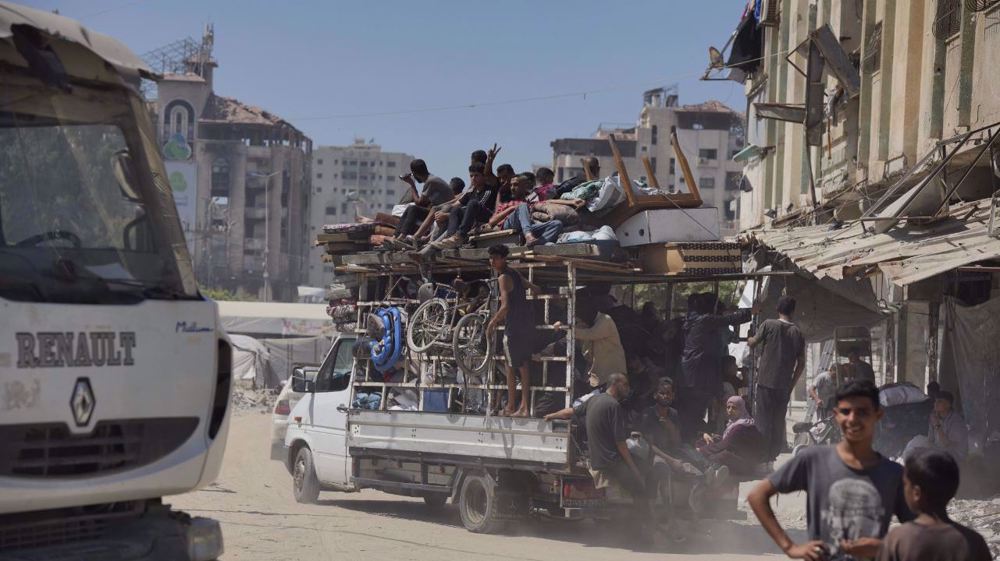
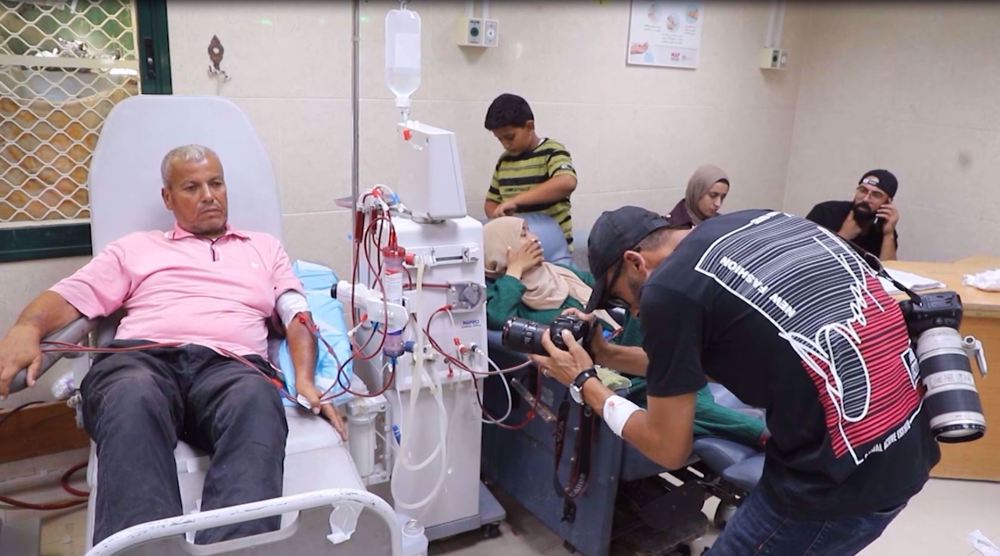
He added, “Life for Palestinians here is disrupted in ways that are hard to imagine. Children go without education. People go without access to specialist or chronic medical care. Families have lost homes, livelihoods – many are still missing loved ones, not knowing if they are detained or deceased.”
Griffiths, who is presently on a weeklong visit to Gaza City, stressed that substantial humanitarian requirements persist throughout the region, especially concerning the provision of foodstuffs, potable water resources, adequate housing, and medical services.
“At the ICRC, we adapt our humanitarian response to changing needs and conflict dynamics. But make no mistake: urgent humanitarian needs remain. In terms of food, water, shelter, health, family connection – so much more needs to be done,” he noted.
Griffiths emphasized that humanitarian access constitutes one of the most significant obstacles encountered by ICRC personnel operating in Gaza.
“To help people in need, we need to be able to reach them – wherever they are, including in places of detention. That’s not always possible,” he commented.
Griffiths noted that access can be constrained as a result of security-related concerns or when those holding the requisite authority to permit access refrain from doing so.
“Granting humanitarian access is something that is an obligation for parties to armed conflict and occupying powers. It’s also something that is outside our control as humanitarians,” he said.
“And it’s why working towards improving our humanitarian access is a continuous conversation with those who have influence over it.”
He additionally drew attention to the inadequate supply of fuel and engine oil essential for sustaining generator operations.
“Everyone in Gaza faces challenges in terms of sustained access to electricity, relying on generators that are themselves reliant on enough fuel and engine oil being able to enter so they can function. And there’s not enough fuel and engine oil entering,” Griffiths said.
According to Griffiths, supply deficiencies are simultaneously contributing to price hike at a time when numerous displaced Palestinians have experienced the loss of both their residences and economic means of support.
He stated that the ICRC maintains its ongoing appeal for the observance of international humanitarian law through its communications with Israeli officials.
Despite a ceasefire nominally in force since October 2025, Israeli forces have killed more than 1,200 Palestinians.
Since the onset of the genocidal war on Gaza on October 7, 2023, Israeli military offensives have killed more than 73,000 Palestinians and injured over 174,000 others. The onslaught has simultaneously led to the destruction of approximately 90% of the territory’s infrastructure.
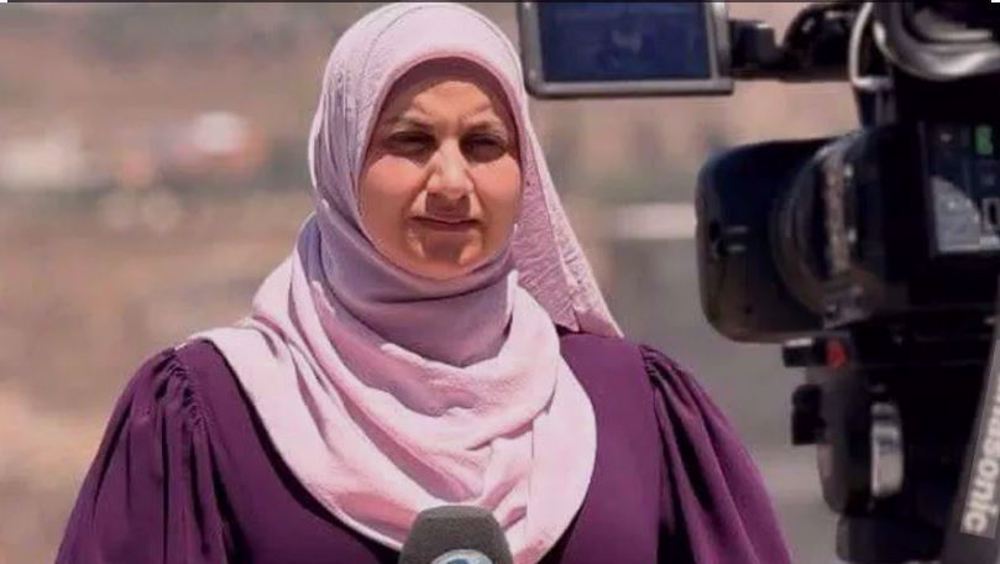
CPJ slams Israel’s abduction of Press TV journalist, demands her immediate release
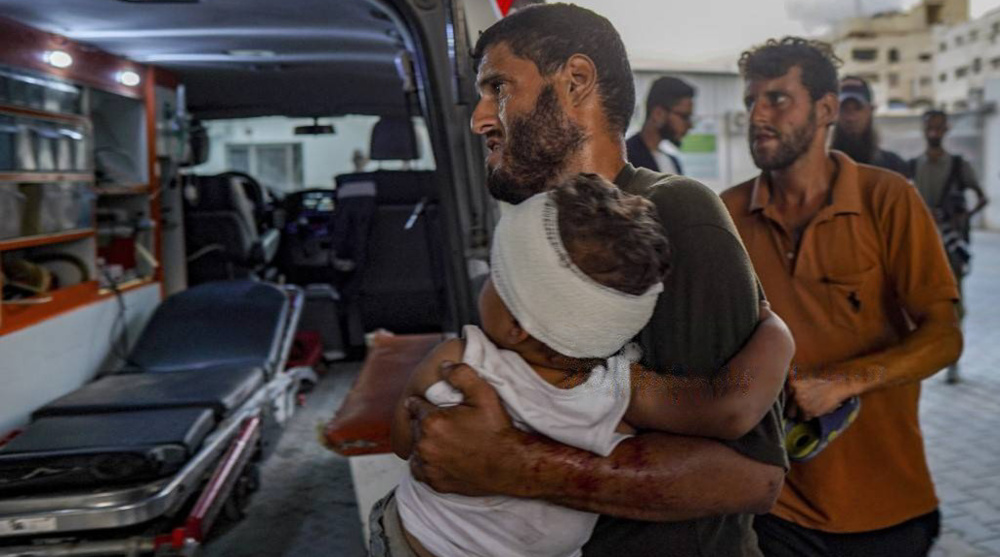
Israeli strike on motorcycle kills Palestinian in Gaza City, injures child
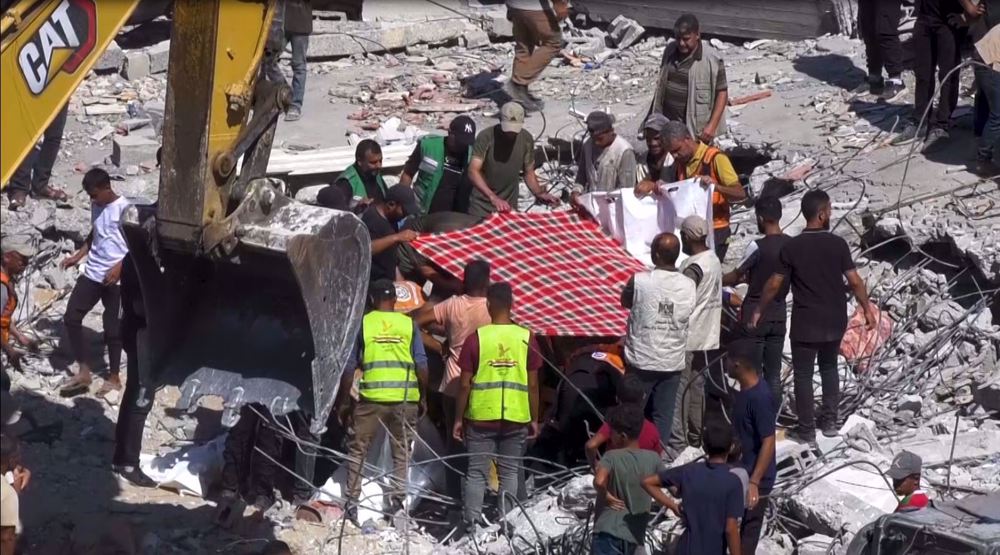
Deadly al-Saada collapse exposes Gaza’s worsening housing crisis



Iran, Pakistan FMs discuss regional developments, energy supplies
VIDEO | Black smoke, flames rise near Riyadh airport amin Yemen strikes
VIDEO | Hundreds of thousands of people in Tehran attend rally, parade dubbed 'Sacrifice for Iran'
Remembering Sabra and Shatila massacre: Why memory is the ultimate shield against erasure
Syria’s HTS declines Saudi bid for militants against Yemeni forces: Report
VIDEO | Pentagon criticized for failing to release real number of US troops casualties
Araghchi: Military intervention cannot create security; coercion cannot bring peace
VIDEO | US president using Greenland as foreign policy success






 PressTV NEWSLETTER
now
PressTV NEWSLETTER
now
 This makes it easy to access the Press TV website
