German chancellor says era of unconditional US friendship is ‘probably over’
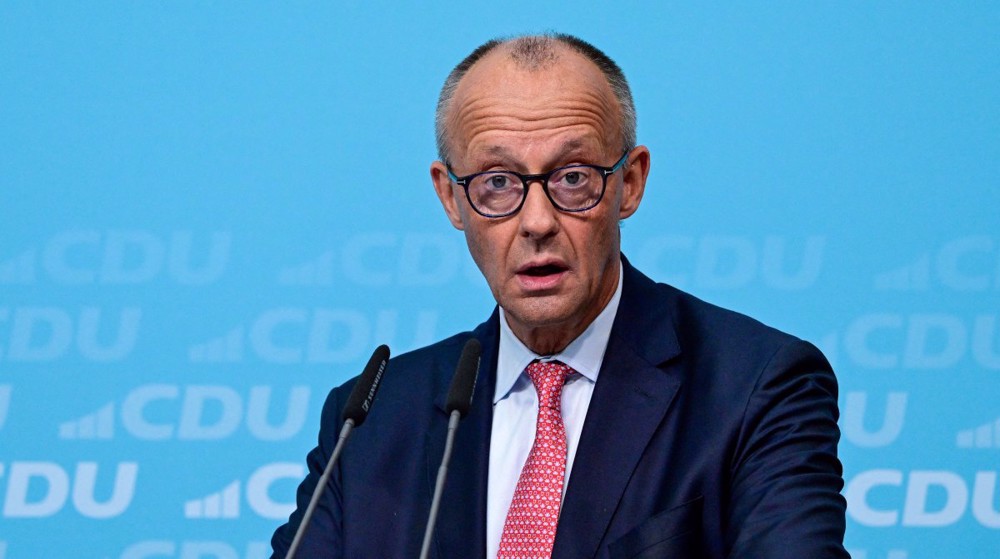
German Chancellor Friedrich Merz has said the era of unconditional friendship between Germany and the United States is probably coming to an end, pointing to a profound shift in transatlantic relations under US President Donald Trump.
“This era of unconditional transatlantic friendship is probably over for the foreseeable future,” Merz told fellow members of his Christian Democratic Union (CDU) at the party’s headquarters in Berlin on Thursday.
Merz said the change reflected a broader shift in Washington’s political outlook and its approach to the transatlantic alliance.
“On the other side of the Atlantic, we are seeing a change in political attitudes, a change in the assessment of the transatlantic alliance, which we might not have thought possible,” he said.
Speaking ahead of Sunday’s Berlin state election, Merz contrasted the current state of US-German relations with earlier decades, recalling visits to Berlin by American presidents John F. Kennedy and Ronald Reagan and their famous speeches in the German capital.
“It was long overdue that we now take more responsibility for ourselves,” Merz told CDU members.
Merz’s remarks came hours after he spoke by telephone with Trump.
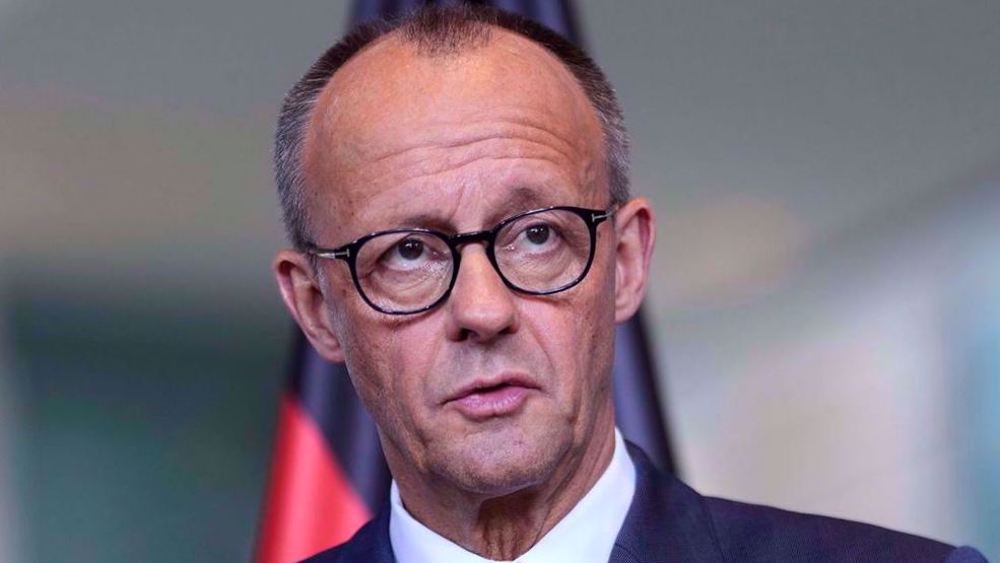
His statement underscored the tensions that have increasingly marked relations between Berlin and Washington since Trump returned to the White House in January 2025.
Trump has repeatedly threatened US trading partners, including European allies, with steep tariffs while continuing to criticize European immigration policies.
He has also revived his proposal to acquire Greenland, a self-governing territory of Denmark, despite opposition from Copenhagen and other European governments.
Trump has additionally praised the electoral gains of Germany’s far-right Alternative for Germany (AfD), prompting Merz to warn the US president against interfering in German domestic politics.
The Trump administration has also provided around $5 million in financial assistance for projects in Europe that it says are aimed at strengthening democratic resilience, the rule of law, freedom of speech and the press, and human rights.
Merz’s remarks echo those made by then-chancellor Angela Merkel in May 2017, during Trump’s first term.
Speaking at a campaign rally, Merkel said that the post-World War II international order could no longer be relied upon in the same way and that Europeans needed to take greater responsibility for their own affairs.

71% of US voters say Trump lacks strategy to end war on Iran: Fox News poll
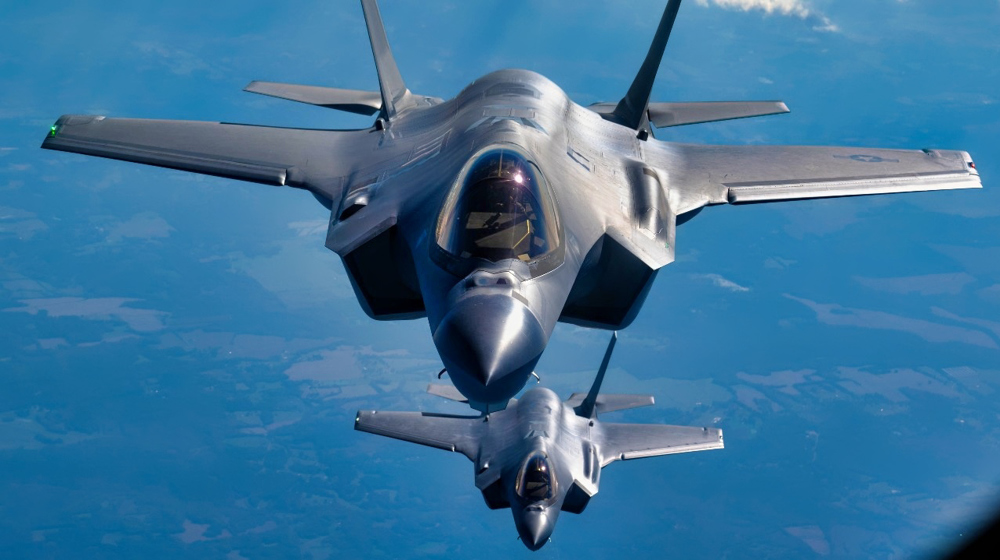
Israel seeks US 'compensation' over Saudi F-35 deal: Report
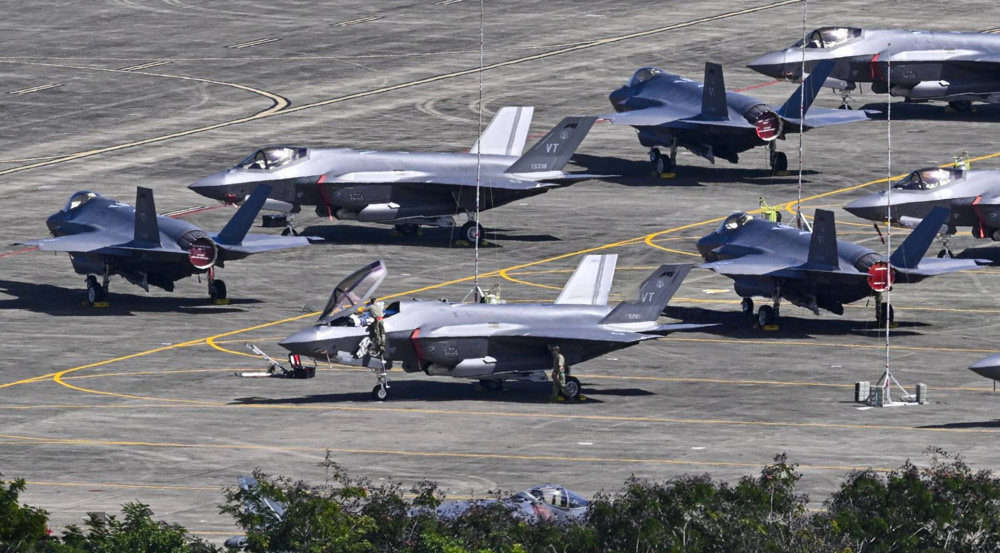
US clears way for F-35 sale to Saudi Arabia amid aggression against Yemen



Man convicted of spying for Israel, providing information on missile sites executed in Iran
ICRC: Palestinians in Gaza experience ‘death, destruction’ on daily basis
Trump announces ‘security’ agreement on Greenland after threatening to annex it
CPJ slams Israel’s abduction of Press TV journalist, demands her immediate release
‘Stop your crocodile tears’: Araghchi hits back at French FM over human rights allegations
Trump bars CNN, MS NOW and Politico from White House as they question his pro-war policies
Discover Iran: Tabriz, where Iran’s Silk Road legacy meets industry, trade and a new economic future
Sirens blare in Riyadh, across Saudi Arabia amid amid Yemeni retaliatory strikes




 PressTV NEWSLETTER now
  This makes it easy to access the Press TV website