Iran calls for ‘zero-tolerance’ policy on attacks against nuclear facilities at IAEA
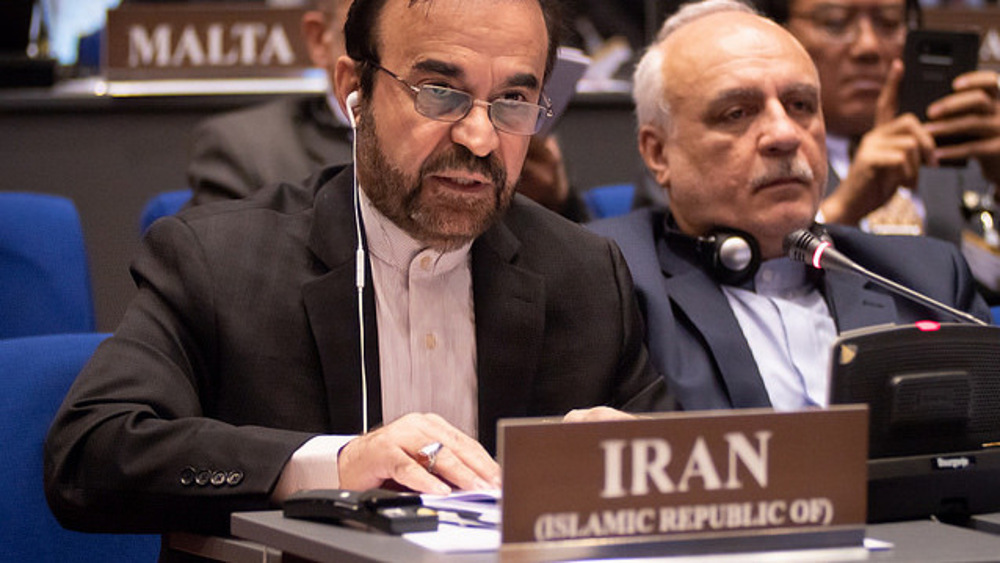
Iran has called for a “zero-tolerance policy” on attacks against peaceful nuclear facilities, warning they could undermine nuclear safety, IAEA safeguards and global non-proliferation efforts.
Speaking at the 70th IAEA General Conference in Vienna on Thursday, Iran’s ambassador Reza Najafi called for a decisive and consistent international response to attacks on nuclear facilities.
“The international community must adopt a zero-tolerance policy toward any attack or threat against peaceful nuclear facilities,” Najafi said. “No political or military justification should be accepted for attacking nuclear installations. No attack on nuclear facilities must be tolerated.”

Najafi said the issue had become increasingly urgent following what he described as “unprecedented attacks” on peaceful nuclear facilities over the past 15 months.
He warned that allowing such attacks to become routine could have consequences far beyond the conflicts in which they occur. “What is unacceptable today must not become routine tomorrow,” he said.
According to Najafi, attacks on nuclear facilities can endanger human life, public health and the environment, while disrupting electricity supplies, damaging critical infrastructure and affecting the production of medical isotopes.
He also warned that attacks against safeguarded facilities could reduce public confidence in nuclear energy and weaken the credibility of international safeguards.
Iran called for disputes over nuclear activities to be addressed through diplomacy, peaceful means and established legal mechanisms rather than military action.
Najafi urged the UN Security Council and the IAEA to respond promptly and consistently to attacks against nuclear facilities.
He criticized the institutions’ “dead silence” over attacks against Iran’s nuclear facilities. “Silence in the face of such attacks is not neutrality,” Najafi said. “It risks emboldening future aggressions.”
He cited Article 56 of Additional Protocol I to the Geneva Conventions, which provides special protection for nuclear power stations under specified circumstances, and said protecting peaceful nuclear facilities was a collective international responsibility.
Iran also joined 14 other countries in a joint statement reaffirming the “inalienable right” of states to develop and use nuclear energy for peaceful purposes without discrimination.
The statement stressed that nuclear facilities must not be subjected to attacks or threats of attack and warned that attacks on safeguarded facilities could result in radioactive releases affecting civilian populations and the environment.
The group also recalled UN Security Council Resolution 487 of 1981 and several IAEA General Conference resolutions opposing attacks on peaceful nuclear facilities.
Iran rejects US IAEA Board designation
Iran separately rejected the United States’ designation to the IAEA Board of Governors, saying that Washington’s alleged violations of international law and the IAEA Statute make its membership incompatible with the board’s principles.

A statement delivered by a delegate of the Permanent Mission of Islamic Republic of Iran said Board membership should not be determined solely by a country’s nuclear capabilities. He argued that the IAEA Statute requires members to act in accordance with UN principles, promote peace and fulfill their obligations in good faith.
Iran touched on the United States carrying out attacks against Iran in 2025 and 2026 and participating with Israel in 18 waves of attacks against Iran’s safeguarded nuclear facilities.
“Placing the US on that Board would create a profound contradiction,” it said, describing the situation as allowing “the aggressor to sit in judgment” over matters linked to its own conduct.
The delegate also warned of a “structural conflict of interest” that could undermine the board’s neutrality and public confidence in the IAEA.
Iran, the representative said, “rejects the designation of the US to the Board of Governors” and would dissociate itself from the decision.
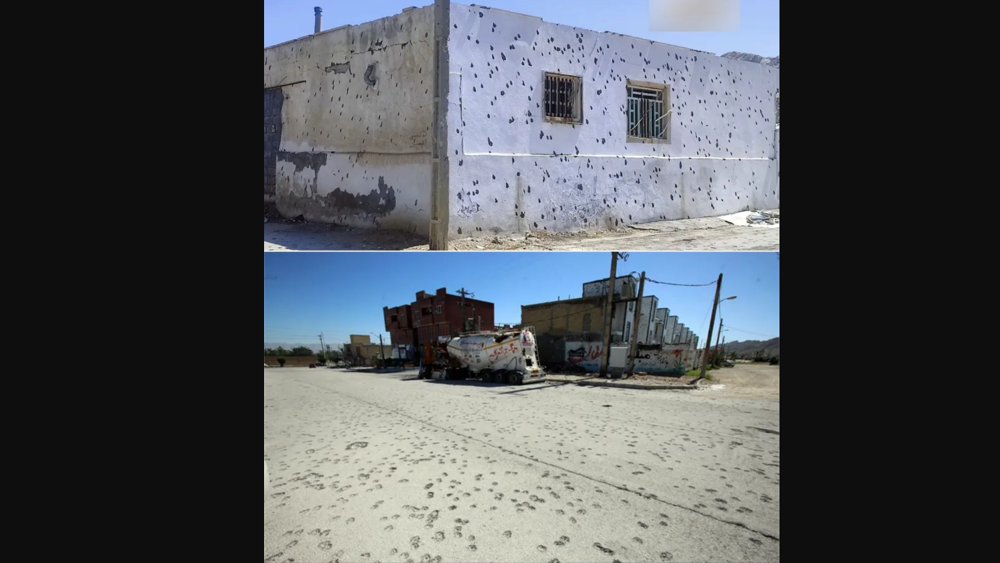
Iran: US cannot evade responsibility for war crimes by leaving UN rights council
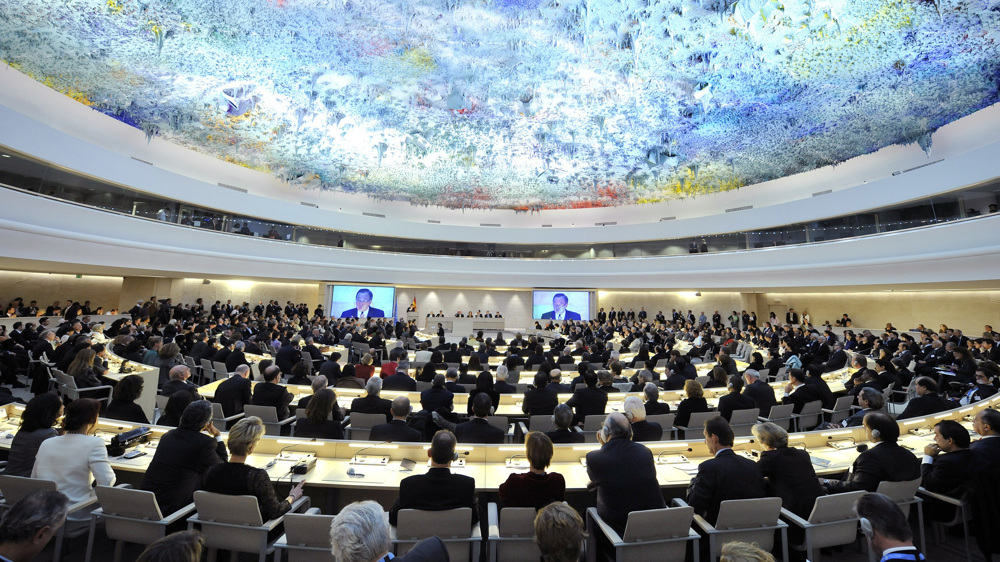
US leaves UN Human Rights Council after probe finds possible American war crimes in Iran
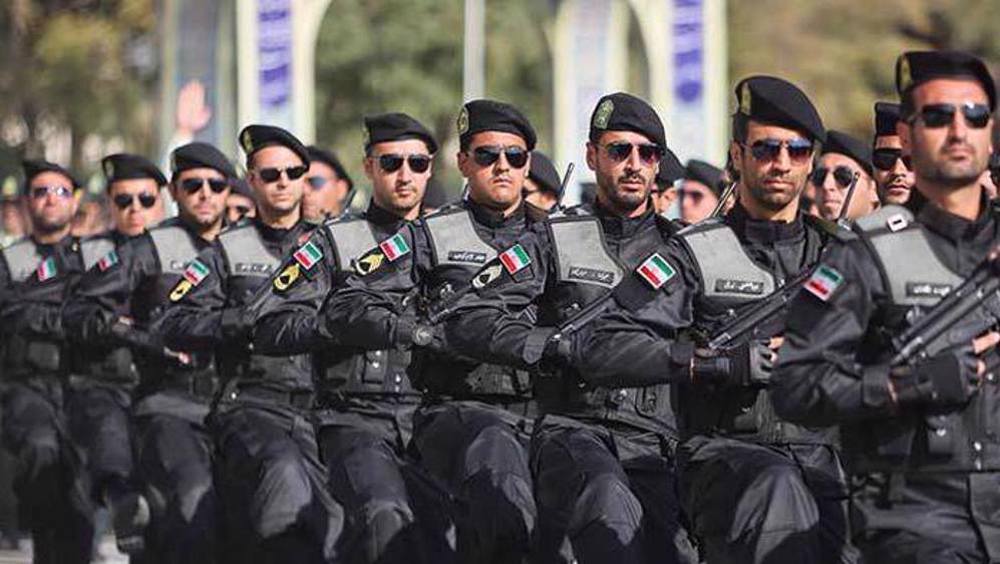
IRGC intelligence forces eliminate two terrorists in southeast Iran



Yemenis hold rally in Sa'ada in support of armed forces after lightning advances
Dozens killed in mosque blast, militant clashes in Pakistan’s Khyber Pakhtunkhwa
Iran: US cannot evade responsibility for war crimes by leaving UN rights council
Saudi crown prince seeks dialogue with Ansarullah after Yemeni blows: Report
IRGC intelligence forces eliminate two terrorists in southeast Iran
South Korea says will not send troops to join terrorist US war on Iran
Yemen's control of Bab al-Mandab 'deepens crisis' in Israel
Iran calls for ‘zero-tolerance’ policy on attacks against nuclear facilities at IAEA


 PressTV NEWSLETTER now
  This makes it easy to access the Press TV website