Russia, China veto US backed anti-Iran resolution at UN Security Council
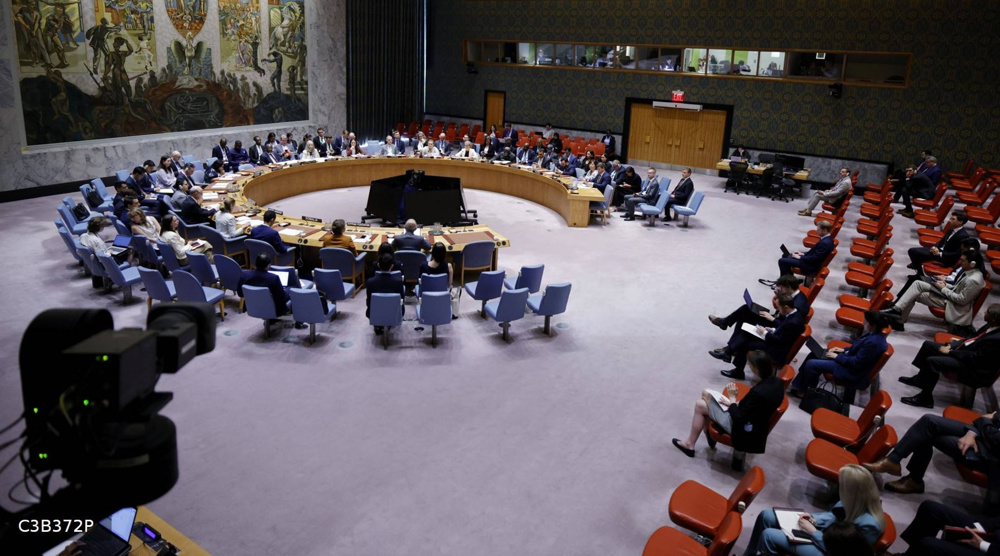
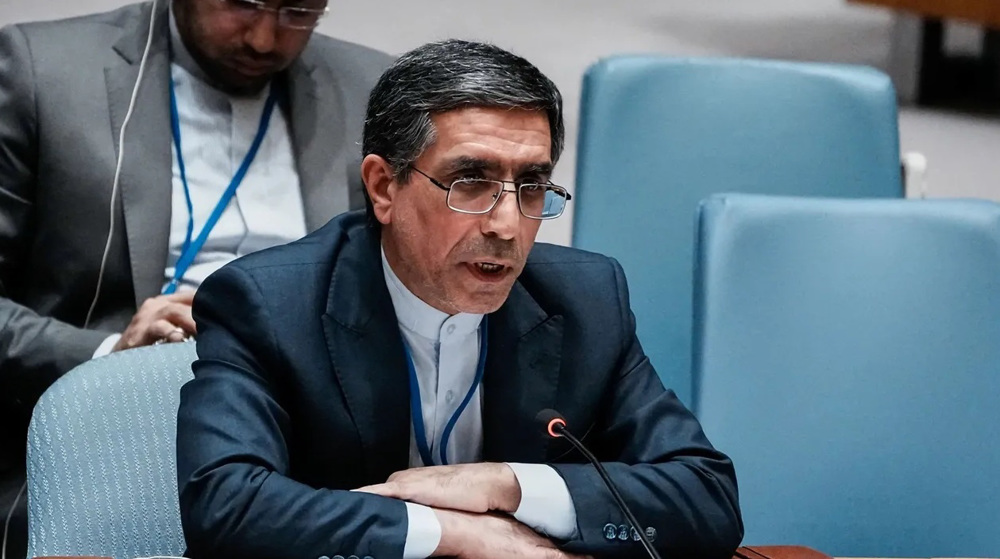
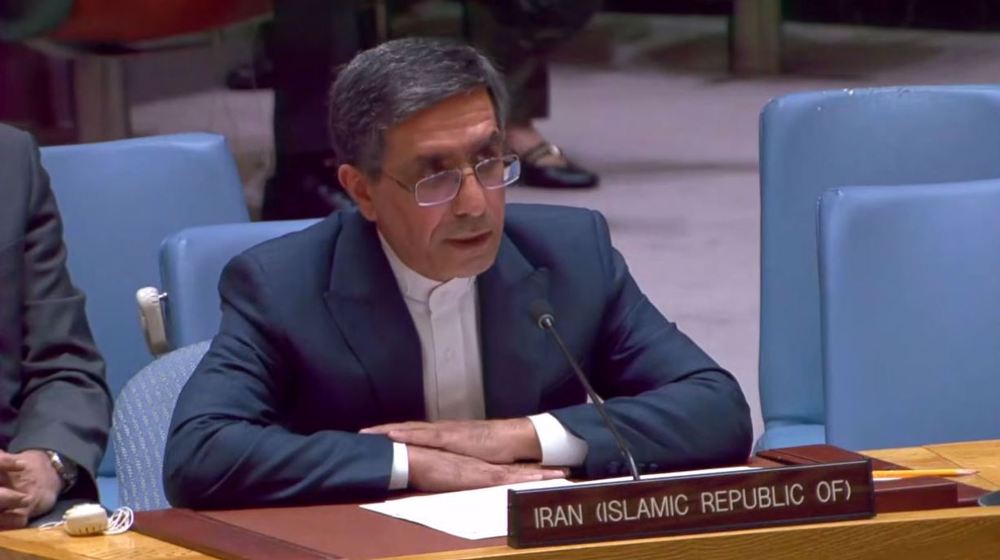
Russia and China have vetoed a US-drafted resolution during a UN Security Council (UNSC) meeting, preventing an attempt to extend the mandate of the council’s Panel of Experts on Iran.
The meeting was held on Thursday under the agenda item of “non-proliferation” concerning the activities of the 1737 Sanctions Committee, after France used its September presidency of the UNSC to convene the session.
"The Security Council concluded its consideration of the Iranian nuclear issue, and the item non-proliferation was removed from the list of matters of which the council is seized," the Russian delegation told the chamber, asserting that Resolution 2231 expired Oct. 18, 2025, leaving no procedural or legal foundation for the meeting.
The US-sponsored draft resolution sought to extend the mandate of the Panel of Experts supporting the revived 1737 Iran Sanctions Committee under Resolution 1929, ahead of its scheduled expiration on September 26.
The draft received 11 votes in favor, Somalia and Pakistan abstained, but failed to pass after Russia and China, two permanent members of the Security Council, voted against it.
The meeting’s agenda was first approved in a procedural vote, which is not subject to a veto, before members proceeded to the substantive vote.
The session, held under the French presidency, opened with an immediate procedural dispute after Moscow objected to discussions under the “Non-proliferation” agenda item, calling it an attempt “to grossly abuse procedure and conduct a meeting on the selfsame non-existent agenda item.”
Beijing aligned with Moscow's position, urging member nations to avoid "political confrontation and pressurization," arguing that respecting statutory expirations remains essential to preserve multilateral credibility and foster dialogue.
The 1737 Sanctions Committee was established under UNSC Resolution 1737 of 2006 and was tasked with submitting reports to the council every 90 days.
Before the 2015 adoption of the Joint Comprehensive Plan of Action (JCPOA), endorsed by UNSC Resolution 2231, briefings on Iran’s nuclear issue were held every three months under the “non-proliferation” agenda.
Resolution 2231 suspended all previous Iran-related sanctions resolutions, including Resolution 1737, effectively rendering the 1737 Committee and its reporting requirements inactive.
Last Thursday, the UNSC held a procedural vote on the Iran sanctions agenda, with 11 members voting in favor, Russia and China voting against, and Pakistan and Somalia abstaining.
The vote produced no result and no resolution was adopted, leaving the 1737 Sanctions Committee inactive due to Moscow and Beijing’s principled opposition.
In August 2025, France, Germany and Britain, the European parties to the JCPOA known as the E3, claimed to have activated the snapback mechanism to restore UN sanctions against Iran, despite their violations of the agreement.
However, Resolution 2231 formally expired on October 18, 2025, after which Tehran maintains that the UN no longer has legal effect or an executive mandate.
Accordingly, Iran maintains that the UNSC’s role under Resolution 2231 has definitively ended and that all nuclear-related provisions, measures and restrictions have permanently expired.
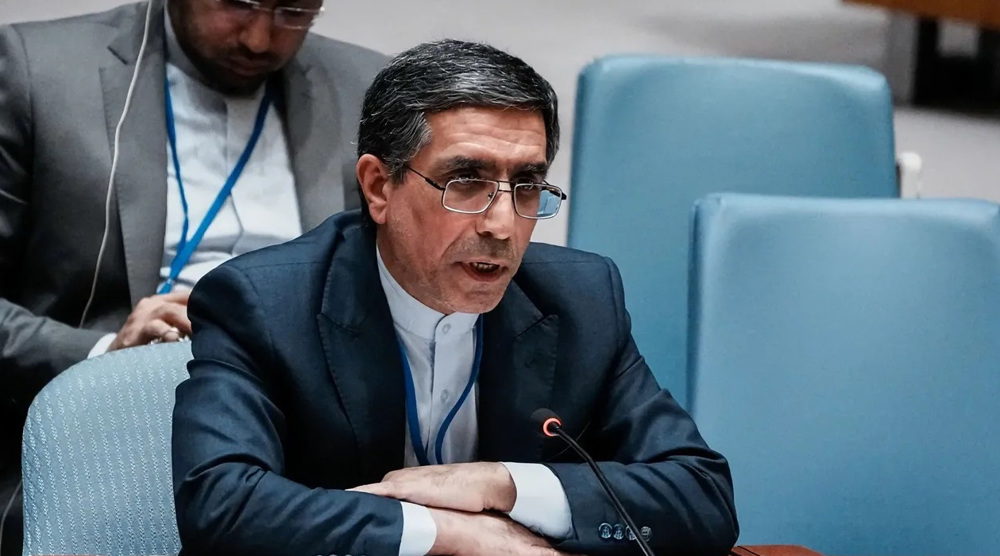
The vote came amid a US-Israeli-led campaign to revive illegal sanctions pressure on Iran after the Board of Governors of the International Atomic Energy Agency (IAEA) referred Tehran to the UNSC last Thursday over falsified safeguards violations.
Iran rejected the move as politically motivated, stressing that its nuclear activities are exclusively peaceful and that the US and its European allies are using the Agency to advance political and military pressure after Washington’s withdrawal from the 2015 nuclear agreement and its subsequent aggression against Iran.
Tehran also maintained that the Agency’s inability to verify certain activities resulted from the security situation and the US-Israeli attacks on Iran’s peaceful nuclear facilities.
Russia and China rejected the IAEA referral, questioning its legal basis and warning that the nuclear issue should be resolved through diplomacy rather than pressure, sanctions or the UNSC.
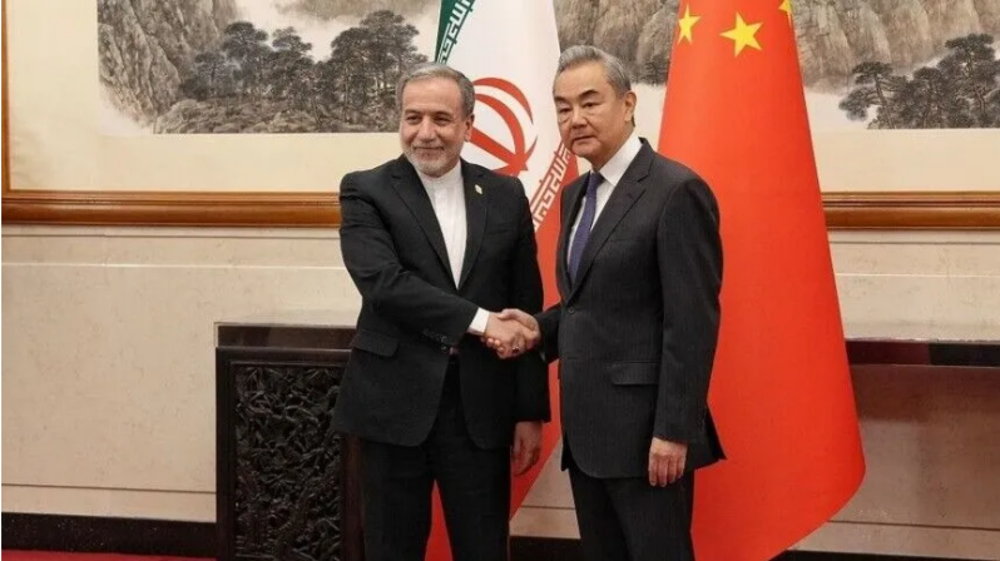
Araghchi welcomes Xi’s initiatives, hails China-Iran strategic partnership
Iran rejects Sweden’s allegations, orders Swedish diplomat to leave within 48 hours

Iran summons German ambassador over Berlin’s hostile positions, interventionist activities



IRGC Navy strikes Togo-flagged tanker after illegal attempt to transit Strait of Hormuz
US lawmaker slams Trump’s $5 billion weapons sale to Saudi Arabia
Russia, China veto US backed anti-Iran resolution at UN Security Council
Araghchi welcomes Xi’s initiatives, hails China-Iran strategic partnership
VIDEO | Gaza transport crisis deepens as 70% of vehicles remain out of service
VIDEO | Press TV's news headlines
Iran summons German ambassador over Berlin’s hostile positions, interventionist activities
Israeli occupation court extends detention of Press TV journalist Naqaa Hamed


 PressTV NEWSLETTER
now
PressTV NEWSLETTER
now
 This makes it easy to access the Press TV website
