Iran Army: US vessels ‘do not dare’ approach Iranian shores
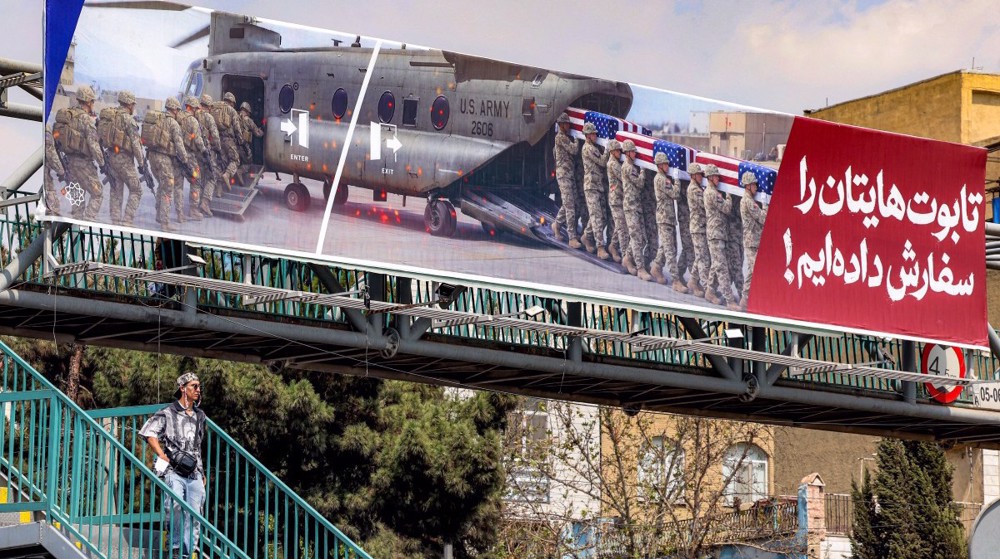
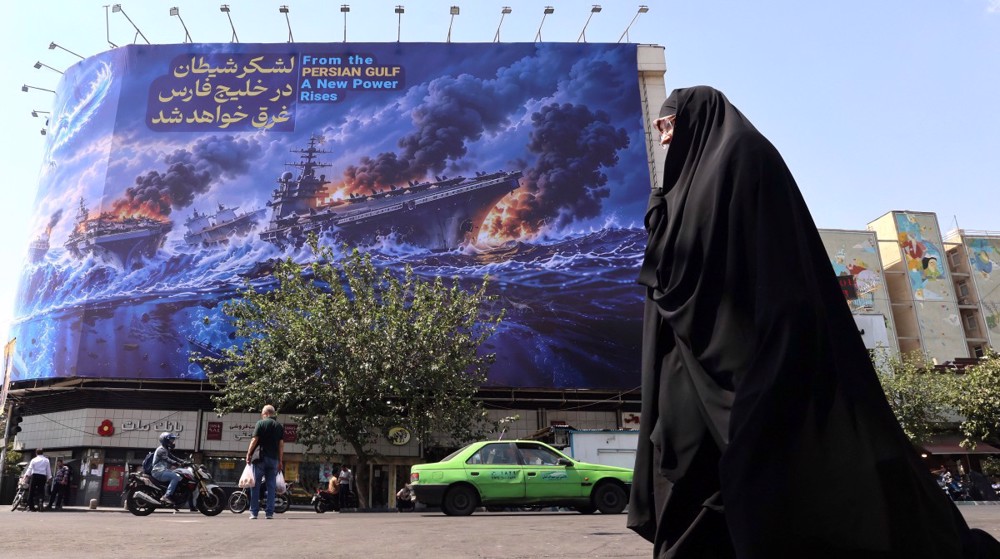
Iran’s Army says US vessels are staying far from its shores because of the strength of the country’s naval forces, strongly dismissing Washington’s claims that Iran’s military has been weakened or destroyed.
Brigadier General Mohammad Akraminia, the Army spokesman, said Iran’s naval forces remain deployed across the Sea of Oman, Arabian Sea and northern Indian Ocean, where they are maintaining control.
“The US vessels have not been and are not being allowed to approach our shores,” Akraminia said, adding that the fact that American vessels are currently operating at a very long distance from Iran’s coastline demonstrates the country’s military strength.
“If, as [US President Donald] Trump claims, the Navy had been destroyed, the enemy would have approached the shores, but it does not dare to do so,” he said.
His remarks came in response to Trump’s repeated claims about the destruction of Iran’s military forces. Akraminia called the claim false and said, “We are present in the region and control the region.”
The comments come as an IRGC spokesman said on September 9 that US warships had moved at least 400 kilometers from the Strait of Hormuz and that no US warships were then inside the Persian Gulf.
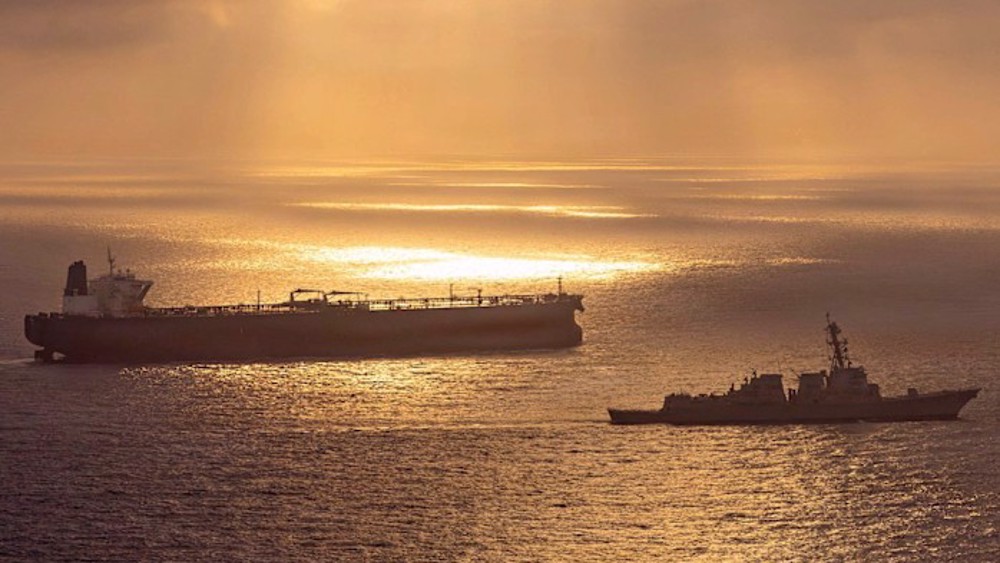
The Army spokesman’s comments follow other Iranian assertions about US naval capabilities in the region. An Iranian parliamentary deputy speaker recently said targeting US warships and facilities housing American commanders represented only “a fraction” of Iran’s capabilities.
Akraminia also issued a warning to Washington and Trump.
“If they again make a miscalculation and launch new aggression, they will be targeted more decisively, extensively and forcefully than before and will be forced to sustain a heavy defeat,” he said.
Akraminia also rejected US accounts concerning an alleged operation in early April to rescue an American pilot inside Iran, as well as the pilot’s interview about the episode.
“As Western and American media have also announced, these pilots were asked to appear in front of the camera and make these statements,” he said.
He said their accounts were clearly stripped of reality, noting that the United States seeks to create a myth of its own invincibility, as portrayed in Hollywood films, and project that image to the world. He said the interviews and claims were part of the same effort.
The pilot’s comments, aired earlier this week as part of a report on CBS News’ 60 Minutes, have been met with mockery from netizens and military experts alike. In part of the interview, the pilot says he hit the ground at a speed of about 160 km/h but was not badly injured and was able to climb to nearby heights.
Meanwhile, an assessment of the Pentagon inspector general has also highlighted the impact of the war on the US military presence in West Asia, affirming that Iranian strikes damaged or destroyed hundreds of buildings and structures at US bases and depleted stocks of key munitions.
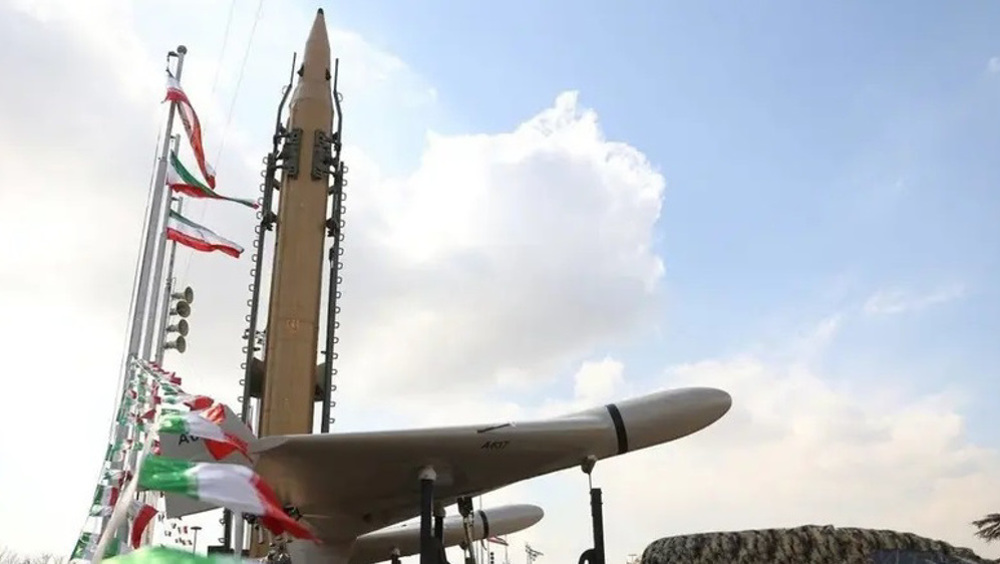
The attacks disrupted Washington’s regional military posture, forcing the relocation of personnel, assets and storage facilities and affecting naval and medical logistics. The assessment also put damage to US diplomatic facilities across the region at about $184 million and warned that some changes to the US military and diplomatic presence could become permanent.
The US and the Israeli regime launched an unprovoked war of aggression against Iran on February 28, assassinating a number of top Iranian officials while also killing more than 160 schoolchildren and staff in Minab, south of the country.
In response, Iranian armed forces pounded the US and Israeli military assets across the region which compelled them to enter a ceasefire after 40 days. A Pakistan-mediated Memorandum of Understanding was signed between Iran and the US presidents in June, aimed at permanently ending the war. However, a few rounds of war have erupted since July after the US failed to honor its obligation under the understanding.
Iran will respond ‘decisively’ to any enemy miscalculation: IRGC
Top security, military brass hail 200 nights of rallies as proof of Iran’s strength
IRGC chief slams assassination of Sunni cleric in southeastern Iran, vows retaliation



Israeli occupation court extends detention of Press TV journalist Naqaa Hamed
Iran rejects Sweden’s allegations, orders Swedish diplomat to leave within 48 hours
UN fact-finding mission finds ‘reasonable grounds’ US committed war crimes in Iran
Al-Houthi: Saudi claims of Yemen targeting Mecca 'heinous lie', manifest slander
Iran dismisses Saudi claim that Yemen attempted to target Mecca
‘Organized, illegal, aggressive’: Press TV slams abduction of West Bank journalist by Israeli forces
Iran downs 53rd US MQ-9 drone since start of US-Israeli aggression
VIDEO | Israel uses quadcopter drones to kill Palestinians


 PressTV NEWSLETTER
now
PressTV NEWSLETTER
now
 This makes it easy to access the Press TV website
