Pyongyang rejects IAEA’s ‘familiar silly talks’ on denuclearization of North Korea
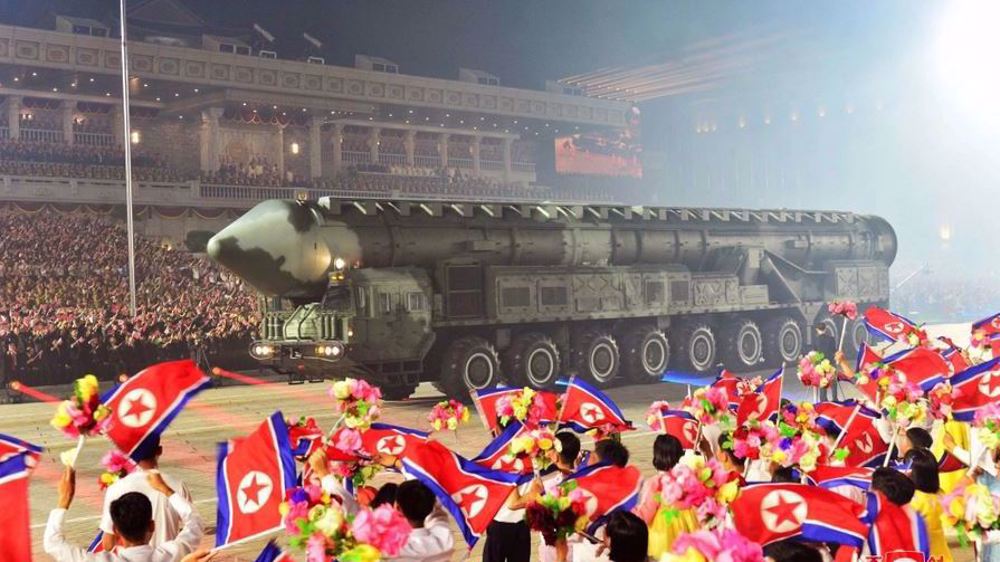
North Korea has rejected calls for its denuclearization made at the International Atomic Energy Agency’s (IAEA) 70th General Conference in Vienna, saying its status as a nuclear weapons state is irreversible.
The North’s official Korean Central News Agency (KCNA) reported Thursday that Kim Yo Jong, the powerful sister of North Korean leader Kim Jong Un, dismissed the IAEA discussions as “familiar silly talk.”
“The DPRK's position as a nuclear weapons state is absolute, which cannot reverse with anything,” she said, referring to North Korea by its official name, the Democratic People’s Republic of Korea (DPRK).
She insisted that calls for the denuclearization of North Korea were “all noises, not surprising and not new.”
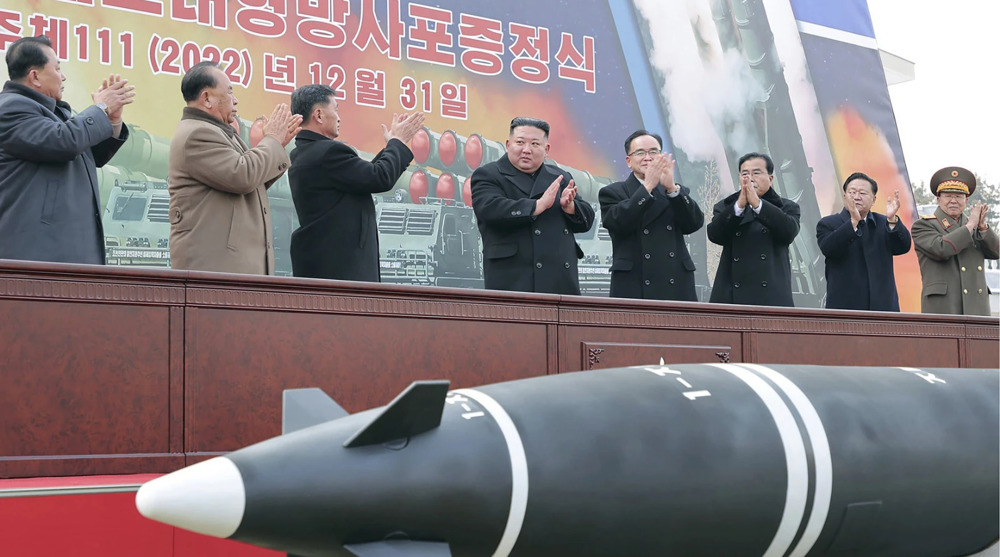
“No matter how desperately the IAEA and the West may hold periodic meetings and talk about the denuclearization according to the fixed scenario, they can have no effect on the will and ability of the DPRK to take all necessary measures to defend the supreme interests of the state,” she said.
“The reality in which the nuclear position of the DPRK has been permanently settled physically and legally cannot change even a bit.
“No one and nothing can ever reverse the crucial changes in the strength and position of the DPRK and prevent them in the future too,” she added.
At the General Conference earlier this week, IAEA Director General Rafael Mariano Grossi told member states that North Korea’s nuclear weapons program contravenes UN Security Council resolutions. He also warned of the consequences of crossing “red lines” by pursuing its nuclear weapons development program.
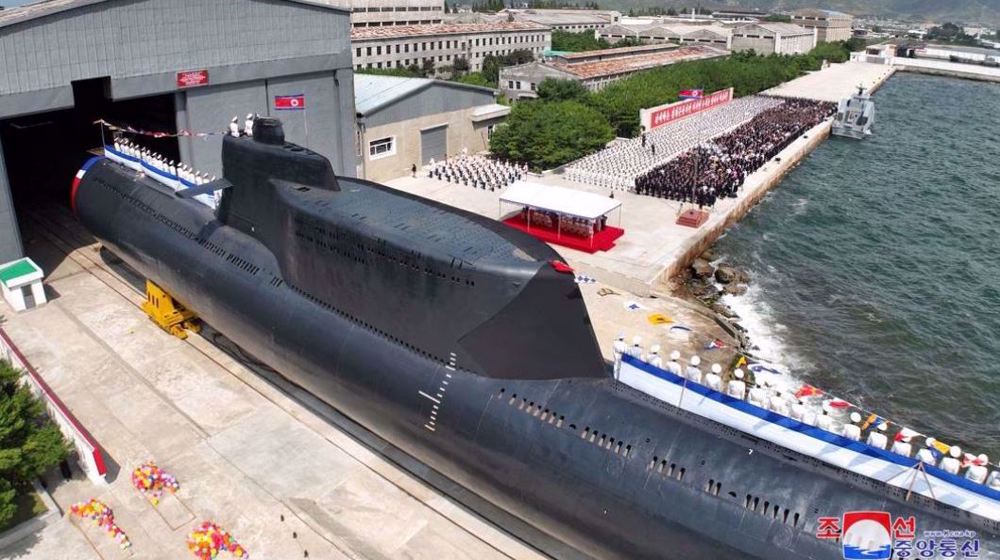
The IAEA has repeatedly urged North Korea to suspend its nuclear activities and comply with relevant UN Security Council resolutions.
Pyongyang has repeatedly rejected such calls, saying the UN nuclear watchdog has no jurisdiction in North Korea after the country withdrew from the agency in 1994.
North Korea has maintained that its nuclear weapons and missile programs serve as a deterrent against threats of Western invasion and occupation, while the country has remained under international sanctions for decades.
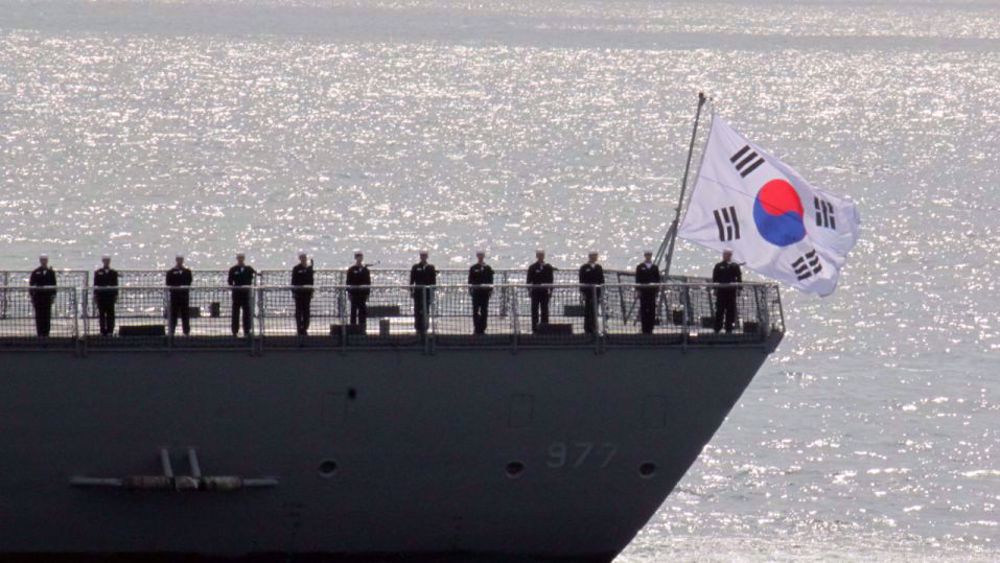
South Korea flirts with Hormuz deployment under growing US pressure

Trump threatens to punish South Korea for refusing to participate in war on Iran
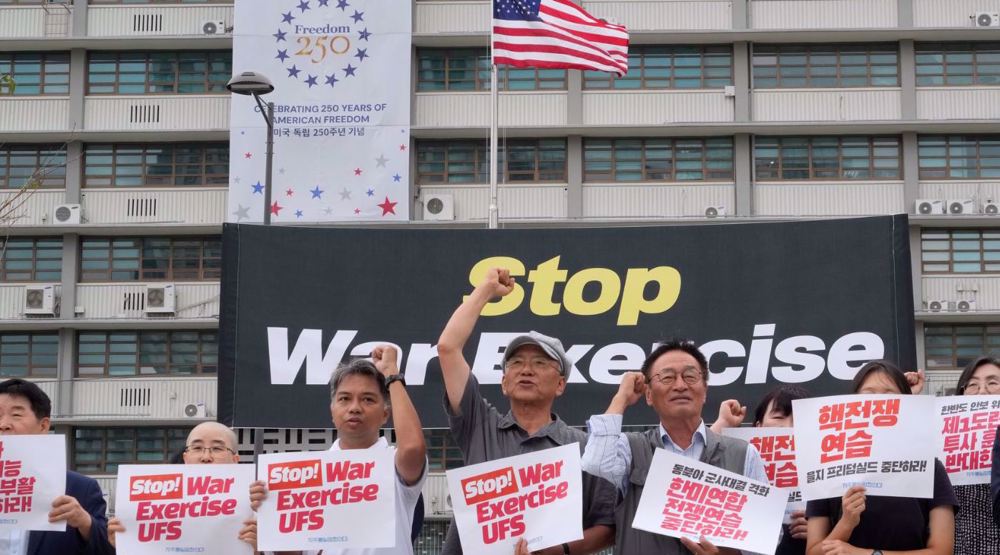
Trump tells Pentagon to scale back joint military exercises with South Korea



‘Organized, illegal, aggressive’: Press TV slams abduction of West Bank journalist by Israeli forces
Iran downs 53rd US MQ-9 drone since start of US-Israeli aggression
VIDEO | Israel uses quadcopter drones to kill Palestinians
VIDEO | Italian lawmaker files parliamentary question over Israel’s abduction of Press TV reporter Naqaa Ham
VIDEO | Iranians mark 200 nights of mass nationwide rallies
VIDEO | Federal Bank forced to hike rates as inflation worsens over US war on Iran
Discover Iran: Tabriz’s Blue Mosque, where glorious history meets timeless Iranian architecture
Jordan: The Kingdom of Compromise (Part 1)


 PressTV NEWSLETTER
now
PressTV NEWSLETTER
now
 This makes it easy to access the Press TV website
