200 nights, one resilient nation: Iranian people’s epic in defense of homeland and Revolution
By Maryam Bashirpour
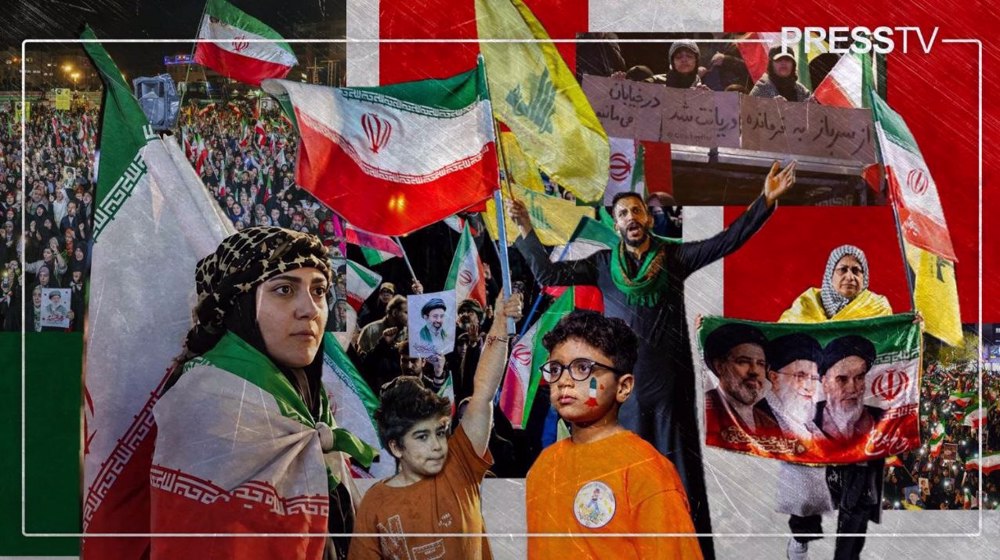
When the darkness of night falls over the turquoise domes of Tehran and the streets empty of their daily traffic, an unprecedented scene unfolds in the main squares in the city and hundreds of other cities and villages across the country.
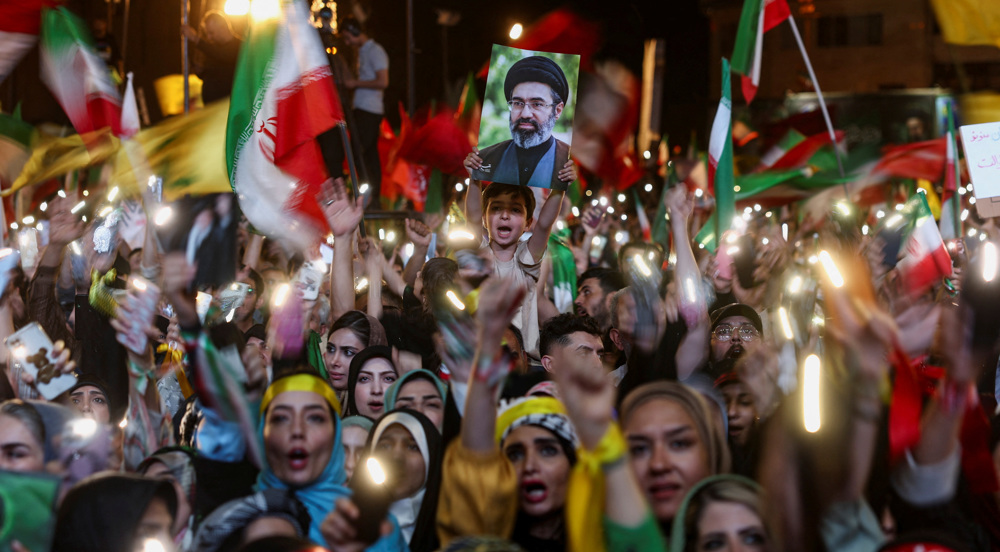
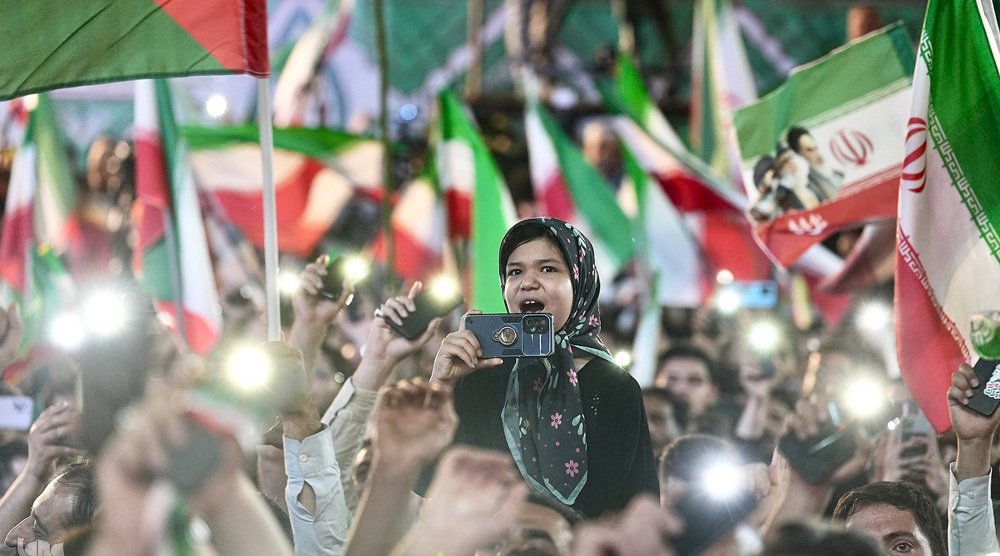
From the Enghelab Square, whose name recalls the pure blood of the martyrs on the path to freedom, to Azadi Square with its historic tower that has witnessed countless epics, and from Imam Hussein (PBUH) Square, where the fragrance of Ashura fills the air, to the streets leading to Vali Asr Square — all these sacred spaces host Iranians from all walks of life every night who, carrying Iran's tricolor flag, photographs of their martyred Leader, and chanting “Allahu Akbar” and “Death to America,” have created an enduring epic over the past 200 nights.
At Enghelab Square, massive crowds gather beneath a canopy of Iran's raised flags every night, while images of commanders of the Islamic Revolution Guards Corps (IRGC) and the Hezbollah resistance movement in Lebanon can be seen among the crowd.
At Azadi Square, women and men, old and young, from every social group and profession, stand hand in hand, displaying their loyalty to the Islamic Republic and its leadership.
At Imam Hussein (PBUH) Square, motorcades with loud horns and revolutionary chants fill the streets with enthusiasm and epic fervor until late at night, creating unforgettable scenes every night.
And in every corner of this great country, from Isfahan to Mashhad, from Tabriz to Shiraz, the same spectacular scene is repeated every night. This is a scene that has been repeated in Iran for 200 consecutive nights — an epic that both friends and foes believe is an “unbelievable miracle.”
Statistics That Astonished the Enemy
From 28 Bahman 1404 (February 28, 2026), when the United States and the Zionist regime launched an all-out war against Iran and, on the first day, the beloved leader of the Islamic Revolution, Ayatollah Seyyed Ali Khamenei, was martyred in a terrorist attack, the Iranian people created scenes unprecedented in contemporary history.
According to a report by the Tehran Municipality, in the capital alone, 120 major gatherings, 400 local assemblies, and 400 motorcades in support of the system and the armed forces are held every night.
These figures represent only a small fraction of the immense reality of this extraordinary national movement. From Tehran to Birjand, from Tabriz to Bandar Abbas — people in every part of this vast land gather in squares and streets every night.
The national “Janfada” (self-sacrifice) campaign, which registered more than 31 million Iranians — approximately one-third of the country's population — also demonstrated that this nation is prepared to stand to the death in defense of its land and honor.
Why did Iranians create this epic
The enemies believed that by assassinating the Leader of the Islamic Revolution and top-ranking commanders, as well as bombing vital centers of the country, they would break the morale of the Iranian people and topple the system. But this cowardly crime had exactly the opposite result.
The blood of the martyred Leader and other martyrs not only failed to extinguish the flames of the Islamic Revolution, but made it illuminate even more intensely. From the very first night of the third imposed war, millions of Iranians took to the streets to make it clear to the world that this nation would never bow before tyranny.
One participant in the crowd at the Enghelab Square told reporters: “We come every night to make the enemy understand that we will defend Iranian soil with the last drop of our blood. They thought that by killing our Leader they would break us, but they saw that we became stronger than before.”
Even after the ceasefire was established in early April, these gatherings not only did not decrease, but expanded. As one Tehran student emphasized, the people of this country want street pressure to continue until the end.
The top military commanders have also repeatedly emphasized that negotiations are the continuation of the war on the diplomatic field and require an enthusiastic presence in the streets.
200 Nights — A meaning beyond a gathering
These 200 nightly gatherings have become a kind of human shield against external threats. The IRGC wrote in a message to the nation: “Through your presence, you created a scene that the enemies — especially the criminal America and the Zionist regime — describe as an ‘unbelievable miracle.’”
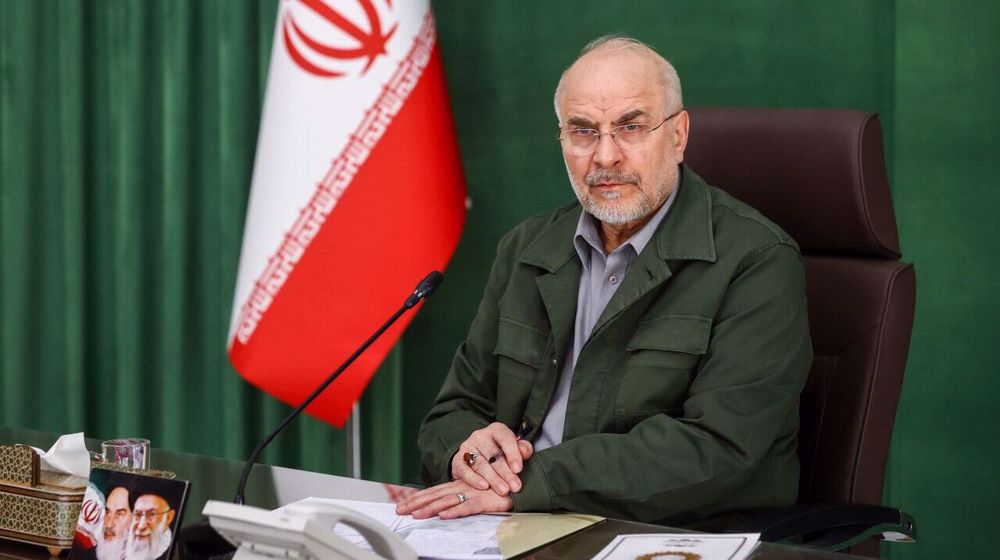
In his message, Speaker Mohammad Baqer Qalibaf hailed the daily nationwide demonstrations against foreign aggression and in support of the country's sovereignty, which he said have shown that people form the primary foundation of the Islamic Republic’s power.
“The enemy believed that it could break our will through military aggression; but today, on the 200th night of the people’s enthusiastic presence in the streets, it became clear that what was defeated was the aggressor’s illusion, not the will of the Iranian people,” he said.
Iran’s judiciary chief Gholamhossein Mohseni-Ejei also praised 200 consecutive nights of nationwide street demonstrations that have "shattered the calculations of the enemy and completed the puzzle of Iran’s victory in an existential war against global arrogance.”
The commander of the IRGC aerospace force, Brigadier General Majid Mousavi, in his message, said Iran’s enemies are “bewildered and astonished” at the sheer extent of public support the Iranian nation has shown for the homeland and its armed forces.
This extensive and uninterrupted presence demonstrated the extent to which the soft power of the Islamic Revolution has penetrated the hearts and souls of the people, in Iran and across the world, to the extent that no military threat or psychological warfare can stand against it.
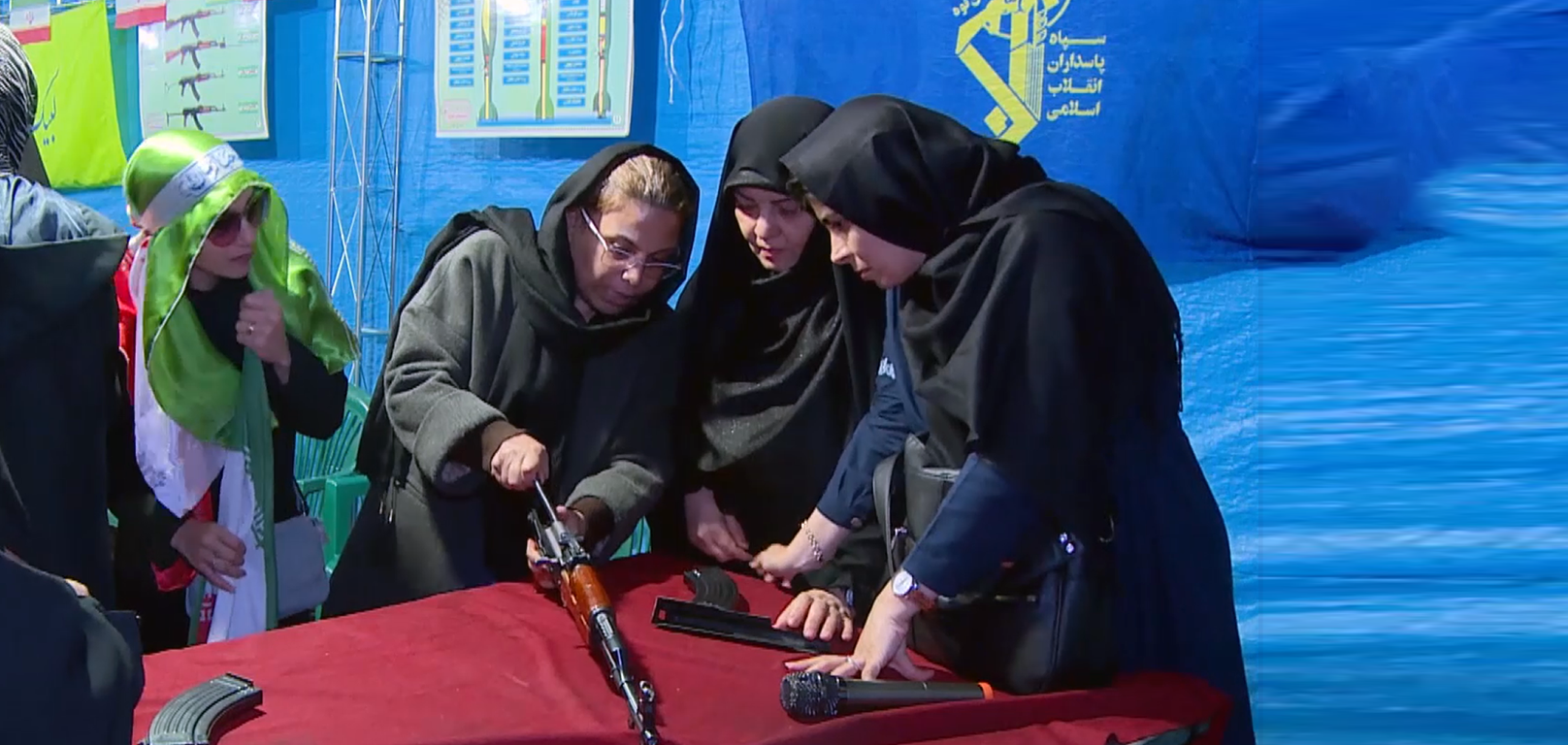
During these nights, women and men train alongside one another in military exercises and become familiar with light weapons. This movement is not merely an emotional reaction; rather, it represents the practical preparedness of a nation to protect its homeland against any threat.
Perhaps the most important achievement of these 200 nights has been unprecedented national unity. Even those inside the country who disagree with some policies have gathered under one flag in the face of a foreign threat. A Tehran-based analyst said in this regard: “When a foreign threat reaches our borders, we Iranians know to set aside our internal differences. These gatherings show that national sovereignty is a red line for us.”

What mistake did the enemy make
Western analysts had predicted that the war would lead to Iran's internal collapse. But 200 consecutive nights of popular gatherings revealed the enemy's greatest strategic mistake. They believed that the Iranian people had become distanced from their government, whereas the foreign threat brought all of them together under one roof, demonstrating unity and resilience.
Yes, economic and livelihood problems exist. There is no denying this reality. But when the enemy violates the sanctity of this land, all these issues fade before a single word: Iran.
As one participant in the crowd at Azadi Square shouted: “We know America well. All of its negotiations are deception. The street is the guarantor of the Revolution, and we will not allow our achievements to be lost.”
Two hundred nights are not the end of the road. Iranian officials have repeatedly emphasized that this path will continue until the “final victory.” This is a sacred covenant between the people and the Revolution — a covenant signed with the blood of the martyrs and renewed once again through the people's nightly presence in the squares.
Today, Iran's tricolor flag is still flying, and chants of “Death to America” and “Death to Israel” pierce the night sky. In Enghelab Square, Azadi Square, Imam Hussein Square, and hundreds of other squares throughout this great land, people stand and they neither want nor can surrender.
What the world has witnessed during these 200 nights is not merely a march or a street gathering. The world has witnessed the rebirth of a nation — a nation that turns every threat into an opportunity for unity and solidarity. Two hundred nights are merely the prelude to an endless epic.
For any international observer who wishes to understand the secret behind the endurance of the Islamic Revolution, the answer should be sought not behind closed diplomatic doors, not in official statements, and not at military bases, but in the streets of Iran — in the eyes of women who proudly raise the flag, in the clenched fists of young people chanting for national pride, and in the firm footsteps of elderly men who, despite all the hardships of life, have still not allowed the flag of the Islamic Republic to fall.
As long as the people are in the streets, Iran exists. And as long as Iran exists, the Islamic Revolution will never die. It will also thrive.
Maryam Bashirpour is a university researcher and writer based in Tehran.
(The views expressed in this article do not necessarily reflect those of Press TV)
Discover Iran: Tabriz’s extraordinary architectural legacy through royal palaces, merchant mansions
Discover Iran: Tabriz’s ‘Mausoleum of Poets,’ where centuries of Persian literary history live on
Discover Iran: Tabriz’s Blue Mosque, where glorious history meets timeless Iranian architecture



Iran’s military warns of ‘unpredictable blows’ in response to US threats
VIDEO | US economic war on Iran
Iran FM meets with US envoy on UN meeting’s sidelines at American side’s insistence: Report
UN chief warns Israeli violence in West Bank raises ‘specter of ethnic cleansing’
VIDEO | ‘Korea gets nothing, loses everything, with Hormuz deployment’
Iran parliamentary commission approves penalties for violators of Hormuz laws
VIDEO | Trump’s war disrupts the world
Araghchi urges world to hold US accountable for ‘war crimes’ at UNGA


 PressTV NEWSLETTER
now
PressTV NEWSLETTER
now
 This makes it easy to access the Press TV website
