Iran downs third US MQ-1 drone over Strait of Hormuz in 24 hours
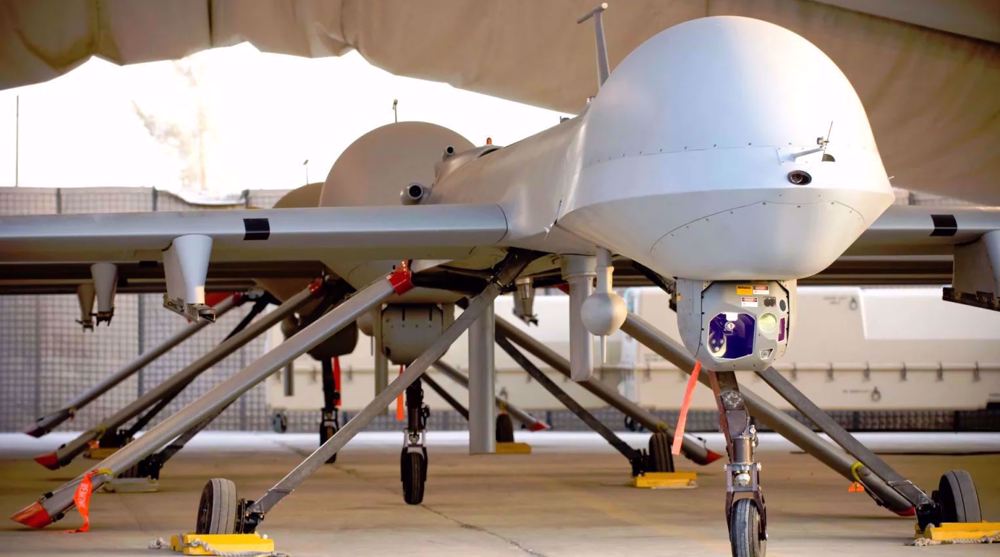
Iranian armed forces have shot down a third US MQ-1 Predator drone over the Strait of Hormuz within 24 hours despite Washington’s repeated claims of destroying Iran’s air defenses.
The Islamic Revolution Guards Corps said on Tuesday evening that its Aerospace Force intercepted and destroyed the unmanned aircraft in the skies over the strategic waterway using a new advanced air defense system.
The drone was brought down while under the control of Iran’s integrated air defense network, the IRGC said.
The latest downing came hours after the IRGC announced the interception and destruction of another US MQ-1 over the Strait of Hormuz.
The IRGC Public Relations Department said the aircraft—which is a multi-mission, long-endurance remotely piloted vehicle—was immediately detected and tracked by IRGC air defense systems and targeted with advanced surface-to-air missiles before it could carry out any act of aggression.
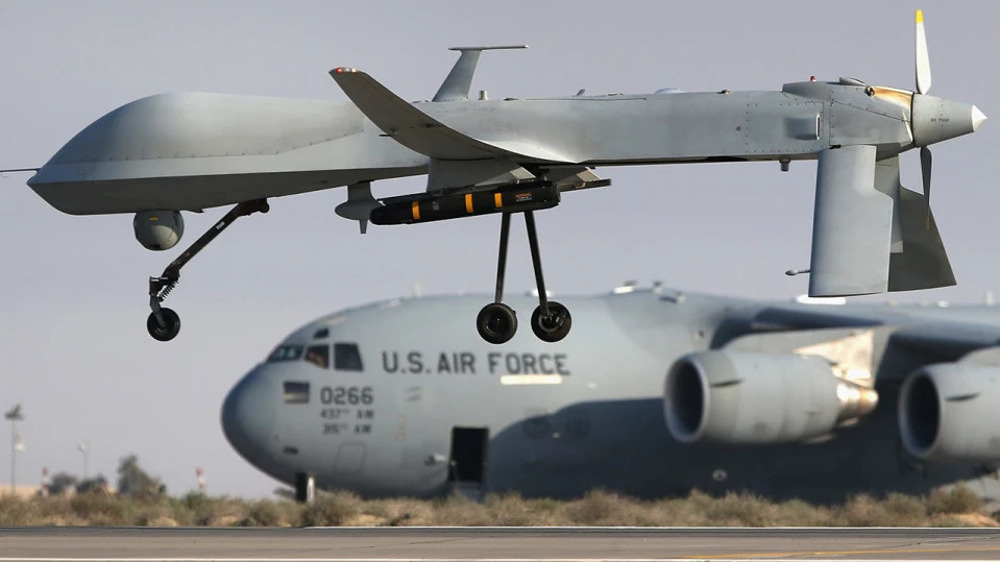
The latest downing brings to three the number of US MQ-1 drones Iran has intercepted and destroyed in the past 24 hours.
Last week, Iran’s Army air defense also reported shooting down a US MQ-1 over the Strait of Hormuz. According to the Army, its air defense units detected, tracked and targeted the drone in southeastern Iran before destroying it.
The Strait of Hormuz has increasingly become a key battleground in the United States’ onslaught against Iran, prompting Tehran to tighten its control over maritime operations in and around the vital energy chokepoint.
According to American business news channel Bloomberg, Iran has eliminated more than two dozen MQ-9 Reaper drones since the onset of the US-Israeli war in late February, accounting for nearly 20 percent of the Pentagon’s inventory before the offensive. With each drone valued at $30 million, the total damage is estimated at around $1 billion.
As reported by Bloomberg and the TWZ website, congressional testimony indicates that the operational MQ-9 Reaper fleet of the US Air Force has decreased to approximately 135 aircraft, significantly below its established minimum threshold of 189.
The San Diego-headquartered manufacturer of the unmanned combat aerial vehicle, General Atomics Aeronautical Systems, has confirmed that there are fewer than 10 new airframes still available for acquisition, and the production line for the MQ-9A has ceased operations.
Military experts note that the increased loss of MQ-9 drones has prompted the terrorist US Army to use the older MQ-1 version for its sustained aggression against Iran.
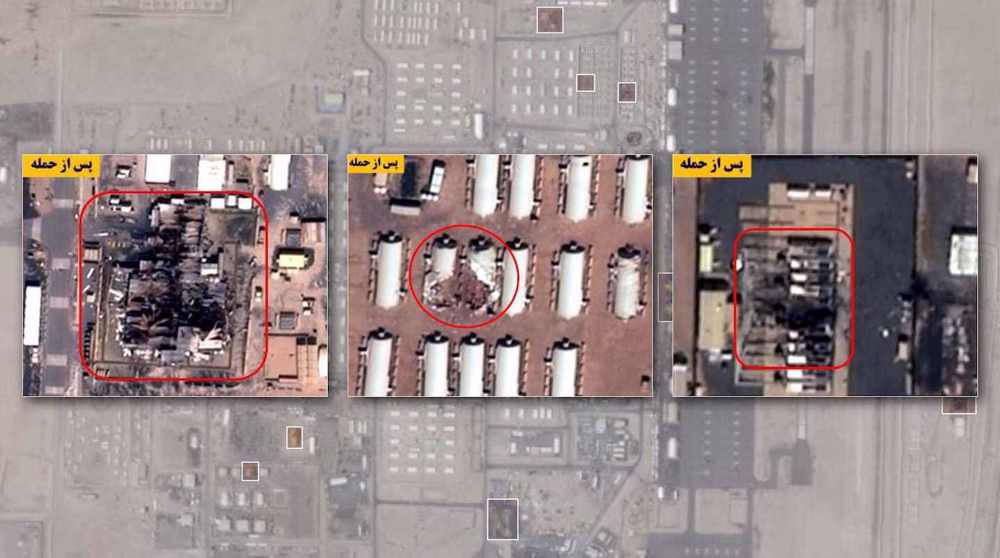
US military nearing 'breakdown' amid sustained Iranian attacks: US officials

Iranian nation shattered aggressor’s illusions with sustained popular rallies: Parliament speaker
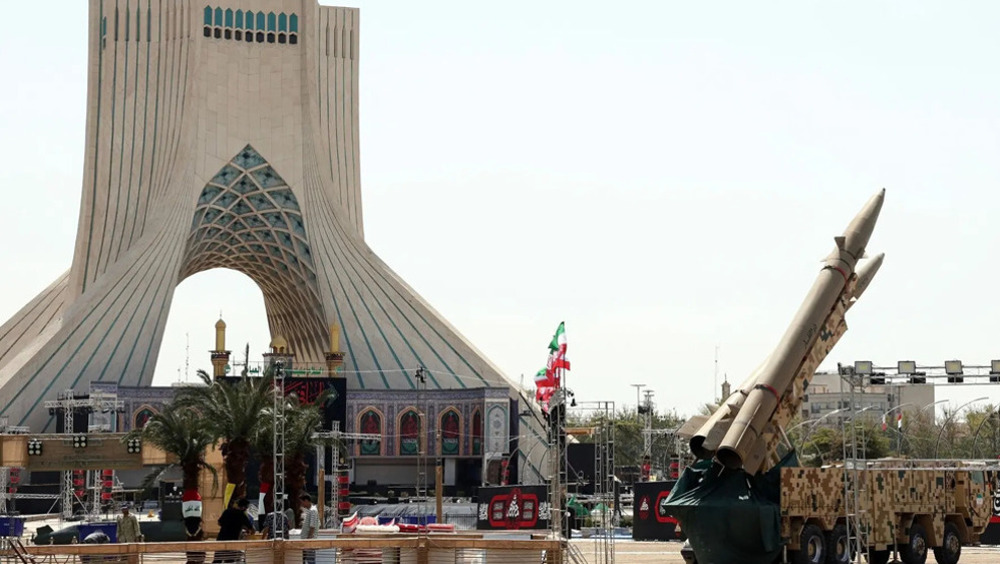
Iran outlines 2026 civil defense plans for 3 scenarios, including full-scale war



Iran wins IAEA General Committee seat as US bid to block election fails
US democracy indicators hit 50-year low under Trump: Report
Defeat of enemy calculations: Iran’s judiciary chief hails 200 nights of street rallies
UN confirms US attack on Iranian wedding, warns of international law violations
Iran downs third US MQ-1 drone over Strait of Hormuz in 24 hours
US military nearing 'breakdown' amid sustained Iranian attacks: US officials
VIDEO | A mother’s grief: Four daughters lost to Israel’s genocide in Gaza
Tribal leaders, scholars condemn assassination of Iranian Sunni cleric


 PressTV NEWSLETTER
now
PressTV NEWSLETTER
now
 This makes it easy to access the Press TV website
