Defeat of enemy calculations: Iran’s judiciary chief hails 200 nights of street rallies
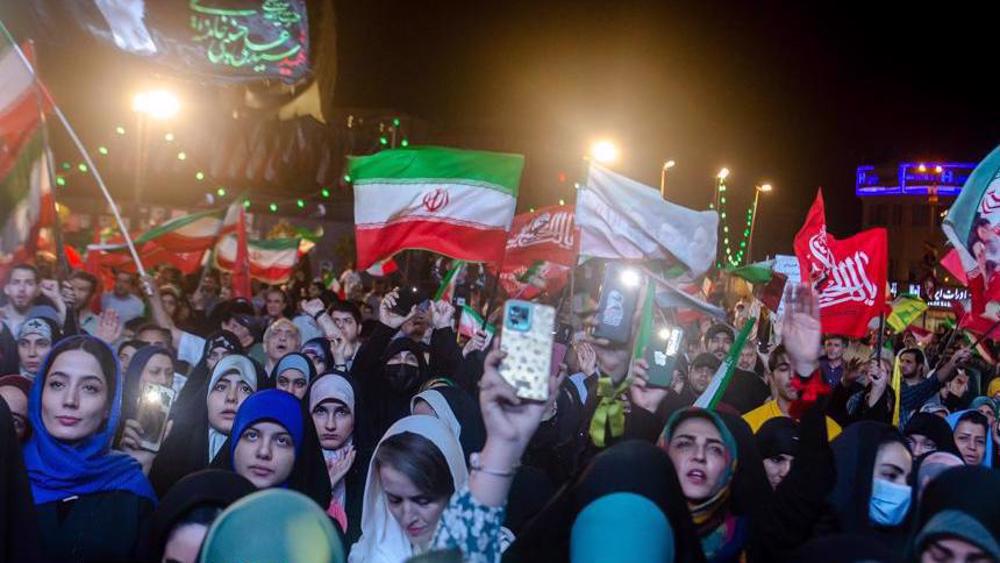
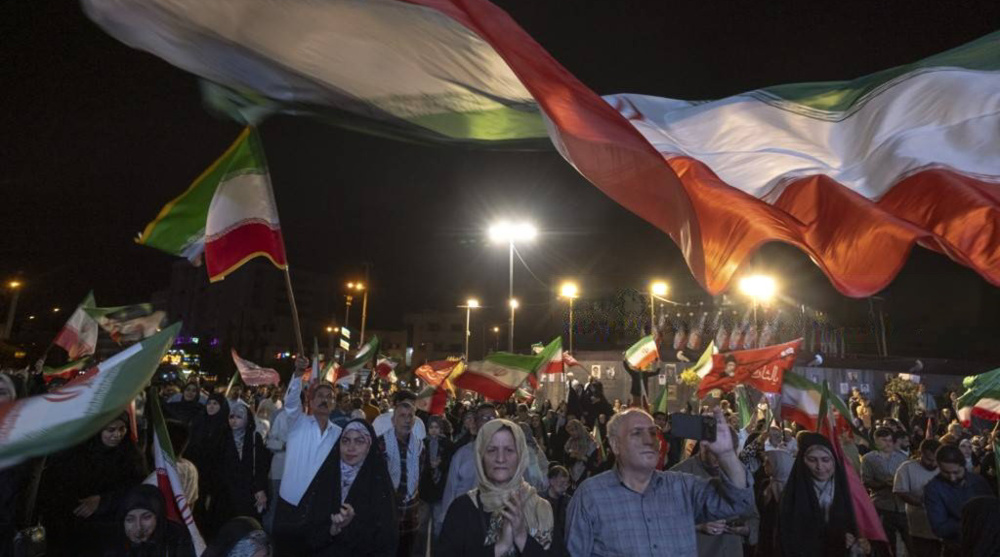
Iran’s judiciary chief has praised 200 consecutive nights of nationwide street demonstrations in support of the armed forces.
In a message of gratitude to the Iranian public, released on Tuesday, Gholamhossein Mohseni-Ejei hailed the massive “street maneuver” that has shattered the calculations of the enemy and completed the puzzle of Iran’s victory in an “existential war against global arrogance.”
“For more than 200 nights, the dear and precious people of Islamic Iran have occupied the squares and streets of cities across the country to support their fighters and their honor,” Ejei wrote.
“Words fail to describe the zeal and honor of these people.”
Equating the 200-night vigil to the jihad of frontline soldiers, the Iranian judiciary chief invoked the legacy of Major General Qassem Soleimani, the martyred commander of the Quds Force of the Islamic Revolution Guards Corps (IRGC), who famously described Iran itself as a “shrine.”
“You, the honorable people, have turned the streets of Islamic Iran into a shrine over the past 200 nights,” Ejei stated.
“You were the guardians of this shrine for 200 nights, and every step you took in this night vigil was a venomous arrow in the eye of the enemies of this land, and a sincere salute to the powerful hands of your children, the frontline fighters of the Resistance.”
Highlighting the ideological resolve of the demonstrators, he praised the public for remaining united and cohesive around the Leader of the Islamic Revolution, successfully seeing through the “deceptions and tricks” of the opposing camp.
The Iranian judiciary chief said the 200-night “maneuver” proved the ultimate failure of the enemy’s psychological and political strategy.
“The enemy tried, relying on its illusions, to sever the deep bond between the nation and the establishment; but you, the people, showed that you have a deep, profound belief in the Islamic Republic of Iran.”
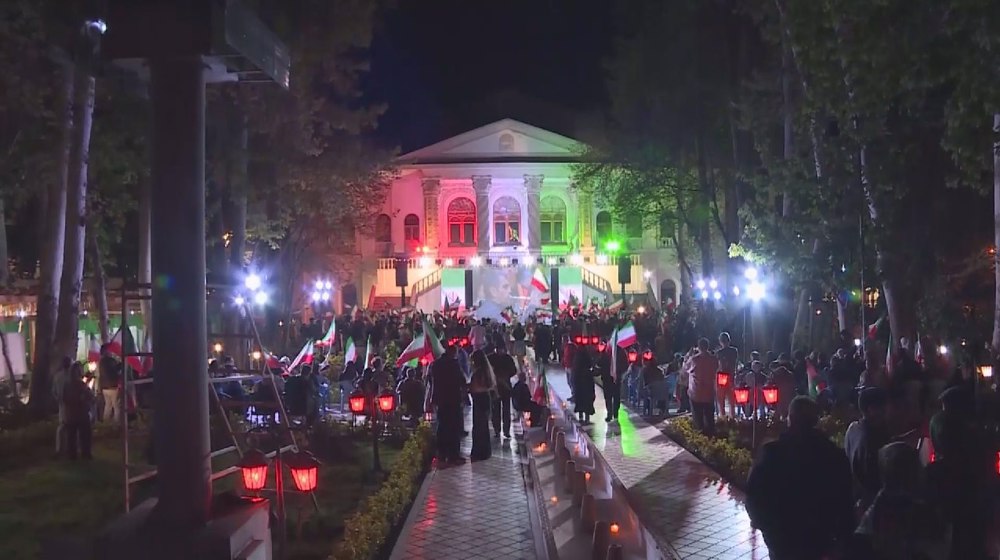
The nightly demonstrations first began in the immediate aftermath of February 28, when the United States and Israel launched a full-scale war of aggression against Iran.
What began as spontaneous outpourings of grief and outrage following the bombardment of Iranian cities and civilian infrastructure quickly crystallized into a synchronized, nationwide movement.
By early March, citizens across Iran’s major metropolitan centers and rural provinces alike had established a routine of gathering in public squares every night after sunset.
These nightly vigils serve a dual purpose on the Iranian home front.
On one level, they act as a massive morale-boosting mechanism for the armed forces, with crowds frequently directing their chants and solidarity toward the frontline soldiers of the Army and the IRGC.
On another level, they function as a rejection of Western psychological warfare.
Participants routinely light candles for the martyrs, wave national flags, and chant anti-oppression slogans, signaling an unwavering refusal to capitulate to foreign coercion or economic strangulation.
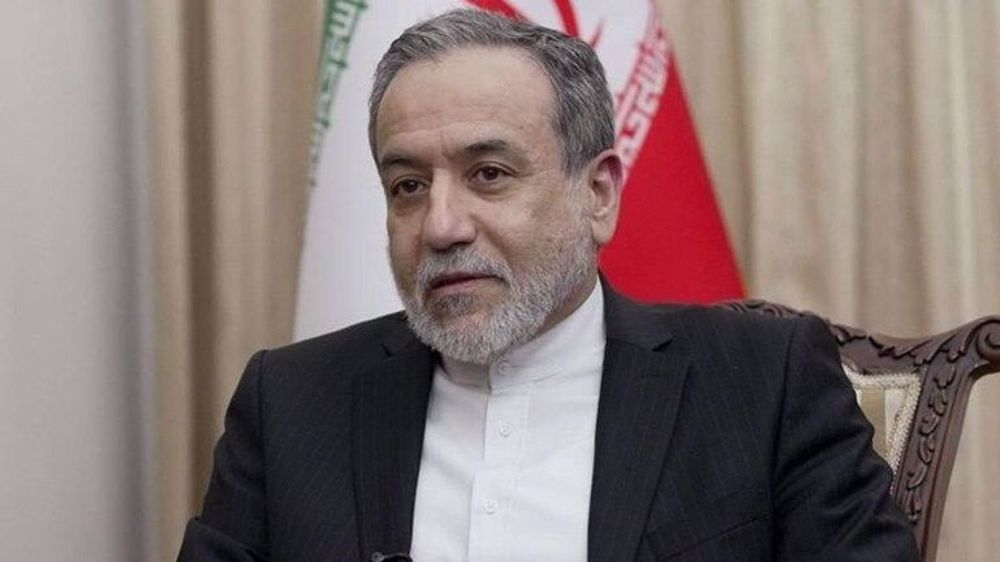
Iran FM hails China consultations as ‘successful’
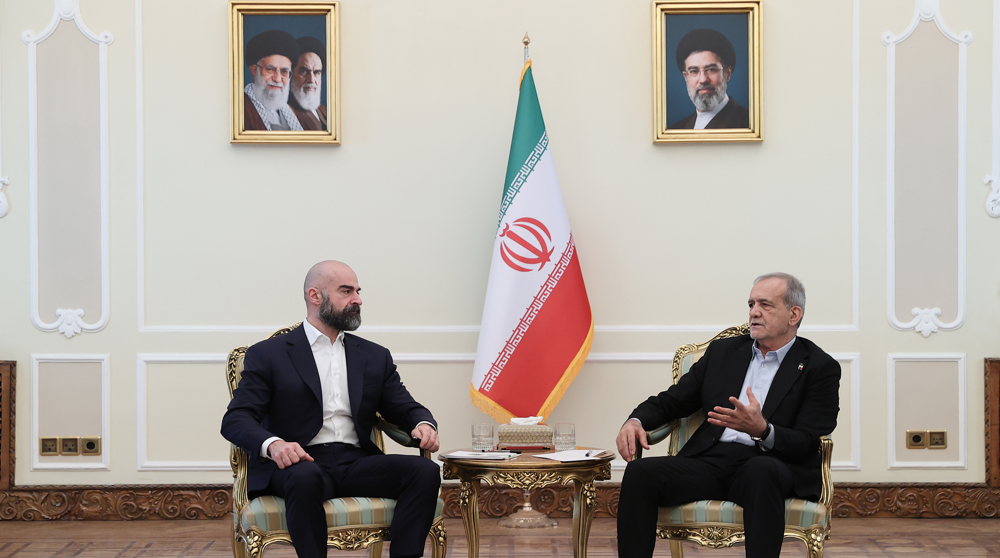
Pezeshkian: Iran ready to resolve issues with neighbors through diplomacy
Pezeshkian hails 200 nights of rallies, reaffirms support for Iranian armed forces



Yemen's control of Bab al-Mandab 'deepens crisis' in Israel
Iran calls for ‘zero-tolerance’ policy on attacks against nuclear facilities at IAEA
Skyrocketing US inflation
US clears way for F-35 sale to Saudi Arabia amid aggression against Yemen
‘Nightmare for enemies’: Iran launches mass ‘Sacrifice for Iran’ drill
Iran: Unilateral US weaponization of space accelerates arms race
Russia, China veto rejects ‘political abuse’ of UNSC, marks end of ‘unipolar order’: Qalibaf
Iran finds new platform in SCO to develop its rare-earth potential


 PressTV NEWSLETTER
now
PressTV NEWSLETTER
now
 This makes it easy to access the Press TV website
