Discover Iran: Tabriz’s centuries-old trading culture drives carpets, leather, industry and exports
By Mina Mosallanejad
For centuries, merchants in Tabriz have traded carpets, leather, textiles and food, making the city one of Iran’s most important commercial crossroads.
Today, the northwestern Iranian city is carrying that trading tradition into a broader industrial economy, connecting family-run workshops and artisans with factories, exporters and markets across the Caucasus, Turkey, Iraq and beyond.
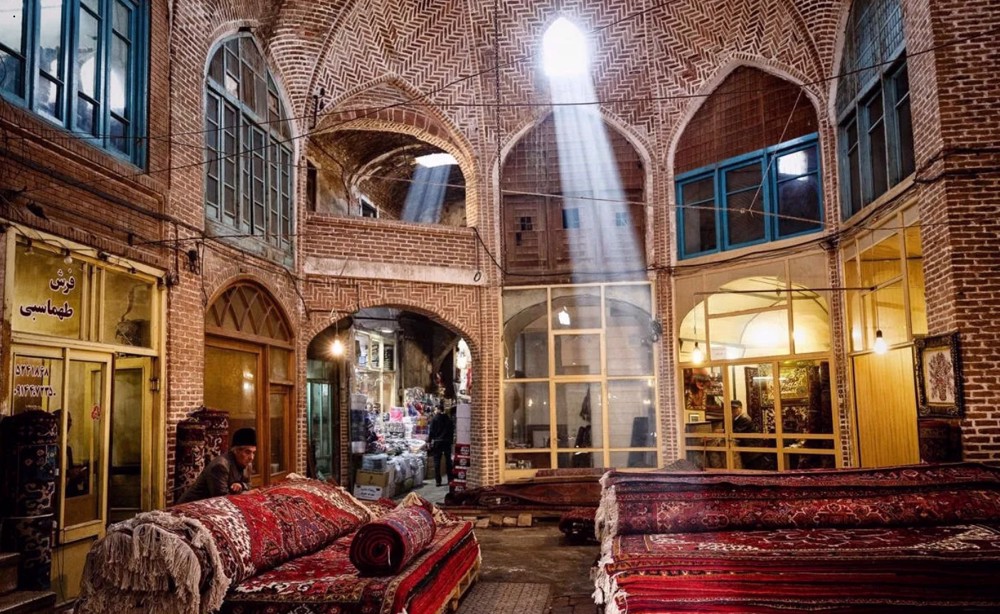
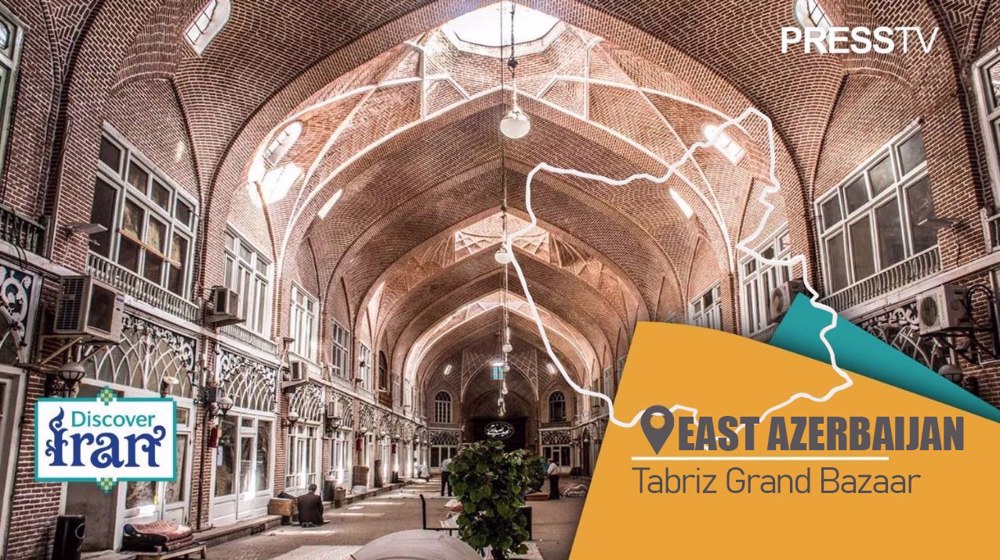
At the heart of Tabriz stands its historic bazaar, one of the largest and most significant covered bazaars in the world.
A UNESCO World Heritage site, the bazaar has long been a major center of commerce along routes linking Iran with the Caucasus, Anatolia and Central Asia.
Its commercial role has not faded. The bazaar remains a thriving marketplace, where traditional businesses continue to operate alongside the city’s modern industrial and commercial economy.
A city built around carpets
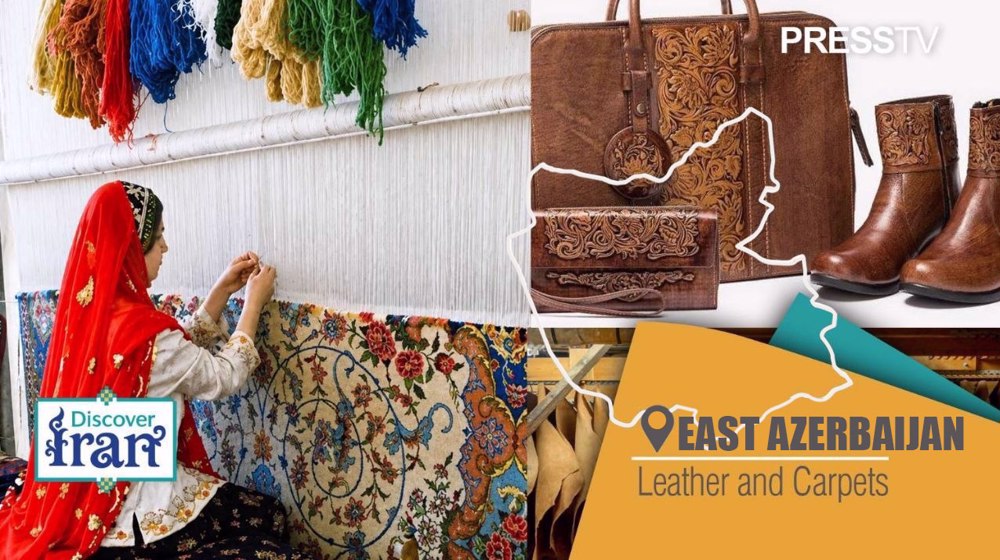
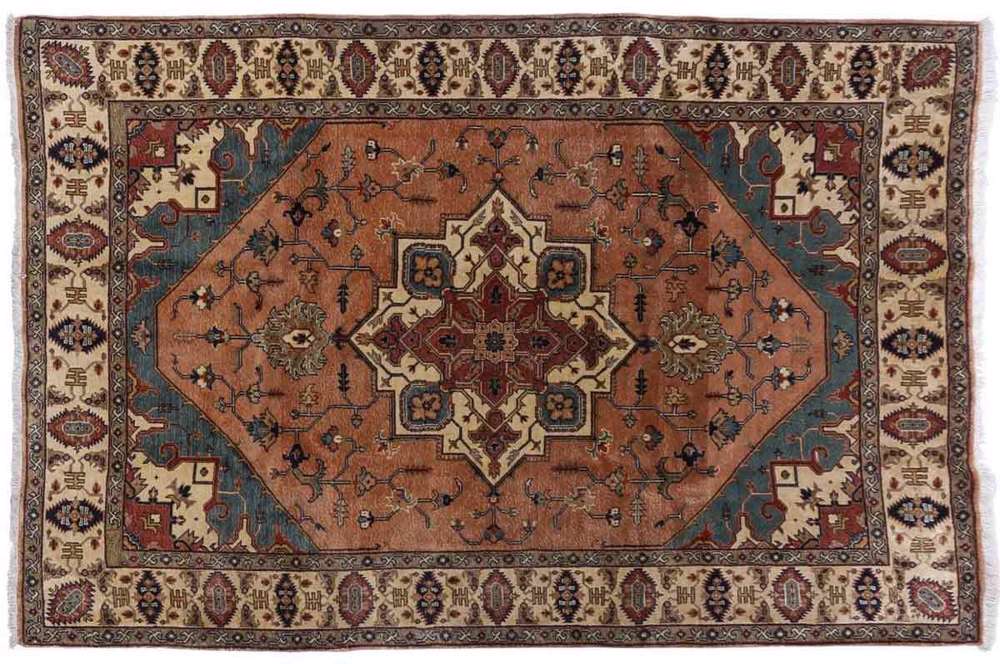
Carpet weaving remains one of Tabriz’s defining economic and cultural traditions. The city has long been renowned for its distinctive designs, skilled craftsmanship and role as a major center for the production and trade of Persian carpets.
The wider East Azerbaijan province, with Tabriz at its economic heart, is home to more than 80,000 handwoven carpet weavers and accounts for around 30 percent of Iran’s handmade carpet production.
The head of Iran’s National Carpet Center said that between 70 and 80 percent of the country’s handmade carpets are produced for export, which particularly makes the province an important carpet hub in the country. Production increased by around 8 percent in the first four months of the current Iranian year, which began in March 2026, reaching more than one million square meters.
According to the Carpet and Handicrafts Commission of the Iran Chamber of Commerce, Iran’s handmade carpet exports totaled $40 million in the year to March 2026.
Tabriz’s reputation extends well beyond Iran’s borders. In 2015, the World Crafts Council designated the city a World Craft City for Carpet Weaving, recognizing its longstanding expertise and the central role of carpet-making in Tabriz’s cultural and economic identity.
From family workshops and individual artisans to merchants operating in the historic bazaar, carpet-making in Tabriz remains a living link between the city’s centuries-old trading tradition and its modern economy.
From leather workshops to a major footwear hub
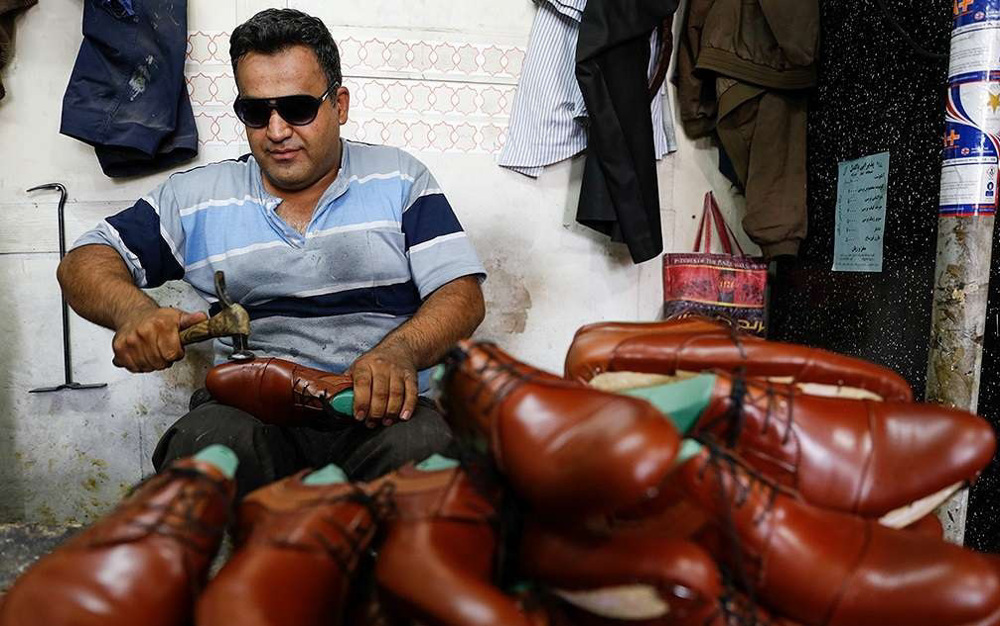
If carpets represent one side of Tabriz’s traditional economy, leather and footwear represent another – one that has developed into a substantial modern industrial sector.
Tabriz has become one of Iran’s principal footwear-production centers, with thousands of businesses involved in manufacturing, distribution and related services.
According to figures cited by the city’s footwear trade union in 2025, around 3,400 licensed businesses were operating in the sector, including approximately 2,200 manufacturing units, 1,100 distribution businesses and 100 service providers.
The industry was estimated to support around 30,000 direct jobs and 110,000 indirect jobs, highlighting the scale of a sector that has evolved from the city’s traditional shoemaking workshops.
The same industry figures put Tabriz’s share of Iran’s leather and leather-upper footwear production at around 60 percent, while the city accounted for approximately 95 percent of the country’s handmade full-leather footwear.
Tabriz was also reported to produce around 70 percent of Iran’s professional safety, military and sports footwear.
According to Hossein Manafi, head of the Tabriz Union of Shoemakers, Saddlers and Leatherworkers, the industry’s target markets include neighboring countries with a combined population of more than 600 million people, including Iraq, Afghanistan, Turkmenistan, Armenia, Georgia and the Caucasus region.
Despite strong competition from China, Manafi says Tabriz’s footwear producers remain competitive on both price and quality.
He added that around $10 million of Iran’s total $100 million in footwear exports comes from Tabriz. Handmade shoes from Tabriz are also exported to European countries, mainly as gifts, he said.
Tabriz’s footwear industry is now looking beyond its traditional markets, with local producers increasingly seeking to expand their regional presence and establish new export partnerships.
The first Iran-Tabriz Footwear Export Exhibition in Armenia was held on September 5-6, 2026, at the Holiday Inn Hotel in Yerevan. The event brought together producers and traders to showcase the capabilities of East Azerbaijan’s footwear industry, explore new export opportunities and establish direct links between Iranian manufacturers and Armenian businesses.
Organizers said the exhibition was intended to lay the groundwork for a sustained presence of Iranian footwear producers in the Armenian market.
The event underscored Tabriz’s efforts to build on its traditional footwear industry and strengthen its position in regional export markets, particularly across the Caucasus.
The roots of the industry go back well beyond today’s factories. Historical accounts of Iran’s leather industry point to the establishment of a modern tannery in Tabriz in 1928. By 1962, the city reportedly had 19 leather factories and 12 tanneries, employing more than 2,000 people.
That history illustrates one of Tabriz’s defining economic characteristics: traditional skills have not simply survived alongside industrialization; in many cases, they have provided the foundation for it.
From carpets and shoes to chocolate and machinery
The diversity of Tabriz’s economy becomes even clearer beyond its traditional crafts.
The city is home to a broad range of manufacturing activities, including machinery, automotive production, petrochemicals, pharmaceuticals, food processing and other industries.
Major industrial complexes in and around Tabriz include Iran Tractor Manufacturing, Machine Sazi Tabriz, Iran Diesel Engine Manufacturing, Tabriz Petrochemical Complex and Tabriz Oil Refinery.
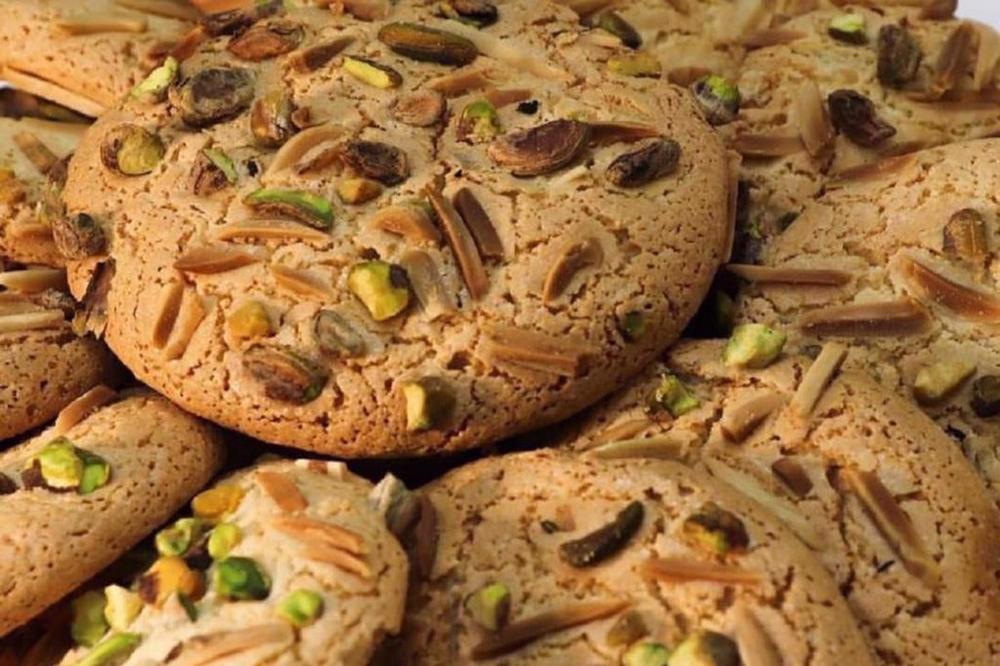
Food processing is another important part of the city’s commercial identity. Tabriz has long been known as a center for confectionery and chocolate production, with its products reaching markets both inside Iran and abroad.
Earlier industry data cited more than 850 food and confectionery production units in the city, with products exported to more than 50 countries.
Other industry sources have estimated that Tabriz accounts for around half of Iran’s biscuit and chocolate production, underscoring the scale of a sector that has become an important part of the city’s industrial economy.
An export-oriented regional economy
Tabriz’s industrial importance is reinforced by its location in northwestern Iran, close to Turkey, Armenia, Azerbaijan and the wider Caucasus.
The broader export figures illustrate the scale of the regional economy surrounding the city.
During the first eight months of the Iranian year 1404, from March 21 to November 21, 2025, East Azerbaijan province exported 2.366 million tons of non-oil goods worth $1.244 billion.
Tabriz Customs alone accounted for $712 million of those exports, representing 862,000 tons of goods.
The figures underscore Tabriz’s role not only as a manufacturing center, but also as a gateway connecting Iranian producers with markets across the region.
A trading tradition looking outward
What makes Tabriz distinctive, therefore, is not simply the number of its factories or the reputation of its carpets and leather shoes. It is the way different layers of the economy have developed around the city’s centuries-old trading culture.
A carpet woven in a family workshop, a pair of handmade leather shoes, chocolate produced in a modern factory and machinery manufactured for industrial markets may appear to belong to entirely different economic worlds.
In Tabriz, however, they are part of a much longer story — one in which commerce, craftsmanship and industry have continually evolved in response to changing markets.
With its historic bazaar, skilled workforce, diversified manufacturing base and proximity to some of Iran’s most important regional trade routes, Tabriz continues to build on its position as an economic center of northwestern Iran.
In many ways, the city’s story is that of an old trading center adapting to a new economy — from caravan routes to industrial supply chains, and from family workshops to export markets across the region.
Iran’s hidden aquaculture revolution over four decades
Behind Iran’s record wheat harvest amid drought, sanctions and war

US sanctions will not halt Iran’s aviation industry: Civil aviation chief



Pakistan says strategic ties with Iran key to its mediation efforts
New photos reveal Iranian strikes inflicted extensive damage to US targets in West Asia
Amazon can't restore US cloud infrastructure in Bahrain, UAE after Iranian retaliation: Report
Iran’s energy rebuild sparks unprecedented industrial shift
VIDEO | Italy’s Israel criticism bill raises free speech concerns as it faces lower House review
Discover Iran: Tabriz’s centuries-old trading culture drives carpets, leather, industry and exports
200 nights, one resilient nation: Iranian people’s epic in defense of homeland and Revolution
Iran’s military victory must be complemented by victory in battle of narratives: Basij chief


 PressTV NEWSLETTER
now
PressTV NEWSLETTER
now
 This makes it easy to access the Press TV website
